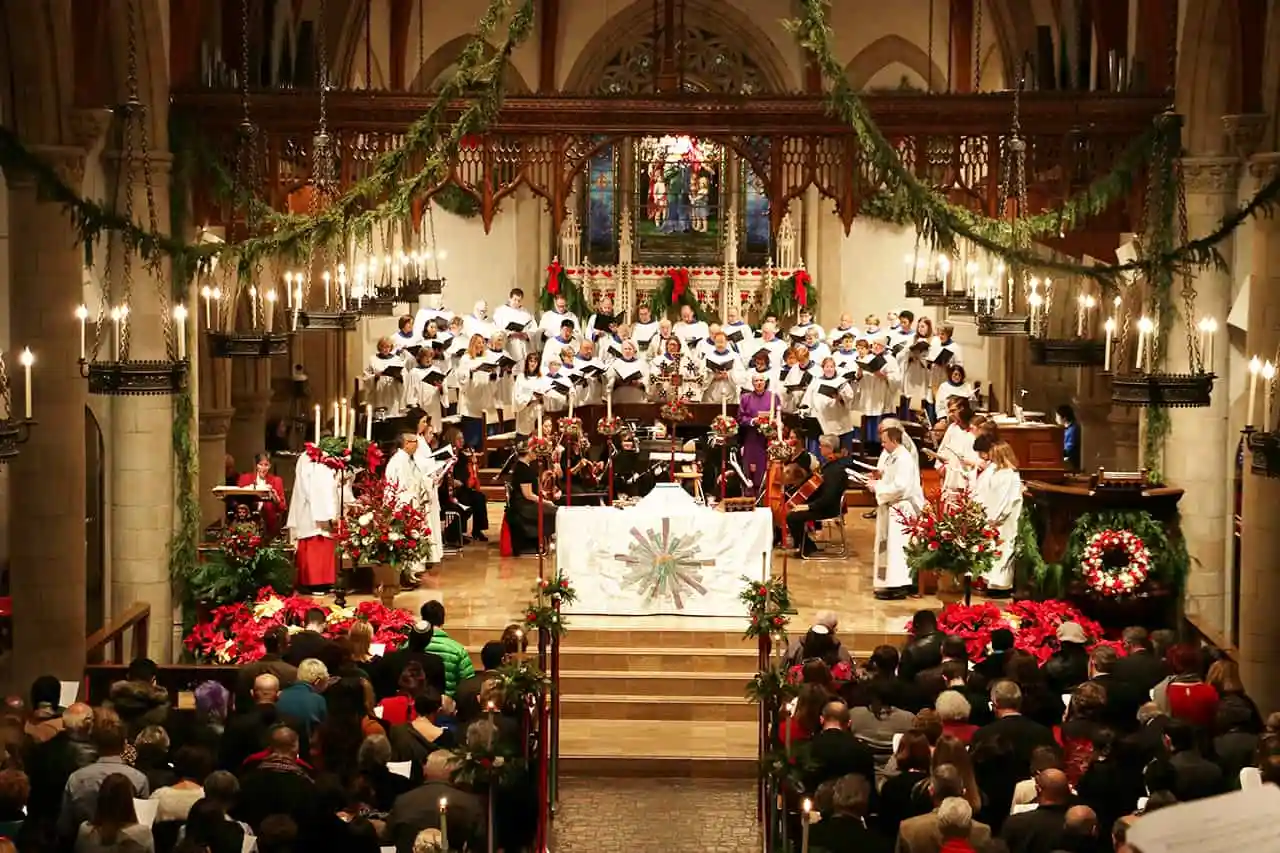
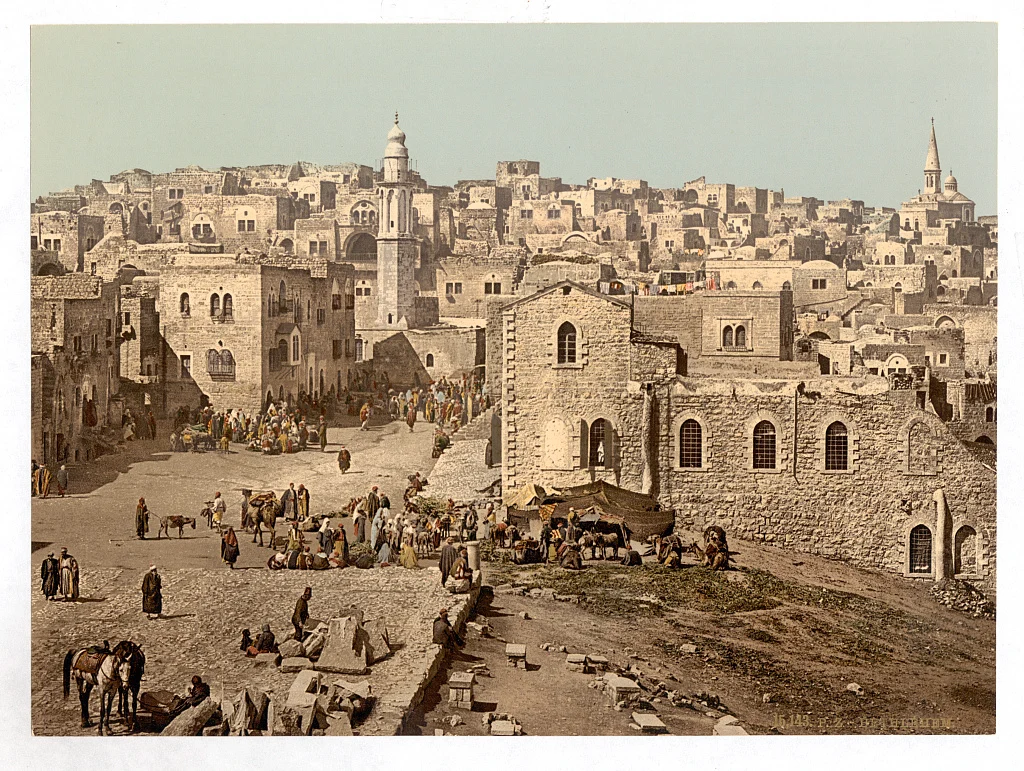
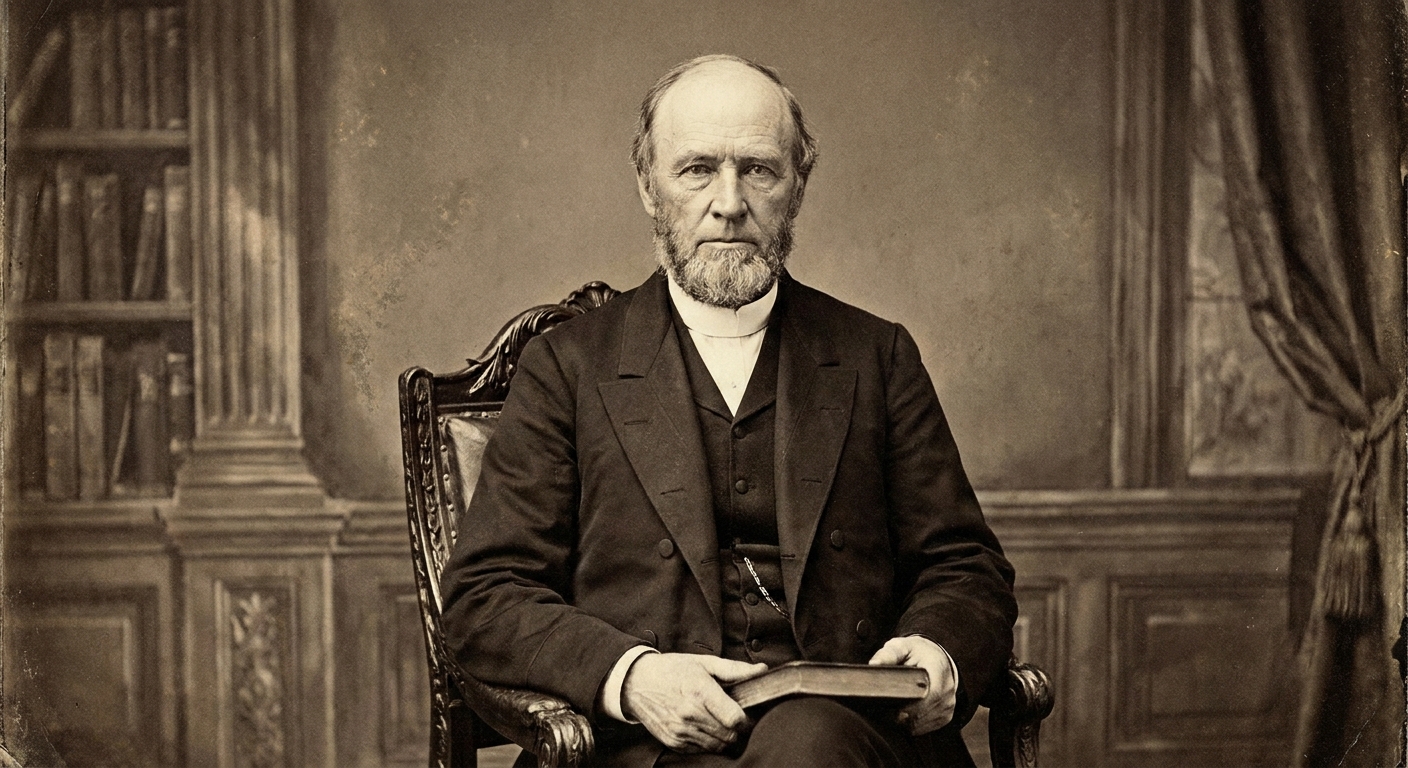
Every December, I hear it in places that are not trying to be profound at all: a grocery store aisle, a small-town choir rehearsal, the tinny speaker of a porch doorbell. And every time, the same thing happens in me. “What Child Is This?” lands with the quiet insistence of an ancient question, even when I am holding something as un-mystical as a bag of clementines.
Part of that power is in the pairing: a Victorian-era poem that asks pointed theological questions, set to a melody that feels older than any of us. “What Child Is This?” is a meeting place between text and tune, between certainty and wonder. Here is the story of how that meeting happened.
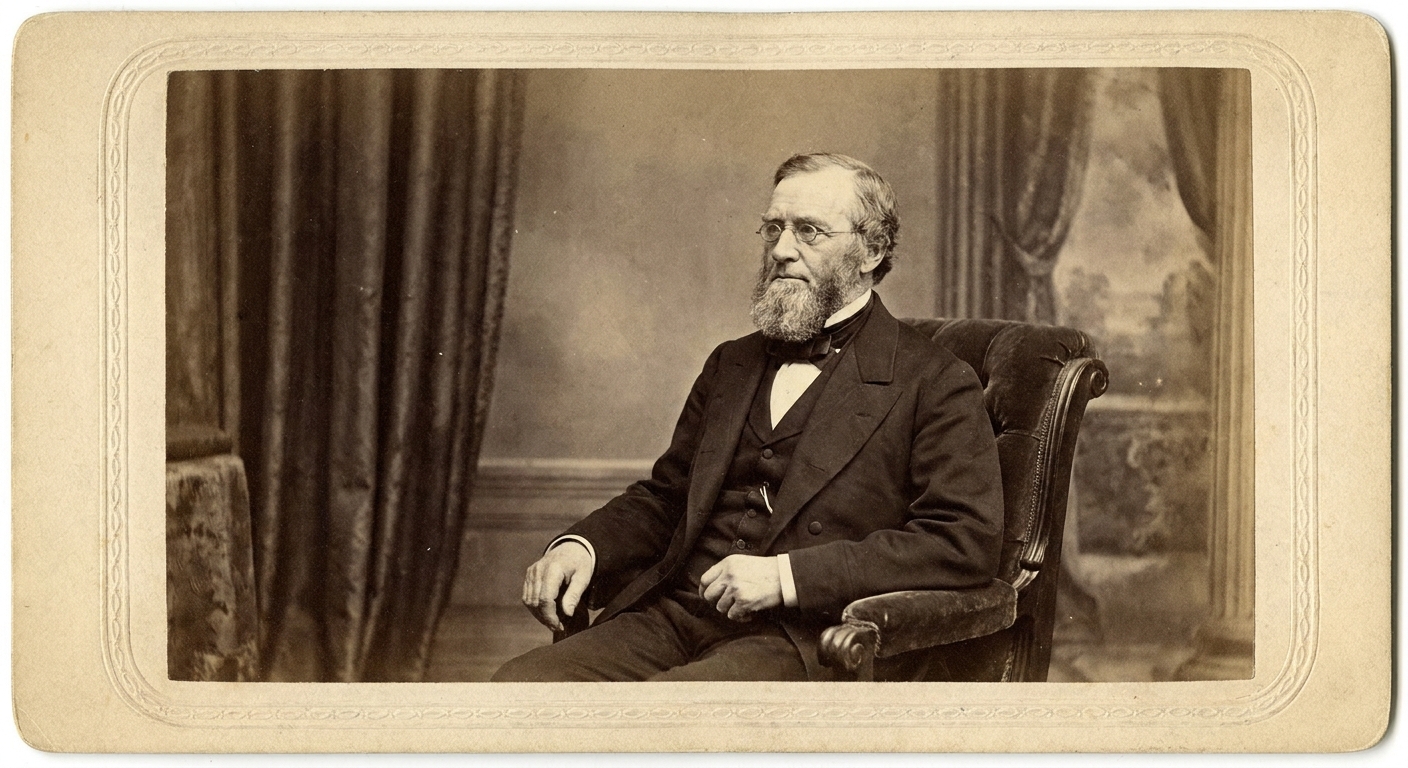
William Chatterton Dix
William Chatterton Dix (1837 to 1898) was an English writer and editor who also wrote hymns. In 1865, he wrote a series of Christmas poems. He is often said to have done so after a severe illness and a long, discouraging recovery, though the story is usually told through later biographical retellings rather than something like a tidy diary entry you can quote in a footnote. Even with that uncertainty, the tradition is consistent about the basic arc: the poems came out of a hard season, not an easy one.
The text we now know as “What Child Is This?” began as a poem titled “The Manger Throne.” Even the title tells you what Dix was doing: not simply describing the nativity scene, but interpreting it. His lines move like a guided meditation through the Gospel story, asking the reader to look again at a familiar image and notice its paradoxes.
What the lyrics are doing
If you have only ever sung the first verse, it can surprise you how direct the full text is. Dix’s poem unfolds as a set of questions and answers.
- Verse 1 lingers on the baby in Mary’s lap, while angels and shepherds respond. The questions are almost whispered: who is this, and why is he here?
- Verse 2 turns to the scandal of vulnerability: “Why lies He in such mean estate…?” It confronts the fact that, in Christian theology, the Holy One arrives without insulation.
- Verse 3 becomes a response of devotion: “So bring Him incense, gold, and myrrh…” The gifts echo the Magi, but the invitation widens outward to “peasant, king” alike.
In the form most of us sing, the questions are gathered up by the refrain: “This, this is Christ the King.” It is a simple line, almost childlike in its directness, and that is part of its force. Wonder does not stay abstract. It arrives at a name.
Dix’s language is richly biblical, but it is also emotionally transparent. He is not writing from a lofty distance. He is writing as someone who has known frailty, and who is trying to understand what it means for God to enter frailty too.
Poem meets “Greensleeves”
Dix wrote “The Manger Throne” as a poem, not as a carol attached to a specific melody. The marriage to “Greensleeves” came later, through the common hymn practice of fitting a text to an existing tune that matched its meter.
In hymn tradition, words and melodies often travel on separate roads. Sometimes they meet because a publisher or editor notices a fit that feels inevitable once you hear it.
One of the most influential print engines for that kind of “meeting” was Christmas Carols, New and Old, edited by Henry Ramsden Bramley and John Stainer. The first series appeared in 1871, with later expanded series following in subsequent years. Across those editions, the collection helped standardize what people sang and how they sang it, and it played a major role in carrying Dix’s text, often with the “Greensleeves” tune, into broader public and church use.
A later, very visible milestone is The English Hymnal (1906), edited by Percy Dearmer with music edited by Ralph Vaughan Williams, a book that helped shape a great deal of what English-speaking churches came to recognize as “standard” carol repertoire. It was not the only route by which the pairing spread, but it is an unmistakable landmark in print.
Why the tune fits
The “Greensleeves” melody carries a blend of tenderness and ache. It is memorable but not triumphant. It does not rush. That restraint gives Dix’s questions room to breathe, which matters because the lyric is not mere ornament. It is inquiry.
When you sing “What Child is this who, laid to rest…,” the tune almost insists that you slow down and look. The cadence gives you time to feel the wonder and the weight of what the words are claiming.
On a practical level, the fit is also structural. The tune is commonly described in hymnals as 8.6.8.6 with a refrain. You do not need to count syllables to sense it. Your ear feels the balance, and that balance helps a congregation settle in together.
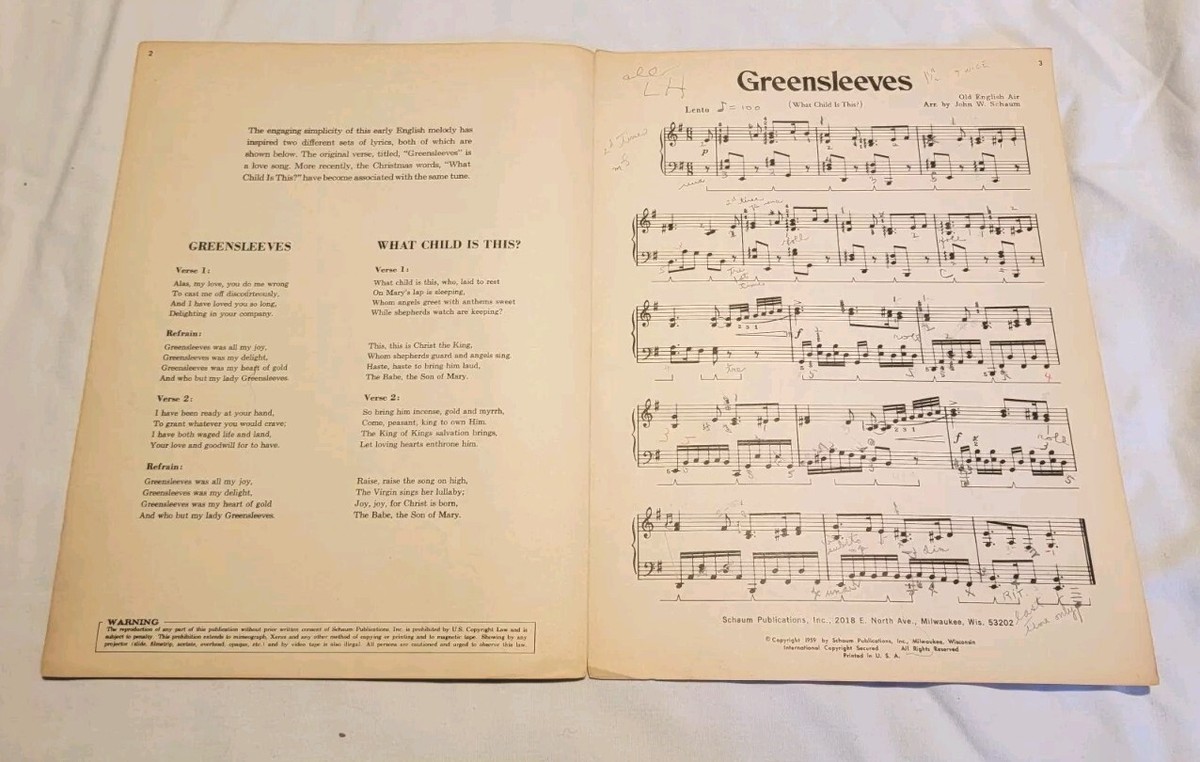
About “Greensleeves”
“Greensleeves” is widely described as a traditional English folk song, and that is true in the sense that its roots are older than the carol and not tied to a single clear modern author. But it also comes with a cloud of romantic myth.
Henry VIII and the myth
You may have heard that King Henry VIII wrote “Greensleeves” for Anne Boleyn. It is a great story, and it refuses to die. But most music historians treat it as unlikely. The tune’s stylistic features are more consistent with later 16th-century musical conventions than with Henry’s lifetime.
In other words, the legend persists because it is memorable, not because the evidence is strong.
Early print trail
What we can say with more confidence is that the song is documented in England by the late 16th century. A commonly cited early footprint is an entry in the Stationers’ Register from 1580 for a ballad often given as “A Newe Northen Dittye of ye Ladye Greene Sleves.” The spelling varies in modern retellings, but the point holds: “Greensleeves” was already circulating as a recognizable song. From there, the tune shows up again and again in arrangements and references, the kind of re-use that signals a melody has entered public memory.
From secular to sacred
It is also worth naming plainly: “Greensleeves” began its life as a secular song, often read as a love lament. That shift from secular to sacred can sound strange to modern ears, but it has precedent in carol history. Communities have long taken familiar melodies and carried them into new words that mean something else entirely.
In this case, the emotional character of the tune, yearning and intimate, becomes an unexpected vessel for incarnation theology. The carol does not feel like a lecture. It feels like longing answered.
Tune names
In hymnals and choral arrangements, the tune for “What Child Is This?” is most often listed simply as “Greensleeves.”
You may also run across “Kingsfold” in the same musical neighborhood, but it is not just another name for “Greensleeves.” “Kingsfold” is a different tune, used for other hymn texts. It gets mentioned alongside “Greensleeves” from time to time because both live in a similar folk-hymn orbit and share a certain kind of modal, processional feel.
The important point is simple: “What Child Is This?” borrows an older tune that already had deep cultural roots in England. This is one reason the song can feel like it comes from somewhere before. Even if you do not know the history, your ear recognizes that you are hearing something time-tested.
In America
“What Child Is This?” traveled to America the way many carols did: through hymnals, church choirs, and home music-making. As English carols were published more widely in the United States in the late 19th and early 20th centuries, the pairing of Dix’s text with “Greensleeves” became increasingly consistent, making it easier for congregations and choirs to adopt.
Print made it stick
A song spreads faster when there is agreement on what melody everyone is supposed to be singing. Once the text and tune were consistently printed together in widely used carol books and hymnals, you could move from one church to another, or one school to another, and still be inside the same musical tradition.
Choirs, schools, and the season
In America, Christmas music increasingly moved beyond strictly church settings. School pageants, community carol sings, and later radio and recordings created a shared seasonal repertoire. “What Child Is This?” fit that repertoire well because it carried both familiarity and a sense of hush. It worked in a sanctuary, but it also worked in a living room.
Why it lasted
Some carols endure because they are simple. Others endure because they are joyful. This one endures because it is honest. It asks a real question and then answers it in the language of worship. The tune supports that honesty. It is beautiful, but it is not saccharine. It makes space for reverence.
A closer listen
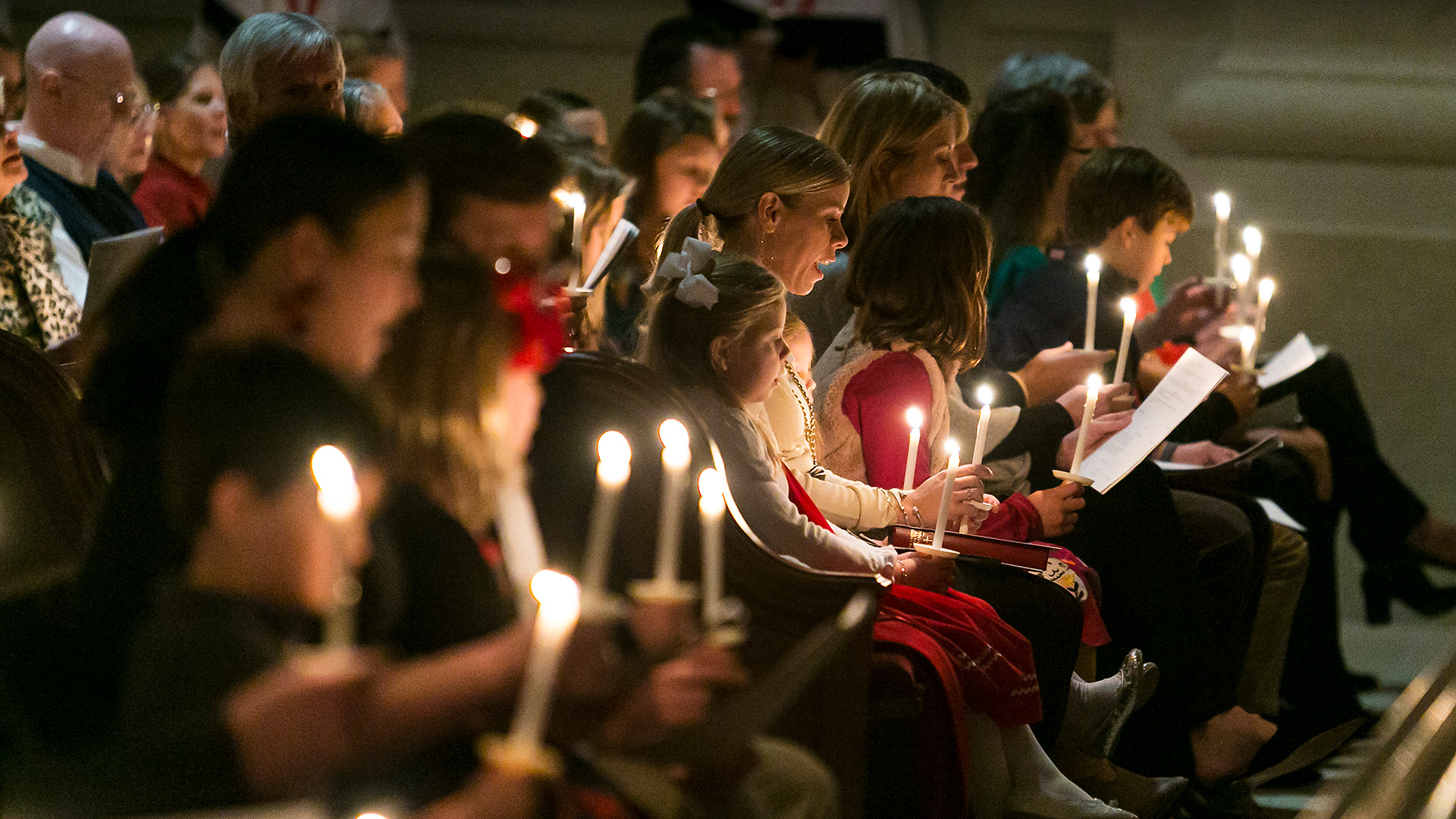
Because my work lives at the intersection of traditions, I pay attention to what a song does to a room. “What Child Is This?” consistently shifts the emotional temperature. People lower their voices. Children who were fidgeting often go still. Even those who do not know the theology sense that the song is inviting attention.
That invitation is not only about the manger scene. It is about the practice of contemplation itself. The lyric teaches us to look, to question, to name what we see, and then to respond with what we have.
In a season that can become noisy, “What Child Is This?” keeps returning us to the center: a child, a question, and the possibility that the divine arrives without fanfare.
FAQ
Who wrote “What Child Is This?”
The text was written by William Chatterton Dix in 1865, originally as a poem titled “The Manger Throne.”
Is the melody really “Greensleeves”?
Yes. The carol is most commonly sung to the traditional English melody known as “Greensleeves.”
Did Henry VIII write “Greensleeves”?
It is a popular legend, but it is generally considered unlikely by music historians. The tune’s style fits better with later 16th-century musical developments than Henry VIII’s era.
What is an early printed reference to “Greensleeves”?
A frequently cited early reference is a 1580 entry in the Stationers’ Register for a ballad often given as “A Newe Northen Dittye of ye Ladye Greene Sleves,” which suggests the song was already known in England by that time. Spellings vary across retellings.
What helped popularize the pairing?
Christmas Carols, New and Old, edited by Henry Ramsden Bramley and John Stainer, first appeared in 1871 and expanded in later series. As the collection grew and circulated, it helped standardize carols in print, including the now-familiar association of Dix’s text with the “Greensleeves” tune.
Did The English Hymnal (1906) create the pairing?
It helped make many carol-and-tune pairings more visible and consistent in print. The pairing of Dix’s text with “Greensleeves” appears there early in the 20th century, but it was also part of a broader hymn and carol publishing tradition, so it is better to think of the book as a landmark rather than a single origin point.
Is “Kingsfold” another name for “Greensleeves”?
No. “Greensleeves” is the usual tune name attached to “What Child Is This?” “Kingsfold” is a different tune you may see used for other hymns.
Why pair a sacred text with a secular tune?
Historically, it is common for hymns and carols to adopt well-known melodies that match the meter of a text. Over time, the meaning of the tune becomes shaped by the words people most often sing with it.
When did Americans start singing it?
The carol spread through printed hymnals and carol collections and became part of the broader American Christmas repertoire through church choirs, schools, and later recordings. Exact “first” dates vary by region and publication, but its popularity grew strongly as carol singing became more standardized and widespread in the late 19th and early 20th centuries.