Some Christmas carols arrive with a birth certificate. A composer, a date, a parish record, a clear paper trail. “The First Noel” is not one of those.
It feels ancient and familiar, as if it has always been humming along the edges of winter. But when we go looking for its origin, we find something more intimate and more human: an anonymous English song, likely carried by ordinary voices before it was ever fixed on a printed page.
What we know
“The First Noel” is an English Christmas carol with an anonymous origin. No surviving evidence has been found that reliably identifies who wrote the words, who set the melody, or precisely when it was first sung.
What we can document is this: the carol appears in influential nineteenth-century collections that helped standardize how it is sung today. Those publications do not solve the mystery of authorship, but they do mark the moment when a local, living song began to become a national one.
Oral tradition
Before “The First Noel” belonged to hymnals and choirs, it likely belonged to kitchens, chapels, and winter streets.
That matters because folk and carol traditions are not built like modern songwriting. Melodies shift as they travel. Verses expand, contract, and reorder. A singer forgets a line and replaces it. A community repeats the parts it loves and quietly drops the parts it does not. Over time, you end up with something that feels stable and old, even if it has changed many times.
“The First Noel” carries several fingerprints of that process:
- Incremental storytelling that moves scene by scene: shepherds, angels, Bethlehem, wise men.
- A repeated refrain that is easy to remember and easy for a whole room to join.
- Flexible verses, which is why different hymnals sometimes include different sets or orders.
West Country roots
What the record shows
Many sources describe “The First Noel” as traditional and connected to Cornwall or England’s West Country more broadly. The earliest print framing, however, tends to speak of the “West of England,” which includes Cornwall and neighboring counties. In other words, the best-documented association is regional rather than tied to one specific Cornish origin story.
What people infer
When writers describe “The First Noel” as Cornish, they are usually doing something understandable but still inferential: connecting the carol to where it was collected and popularized, not where it was definitively born. The West Country had a rich and distinctive carol culture, including village ensembles and seasonal singing traditions that preserved older material long after urban centers moved on to newer fashions.
So, it is fair to say the carol has likely West Country roots or, at minimum, a strong West Country association. It is not fair to claim we have proof that a specific Cornish village first sang it, or that it was composed by a named individual from that region. We simply do not have that kind of evidence.
In print
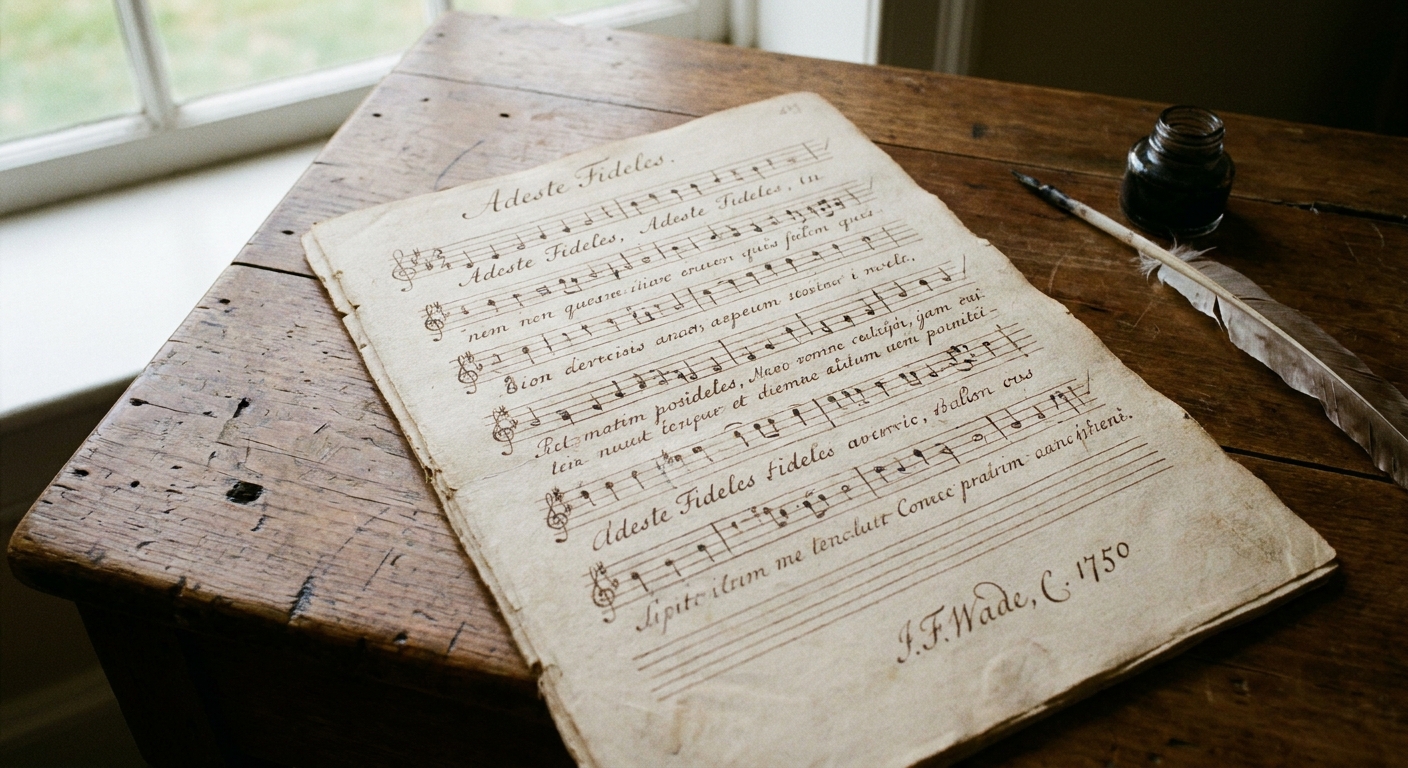
A clearer trail appears when we look at print history. It does not tell us who first created the carol, but it does show when editors began to fix a particular version on the page.
1823: Davies Gilbert
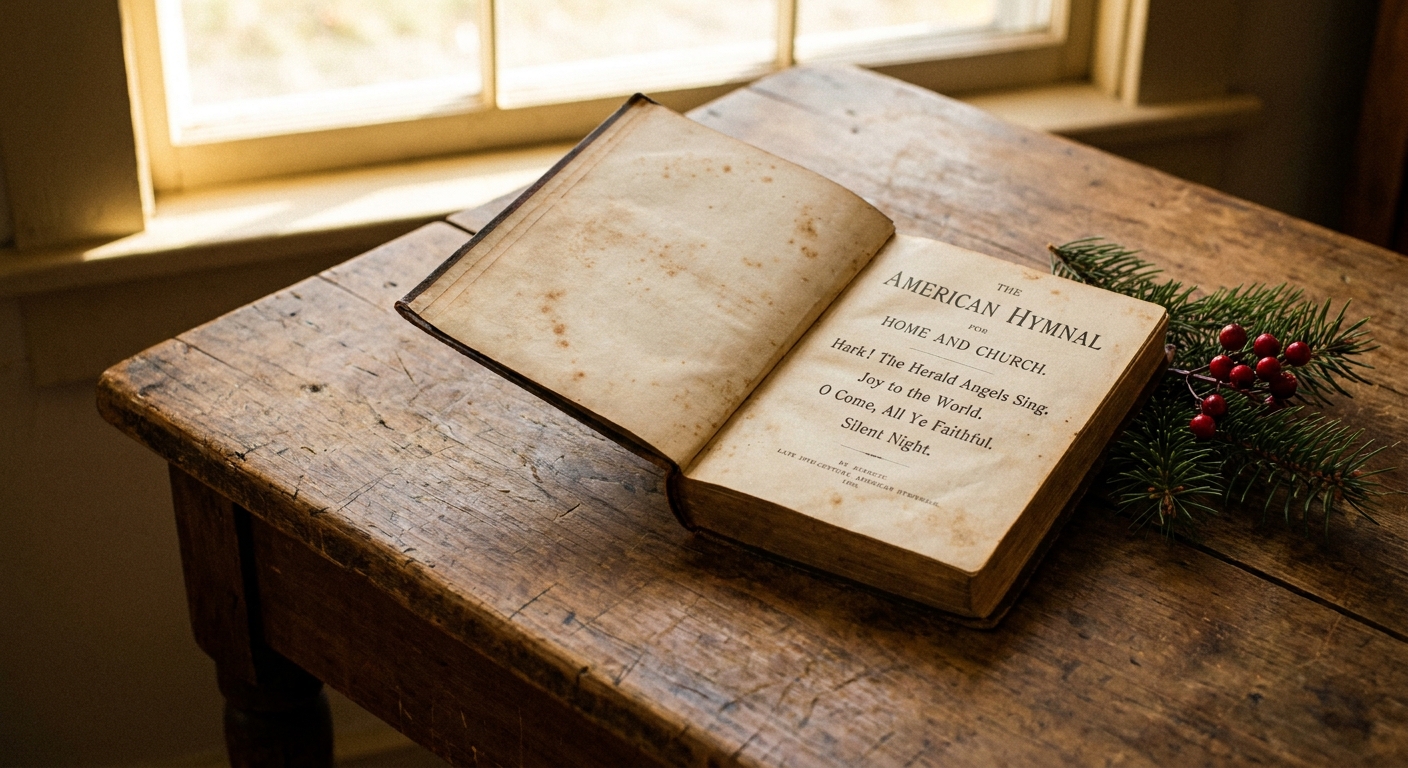
One of the most-cited early appearances is in 1823, in a collection published under the name of Davies Gilbert titled Some Ancient Christmas Carols, with the Tunes to which they are Sung in the West of England. It is often cited as an early print source for the carol (sometimes appearing under the spelling “Nowell”).
1833: William Sandys
A decade later, “The First Noel” appears again in an influential 1833 collection: Christmas Carols Ancient and Modern, edited by William Sandys (the first series). Sandys’ work helped shape the Victorian revival of interest in older carols, which in turn influenced what later generations came to think of as “classic” Christmas music.
These printings did more than preserve the carol. They nudged it toward standardization. Once something is printed and reprinted, communities, hymnals, and later recordings often begin to converge on that version, even if earlier local forms varied.
Nowell vs. Noel
If you have seen the title written as “The First Nowell,” you have not stumbled onto a different carol. You have stumbled onto history.
“Nowell” is an older English spelling that shows up in early sources. Over time, the spelling “Noel” became the more common modern form, especially in hymnals and popular recordings. The carol’s text and title reflect that long journey from regional tradition to standardized print.
What “Noel” means
“Noel” is a Christmas word that carries the feel of candlelight and evergreen, but its meaning is simple at heart.
In English carols, “Noel” generally means “Christmas” or “the Christmas season,” and it can also function as a celebratory cry, something like “Joy!” or “Let us celebrate!” depending on context.
The term comes into English through French usage, connected to ideas of birth and nativity. When the refrain sings “Noel, Noel,” it is not naming a person. It is proclaiming the feast, the story, and the gladness of it.
Why shepherds come first
The opening verse is among the most beloved:
The first Noel the angel did say
Was to certain poor shepherds in fields as they lay…
That first scene matters theologically and emotionally. In Luke’s Gospel, the announcement arrives not at a palace but in fields, not to the powerful but to working people keeping watch through the night.
In retreats I have led over the years, this detail often lands with surprising force. Many of us carry a quiet fear that we are too ordinary for holy attention. The shepherds’ story gently argues the opposite. If anything, the ordinary is where the message begins.
Documented vs. assumed
Documented
- The carol is English and anonymous.
- It appears in print in 1823 (Davies Gilbert’s Some Ancient Christmas Carols, with the Tunes to which they are Sung in the West of England) and again in 1833 (William Sandys’ Christmas Carols Ancient and Modern, first series).
- “Noel” is a term associated with Christmas and the Nativity, entering English through French usage. Older sources may use the spelling “Nowell.”
Reasonable, but not provable
- That the carol originated specifically in Cornwall, as opposed to being collected in the wider West of England.
- That the carol was widely sung in exactly its current form before it was printed.
- That there was a single original “author” in the modern sense, rather than a song shaped by many voices over time.
What to listen for
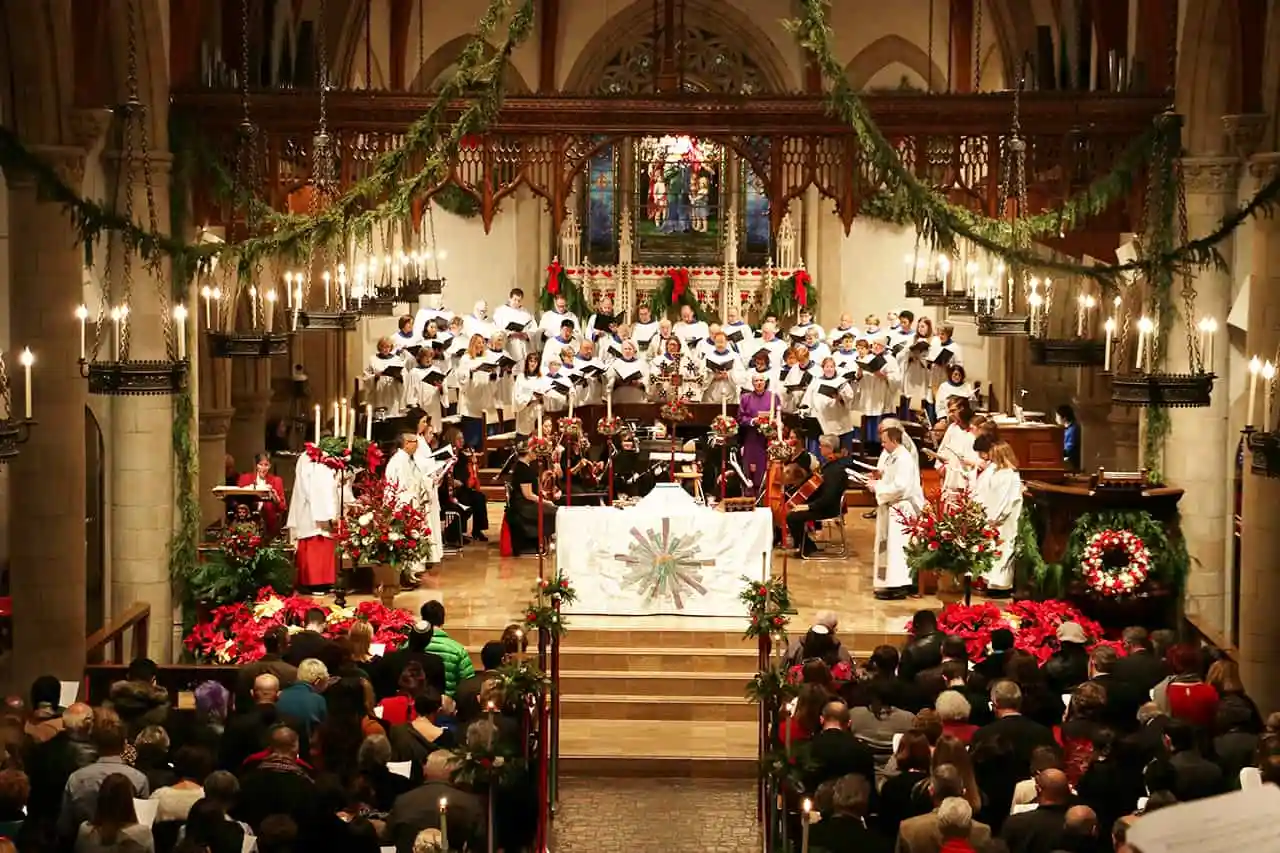
One of the gifts of knowing a little history is that it changes how we listen. The next time “The First Noel” comes on in a candlelit service or drifts through a grocery store speaker, you might notice a few things:
- Its folk simplicity, sturdy enough to survive generations of imperfect memory.
- Its wide embrace, moving from shepherds to wise men, from local fields to a cosmic sign.
- Its anonymity, which can feel like a loss until you realize it is also a kind of blessing. The carol belongs to everyone.
That is, perhaps, the quiet miracle behind “The First Noel.” Not that we can name the person who wrote it, but that we can still sing it together, and mean it, all these winters later.
Quick questions
Catholic or Protestant?
It is best understood as a broadly English Christian carol that moved through common tradition and later Victorian-era collections. Today it is sung across denominations.
Is it older than the 1800s?
Very possibly, but we cannot prove how much older. The documented evidence anchors it in early nineteenth-century publications, while its style suggests it was likely sung earlier in oral tradition.
Why do the verses vary?
Because the carol traveled by voice before it was standardized in print. Different communities and hymnals preserve different verse selections and orders.