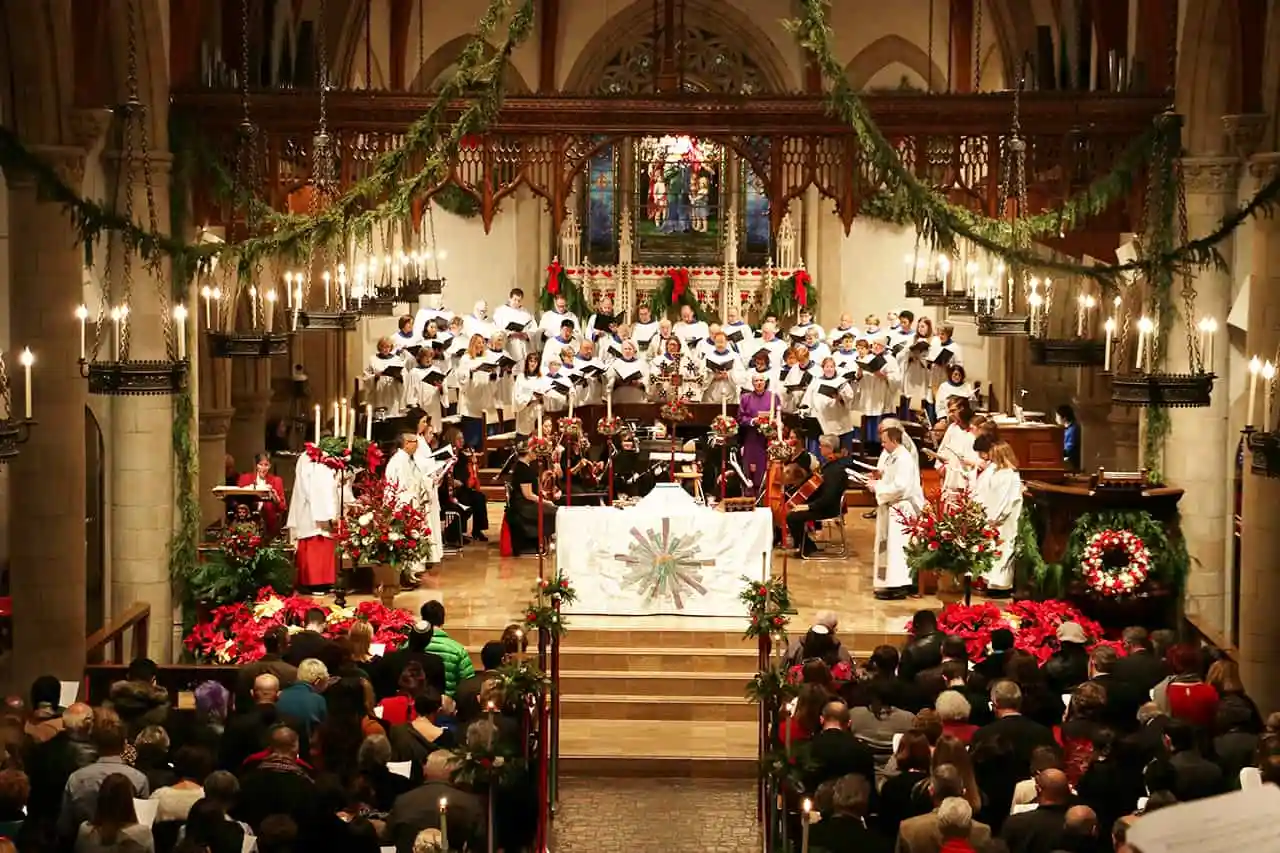
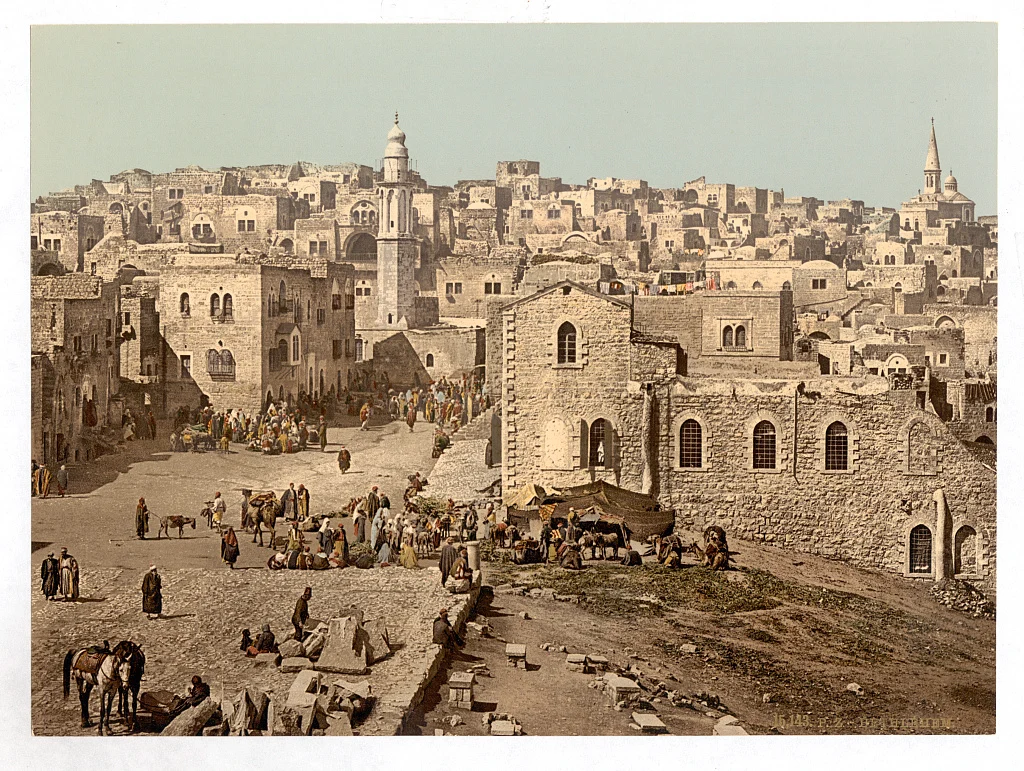
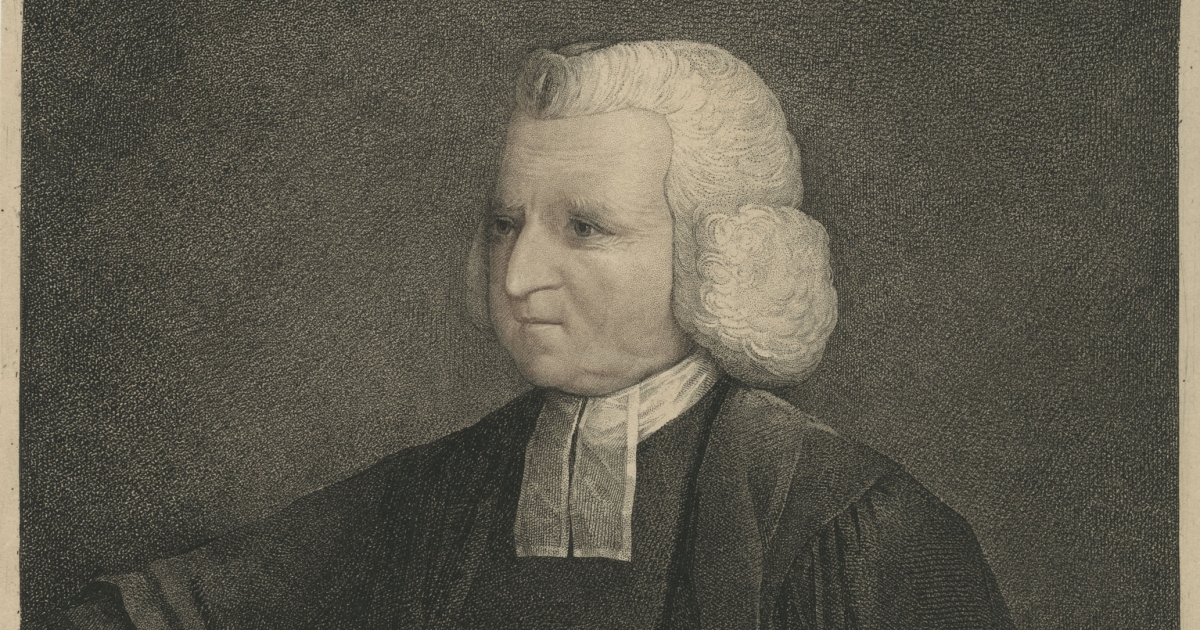
Some carols feel like they were born inside a sanctuary, safe from the world’s noise. “It Came Upon the Midnight Clear” is not one of them. Its beauty is real, but it is a beauty that looks straight at human conflict, exhaustion, and sorrow and still insists on singing.
I first noticed that ache one December when I was leading a small interfaith retreat. A few of us gathered after dinner, the kind of hour when the day’s chatter quiets and everyone’s old griefs show up more clearly. Someone began the familiar opening line, and when we reached the verse about “man, at war with man,” the room shifted. The words were not decorative. They were a prayer spoken into history, not above it.
This is the story behind that carol: why an American Unitarian minister wrote it in 1849, and how its message of peace traveled across the Atlantic, eventually being sung to two different melodies, one American and one British.
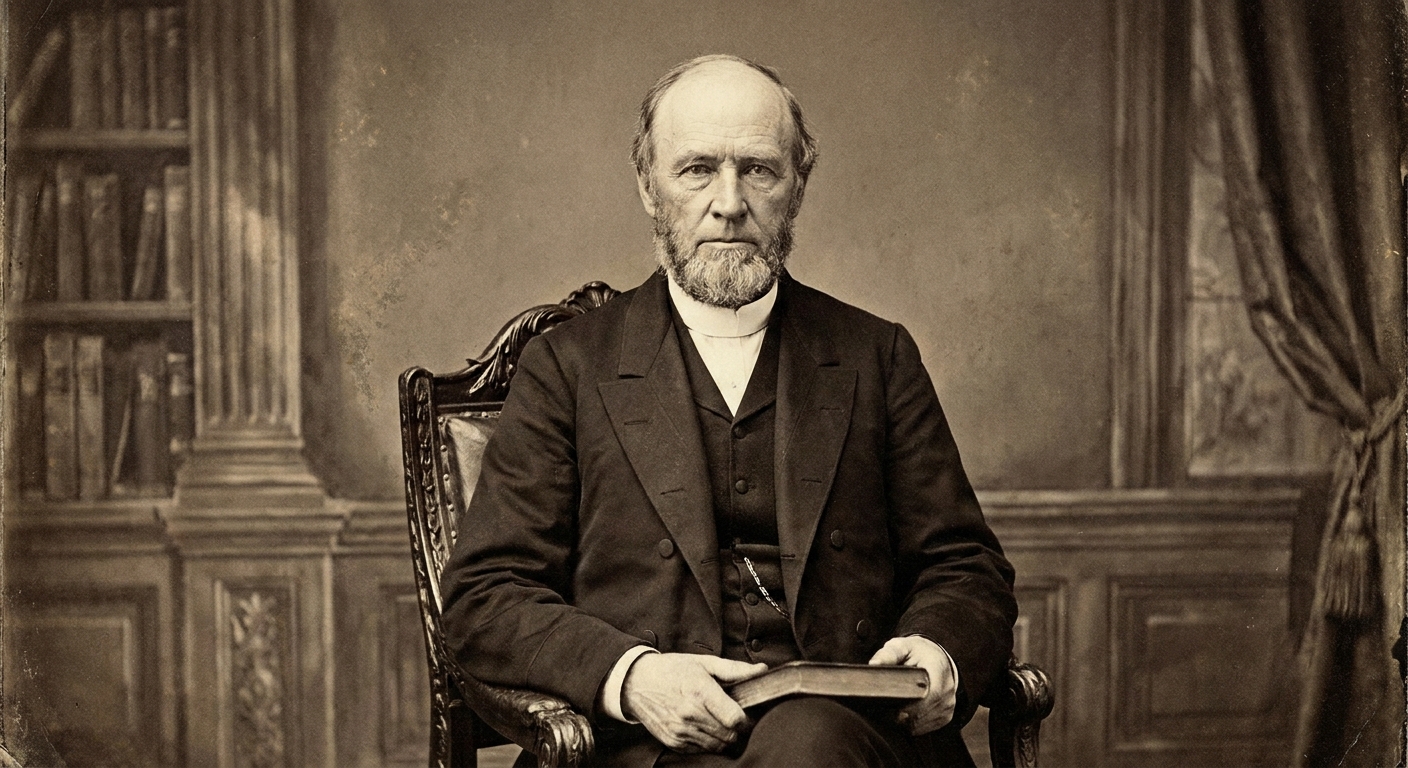
Edmund Sears and 1849
Edmund Hamilton Sears (1810 to 1876) was a Massachusetts-born minister best known today for this single carol, though his life was much broader than a footnote in a hymnal. He served Unitarian congregations, preached in a tradition that valued reason as well as devotion, and wrestled openly with the moral and spiritual crises of his time.
He wrote “It Came Upon the Midnight Clear” in 1849, and that date matters. The mid-19th century was not an era of sentimental calm. The United States was living with the aftershocks of the Mexican-American War (1846 to 1848), and arguments over slavery and national identity were sharpening toward what would later become the Civil War. Across Europe, the revolutionary upheavals of 1848 had left both hope and disillusionment in their wake.
When people call this a “peace carol,” they sometimes mean it in a soft way, as if peace were simply a seasonal mood. Sears meant peace in a harder way: peace as a moral demand in a violent world.
Why the lyrics feel urgent
The carol begins in wonder. The “midnight clear” evokes the angelic announcement to shepherds, and the early lines keep us close to that luminous moment. But Sears does not let the listener stay in that manger glow for long. He pivots, bringing the song down into the grit of human history.
“The world in solemn stillness lay”
There is an honesty to Sears’s language that feels almost modern. He does not pretend that a holy night automatically cancels suffering. Instead, he suggests something subtler: that the angel song continues, hovering over the earth like a refrain we keep failing to hear.
One of the carol’s most striking ideas is that humanity is tired. Not merely busy, not merely distracted, but spiritually worn down. Sears writes of “toils” and of bending low under “life’s crushing load.” You can hear a pastor’s compassion in that line, someone who has listened to people and knows that sorrow makes a person stoop.
“Man, at war with man”
Then comes the famous indictment: “man, at war with man.” Sears is not describing an abstract problem. He is naming the human habit of turning neighbors into enemies and calling it necessary.
In my own life, that line has returned in years when the news felt like a daily lesson in suspicion. It is uncomfortable to sing because it asks us to be accountable. The angels’ message of “peace on the earth, goodwill to men” becomes, in Sears’s hands, a kind of mirror: if peace was announced, why are we still so devoted to conflict? (Different hymnals and translations sometimes render that last phrase in more inclusive language, but the ache of the line remains.)
“O hush the noise, ye men of strife, and hear the angels sing.”
That is not a cozy request. It is a hand on the shoulder and a call to stop, listen, and change.
Was it tied to a war?
People often ask whether Sears wrote the carol directly in response to one named conflict. The simplest honest answer is that the whole atmosphere of the era was marked by war, political unrest, and moral fracture. The Mexican-American War had just ended. Debates over slavery were escalating. Revolutionary movements in Europe had stirred the imagination and then, in many places, collapsed into repression.
So even if we cannot reduce the carol to a single headline, we can say this: it reads like a pastor’s insistence that the angels’ song belongs in the middle of strain, not after it has passed. The carol is peace-bearing precisely because it acknowledges what peace is up against.
The theology in the poetry
Sears was a Unitarian minister, and his tradition often emphasized the ethical implications of faith. In this carol, that ethical focus comes through clearly. The angels are not only messengers of a miracle, they are messengers of a way of living.
The carol holds two realities at once:
- The heavenly song is constant. It continues to “float” above the world, like a mercy that does not give up.
- Human ears are often closed. War, pride, and exhaustion drown out what is most true.
This is why the hymn can speak across denominational lines. Even for people who do not approach Christmas through Christian doctrine, Sears’s central longing is recognizable: a world where compassion is stronger than our appetite for winning.
How the words found tunes
One surprising thing about “It Came Upon the Midnight Clear” is that many of us assume the tune we learned is the tune Sears intended. In reality, the text became paired with more than one melody, and the pairing often depends on where you grew up, which hymnal formed you, and what your church or choir has long preferred.
Two tunes are especially associated with the carol:
- “Carol”, composed by American musician Richard Storrs Willis
- “Noel”, adapted by English composer Arthur Sullivan
Willis and “Carol”
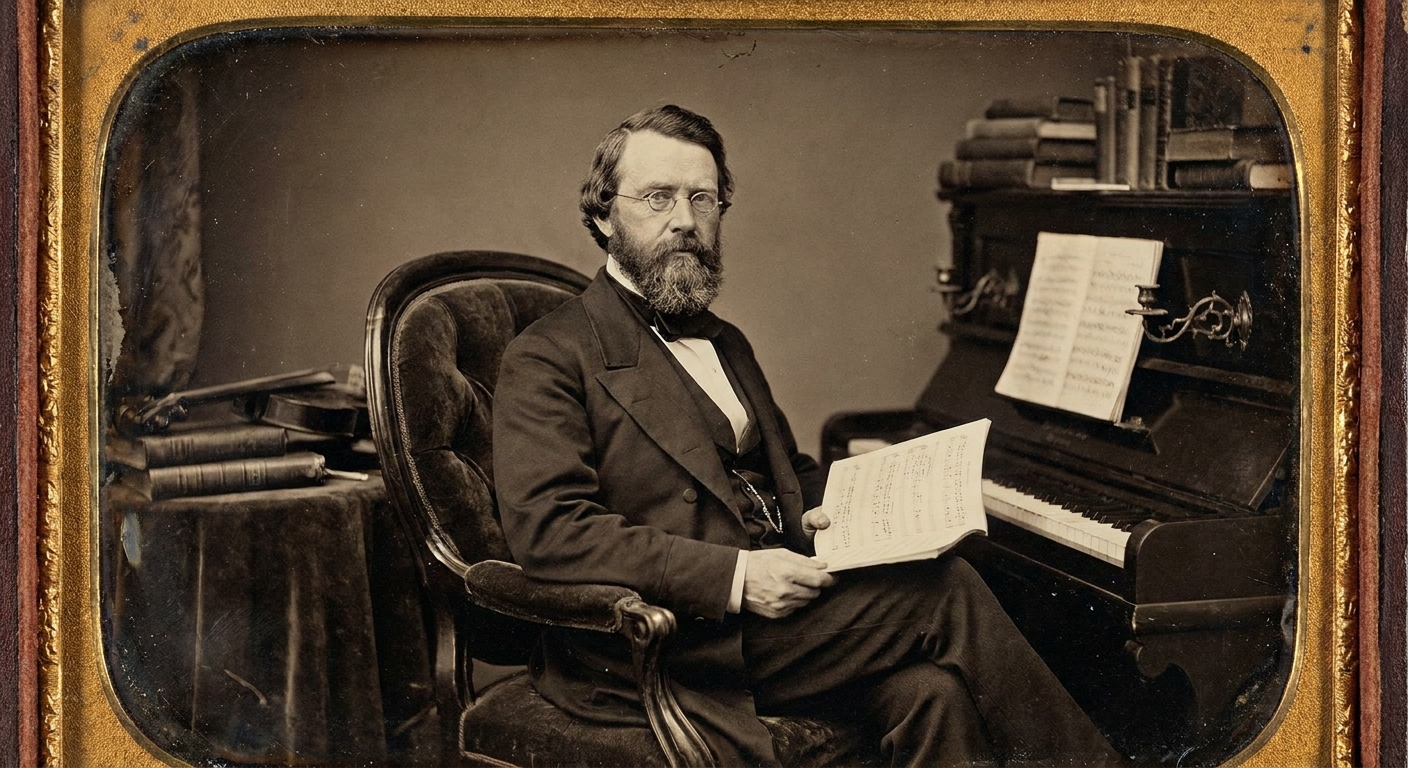
In the United States, the melody many people instinctively hear behind Sears’s words is the tune called “Carol”, composed by American musician Richard Storrs Willis (1819 to 1900) in 1850.
“Carol” has a plainspoken strength to it. It moves with a kind of steady clarity that makes the text feel close to the ground, as if the angels are singing over ordinary lives and not above them. In many American hymnals, this is a common setting, the one that makes the carol feel less like a performance and more like a communal confession: we are weary, we are divided, and we are still being invited into peace.
Sullivan and “Noel”
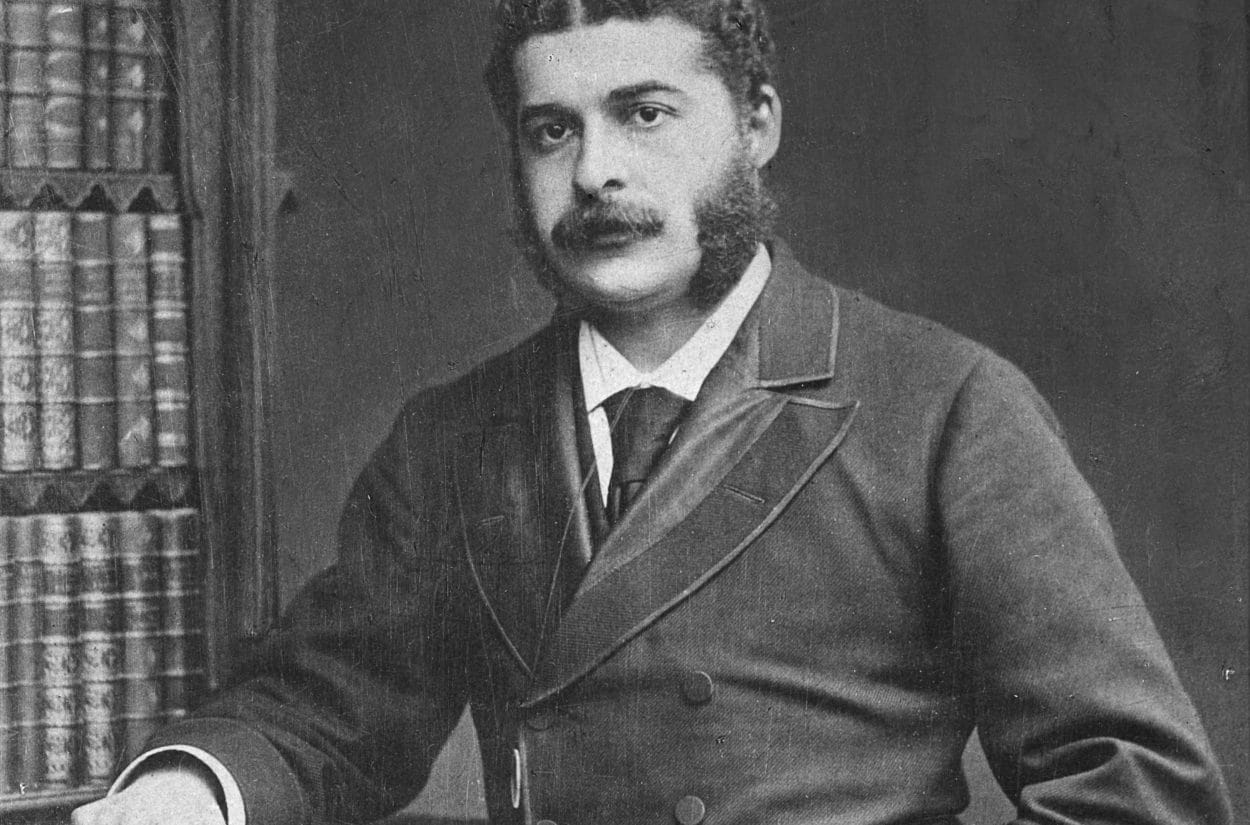
Across the Atlantic, the carol is often sung to a different setting: “Noel”, adapted by the English composer Arthur Sullivan (1842 to 1900) in 1874. If Willis’s “Carol” tends to be familiar in many American contexts, Sullivan’s “Noel” is strongly associated with the United Kingdom and with British hymnody, though both tunes travel more than people expect.
Sullivan, known widely for his later comic operas with W. S. Gilbert, also wrote a substantial amount of sacred music. His work as a melodist shows here. “Noel” can feel more expansive and lyrical, giving the lines a lift that makes the carol sound like a public appeal, not only a private solace.
It is worth pausing on the quiet wisdom of this: a carol about peace found more than one musical home. That is part of how living traditions work. Words travel. Communities adopt them. Melodies wrap around them like familiar hands.
Why it matters now
Every era has its own version of “men of strife.” Sometimes that strife is literal war. Sometimes it is cultural contempt, family division, or the slower violence of dehumanizing speech. Sears’s carol does not pretend we can fix any of that with one night of singing.
Instead, it offers something both humbling and bracing: the invitation to listen again.
The angels sing of peace, and Sears asks us to do the hard spiritual work of making room for that song in the middle of everything that competes with it. Not as denial. Not as escapism. As resistance.
A small practice
If you sing this carol this season, try this small practice, especially on the line “O hush the noise, ye men of strife”:
- Before you sing, name one place in your life where conflict has gotten loud.
- As you sing, imagine the “midnight clear” not as an old sky long ago, but as a clarity available to you now.
- After you sing, choose one concrete act of goodwill you can do within 24 hours.
Peace, in Sears’s vision, is not vague. It is audible. It is actionable. It is meant to be lived.
Frequently asked questions
Who wrote “It Came Upon the Midnight Clear”?
The lyrics were written by American Unitarian minister Edmund Hamilton Sears in 1849.
What is the message of “It Came Upon the Midnight Clear”?
Its message is the angelic proclamation of peace, set against the real presence of human conflict, weariness, and social division. The carol calls listeners to hush strife and hear again the song of goodwill.
What tune is “It Came Upon the Midnight Clear” sung to?
It is commonly sung to more than one tune. In the United States, the text is often paired with “Carol”, composed by Richard Storrs Willis (1850). In the United Kingdom, it is often sung to “Noel”, adapted by Arthur Sullivan (1874). Which one you know usually depends on hymnal tradition, denomination, and region.
Is “It Came Upon the Midnight Clear” an American carol?
Yes. The text was written by an American author, Edmund Sears, though it quickly became part of a wider English-language Christmas tradition, including musical settings that took root on both sides of the Atlantic.