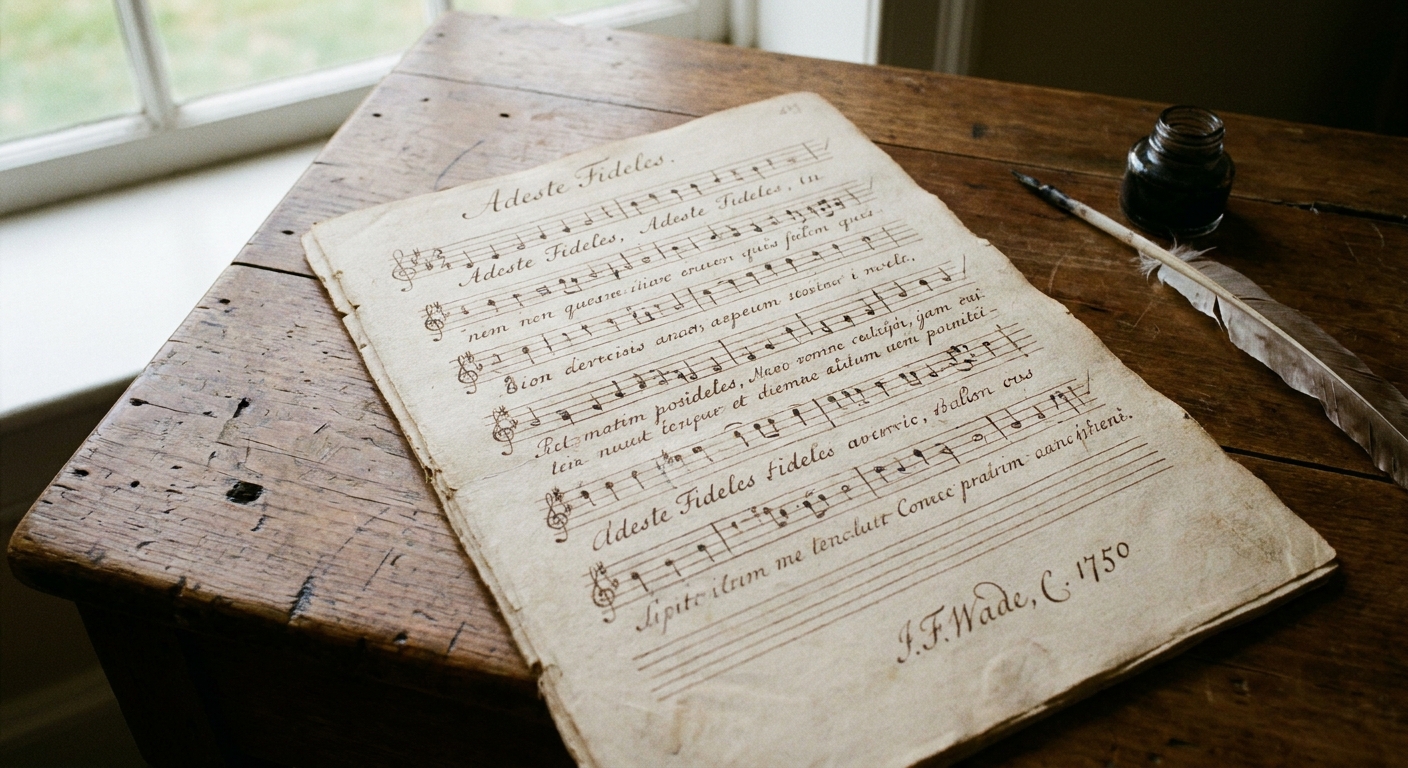
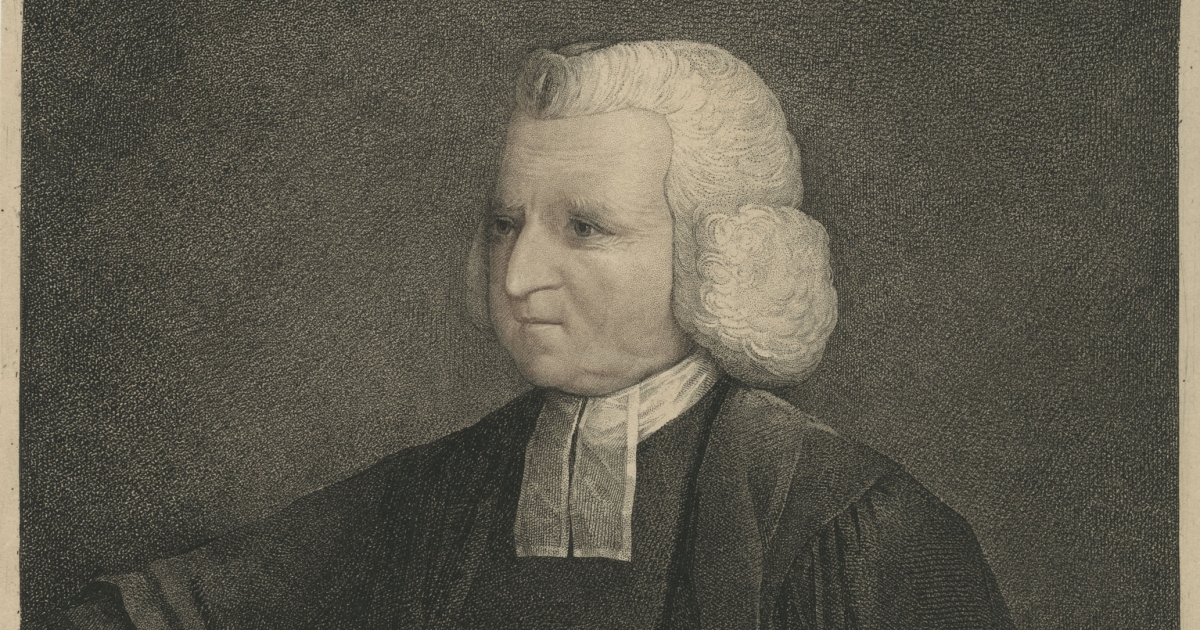
I grew up in a house where the music changed with the calendar. On ordinary Sundays, we sang sturdy, time-tested songs that felt like spiritual bread and butter. But in December, the same living room could turn into something else entirely: candles, neighbors dropping by, and songs that seemed to spill out into the street. Only later, after years of studying how religions carry meaning through sound, did I realize I had been living inside a quiet distinction: hymns and carols are cousins, but they are not the same.
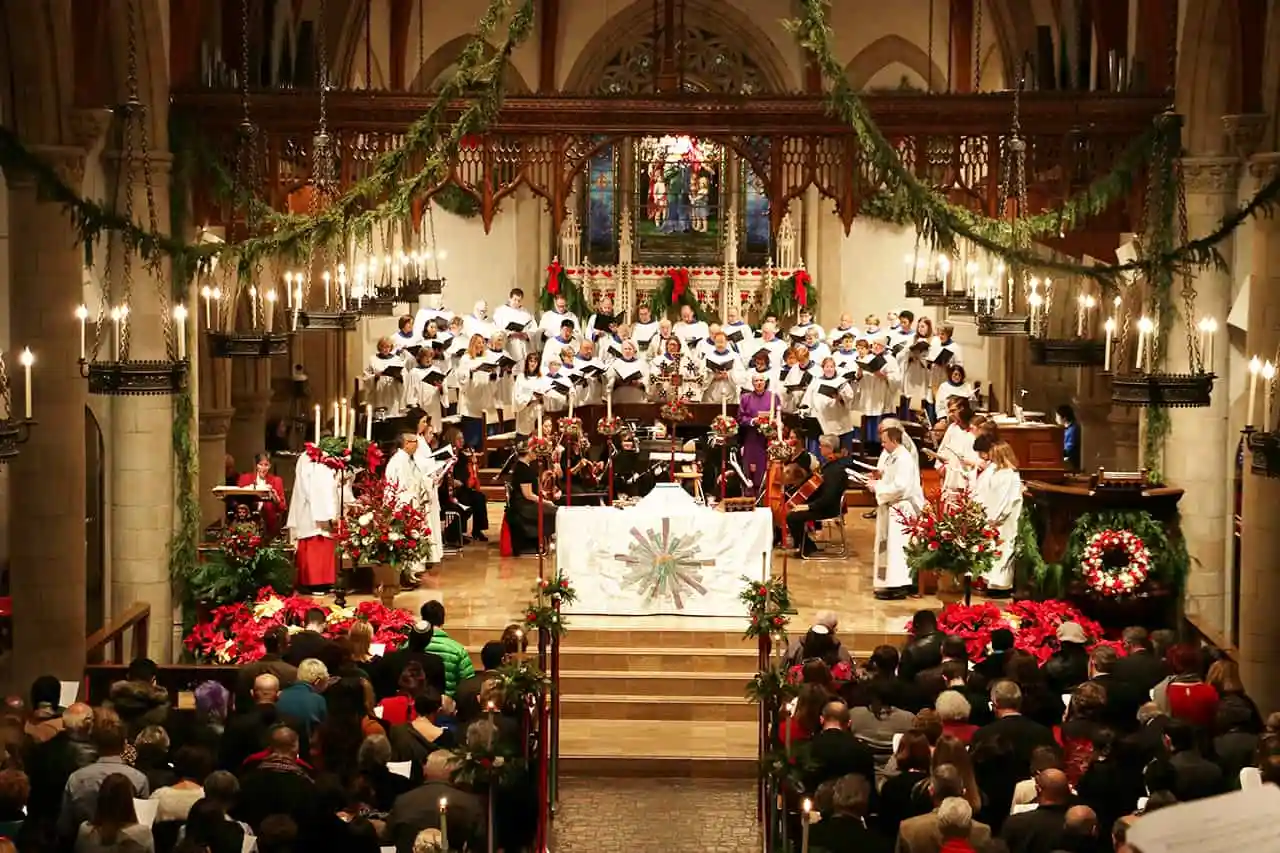
Both hymns and carols can be deeply devotional, and both can show up in worship. Still, they tend to differ in where they come from, what they are trying to do, and how they feel in the mouth when you sing them. If you have ever wondered why some songs feel at home in a hymnal year-round while others seem to belong to a season, you are already sensing the difference.
In plain terms: hymn and carol
If we keep it simple without flattening it too much, here is the heart of the distinction in modern English usage:
- A hymn is a song of praise or prayer intended for congregational worship, often used throughout the church year.
- A carol is a festive song tied to a particular season or holy day, and it can live both inside and outside formal worship.
Two important notes keep this honest. First, carols are not only for Christmas. There are Advent carols, Easter carols, and other festival songs, and historically the word “carol” pointed to joyful communal singing (sometimes even with dance), not one date on the calendar. Second, hymns can be seasonal too. Churches have Advent hymns, Lent hymns, and Easter hymns that show up like familiar friends at the right time each year.
So yes, there is overlap. Some seasonal songs function as worship. Some hymns wander out into the public square. But as categories, hymns lean toward liturgical and congregational, while carols lean toward festive and communal, often with a folk-like spirit.
Origin: where they come from
Hymns: shaped by worship life
Hymns typically grow up close to the worshiping community, shaped by the church’s ongoing spiritual practice. They are often written to express theology clearly: praise, confession, trust, lament, gratitude, devotion. Many are crafted with congregational singing in mind, meaning they are meant to be sung together, not merely performed.
They also tend to be preserved and passed on through hymnals, denominational collections, and worship planning traditions. That said, not every hymn starts “officially.” Some begin as revival songs, translations, or popular devotional music that later becomes part of a hymnal and, over time, part of a tradition’s shared voice.
Carols: shaped by seasons and community
Carols are often rooted in the life of the people as much as the life of the sanctuary. They can carry religious content, but they are frequently tied to the joy of a particular moment: a holy day, a winter gathering, a festival, a neighborhood singalong.
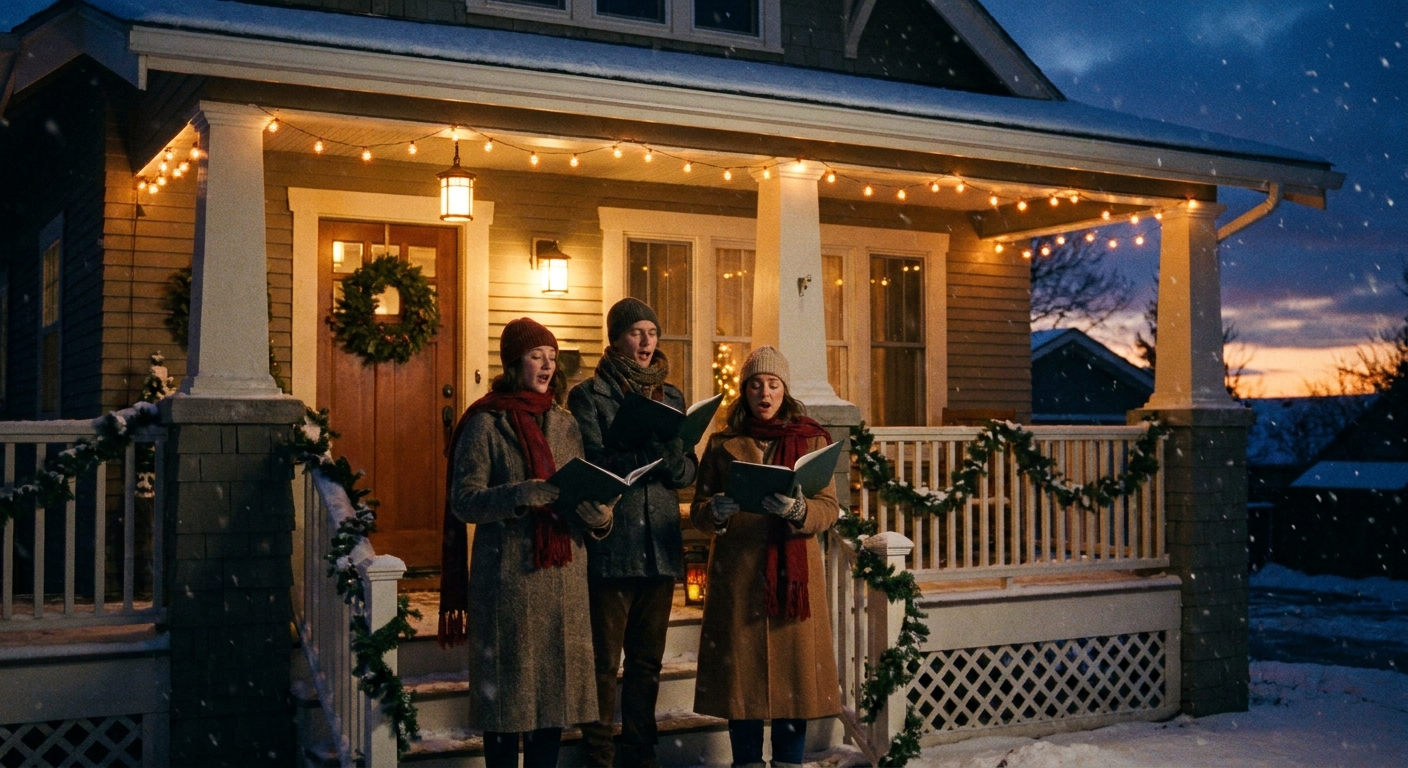
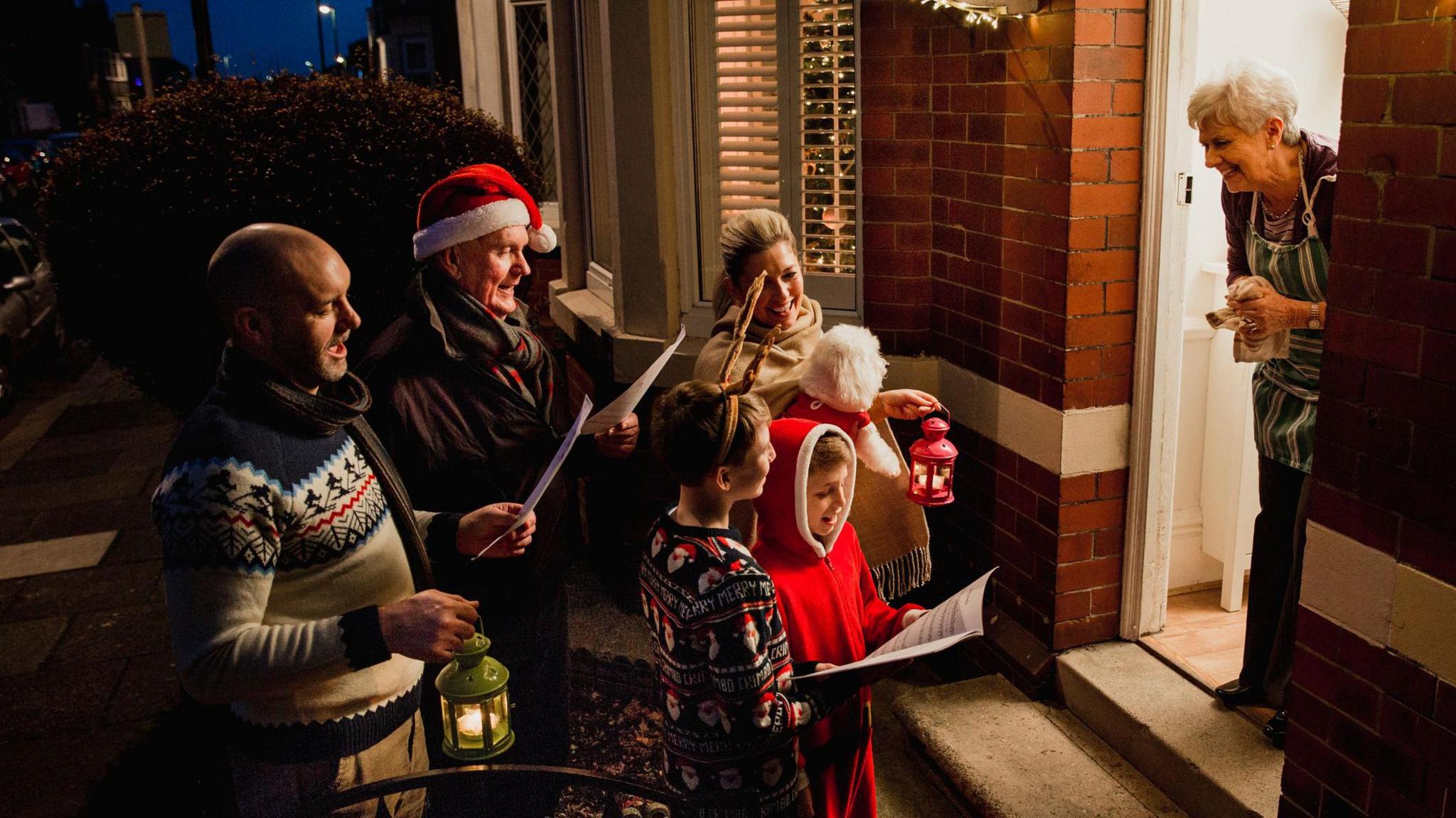
Historically and culturally, carols often travel through communities by memory and repetition. They may be taught in schools, sung at public events, or shared at home around a tree or a table. Many carols feel like they are meant to be carried outside, sung while walking, or offered at someone’s door.
Purpose: what the song is doing
Hymns: support worship and form faith
A hymn is usually doing one or more of these jobs:
- Praise (directed to God)
- Prayer (asking, confessing, surrendering, blessing)
- Teaching (putting shared beliefs into memorable language)
- Shaping a community voice (helping a congregation speak together)
This is why many hymns feel steady and spacious. They are designed to hold a room full of voices, week after week, including people who might not feel “musical.”
Carols: celebrate and tell the seasonal story
Carols often center celebration and storytelling. Christmas carols, in particular, tend to paint scenes: night skies, angels, shepherds, candles, cradles, and the hush and wonder that people associate with that season. Even when the theology is present, the mood is frequently more immediate and sensory.
A carol also often has an outward-facing energy. It wants to be shared. That is why you can hear carols in shopping districts, school auditoriums, and community gatherings without anyone feeling the need to explain why the song belongs there.
Tone: how they tend to feel
This is not a strict rule, but it is a helpful pattern:
- Hymns often sound like prayerful statements: reverent, sturdy, sometimes contemplative, sometimes triumphant. Even joyful hymns often carry a sense of gathered focus.
- Carols often sound like celebration: bright, narrative, communal, and sometimes playful. Even tender carols often carry the glow of a particular feast or season.
When I lead retreats, I sometimes invite people to notice where the song places their attention. Hymns frequently draw attention upward and inward at the same time: toward God, and into the heart. Carols often draw attention outward: to the shared moment, the scene, the story we are stepping into together.
Setting: where they live
Where hymns often live
Hymns most naturally belong in:
- Sunday worship services
- Communion and baptisms
- Funerals and memorial services
- Weddings
- Prayer gatherings and retreats
They are commonly chosen to match readings, sermons, or the season of the church year, and they work well when an organ, piano, guitar, or simple accompaniment is supporting congregational singing.
Where carols often live
Carols most naturally belong in:
- Christmas services and Advent gatherings
- Community singalongs
- School concerts
- Homes and neighborhood traditions
- Public seasonal events
Carols are at ease in folk settings, which means they do not always require a formal worship frame to make sense. You can sing a carol with a cup of cocoa in hand and still feel the sacredness flicker.
Examples you probably know
Without diving into any one song’s backstory, here are examples many readers will recognize. Notice how the categories are about use and feel more than about whether the lyrics mention God.
Common examples of hymns
- “Amazing Grace” (often used year-round, frequently chosen for prayerful reflection)
- “Holy, Holy, Holy” (classic praise in worship)
- “Be Thou My Vision” (devotional, prayer-like)
- “How Great Thou Art” (congregational praise, not tied to a single season)
Common examples of carols
- “Silent Night” (strongly associated with Christmas gatherings and services)
- “O Come, All Ye Faithful” (often sung in worship, but still strongly seasonal)
- “Hark! The Herald Angels Sing” (narrative and celebratory, anchored in Christmas)
- “The First Noel” (storytelling, seasonal)
And then there are songs that blur the line. “O Come, O Come, Emmanuel” is often treated as an Advent hymn in worship, but many people also experience it as a carol because it belongs so strongly to a season.
So is a Christmas carol a hymn?
Sometimes, yes, in practice. A song can function like a hymn when it is used in a worship service as congregational prayer and praise, even if most people think of it as a carol.
But category-wise, many Christmas songs are still called carols because they are tied to a seasonal celebration and often flourish outside the sanctuary too. Once a community places a carol in a hymnal and sings it as part of its worship, the labels can soften and the function becomes the clearer clue.
If you want a quick gut-check, ask:
- Would we sing this in July? If not, it likely functions as a carol.
- Is it written like a direct prayer or statement of praise? If yes, it leans hymn.
- Does it feel like it belongs to a shared festival moment? If yes, it leans carol.
Differences at a glance
Here is a simple summary that tends to hold true across many Christian traditions:
- Origin: Hymns are shaped by worship traditions and congregational use; carols are often shaped by seasonal festivals and community tradition.
- Purpose: Hymns support worship and faith formation; carols celebrate and tell the story of a feast or season.
- Tone: Hymns often feel prayerful and steady; carols often feel festive and scene-based.
- Setting: Hymns most often live in church services (sometimes seasonally); carols move easily between church and home or public spaces.
Why the distinction matters
I do not think the point is to police vocabulary. Most of us just want to sing. But I have found that naming the difference can gently deepen the experience.
When you realize a hymn is meant to carry you through ordinary time, you may let it become part of your inner vocabulary. When you realize a carol is meant to mark a season, you may let it be a doorway. It does not have to last forever to be holy. It only has to be true to the moment it was made for.
Hymns teach us how to pray together over a lifetime. Carols teach us how to rejoice together in a particular hour.
FAQ
Can carols be religious or are they mostly secular?
Carols can be deeply religious, lightly religious, or mainly cultural. The word “carol” points more to festive, seasonal singing than to how explicitly theological the lyrics are, and not all carols are Christmas carols.
Are hymns always slow and serious?
No. Many hymns are joyful, energetic, and celebratory. What makes them hymns is their primary home in worship and their function as prayer, praise, or proclamation, even when they show up in specific seasons.
Why do churches still use hymnals if people sing contemporary worship songs?
Many communities find hymnals valuable because they preserve a shared repertoire and a shared theological voice across generations. Contemporary worship songs can function like hymns too, especially when they are used regularly and sung congregationally.
What should I call “Silent Night” or “Amazing Grace”?
In common usage, “Silent Night” is widely treated as a Christmas carol, while “Amazing Grace” is widely treated as a hymn. Both can be sung devotionally, and both can be deeply meaningful in worship settings.