Some Christmas carols arrive in our lives like snowfall. Quietly. Softly. Without asking permission. For me, “O Little Town of Bethlehem” has always felt that way, especially on evenings when the year has worn me thin and I need a song that does not rush my heart to the finish line. It lingers. It listens. It blesses smallness.
Behind its calm, candlelit feel is a very human story: a pastor changed by travel, a church musician scrambling for a children’s service, and melodies that found their way to the same set of words in different places and times.
Brooks in Bethlehem
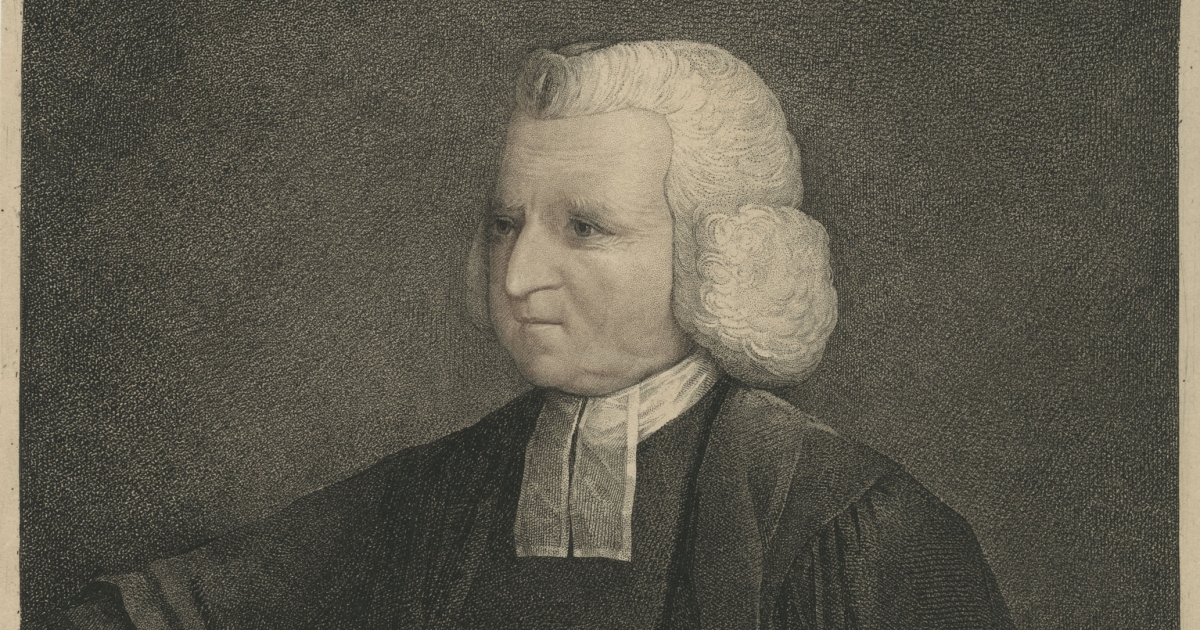
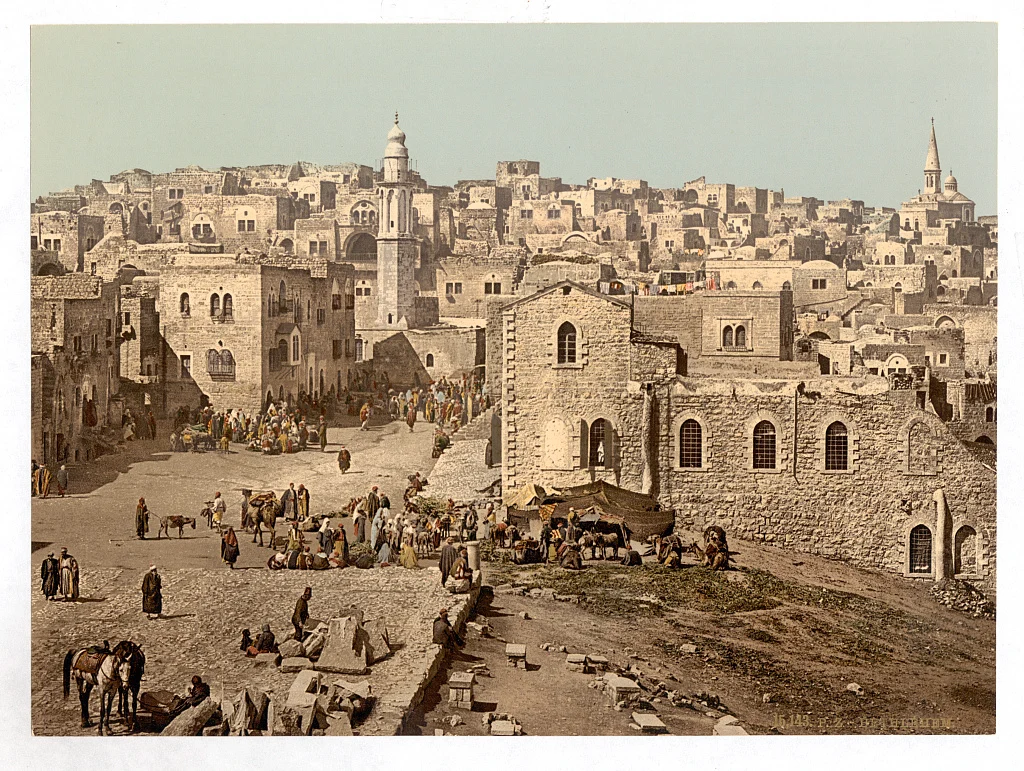
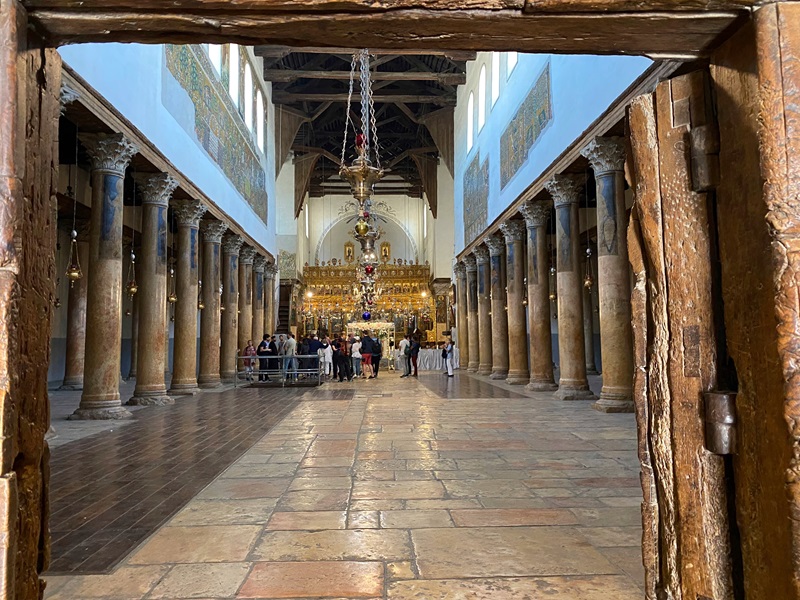
The words of “O Little Town of Bethlehem” were written by Phillips Brooks, an Episcopal priest best known in his day as a powerful preacher. In the mid-1860s, Brooks traveled through the Holy Land, a journey many sources place in 1865 and 1866. The timing matters. The American Civil War had only just ended. A nation was bruised with grief, exhausted by violence, and learning how to breathe again.
Brooks’ journey was not mere sightseeing. Like many pilgrims before him, he went to see with his own eyes the places that had shaped his faith. When he visited Bethlehem, the traditional site of Jesus’ birth, something steadied in him. Later, he wrote about Christmas Eve there with language that keeps the night close, full of stillness and watchfulness.
That memory stayed with him. And back home, it eventually became a carol.
From trip to text
Brooks wrote the text of “O Little Town of Bethlehem” a few years after his trip, most often dated to 1868, for a Christmas season service tied to the Sunday school at Holy Trinity Church in Philadelphia, where he was rector. The words are not a travelogue, but Bethlehem’s presence is plain, like stone under starlight. Notice how the opening does not begin with angels or shepherds, but with the town itself, “still we see thee lie.” It is as if he is inviting the singer to stand beside him and look.
What I find most tender is the way Brooks holds two realities at once:
- The outward quiet of an ordinary place at night.
- The inward mystery of divine presence arriving without spectacle.
The carol’s famous line, “the hopes and fears of all the years,” lands differently when you remember it was written in the long shadow of war. Brooks does not deny fear. He places it at the manger, where it can be met with peace.
Redner’s tune
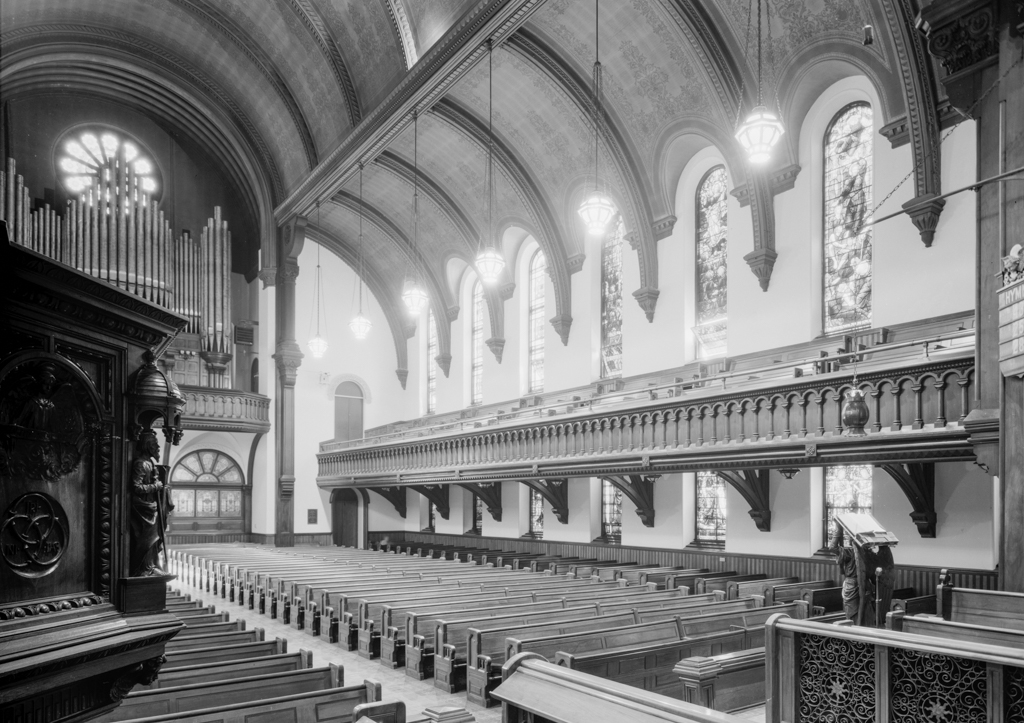
Words need a melody that can carry them. That part of the story belongs to Lewis H. Redner, an American church organist and choir director at Holy Trinity.
When Brooks’ text was chosen for a Christmas service connected to the Sunday school and children’s celebration, there was just one problem: they needed music.
Redner later recalled that he struggled to come up with a tune in time. Then, very late at night, the melody came to him. He got up, wrote it down, and that tune became known as “St. Louis.” Like many church-music origin stories passed along in recollection, the telling can grow polished with time, but the heart of it remains simple: there was a need, there was a deadline, and the tune arrived when he had almost run out of hours.
The “St. Louis” melody is gentle and singable, shaped for congregational voices and children’s choirs. It carries Brooks’ calm wonder without turning the song into a dramatic performance. The tune’s simplicity is part of its spiritual power.
Why another tune
If you grew up singing “O Little Town of Bethlehem” to a different melody, you are not misremembering. Many hymnals, especially in the United Kingdom and in traditions shaped by English hymnody, pair Brooks’ words with an English tune called “Forest Green.”
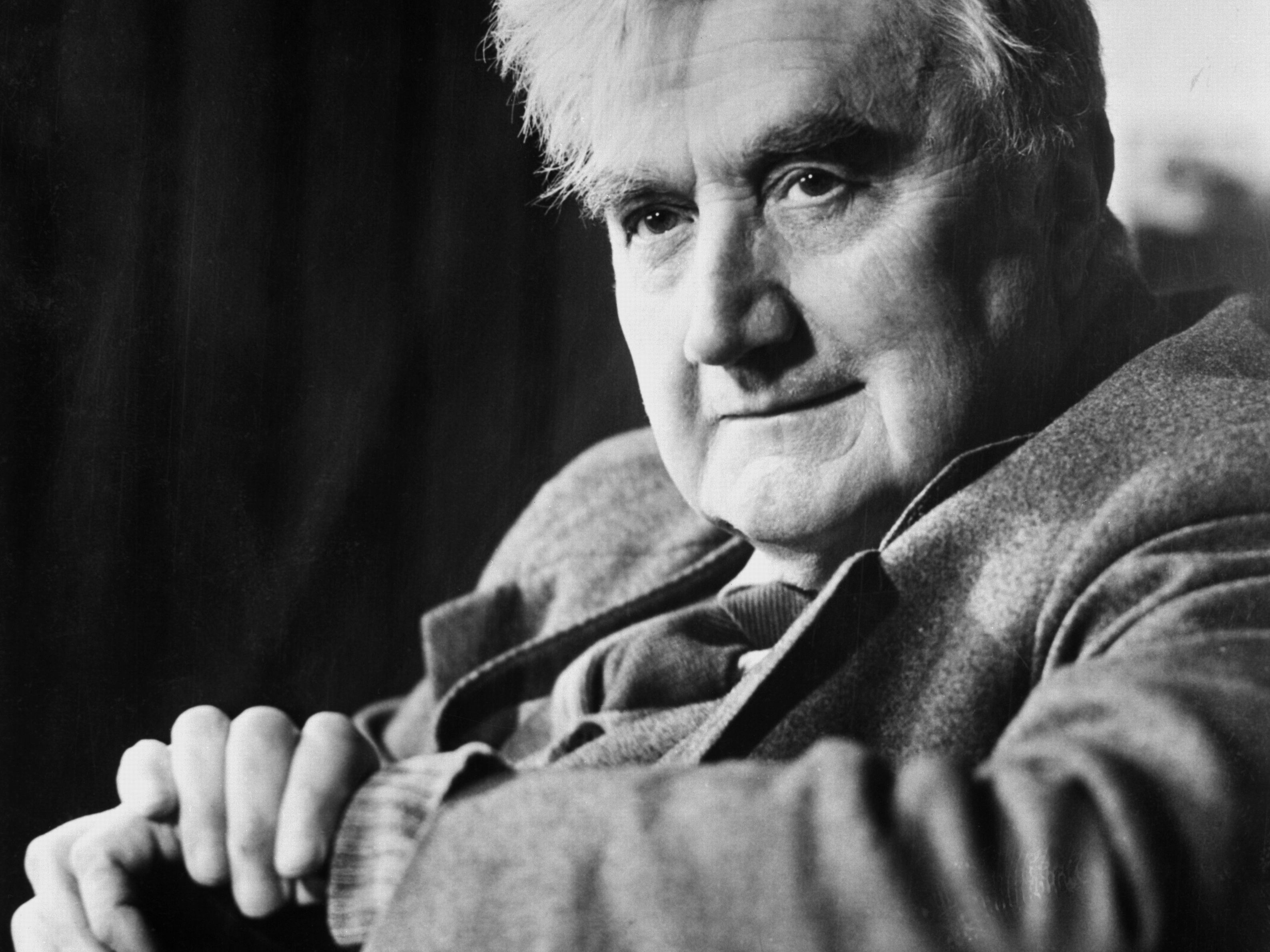
“Forest Green” is a folk melody often linked to the song commonly titled “The Ploughboy’s Dream,” though the naming varies across collections. In the early 20th century, composer Ralph Vaughan Williams collected and arranged folk tunes, and he helped bring “Forest Green” into wide church use through The English Hymnal (1906).
The result is a slightly different emotional color:
- Redner’s “St. Louis” feels like a warm American parlor lamp, steady and plain in the best way.
- “Forest Green” feels a bit more modal and wandering, like winter wind across open fields, still tender but with a distinct folk character.
Both melodies have become beloved homes for Brooks’ text. “St. Louis” tends to be the more familiar setting in many American hymnals, while “Forest Green” is especially common in British and Commonwealth traditions. Either way, the existence of two well-known tunes is a reminder that sacred words can travel across cultures and still remain themselves.
It also explains a quieter kind of confusion: why the verses sometimes sound slightly different from one hymnal to the next. Editors have long adjusted wording, modernized archaic phrasing, revised lines for theology or inclusive language, or omitted a stanza to fit local practice. (Some books, for example, trim the children’s stanza, or soften older wording to match a congregation’s voice.) Most of the time, it is the book doing the editing, not your memory failing you.
What it is saying
It is easy to treat Christmas carols as seasonal decor, beautiful but flat. “O Little Town of Bethlehem” refuses to stay flat. It makes a theological claim in plain language: that God often comes quietly, and that the human heart must become a kind of Bethlehem, a place that receives.
The carol’s spiritual movement is subtle. It starts with observation, moves into contemplation, and ends with a prayerful invitation. The final verse asks for something intimate and immediate, not merely historical remembrance:
“O come to us, abide with us, our Lord Emmanuel.”
That line is why I return to this carol when I am anxious or spiritually tired. It is not asking me to manufacture joy. It is asking me to make room.
A carol for small souls
Whenever I sing “O Little Town of Bethlehem,” I think about how much of faith is made of ordinary materials: a remembered night in a faraway place, a pastor putting his experience into words for his congregation, a musician searching for a melody for children, a folk tune carried from one setting to another.
Nothing flashy. Just devotion, stitched together over time.
And maybe that is the point. If Bethlehem teaches anything, it is that holiness often arrives in small rooms, in quiet streets, in the soft middle of the night, when we are finally still enough to notice.