Welcome. I’m Lydia Vance, the writer behind Religion & Spirituality here at FaithRift. If you have ever felt deeply curious about the sacred and also a little unsure where you belong, you are in good company. My work is for the tender in-between spaces: the places where doubt and devotion sit at the same table, where tradition can be both shelter and question, and where everyday life still asks us to be brave.
I grew up in a multi-faith household, where holidays could include more than one kind of prayer and dinner conversations often turned into gentle debates about meaning. That upbringing did not give me a single neat answer about God. It gave me something better: a lifelong fascination with how different cultures reach for the divine, and how love and longing show up in many languages.
How I got here
I earned a Master’s in Comparative Religion (completed in the Pacific Northwest), and later pursued additional graduate-level seminars in theology and sacred texts through continuing education programs and summer intensives. I wanted to study faith not as a contest, but as a human response to wonder, suffering, beauty, and hope.
In my twenties and early thirties, I spent extended seasons learning in contemplative settings, including Zen and Christian monasteries, Hindu ashrams, and interfaith community centers in the United States, as well as short-term study and retreat travel in South Asia and Western Europe. Some seasons were quiet and disciplined, including silent retreat practice. Others were communal and relational, full of shared meals, service work, and stories told late into the night.
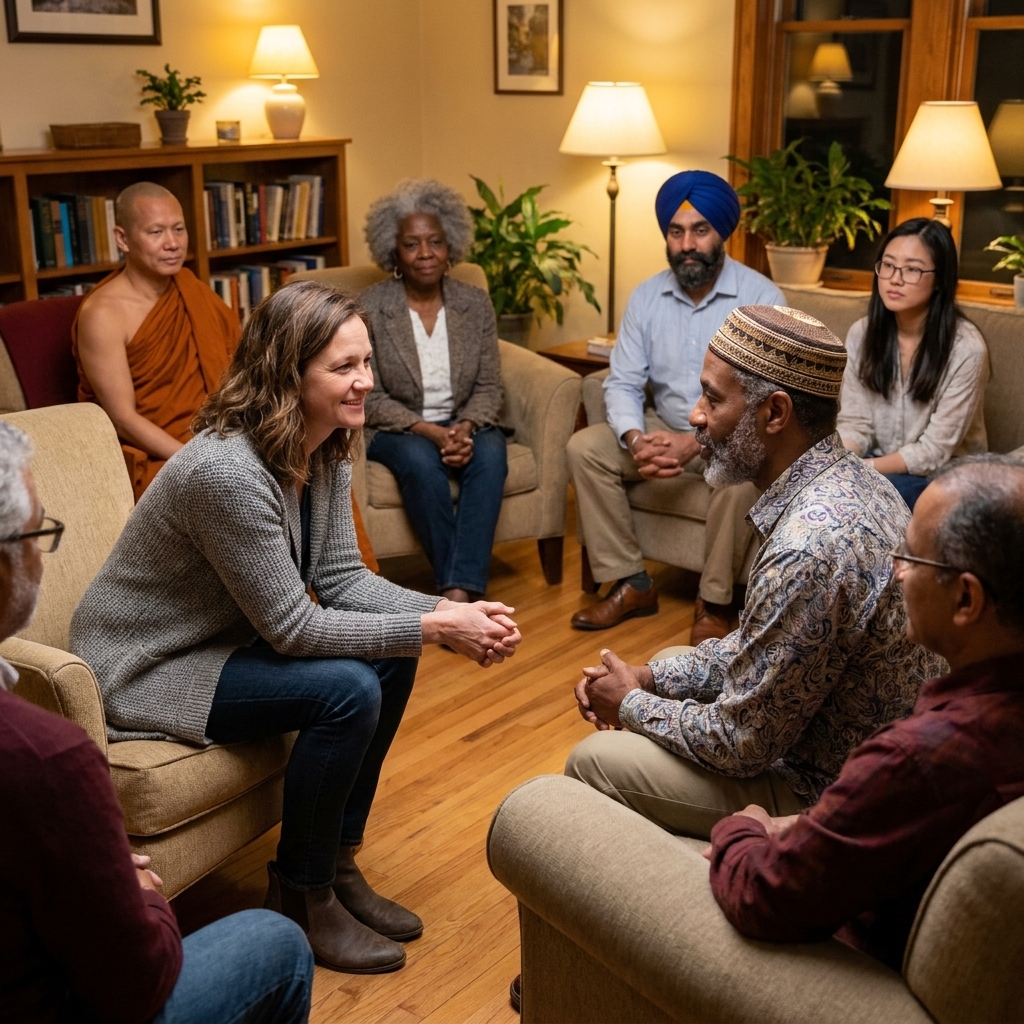
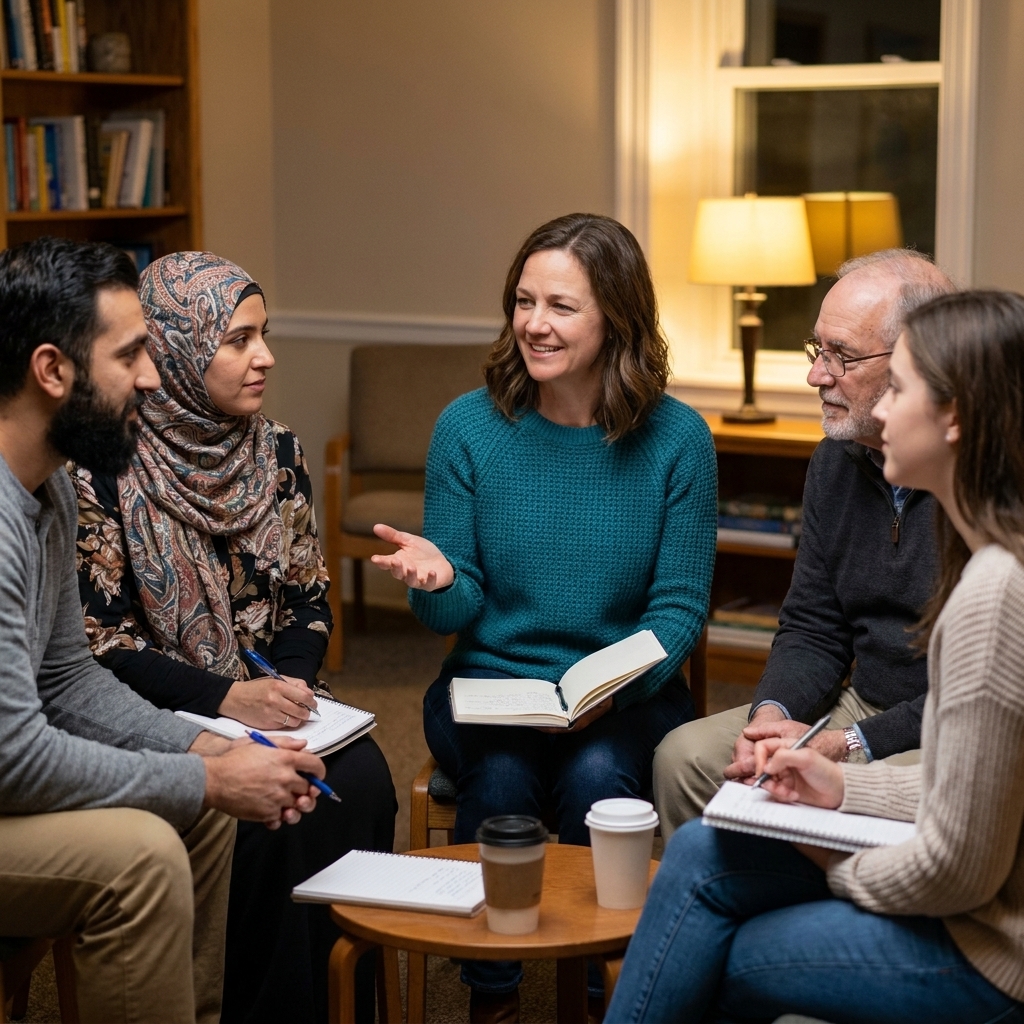
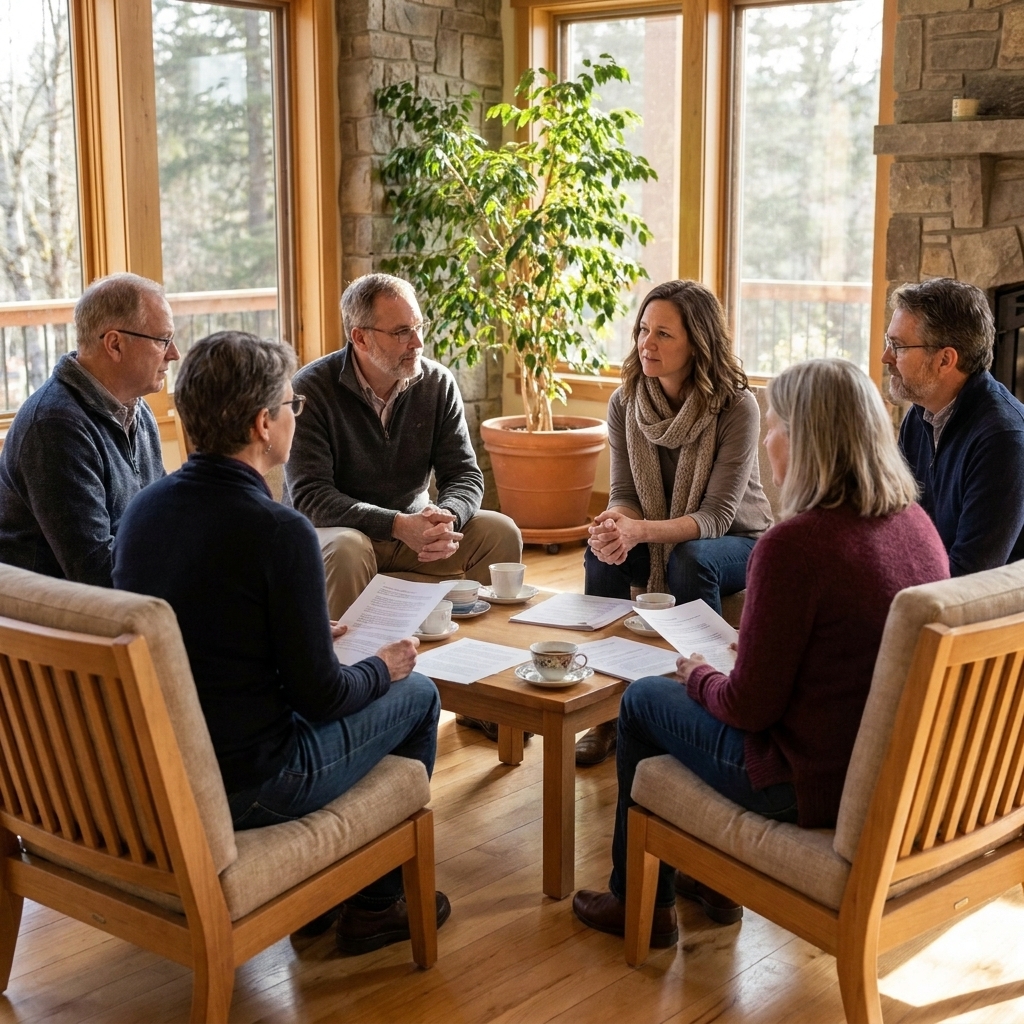
Over time, I began facilitating small-group retreats and interfaith gatherings, most often weekend formats focused on listening practices, shared readings, and gentle, opt-in discussion. I found my calling not in having the “right” answer, but in helping people listen more deeply. That usually looks like simple, grounded practices for discernment, honest prayer when you feel stuck, rebuilding trust after spiritual harm, and learning how to hold grief without letting it harden into cynicism.
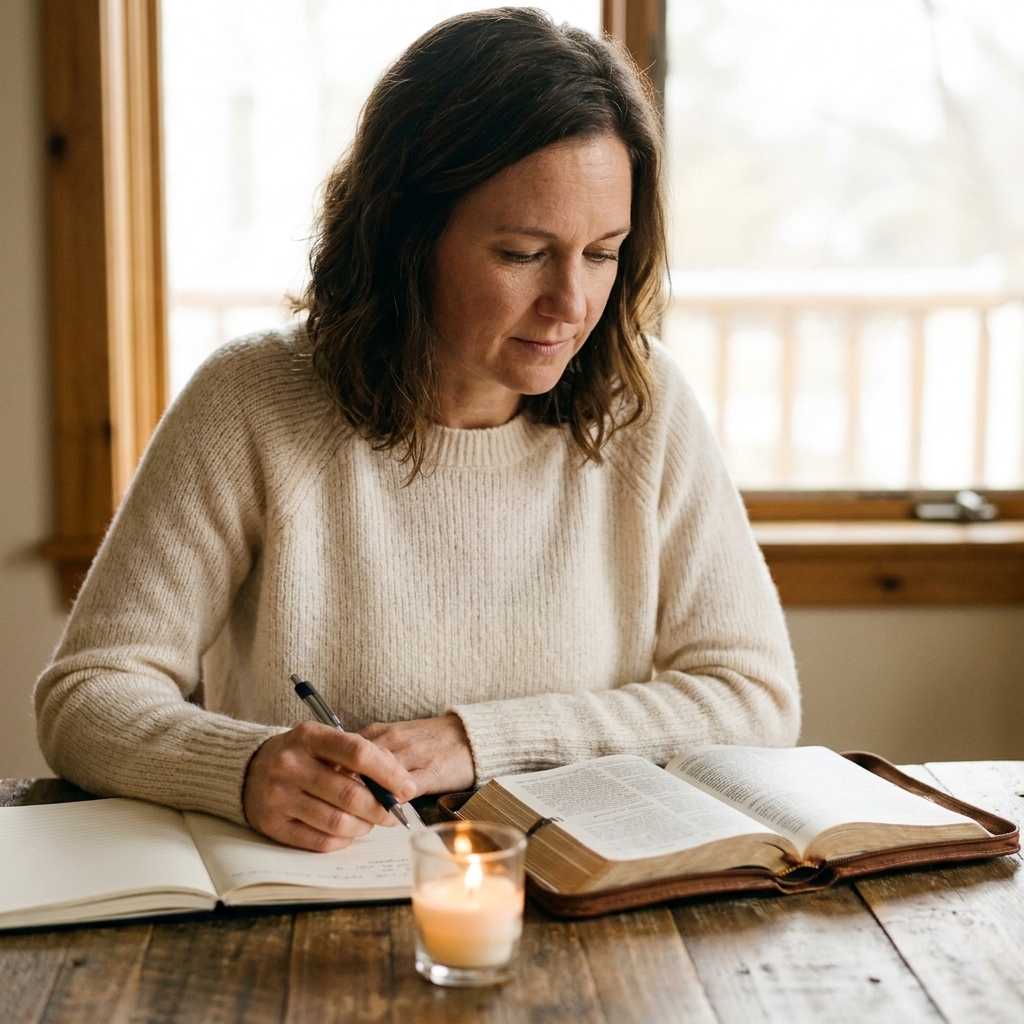
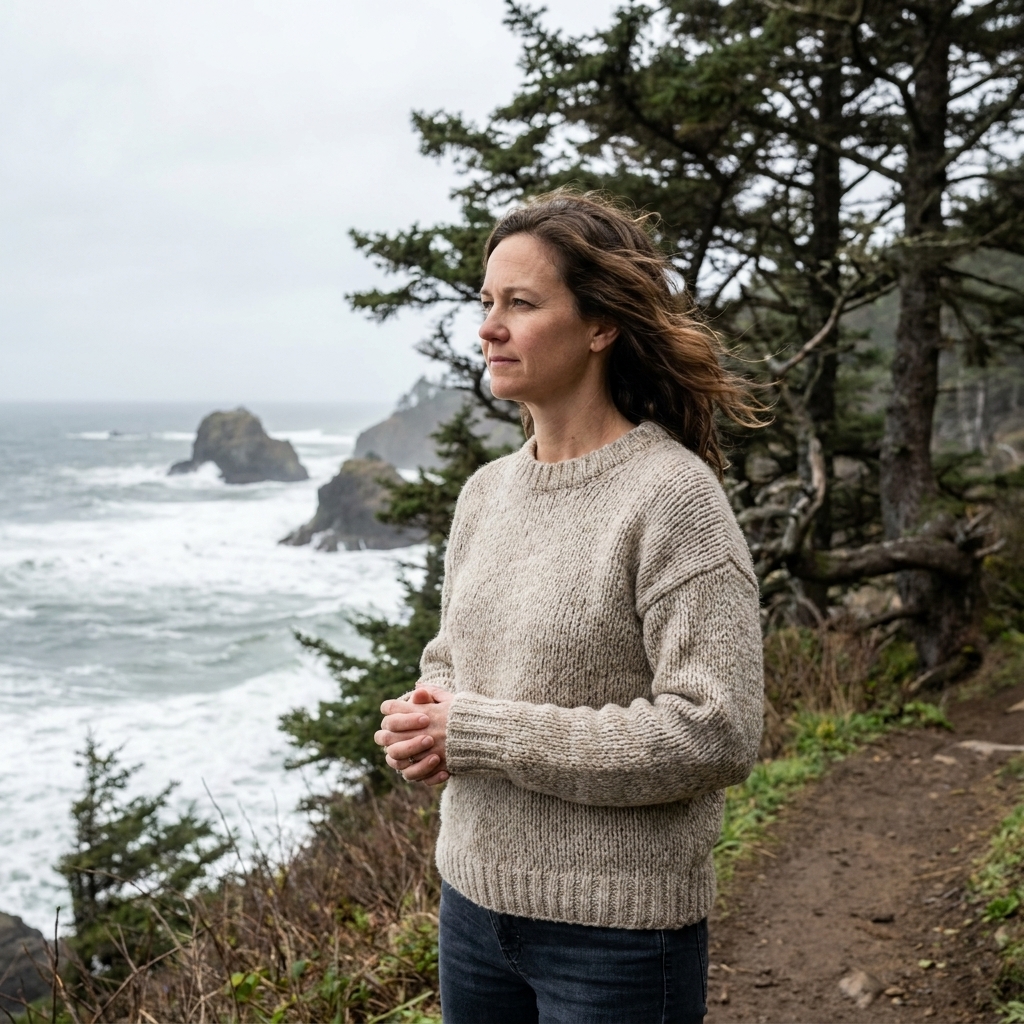
Today I live in a quiet coastal town in Oregon, where foggy mornings, salt air, and a small meditation garden keep me grounded. Most days begin with a short sit, a few lines in a worn notebook, and the same question I come back to again and again: What kind of love is being asked of me today? If I have time, I take a ten-minute loop through the garden before opening my laptop, just to notice what is blooming and what is letting go.
What this is for
Religion can be a source of profound comfort. It can also be complicated, especially if you have experienced spiritual burnout, exclusion, or the ache of outgrowing a belief system that once felt like home. Spirituality, too, can be confusing in a world that often tries to turn it into a performance or a product.
This space exists to bring ancient traditions into conversation with modern, everyday struggles. Not by flattening differences, and not by pretending all paths are the same, but by approaching them with respect, curiosity, and care.
FaithRift’s mission, as I live it through this channel, is simple: to help you find meaning, connection, and peace in daily life without demanding that you fit into a rigid box. Here, you are allowed to be a work in progress.
What to expect
I write in a warm, conversational way because religion is not just an academic subject. It is personal. It touches family, identity, relationships, and the way we make decisions when no one is watching. My training in comparative religion, along with graduate seminars in theology and text study, helps me be accurate and fair. My experience facilitating real people in real life helps me stay gentle.
- Practical reflections on mindfulness, compassion, prayer, meditation, and purpose that you can actually carry into your week.
- Tradition-aware guidance that honors the integrity of different religions while staying accessible to a general reader.
- Room for complexity, including doubt, grief, anger, joy, and the slow work of rebuilding trust after spiritual harm.
- Stories and gentle prompts that invite you to explore without pressure to “arrive.”
Sometimes we will explore a single concept across traditions, like forgiveness, hospitality, or surrender. Other times we will stay close to the ordinary: how to be present while parenting, how to pray when you feel numb, how to set boundaries with love, how to hold onto hope when headlines feel heavy.

How I write
Because FaithRift is a meeting place, I take care with language. I do not write to win arguments or sand down anyone’s belief into something vague. I write to build understanding and offer companionship.
When I reference sacred texts or religious history, I aim to cite reputable translations and sources and to name them clearly when it matters. In practice, that means you will usually see the translation named in-line, and links or brief end notes when a source is central to the piece. When a topic touches living traditions, I do my best to represent them with accuracy and humility, including consulting practitioners or scholars when appropriate and naming tensions around cultural borrowing when they arise. Curiosity is a gift, and so is restraint.
When history is contested or a tradition holds multiple internal viewpoints, I will say so. I would rather offer a careful “there are differences here” than a tidy claim that erases real people.
My north star is this: if a belief does not grow compassion, it is worth asking what it is growing instead.
A note on scope
This column offers spiritual reflection and education, not medical, mental health, or crisis counseling. If you are in acute distress or navigating trauma, you deserve real, local support. Please consider reaching out to a qualified professional or a trusted community resource.
Come as you are
Thank you for being here. I hope this corner of FaithRift feels like a calm room you can step into, even if you only have a few minutes between obligations. Pour a cup of something warm, take a breath, and start where you are.
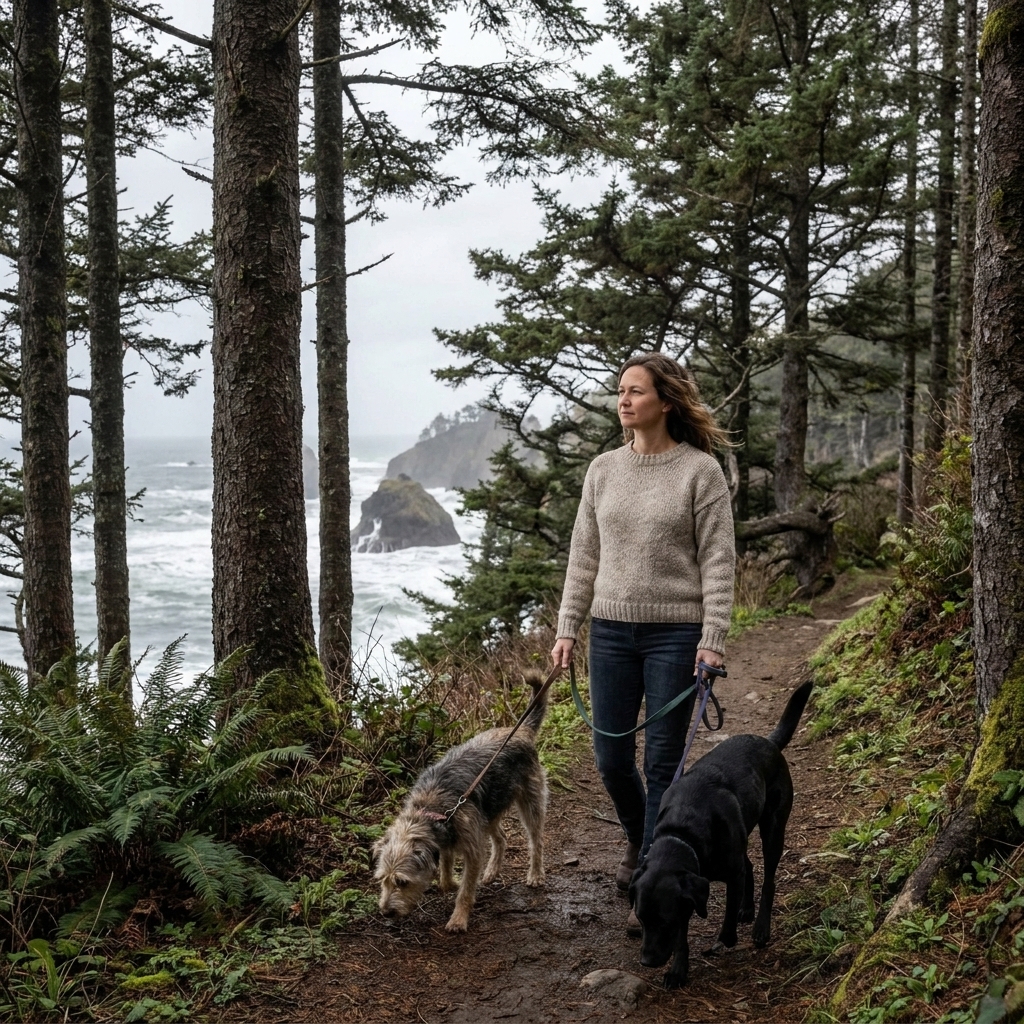
When I am not writing, you can usually find me tending to my meditation garden, reading mystics and poets, or hiking coastal trails with my two rescue dogs, who have never once cared whether my theology is tidy.
However you arrived, I’m glad you did. Let’s keep walking, thoughtfully and together.