Some writers leave behind a handful of lines that refuse to die. Charles Wesley left behind thousands of them, sung. If you have ever found yourself moved by a hymn you could not quite explain, there is a fair chance you have been in conversation with his faith, his doubts, and his astonishing gift for turning theology into ordinary language.
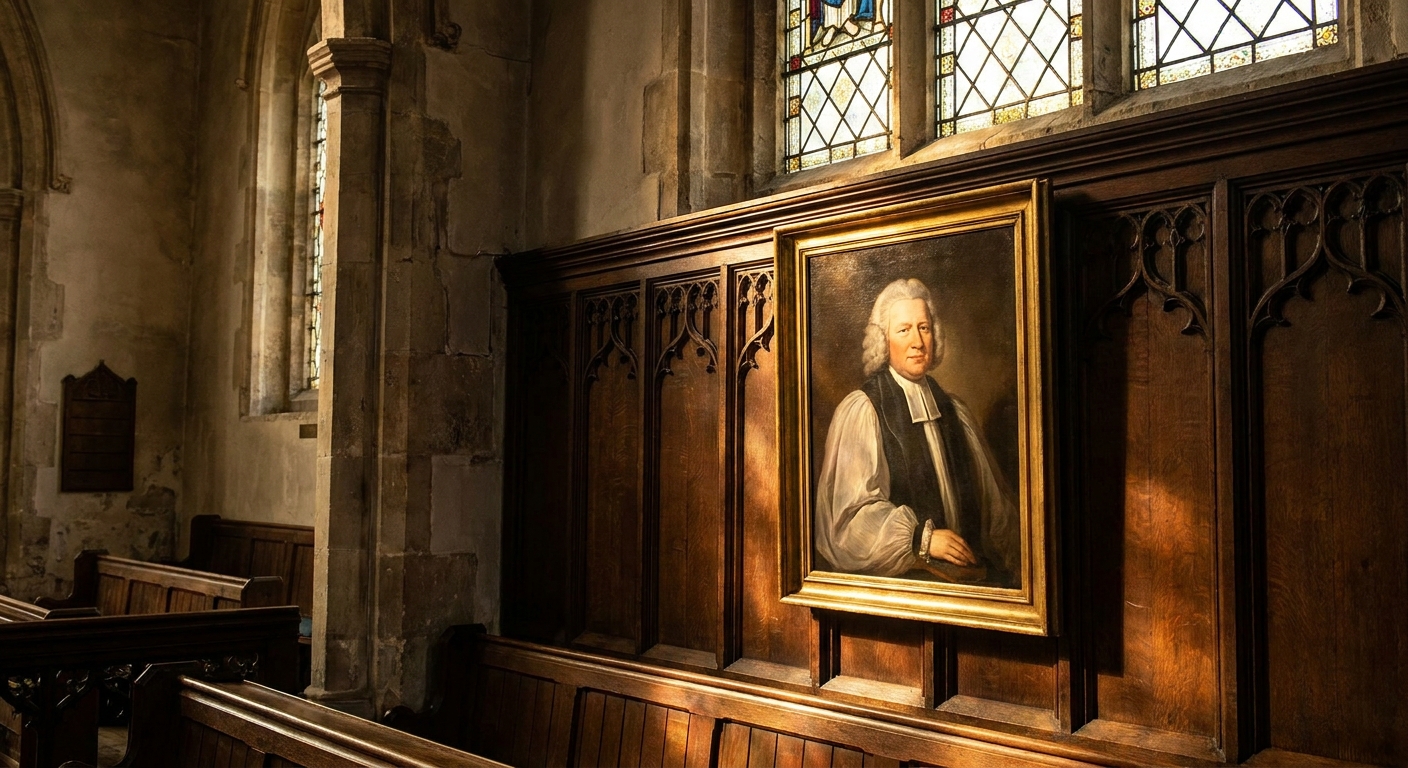
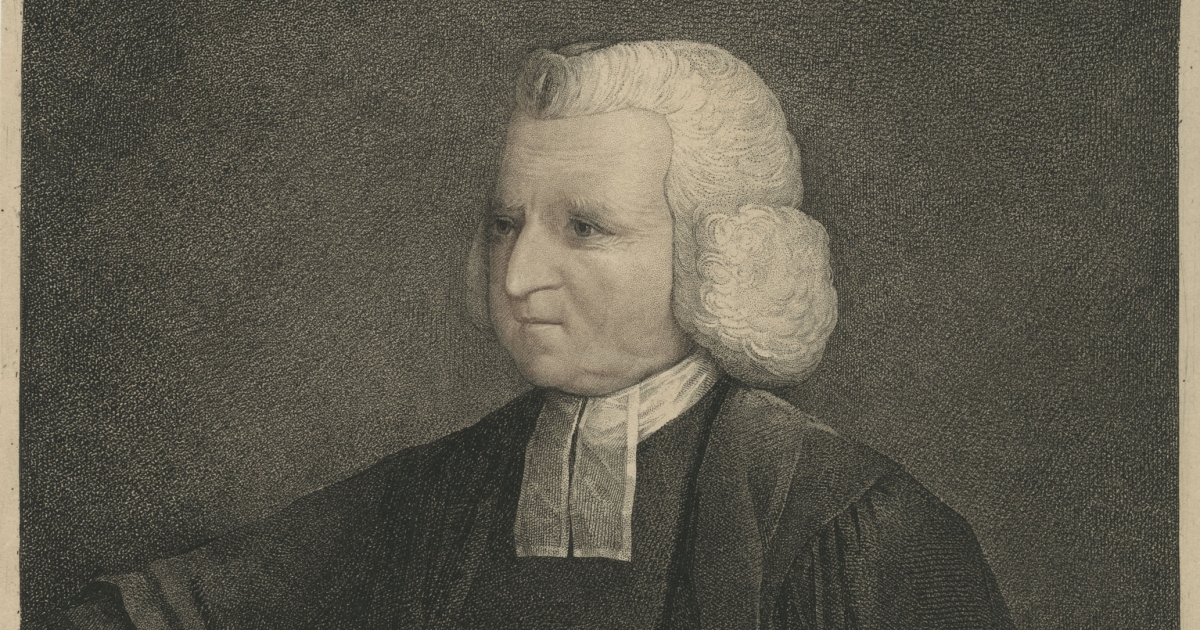
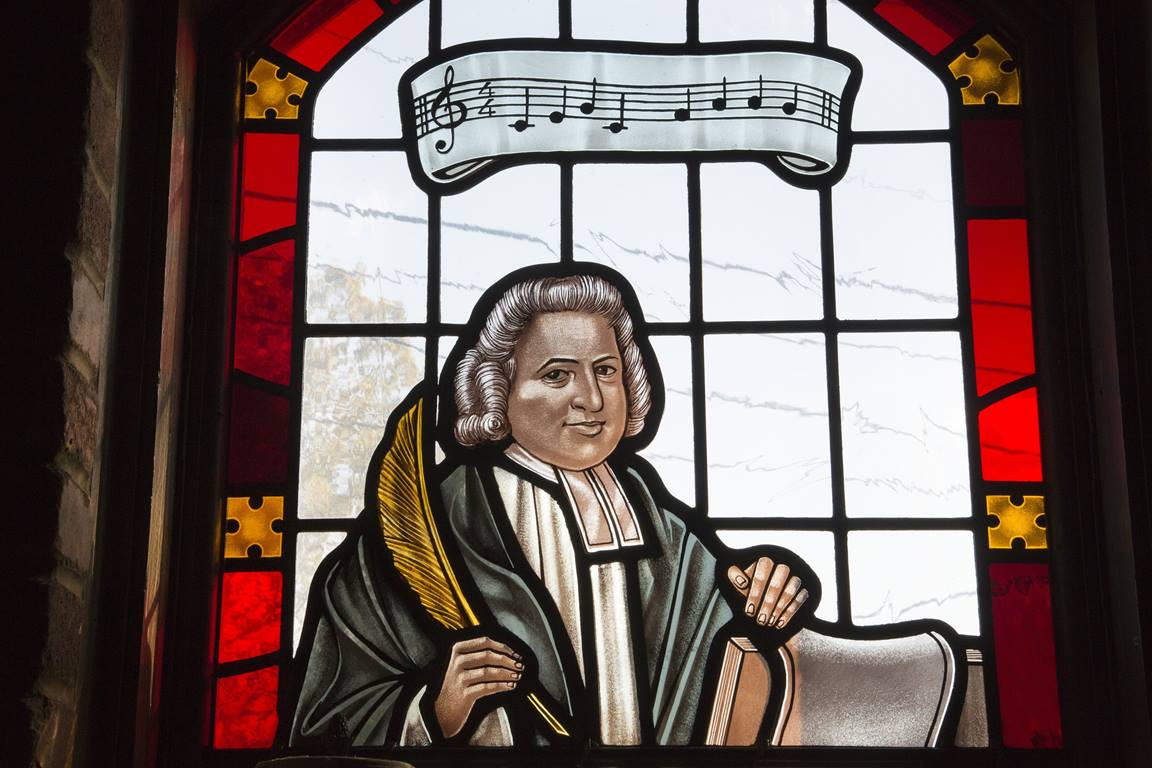
Charles Wesley (1707 to 1788) was an English poet, preacher, and co-founder of Methodism alongside his older brother John Wesley. He is best remembered as one of the most prolific hymn writers in Christian history, commonly credited with as many as 6,000 hymns and sacred poems. Titles like Hark! The Herald Angels Sing and Love Divine, All Loves Excelling have traveled far beyond the Methodist movement, becoming part of the shared songbook of many Christian traditions.
Charles Wesley in a sentence
If I had to say it plainly: Charles Wesley gave the Methodist revival its voice. John organized, preached, and built the structures of a movement. Charles wrote the words ordinary people could carry home, hum while working, and pray when they ran out of their own.
- Known for: Hymns and sacred poems that taught and warmed the heart, often at the same time
- Role in Methodism: Co-founder and key evangelist, though often more home-centered than John
- Signature legacy: A vast hymn corpus that shaped Methodist spirituality and English-speaking worship broadly
Early life and education
Charles was born in 1707 in Epworth, Lincolnshire, into a home where faith and learning shared the same air. His father, Samuel Wesley, was an Anglican priest. His mother, Susanna Wesley, is remembered both for her spiritual seriousness and for the careful education she gave her many children. The Wesley household formed two kinds of discipline in Charles: the intellectual kind that thrives in books, and the devotional kind that shows up when nobody is watching.
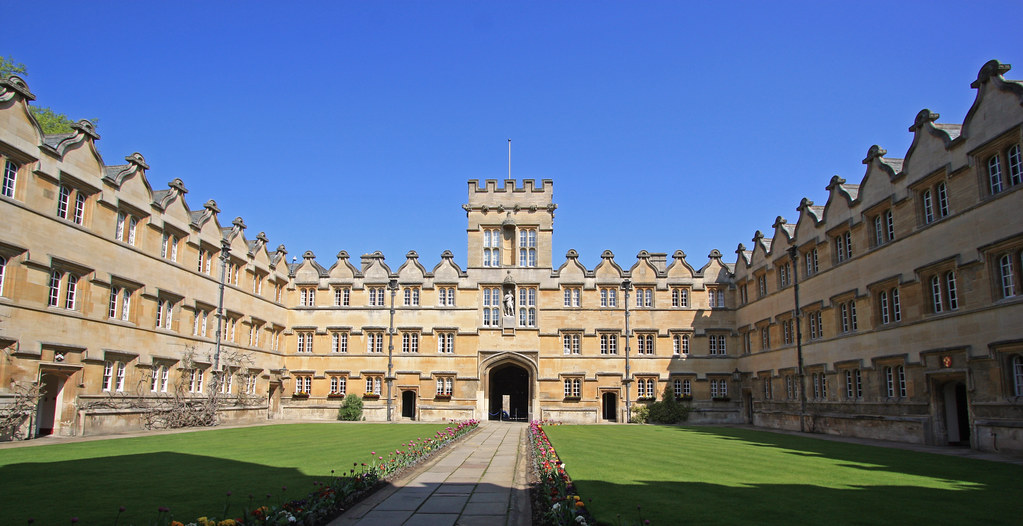
Like John, Charles studied at Oxford. There he became part of a small circle of students devoted to rigorous spiritual practice, sometimes mocked for their methodical habits. They prayed, studied Scripture, took communion frequently, fasted, and visited prisoners and the sick. The group was nicknamed the “Holy Club,” and it would later be remembered as a seedbed of Methodism itself.
From method to mission
The early Methodist impulse was not yet a separate church. It was a renewal movement within the Church of England, a call to take discipleship seriously. The Wesleys emphasized practices like prayer, Scripture, fasting, and regular communion, along with compassionate outreach to prisoners and the poor.
Charles, like John, also traveled and preached. But he was, by temperament, the poet of the revival, the one who could take a sermon’s theology and convert it into a lyric you could remember when the week turned hard.
Georgia and the long searching
Before 1738, there was a season of restless, sincere effort that did not quite settle his heart. In 1735, Charles traveled with John to the colony of Georgia, where their mission ambitions met the roughness of reality. Charles’s time there was brief and difficult, marked by illness and discouragement, and he returned to England chastened.
I do not mention Georgia to diminish him, but to make him more human. The faith he later sang with such confidence was not confidence that arrived by temperament. It was forged through longing, effort, and a sense of not yet having what he was trying to give away.
The 1738 conversion
Charles Wesley’s story cannot be told without the year 1738. It is the turning point in the way many Methodists narrate their own spiritual lives: faith becoming personal, vivid, and assured rather than merely inherited or dutiful.
On May 21, 1738, Charles experienced a decisive spiritual awakening. In Methodist memory, his conversion is often described as a moment of receiving assurance of salvation, a deep inward sense that Christ’s grace was not only true in general, but true for him. In the days that followed, his writing gained a new urgency and joy, as though a door had opened and language rushed in to fill it.
John Wesley’s own famous Aldersgate experience took place shortly after, on May 24. Their awakenings did not make them identical, but they did bind their work together in a new way. The revival that followed would lean heavily on both John’s leadership and Charles’s hymnody.
About those 6,000 hymns
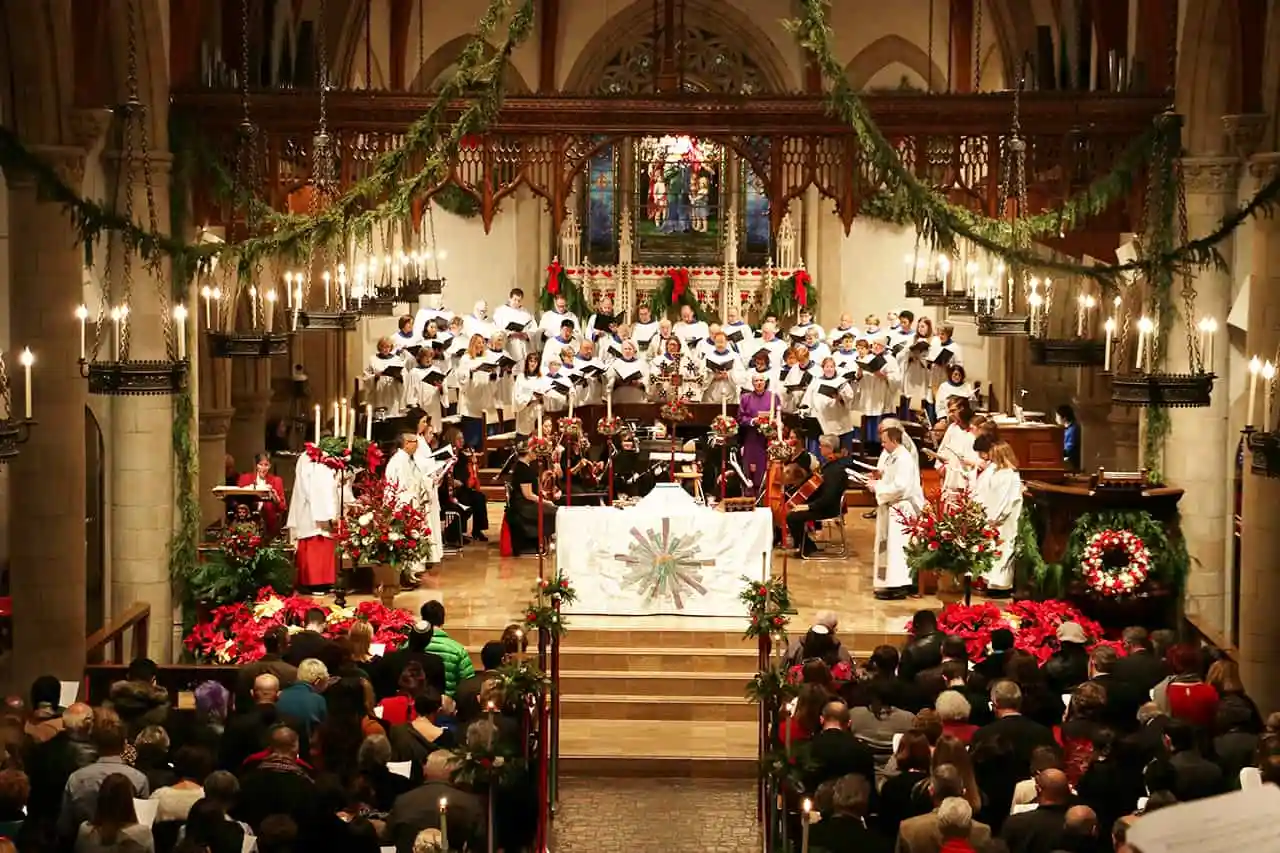
When people hear that Charles wrote as many as 6,000 hymns and sacred poems, they often imagine endless repetition. In truth, his range is part of the marvel. He wrote hymns for nearly every contour of Christian life: repentance and assurance, communion and conversion, morning prayer and evening surrender, Christmas joy and Lenten honesty.
His hymns did more than decorate worship. They taught. They helped people memorize Scripture and doctrine. They also gave believers a language for experience, especially the inner life: conviction, fear, comfort, longing, love.
What makes his writing endure is not only theology, but texture. He could speak plainly, and he could soar. He could compress an argument into a stanza, then suddenly turn tender, as if he were speaking to one weary person in a crowded room.
- Grace you can trust: Not self-confidence, but assurance grounded in mercy
- Holiness and love: The steady theme of a heart remade, famously in Love Divine, All Loves Excelling
- God already at work: A sense, threaded through many hymns, that grace meets us before we have words for it
- Communal faith: Many hymns use “we” and “us,” training worshipers to belong to one another
Famous hymns
Charles Wesley wrote far more than his most famous titles, but a few texts have become almost universal in English-speaking Christianity.
- Hark! The Herald Angels Sing: A beloved Christmas hymn celebrating the incarnation, later paired with a tune that helped it travel widely.
- Love Divine, All Loves Excelling: A hymn of sanctifying love, asking God to “fix” divine love in the human heart and bring the soul toward wholeness.
- And Can It Be: A conversion hymn filled with wonder at grace and spiritual freedom.
- Christ the Lord Is Risen Today: An Easter proclamation long associated with Charles Wesley, and shaped over time through hymnbook editing and congregational use.
Each of these deserves its own deep dive, but for the purpose of Charles’s life, it is enough to notice what they share: clarity, warmth, and a steady insistence that Christian doctrine is meant to be sung into the body, not merely stored in the head.
Charles and John Wesley
It is easy to flatten the Wesley brothers into one combined figure, as if John provided leadership and Charles provided lyrics, and that was the whole arrangement. Their relationship was more human than that: affectionate, collaborative, occasionally tense, and always significant.
John Wesley’s calling was intensely itinerant. He rode, preached, organized societies, and shaped what Methodism would become. Charles also preached and traveled, but he was more likely to return home, more rooted in pastoral care and family life. Many historians note that Charles was also more cautious than John about separating from the Church of England. He remained, in many respects, an Anglican priest with a revivalist heart.
Still, their partnership held. John’s sermons and structures created a framework. Charles’s hymns supplied emotional and theological formation week after week. Put simply, the movement preached by day and sang by night.
Marriage and later years
Charles Wesley married Sarah Gwynne in 1749. Their marriage is often remembered as a steadying presence in his life. John Wesley also married, later, in 1751. But while John’s marriage to Mary Vazeille became painfully strained and ended in separation, Charles’s home life tended to draw him toward steadier rhythms and a more settled kind of ministry.
In his later years, Charles spent more time in and around London and less time on the roads. The hymns continued, though the pace of public itinerant preaching diminished. He died in 1788.
There is a quiet irony here that I find strangely comforting: the man whose words still travel the world ended his life in relatively ordinary rhythms. It is a reminder that spiritual legacy is not always forged by constant motion. Sometimes it is forged by faithfulness to the work in front of you, stanza by stanza.

Why he still matters
Even for readers who are not Methodist, Charles Wesley’s influence is hard to overstate. He helped shape what many Christians think hymns are for. Not just ornament, not just nostalgia, but lived theology. His texts make room for both certainty and yearning, both praise and self-examination.
In interfaith spaces, I often meet people who do not share Christian beliefs but still recognize something universal in his best lines: the longing to be remade by love, the desire for peace that is more than a good mood, the hope that grace can reach even the parts of us we keep hidden.
Charles Wesley FAQ
Was Charles Wesley the founder of Methodism?
He is considered a co-founder. John Wesley is typically named as the primary organizer and leader, but Charles was central from the beginning as an evangelist and as the movement’s hymn writer.
How many hymns did Charles Wesley write?
He is commonly credited with as many as 6,000 hymns and sacred poems, though the exact count can vary depending on how scholars classify texts, revisions, and editions.
What happened in 1738 for Charles Wesley?
On May 21, 1738, Charles experienced a profound conversion and an assurance of faith that became a defining moment in his life and ministry. It also marked a new intensity in his hymn writing and preaching.
What are Charles Wesley’s most famous hymns?
Among the best known are Hark! The Herald Angels Sing, Love Divine, All Loves Excelling, And Can It Be, and Christ the Lord Is Risen Today.
Did Charles Wesley remain Anglican?
Yes. Charles was an Anglican priest and, especially later in life, he was cautious about any move that looked like leaving the Church of England, even as Methodism developed its own identity.
A closing reflection
When I walk my dogs in the early coastal fog, I sometimes catch myself humming without noticing I am doing it. That is the nature of a good hymn: it slips beneath the day’s noise and becomes breath. Charles Wesley understood that faith often needs a melody to stay close.
He was not simply a religious poet. He was a translator of the heart, taking the language of doctrine and turning it into something people could sing when they were joyful, or lonely, or brave, or trying again.