Every so often, a date starts circulating again. It gets passed along with an anxious tone, a confident prediction and the unspoken question many of us are afraid to ask out loud: What if it is true?
One of those dates is November 13, 2026. It has been linked to a decades-old attempt to forecast humanity’s breaking point using population growth math. But before we let a calendar square carry spiritual weight it cannot bear, it helps to return to something sturdier than speculation.
So let’s talk about what the Bible does and does not say, and why Jesus draws such a clear boundary around end-times date-setting.

Where the November 13, 2026 claim came from
The specific date did not begin as a prophecy. More than six decades ago, three researchers published a study in one of the world’s leading scientific journals predicting that humanity would reach “doomsday” on that exact date.
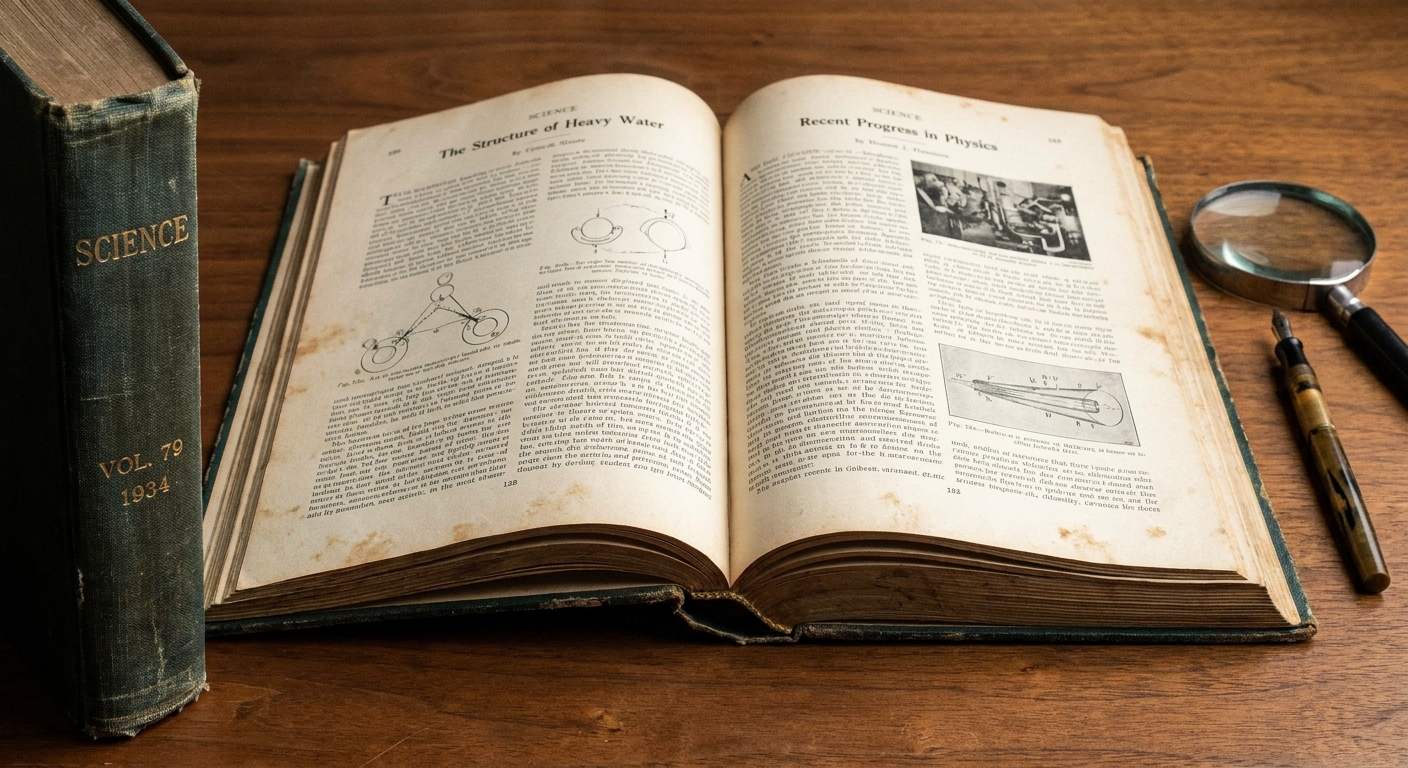
The prediction originated with a 1960 paper published in the journal Science by Heinz von Foerster, with students Patricia M. Mora and Lawrence W. Amiot. Based on population growth during the previous 2,000 years, their model projected that the global population would “approach infinity” on Nov. 13, 2026.
In one line from the paper, the researchers wrote: “Our great-great-grandchildren will not starve. They will be squeezed to death.”
Despite its bizarre conclusion, the study was cited in textbooks covering genetics, ecology and demography. Its model remained relatively accurate for several decades, but the world’s changing birth rate eventually dismantled its prediction. In other words, the calculation has since collapsed.
Historian Alan MacEachern wrote that “Only around 1993 did that accuracy begin to falter and the global population began falling behind the forecasts,” and that “Today, the global birth rate is slightly less than half the 1960 rate.”
MacEachern also noted that von Foerster had once worked as a stage magician. He suggested the researchers may have wrapped legitimate scientific observations in a theatrical conclusion to seize the public’s attention: “To draw the world’s attention to a serious matter by way of absurdity, that’s a good trick.”
And his bottom line was plain: “We will all wake up on 13 November to an ordinary day.”
What Jesus said about dates
Even if you set the population math aside completely, the deeper question remains: Can anyone know the exact timing of the end?
Jesus addresses that question directly in Matthew 24:36: “Concerning that day and hour no one knows, not even the angels of heaven, but My Father only.”
Before His ascension, Jesus gave His disciples the same boundary in Acts 1:7: “It is not for you to know the times or the dates, which the Father has fixed by His own authority.”
Those declarations leave no room for a scientist, self-appointed prophet or mathematical formula to announce the date of Christ’s return.
Why date-setting harms faith
Date-setting is not just a harmless hobby for end-times enthusiasts. Scripture’s boundary is practical and pastoral because date-setting can do real damage.
- It creates unnecessary fear.
- It distracts believers from their calling.
- It can damage Christian credibility when the appointed day inevitably passes.
Scripture’s refusal to hand us a schedule is not a missing puzzle piece. It is part of the design.
What the Bible does say
Although Scripture withholds the date, it does reveal where human history is headed.
Jesus said the gospel of the kingdom would be proclaimed throughout the world before the end comes. He warned of wars, persecution, false prophets, lawlessness and spiritual deception. In Second Thessalonians, Paul speaks of apostasy and the revealing of the man of lawlessness.
But notice the shape of the biblical story. The Bible does not teach that humanity will simply overcrowd the planet and disappear. It points toward the personal and visible return of Jesus Christ, the resurrection of the dead, final judgment and the creation of a new heaven and new earth.
These biblical signs are calls to spiritual vigilance, not pieces of an equation that allow someone to produce a date.

So, will the world end November 13, 2026?
Based on Jesus’ own words, Christians are not authorized to declare a specific day as the end. No formula, no self-appointed prophet and no recycled prediction overrides the boundaries Jesus set.
It is also worth remembering that the November 13, 2026 claim was never a biblical timeline to begin with. It was a scientific projection tied to population growth, and its prediction was eventually dismantled as birth rates changed.
Nov. 13, 2026, will not overturn the words of Jesus. Whether the day proves ordinary or eventful, no population graph has uncovered God’s prophetic calendar.
Christians have not been commanded to calculate dates, spread panic or chase every sensational prediction. We have been commanded to remain watchful, proclaim the gospel and live faithfully while awaiting the return of Jesus Christ.
FAQ
Is November 13, 2026 in the Bible?
No. The date comes from a 1960 population-growth projection, not from biblical text.
Does the Bible allow Christians to set end-times dates?
Jesus explicitly says the timing is not known to humans. “Concerning that day and hour no one knows… but My Father only” (Matthew 24:36) and “It is not for you to know the times or the dates” (Acts 1:7).
If we cannot know the date, why does the Bible talk about signs?
In Scripture, signs are meant to cultivate vigilance and faithfulness, not prediction.