Every December, I hear “Joy to the World” spilling out of grocery store speakers, candlelit sanctuaries, and living rooms where someone is bravely attempting four-part harmony. It feels like a nativity carol, full stop. But the first time I read the lyrics slowly, away from the seasonal swirl, I realized something: the song is not primarily about a baby in a manger. It is about a King on a throne.
That surprise is part of what has kept this hymn alive. “Joy to the World” carries Christmas in its voice, yes, but its bones are older. They are built from a psalm.
Who wrote “Joy to the World”?
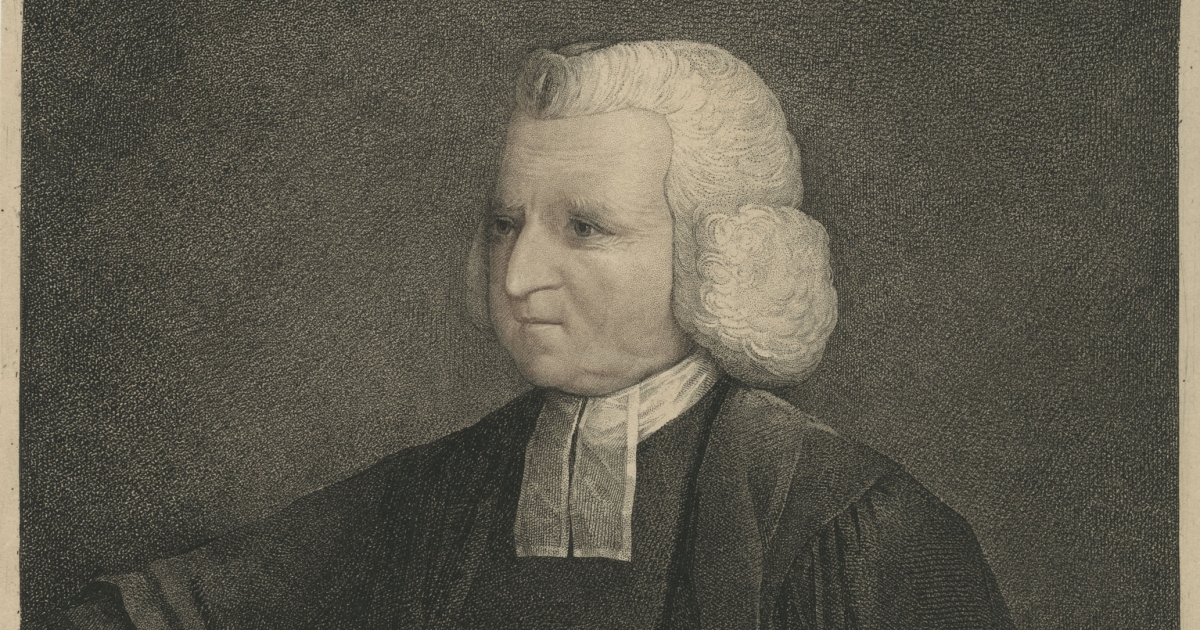
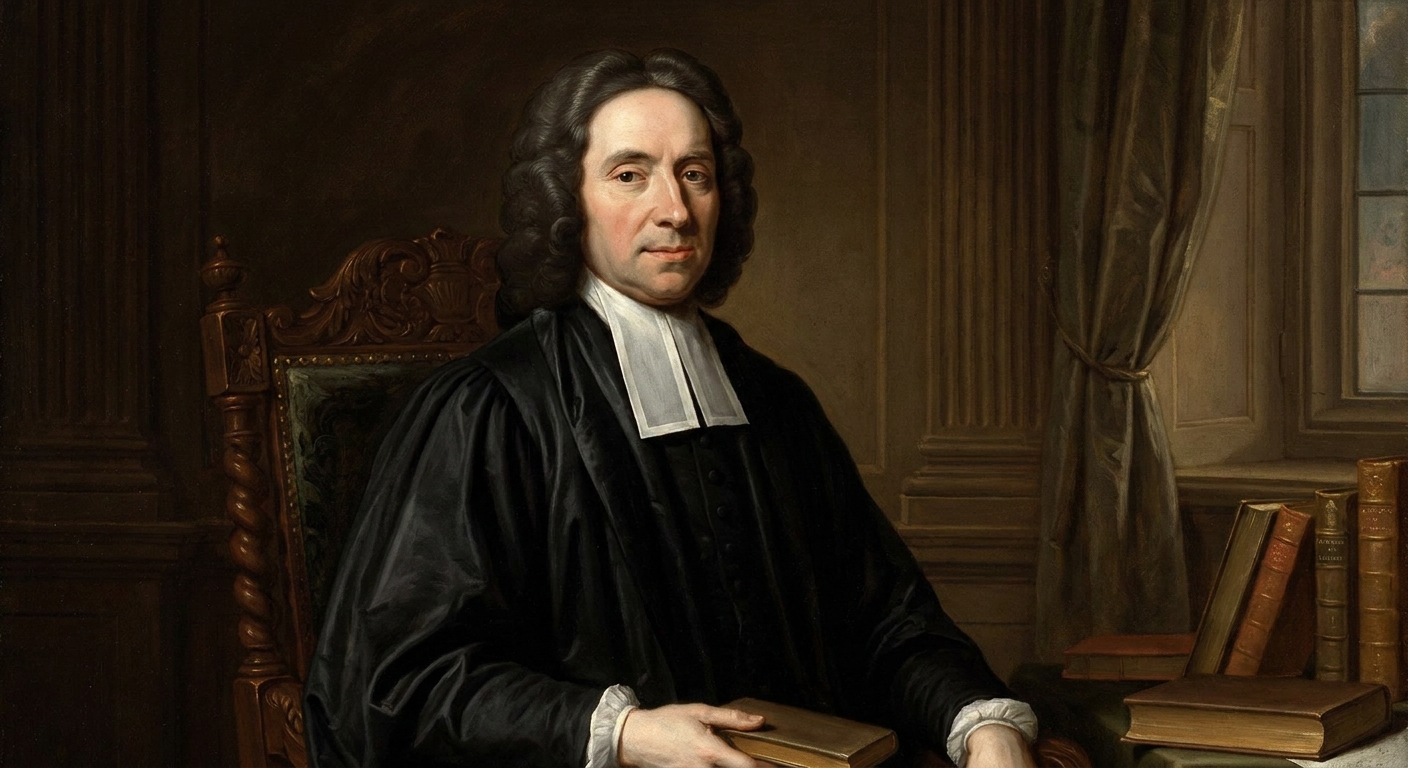
The words of “Joy to the World” were written by Isaac Watts (1674 to 1748), an English minister and hymn writer often called a father of English hymnody. Watts helped shift congregational singing away from strictly metrical psalms toward hymns that voiced Christian theology more directly and personally.
The text of “Joy to the World” first appeared in 1719 in Watts’s landmark collection, The Psalms of David Imitated in the Language of the New Testament. In other words, Watts was not trying to write a Christmas carol at all. He was re-singing the Psalms through a Christian lens, translating ancient Hebrew poetry into the theological imagination of the church.
Psalm 98 at the core
“Joy to the World” is primarily Watts’s paraphrase of Psalm 98, a jubilant hymn of praise that calls the whole creation to celebrate God’s saving power and righteous rule. Watts also expands the psalm’s themes in explicitly Christian directions, which is part of the hymn’s enduring force.
Psalm 98 is not shy about its scope. It begins with God’s saving deeds made known among the nations, then widens into a summons for the earth itself to sing:
It announces God’s victory and salvation.
It calls “all the earth” to make a joyful noise.
It invites the sea, the rivers, and the hills to join the song.
It celebrates the Lord “coming to judge the earth,” not as a threat, but as the promise of a world finally set right.
Watts takes those themes and makes one decisive move: he reads the psalm as fulfilled in Christ. That is why the hymn’s joy is expansive, almost overflowing. It is not only that a child has been born. It is that divine justice and mercy have begun their reign.

Why the lyrics are about reign
If you have ever wondered why “Joy to the World” does not mention Mary, Joseph, angels, or Bethlehem, you’re hearing that right. Watts’s focus is kingship: the arrival and rule of the Lord.
“The Lord is come” as royal language
The opening line, “Joy to the world, the Lord is come,” can sound like a simple Christmas announcement. But in the world of the Psalms, it also echoes the language of God’s coming to reign, the divine King arriving to put creation back into harmony.
“Let earth receive her King” points beyond the manger
“Let earth receive her King” is bigger than a stable scene. It is an invitation to allegiance. The hymn is asking for more than seasonal sentiment. It is asking for the kind of inner reordering that Christians associate with Christ’s lordship.
Creation joins in because redemption touches everything
Watts keeps Psalm 98’s most startling feature: nature itself becomes a choir. “Fields and floods, rocks, hills, and plains” echo the psalm’s rivers clapping their hands and hills singing together. This is cosmic, not merely cozy.
“He comes to make his blessings flow far as the curse is found”
This line is one of Watts’s most explicit theological expansions. Psalm 98 celebrates God’s saving acts and righteous judgment. Watts threads in the Christian story of fall and restoration, evoking Genesis’s “curse” and imagining Christ’s blessing traveling into every fractured place.
All of that is why some hymn historians describe “Joy to the World” as more aligned with Christ’s reign, and even with themes that Christians connect to the Second Advent or the ultimate fulfillment of God’s kingdom, than with the nativity narrative by itself.
How “Antioch” made it stick
If Watts wrote a psalm paraphrase, how did it become the Christmas song we know today?
One important detail is simply this: Watts wrote the text, but he did not write the tune. For decades after 1719, the words circulated in print and, like many hymn texts of the era, could be fitted to more than one common tune in different church and hymnal settings before one pairing became dominant.
That dominant pairing is the tune most of us now hear automatically in our minds: “Antioch.”
Lowell Mason and the tune
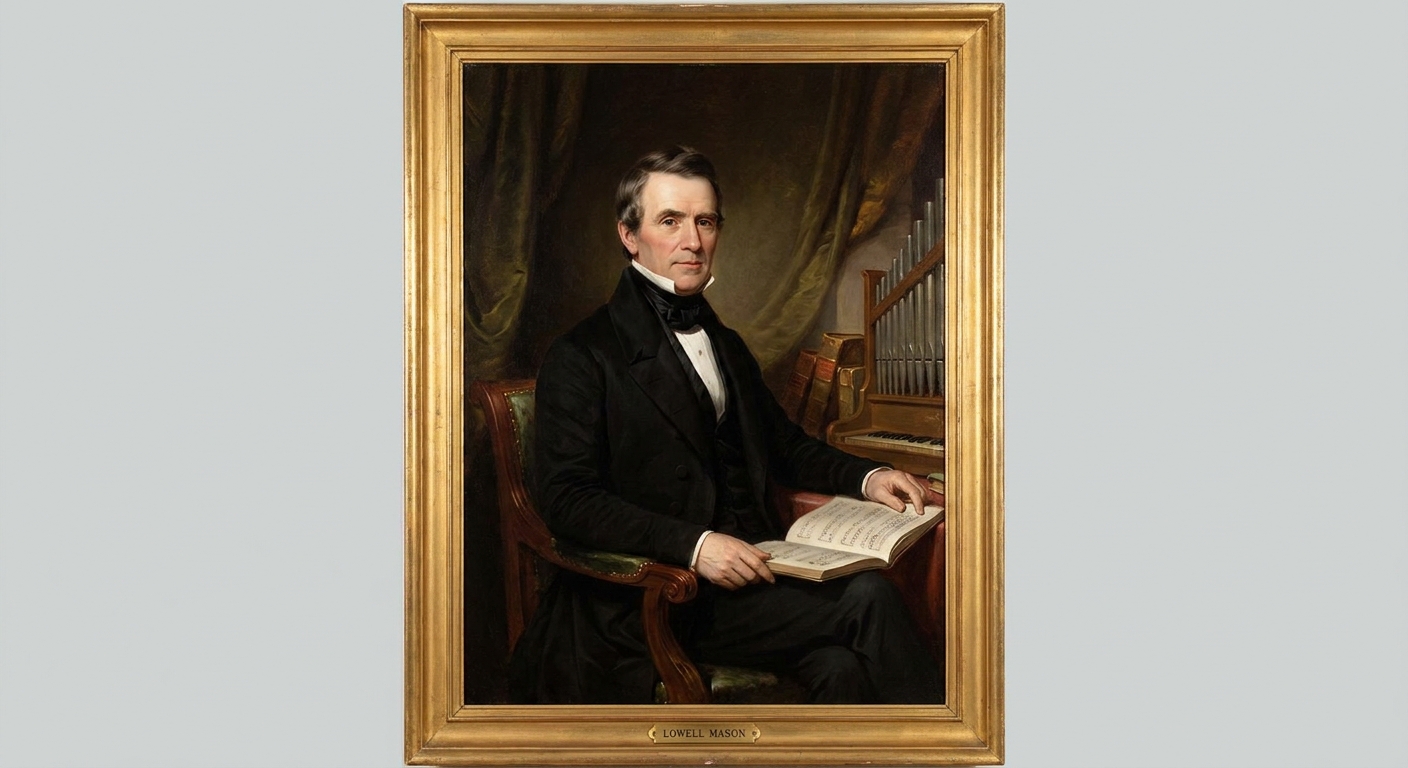
The melody commonly used for “Joy to the World” is strongly associated with Lowell Mason (1792 to 1872), an American music educator and influential figure in church music. In many hymnals, “Antioch” is printed with Mason’s name because his arrangements and publications helped standardize the tune in nineteenth-century American worship.
Beyond that broad outline, the publication trail is not always presented consistently in popular summaries. Different references cite different Mason-era books and dates for when “Antioch” first appears in print under that title. So rather than pretending to certainty, it is more accurate to say this: in the early nineteenth century, Mason’s publishing work helped the tune circulate widely enough that it became the familiar, default setting for Watts’s text in many English-speaking churches.
“Arranged from Handel” and what people mean
You will often see “Antioch” credited to Mason and labeled as “arranged from Handel.” When hymnals make that claim, they are usually pointing to melodic phrases people hear as similar to themes associated with Handel, most often discussions connected to Messiah. The honest footnote is that the connection is disputed. Some writers argue for a musical resemblance, while others see the Handel label as a later tradition that overstates the case. What is widely accepted is Mason’s role in arranging, publishing, and popularizing the tune within American hymnody.
Why the pairing matters
Music tells the body how to interpret words. “Antioch” has an unmistakable processional energy: bright, declarative, and full of forward motion. When you pair that musical confidence with Watts’s royal language, the hymn becomes a natural fit for Christmas worship, where churches proclaim that the Incarnation is not only a birth story, but the inauguration of a reign.
Over time, the cultural calendar did the rest. Hymnals and carol collections repeatedly placed “Joy to the World” in Christmas sections. Congregations learned it as part of Advent and Christmas tradition. Eventually, for many listeners, the tune and season fused so completely that the song began to feel like it had always been a nativity carol.
Hearing it again
One of my favorite spiritual practices is to sing a familiar hymn as if I have never heard it before. With “Joy to the World,” that simple experiment can be quietly transformative.
It helps to notice what the hymn is actually doing in your mouth as you sing it.
“Let every heart prepare him room” lands not only as a Christmas line, but as a personal question about what we have made space for in our lives.
“And heaven and nature sing” widens prayer beyond the human world, as if your praise has to become large enough to hold oceans and hills.
“He rules the world with truth and grace” makes a claim about what real authority looks like: not domination, but truth and grace together.
And once you see that, a few other details fall into place naturally. The hymn is treated as a Christmas carol now, but it began life as a Psalm 98 paraphrase with distinctly Christian expansions. Watts published the text in 1719, and the tune most people know, “Antioch,” became attached later through nineteenth-century hymnody and the influence of Lowell Mason. That also explains why it sounds so triumphant for Christmas. It is not written to hover over the manger. It is written to announce a reign.
Watts’s gift was taking an ancient psalm and letting it speak as living Christian hope. Mason’s gift, later on, was helping the church sing it in a way that stuck in the bones. And our gift, if we accept it, is to let that joy be more than seasonal.