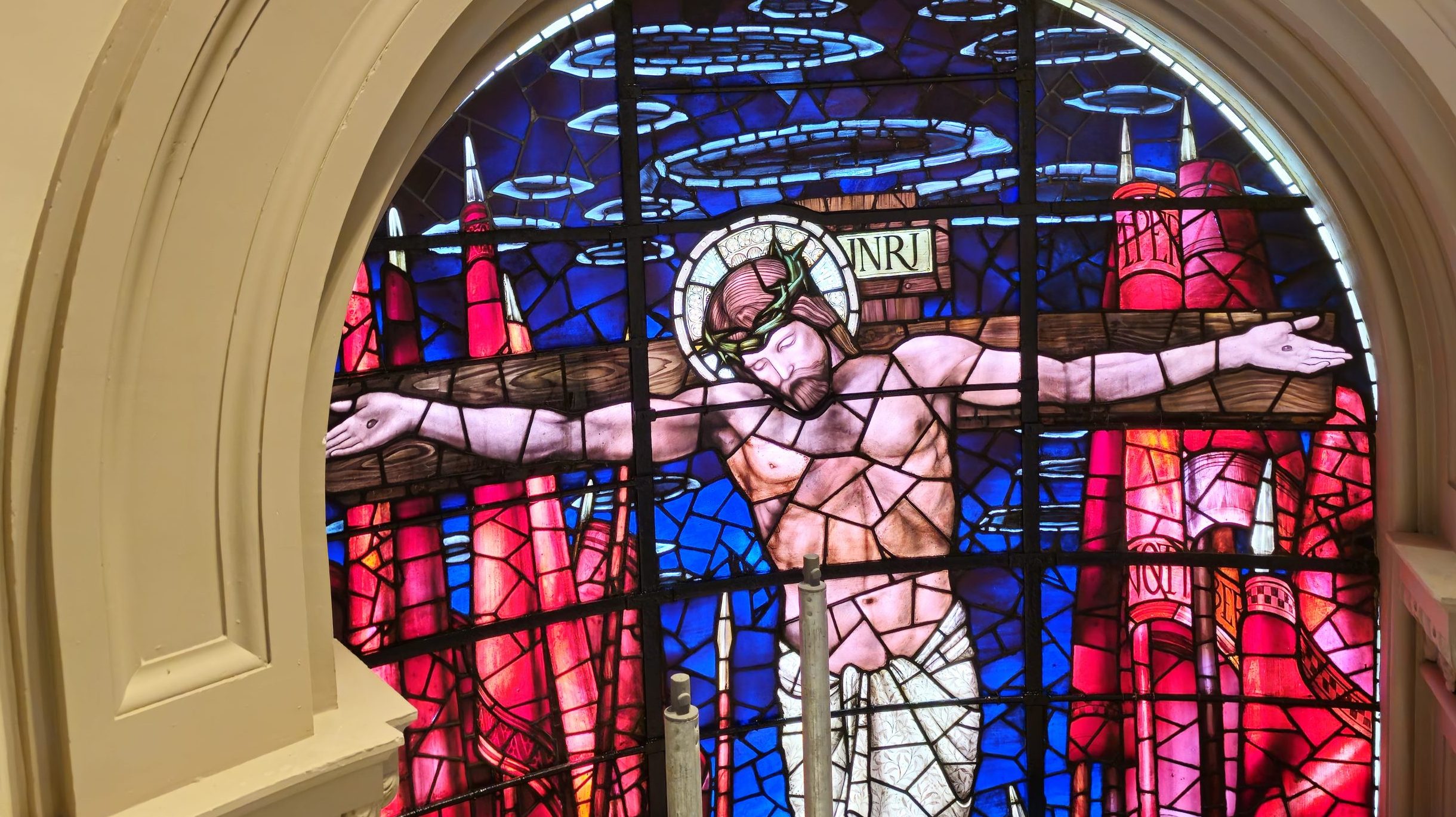
I grew up around more than one way of talking about right and wrong, and I learned early that the words we use matter. In some Christian circles, sin is spoken of as a single, devastating reality. In Catholic life, you will often hear a more textured vocabulary: mortal sin and venial sin. For many people, that distinction can feel intimidating, or oddly legalistic. It makes more sense when you see what it is trying to protect: a clear picture of how love can be wounded, and how love can be refused.
This article focuses on particular acts and choices. The Catholic tradition does have a background belief about inherited human brokenness, sometimes called original sin. But the mortal versus venial distinction is primarily about how specific actions affect a person’s relationship with God.
The heart of the Catholic distinction
In Catholic moral theology, not all sins are equal in their spiritual effect. The tradition uses two main categories:
- Venial sin: sin that wounds your relationship with God but does not destroy it.
- Mortal sin: sin that breaks friendship with God, understood as the loss of sanctifying grace, when certain conditions are met.
A simple way to hold it is this: venial sin is like choosing against love in a real but limited way. Mortal sin is choosing against love so fully that it becomes a rupture.
One clarification helps right away. Catholic teaching distinguishes between grave matter (the objective seriousness of an act) and mortal sin (grave matter plus full knowledge and full consent). An action can be grave in itself, while a particular person’s culpability may be reduced.
What Catholics mean by mortal sin
According to Catholic teaching, a sin is mortal when it involves a serious turning away from God in a matter that is truly grave. The Church commonly explains this with three elements. All three are needed.
1) Grave matter
Grave matter means the action is seriously wrong in itself. Catholics often connect grave matter to the Ten Commandments and to acts that deeply harm persons, communities, or one’s covenant with God.
Rather than treating this as a definitive catalog, it can help to think in terms of the kinds of actions Catholic teaching often describes as potentially grave, depending on circumstances:
- Deliberate, serious harm to another person (violence, abuse)
- Adultery
- Theft of significant value or exploitation
- Perjury or serious dishonesty that causes major harm
- Persistent, willful neglect of serious responsibilities
- Sexual acts the Church identifies as contrary to chastity, while recognizing that personal culpability can vary
It is important to say this gently but clearly: Catholics do not call something “grave” to shame people. The point is to name when real damage is done, to God, to neighbor, and to the soul.
2) Full knowledge
For a sin to be mortal, a person must have full knowledge that the act is seriously wrong. This does not mean someone has to know technical theology. It means they understand, in a meaningful way, what they are choosing.
Ignorance can lessen guilt. So can confusion, poor formation, or situations where someone genuinely did not grasp the seriousness.
3) Deliberate consent
Deliberate consent means the person freely chooses the act. If someone’s freedom is significantly compromised, that can reduce or even remove mortal culpability. Catholics often mention factors like intense fear, coercion, addiction, severe emotional disturbance, or psychological conditions as possible limits on full consent.
Put together, the Catholic claim is not “one bad choice and you are out.” It is more precise: mortal sin is a fully chosen, seriously harmful turning away from God.
What venial sin is, and why it matters
Venial sin refers to wrong actions that do not meet the conditions for mortal sin. This can happen in two main ways:
- The matter is not grave, even though it is still wrong.
- The matter may be grave, but the person lacks full knowledge or full consent.
Venial sin does not “end” a person’s relationship with God in Catholic teaching, but it can weaken charity over time. In everyday language, it can train the heart toward smaller selfishnesses that make bigger selfishnesses easier later on.
That is why many Catholics take even venial sin seriously, not because they are trying to live in anxiety, but because they want to live in love with a clean conscience.
What each does to your relationship with God
Mortal sin: rupture in friendship
In Catholic belief, mortal sin results in the loss of sanctifying grace, often described as a state in which the soul is no longer living in the intimate life of God. The language can feel stark because it is describing a real spiritual rupture: a person has chosen something incompatible with love of God in a decisive way.
This is also why Catholics connect mortal sin with the need for reconciliation before receiving Communion. The Eucharist is communion, not only with Christ, but with the whole life of grace that communion signifies.
Venial sin: wounded, not destroyed
Venial sin is believed to wound charity but not kill it. Your friendship with God remains real, but it is impaired. In a relational sense, it is like the difference between a serious betrayal and the smaller daily unkindnesses that still need repair.
How Catholics discern mortal sin
Many people hope for a tidy checklist. Catholic teaching gives guiding principles, but it also recognizes something very human: only God fully sees the heart. The Church can name actions that are grave in themselves, but a person’s knowledge and consent are interior.
If you are trying to discern your own situation, Catholics are typically encouraged to:
- Examine whether the act involved grave matter.
- Ask honestly whether you had full knowledge at the time.
- Consider whether you gave deliberate consent or whether your freedom was compromised.
- Talk with a trusted priest or spiritual director, especially if scrupulosity or anxiety is involved.
One pastoral note worth holding close: people who are most frightened they have committed mortal sin are often the very people whose conscience is still tender. At the same time, fear can also come from scrupulosity or from plain exhaustion. Either way, you do not have to sort it out alone, and wise guidance can bring real peace.
How confession fits in
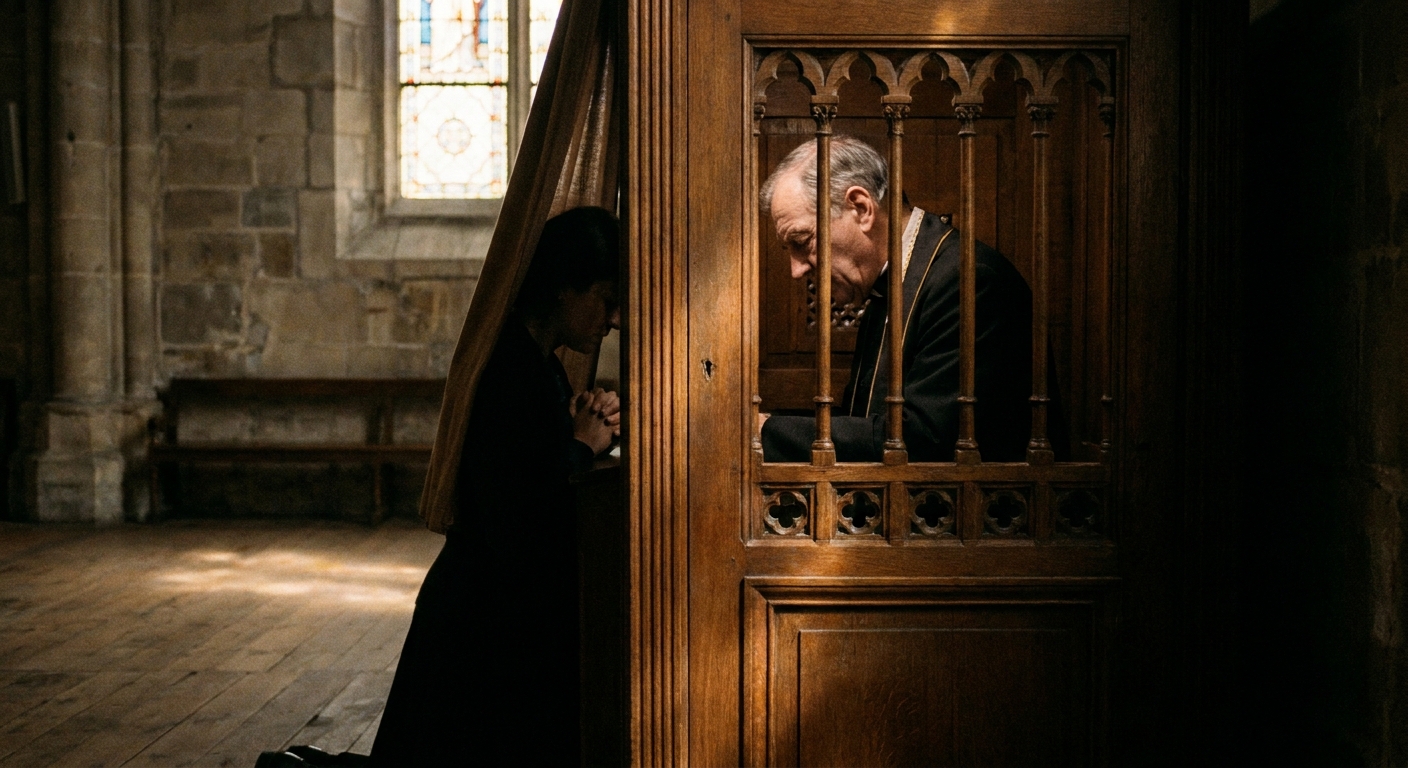
In Catholic practice, the Sacrament of Reconciliation is a place where grace meets honesty.
- Mortal sins are meant to be confessed in kind and number, as far as possible after a diligent examination of conscience, because reconciliation is understood to restore sanctifying grace.
- Venial sins can be confessed too, and many Catholics do confess them because confession also brings healing, clarity, and strength against future temptation.
Catholic teaching also holds that venial sins can be forgiven in multiple ways, including sincere prayer, acts of charity, penitential practices, and receiving the Eucharist with a proper disposition. None of this is meant to bypass confession for mortal sin, which is why Catholics are taught to seek reconciliation before Communion when they believe they have fallen into mortal sin.
If someone believes they are in mortal sin and cannot get to confession right away, Catholic tradition also speaks about making an act of perfect contrition, paired with the firm intention to confess as soon as possible. In ordinary Catholic life, though, the simplest and safest counsel is still: go to confession as soon as you reasonably can.
Where original sin fits, and where it does not
Because the terms can get tangled, it helps to separate them:
- Original sin in Catholic thought refers to an inherited condition of fallenness, not a personal act you committed.
- Mortal and venial sins are categories for personal acts, choices we make with varying degrees of seriousness and freedom.
In other words: original sin is the background landscape. Mortal and venial sin are about the paths we choose to walk.
How many Protestants talk about sin
Many Protestant traditions do not use the mortal versus venial framework, even though they still recognize that some sins are more destructive than others in real life.
Common Protestant approaches include:
- All sin is damning apart from grace: In some Reformed and evangelical settings, sin is often framed as universally serious because any sin reflects a heart turned from God. The emphasis is often less on classifying acts and more on the need for Christ’s saving work.
- Greater and lesser sins without fixed categories: Many Protestants acknowledge degrees of seriousness, pointing to biblical language about “weightier matters” or more severe wrongdoing. They may still avoid saying that particular acts sever salvation in a sacramental sense.
- Strong warnings focused on apostasy: Some communities reserve their strongest language for persistent, willful rejection of faith, sometimes described as falling away or hardening the heart over time.
So if you come from a Protestant background, Catholic language can sound unfamiliar. It is not because Catholics think grace is small. It is because Catholic theology often speaks of grace as something that can be received, deepened, wounded, or lost through personal cooperation or refusal.
Common questions people carry
Is mortal sin just breaking a rule?
In Catholic intent, no. It is not meant as a tally sheet. It is a way of describing a choice that is deeply incompatible with love of God and neighbor. Rules matter, but relationship is the heart of it.
Can the same action be mortal for one person and venial for another?
Yes, in the sense that culpability can differ based on knowledge and consent. The moral reality of an action can be grave, while a particular person’s responsibility may be reduced by circumstances.
What if I am not sure?
If you are Catholic, bring that uncertainty into confession and ask for guidance. If you are not Catholic, it can still be helpful to reflect on the three elements as a moral mirror: how serious was the harm, how clearly did I understand it, and how freely did I choose it?
Does this teaching exist to scare people?
At its best, it exists to tell the truth about love. Love can be bruised, and love can be refused. The good news, which Catholics and Protestants share in their own ways, is that God’s mercy is not fragile. Repentance is not the end of the story. It is the doorway back into it.
A closing reflection
When I sit in my garden on the Oregon coast and watch my dogs nose around the rosemary and damp earth, I am reminded how ordinary life is, and how spiritual life is, too. We learn love in small choices, and we learn unlove there as well. The Catholic distinction between mortal and venial sin is, at its core, an attempt to speak honestly about what our choices do to the soul.
If you are wrestling with these categories, try approaching them less like courtroom terms and more like relationship language. Ask: What strengthens love? What weakens it? What breaks it? And then, just as importantly: What heals it?