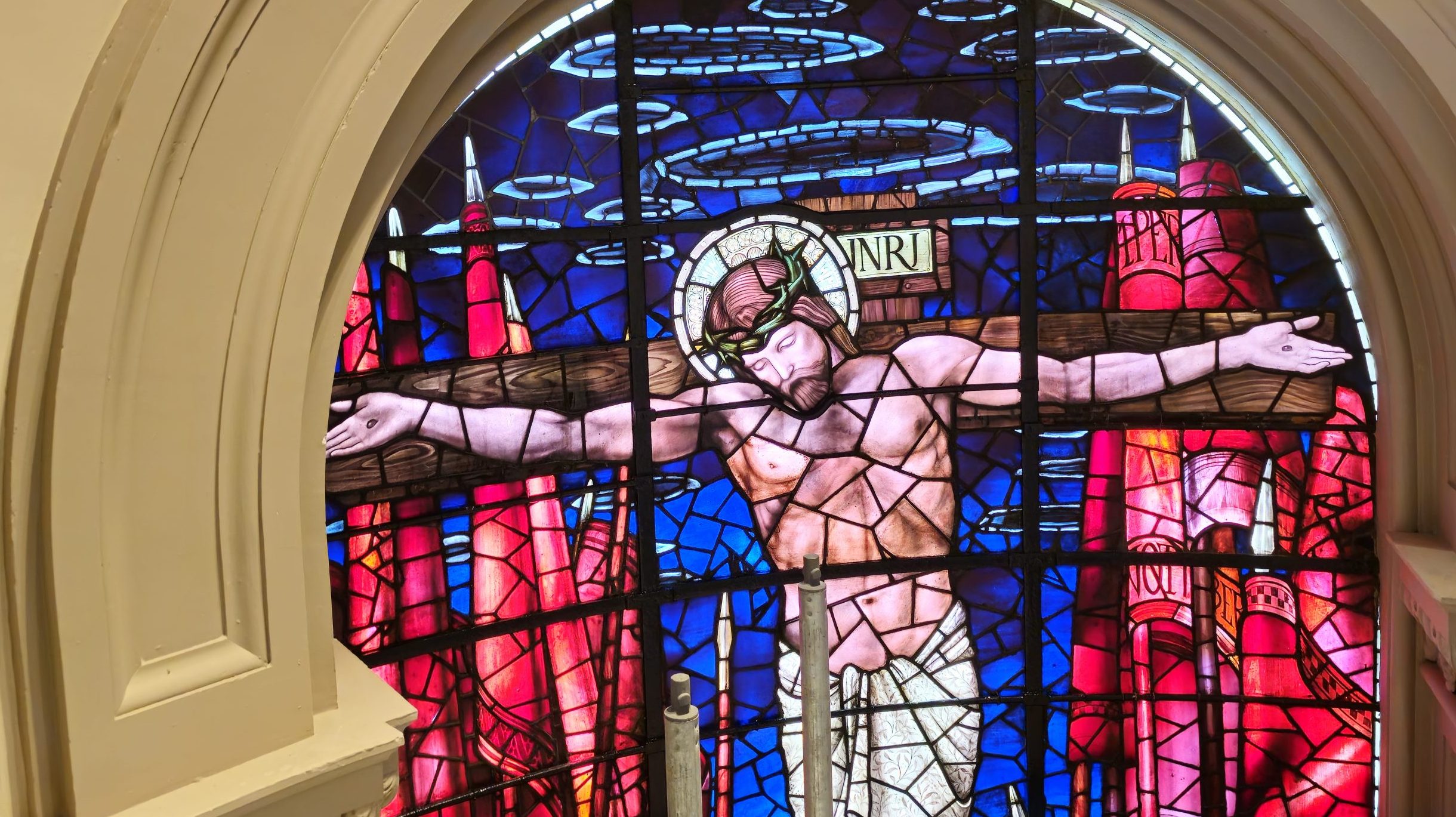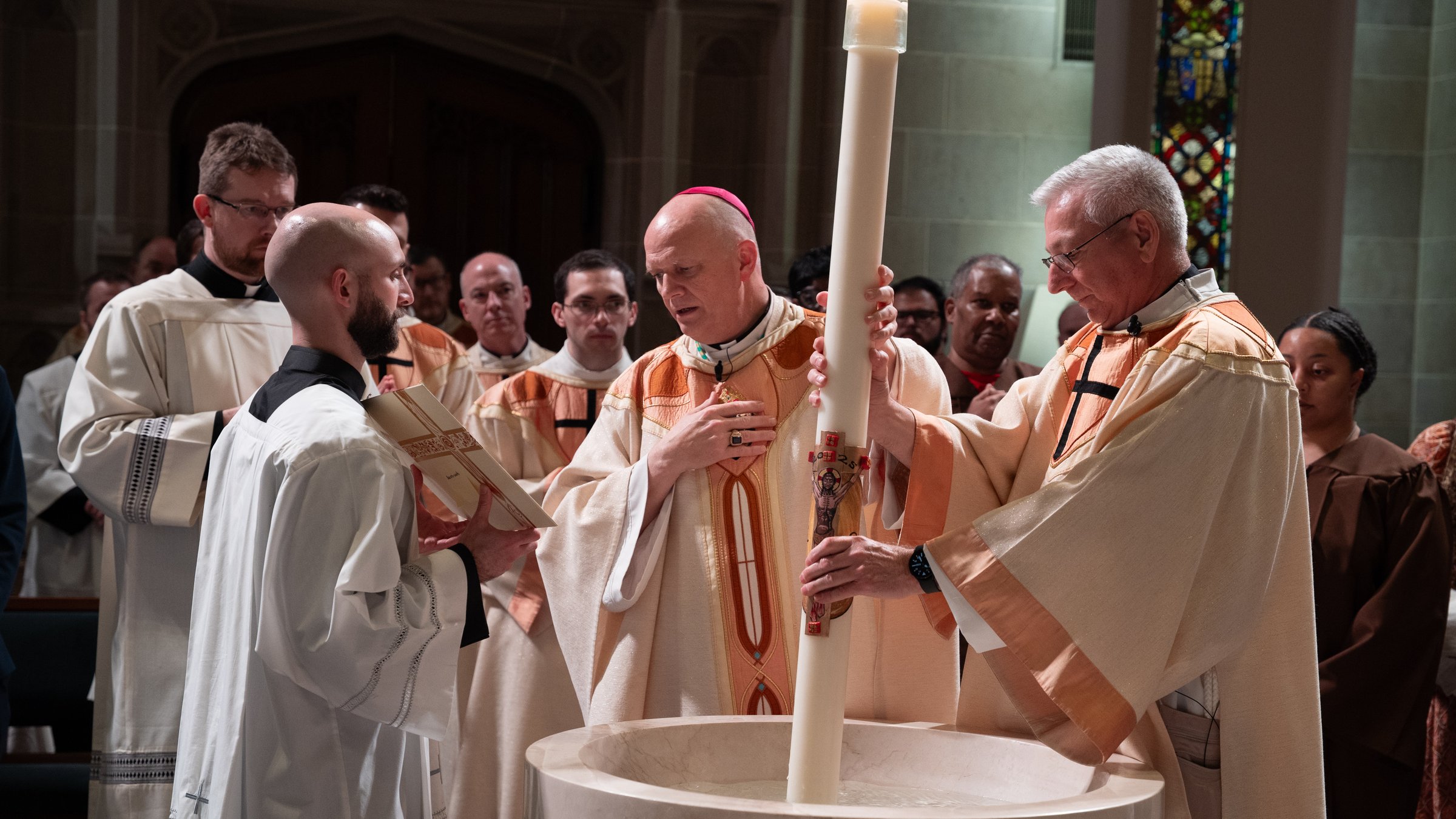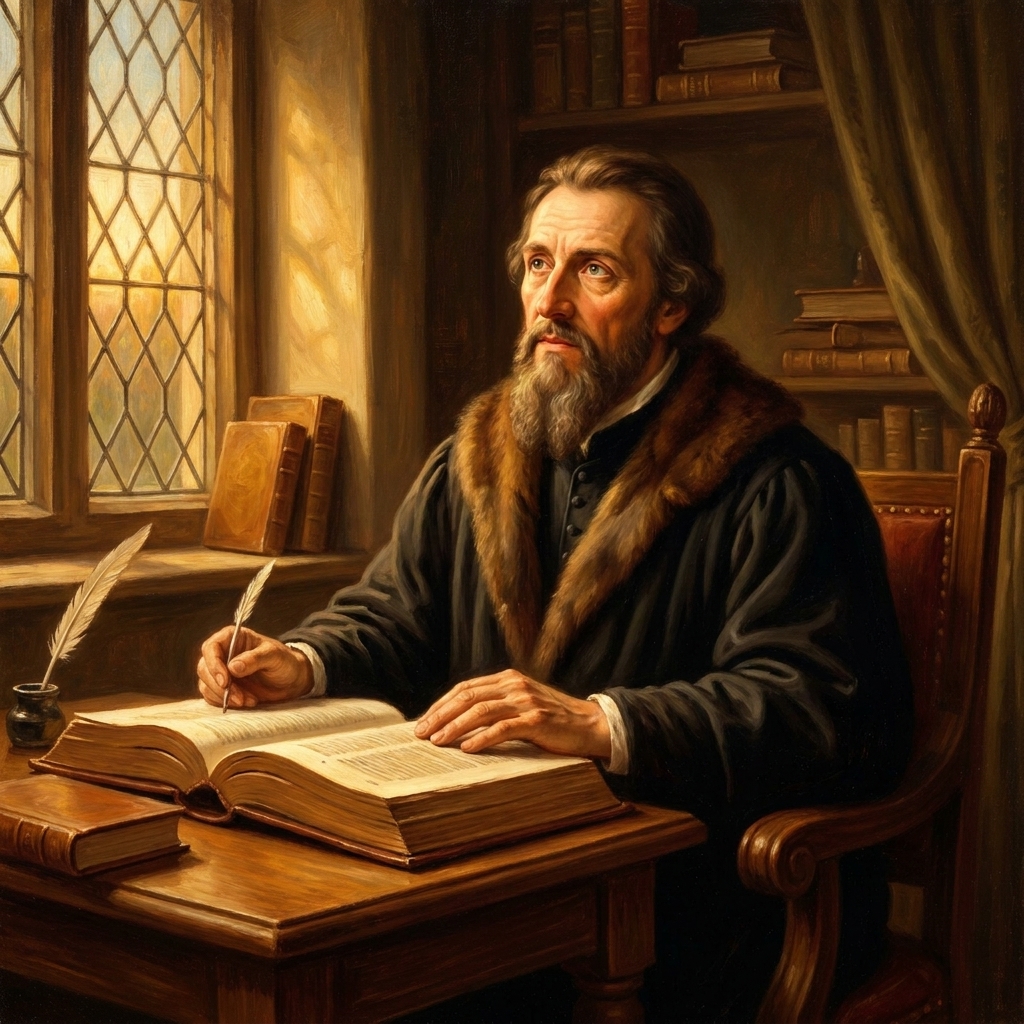
“Original sin” can sound like a legal charge stamped onto a newborn. But in many Christian traditions, it is less about a baby being personally guilty and more about the human condition being wounded at its root. It is a way Christians talk about why even our best intentions so often tangle with fear, selfishness, and harm, and why healing requires more than willpower.
At the same time, some Western (especially Augustinian) approaches do speak in terms of inherited guilt or imputation, even while still distinguishing that inherited state from the personal, chosen acts we commit. So it helps to slow down, define terms, and notice how different traditions can use the same words but mean different things.
This idea has shaped how Christians understand grace, baptism, salvation, and everyday moral struggle. So let’s define it in plain language.
The basic idea
At its simplest, original sin is the belief that something went wrong at the beginning of the human story, and that this damage affects all of us.
Christians often describe that damage in three overlapping ways:
- A bentness inside us: an inner tilt toward self-protection, pride, and turning inward, even when we know better.
- A brokenness around us: the world is not as it should be, and we are born into patterns we did not start but still participate in.
- A separation we cannot fully mend alone: reconciliation with God is not something we accomplish by moral effort, but something received as grace.
In other words, original sin is Christianity’s way of saying: the problem is deeper than “bad choices,” and the cure is deeper than “try harder.”
Original sin vs first sin
People sometimes mix up two related ideas:
- The first sin refers to the primal human act of disobedience described in Genesis 3.
- Original sin refers to the enduring condition that results from that rupture, the ongoing human predicament that touches everyone.
Different traditions explain the link between the two differently, but this distinction helps keep the conversation clear.
Biblical roots
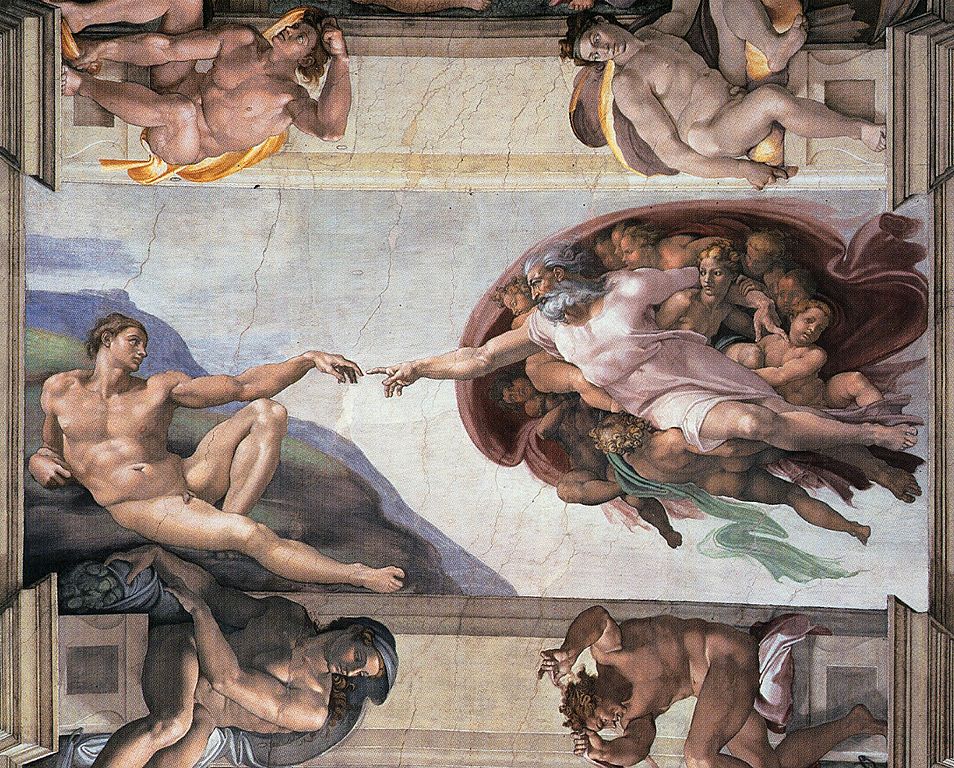
The classic starting point is Genesis 3, the story of Adam and Eve eating from the tree of the knowledge of good and evil. Christians read Genesis in different ways: as a literal historical account, as a sacred story conveying theological truth through narrative, or as something in between. Across those readings, the story functions as a theological mirror. It shows humanity grasping for life on our own terms, distrusting God’s goodness, and feeling the ripple effects: shame, blame, hiding, and relational fracture.
In the New Testament, Romans 5 is especially important. Paul contrasts Adam and Christ, describing how sin and death spread through humanity and how Christ’s life, death, and resurrection open a new humanity shaped by grace.
One reason debates arise is that the Bible does not present a single technical definition of “original sin.” Instead, Christians draw the concept from a tapestry of themes: universal sin, the reign of death, the need for redemption, and the reality that humans do not begin life on a morally neutral playing field.
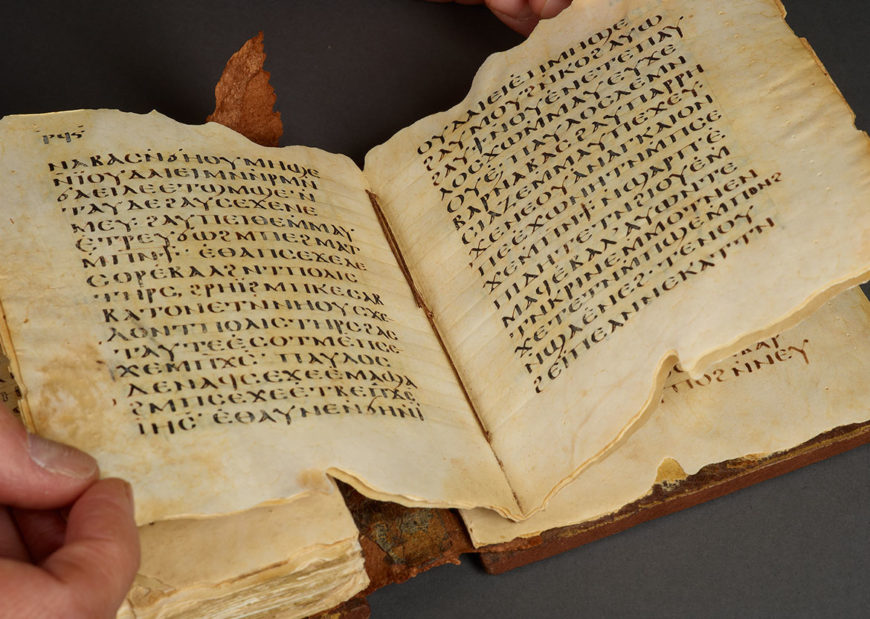
Why the West got technical
In the early church, the debate became especially sharpened in the West through the clash between Augustine and Pelagius. Pelagius emphasized human moral ability and viewed sin mainly as learned behavior; Augustine argued that humanity inherits a deep-seated corruption that leaves us unable to heal ourselves apart from grace. Later Western theology, including the Reformation, developed many of its sharper categories from this backdrop.
Two key questions
When Christians disagree about original sin, they are often answering two different questions.
1) What do we inherit?
Is it guilt, a corrupted nature, the reign of death, or some combination? Traditions answer with different emphases.
2) How is it passed on?
Is original sin “transmitted” biologically, socially, spiritually, covenantally, or by being born into a world already alienated from God? Again, language varies.
Almost everyone agrees that we each commit our own sins. The harder question is whether we begin life already bearing something we did not personally choose.
How traditions explain it
Catholic teaching
In Catholic theology, original sin is described as the loss of original holiness (sometimes called original justice) and a wounded human nature. It is not mainly “you personally did something wrong before you were born,” but “you were born into a humanity deprived of what it was meant to have.”
Catholic teaching also uses a word you may have heard: concupiscence, meaning an ongoing inclination toward sin, a kind of inner disorder. Importantly, Catholic theology teaches that concupiscence remains even after baptism, and that this inclination is not itself counted as sin in the baptized, though it can lead toward sin.
Catholic theology typically distinguishes between:
- Original sin as a condition that needs healing.
- Personal sin as our freely chosen acts.
This is why baptism holds such weight in Catholic life. Baptism is understood as truly doing something, not just symbolizing something: cleansing from original sin, restoring life in Christ, and grafting a person into the church.
One related Catholic teaching readers often wonder about is Mary and the Immaculate Conception, the belief that Mary was preserved from original sin by God’s grace in view of Christ’s merits, as a singular preparation for her role in Jesus’s life.
Eastern Orthodox teaching
In Eastern Orthodox Christianity, you will often hear the phrase ancestral sin rather than original sin. Orthodoxy typically emphasizes that what we inherit is not personal guilt in a juridical sense, but the consequences of humanity’s turning from God: mortality, corruption, and an inner condition that inclines us toward sin.
From this perspective, sin is frequently described with a “sickness and healing” vocabulary. Salvation looks like participation in God’s life, transformation, and restoration of communion. Baptism is still central, understood as incorporation into Christ’s death and resurrection and the beginning of a healed life in the church.
Protestant traditions
Protestants are not all on the same page. Many inherit key themes from Augustine and the Reformers, but others, including some Anabaptist and Restorationist streams, frame the fall and inherited sin differently, sometimes resisting the language of inherited guilt while still stressing universal sinfulness and the need for grace.
A common Protestant emphasis, especially in Lutheran and Reformed families, is that the fall leaves humans not merely wounded but unable to save themselves by moral striving. Salvation is therefore by grace through faith, grounded in what God does in Christ.
Within Protestantism, you will find different ways of describing the depth of the damage:
- Reformed traditions often speak of “total depravity,” which does not mean people are as bad as possible, but that sin affects every aspect of human life, including our desires and perceptions. Some Reformed confessions also speak more explicitly of Adam’s guilt being imputed to humanity.
- Lutheran traditions emphasize humanity’s bondage to sin and the necessity of God’s freeing word and promise.
- Wesleyan and Methodist traditions strongly affirm original sin while also emphasizing prevenient grace, God’s grace that comes before our response and enables real transformation.
These differences show up in baptismal practice too. Catholics and Orthodox treat infant baptism as sacramental incorporation into Christ’s life. Many Reformed churches baptize infants as a covenant sign of God’s promise. Baptist and many free-church communities reject infant baptism and practice believer’s baptism, even while affirming that humans are inclined toward sin from the start.
Are babies born guilty?
This is the emotional heart of the question for many people, especially parents. And it deserves a gentle answer.
Some Christian formulations, especially in certain Western traditions, have spoken of inherited guilt. Many other formulations resist that language and insist on a distinction between:
- Inherited condition (a damaged spiritual environment, a wounded nature, mortality, corruption).
- Personal culpability (what we are responsible for in our choices).
Think of it like being born into a family system where patterns of harm already exist. A child is not to blame for the patterns, but the patterns still shape the child’s life. Christianity’s claim is that humanity’s “system” is spiritually disordered in a way no one escapes.
At the same time, Christians also insist on something equally foundational: every child is beloved, made in God’s image, and worthy of care, protection, and delight. Original sin is not meant to erase human dignity. It is meant to explain why dignity and brokenness coexist in the same heart.

Why it matters
It can be tempting to treat this doctrine as abstract or outdated. But it quietly shapes several core Christian convictions.
Grace
If the problem is only “a few bad habits,” then self-improvement could be enough. Original sin is Christianity’s insistence that we need rescue and renewal, not just advice. Grace is not a spiritual bonus. It is oxygen.
Jesus
Christians claim Jesus is not merely a moral teacher. He is the one who enters the human condition at its roots and begins a new humanity. Paul’s “Adam and Christ” contrast (Romans 5) makes more sense when original sin is understood as a shared human predicament.
Baptism and formation
Different traditions connect the dots differently, but original sin is one reason baptism, repentance, confession, and ongoing transformation matter. The spiritual life is not a one-time reset. It is lifelong healing.
Real life
Even people far from church language often resonate with the lived reality behind the doctrine: we are capable of beauty and generosity, and also of repeating harm we swore we would never repeat. Original sin gives that reality a theological name and points toward a theological hope.
Common misunderstandings
“Humans are worthless.”
In historic Christianity, human beings are both fallen and image-bearers. The doctrine is about damage, not disposal. It is meant to drive us toward mercy, not contempt.
“It is just about sex or the body.”
Sometimes people assume Genesis is mainly about sexual shame. But the story is broader: mistrust, grasping, hiding, blame, and rupture. Most Christian theology understands sin as a misdirected heart, not simply bodily appetite.
“If we inherit sin, we are not responsible.”
Christian thought generally holds both truths: we are shaped by what we did not choose, and we are responsible for how we respond. Inherited woundedness does not cancel agency. It explains why agency is hard.
Simple summary
If the vocabulary feels like a lot, here is a beginner-friendly way to hold the differences:
- Most Christians agree: humanity is universally affected by a fall into sin and death; we cannot heal ourselves apart from God; Christ is the answer.
- Catholics often emphasize: deprivation of original holiness and the need for sacramental grace, with a careful distinction between inherited condition and personal sin, and concupiscence as an inclination that remains after baptism.
- Orthodox often emphasize: ancestral sin as mortality and corruption rather than inherited guilt, and salvation as healing and participation in God’s life.
- Many Protestants emphasize: the depth of human inability to save ourselves and the centrality of grace through faith, with wide diversity on how inherited sin and baptism are framed.
Living with it
Original sin can sound like Christianity’s most pessimistic idea. But for many believers it functions as a strange kind of realism, even mercy. It says: if you keep finding yourself stuck, it might not be because you are uniquely broken. You are human. And you are not left alone in it.
If you come from a Christian background, it may help to ask two gentle questions:
- Where do I notice the “bentness” in me? Not with shame, but with honesty.
- Where do I notice grace meeting me anyway? In forgiveness received, in a new desire to make amends, in a capacity to love that feels bigger than ego.
Original sin, at its best, is not a doctrine meant to pin you down. It is meant to point beyond you, toward the possibility of being remade.

FAQ
Is original sin in the Bible?
The phrase “original sin” is not used as a neat definition in Scripture, but the concept is developed from Genesis 3 and reflected in New Testament passages like Romans 5 that describe sin and death affecting all humanity, and Christ bringing a new life.
Do all Christians believe in original sin?
Most historic Christian traditions affirm some form of it, but they explain it differently. Some groups reject inherited guilt or the doctrine outright, or reinterpret it heavily, including certain liberal Protestant theologies and some Restorationist communities. Historically, the church also condemned Pelagian and related “we can fix ourselves” approaches because they downplayed humanity’s need for grace.
Is original sin the same as total depravity?
Not exactly. “Total depravity” is a specific term in some Reformed traditions. It is related to original sin but focuses on how deeply sin affects human nature, including our ability to choose God apart from grace.
If original sin is real, why do people still do good?
Christianity typically teaches that humans still bear God’s image and that God’s grace is at work in the world. Original sin describes a wound, not the erasure of goodness.