Grace is one of those Christian words that can sound beautiful and slightly slippery at the same time. People say it before meals, sing about it in hymns, and lean on it in grief. But what do Christians actually mean when they talk about grace?
In plain language, grace is God’s freely given goodness toward people who do not earn it. It is love that arrives before we have cleaned ourselves up. It is help offered before we have proven we deserve it. It is God’s steady “yes” that does not depend on our spiritual performance.
A simple definition
Most Christians would recognize some version of this: grace is unearned favor. Not a wage. Not a trophy. Not a reward for being a “good enough” person.
If you grew up hearing that Christianity is mostly about rules, grace is the word that gently disrupts that assumption. It points to a God who initiates relationship, forgiveness, and transformation as a gift.
A common summary you may hear in churches is: “Grace is God’s love reaching down to us.” Another is: “Grace is what God gives that we cannot give ourselves.”
Grace in the Bible
Christians talk about grace because the Bible talks about it, often in language that contrasts God’s gift with human effort. For clarity, the quotations below are from the English Standard Version (ESV).
- Ephesians 2:8–9: “For by grace you have been saved through faith. And this is not your own doing; it is the gift of God, not a result of works, so that no one may boast.” Many Christians see this as a clear statement that salvation begins in gift, not achievement.
- Romans 3:23–24: “For all have sinned and fall short of the glory of God, and are justified by his grace as a gift, through the redemption that is in Christ Jesus.” Grace is connected to being “set right” with God.
- 2 Corinthians 12:9: “But he said to me, ‘My grace is sufficient for you, for my power is made perfect in weakness.’” Here grace is not only forgiveness, but strength given in weakness.
- John 1:16–17: “For from his fullness we have all received, grace upon grace. For the law was given through Moses; grace and truth came through Jesus Christ.” This ties grace to the person of Jesus, not just an abstract idea.
Across these passages, grace shows up in more than one key. Sometimes it is pardon. Sometimes it is power. Sometimes it is the steady presence of God when life is unraveling.
Grace and salvation
When Christians talk about salvation, “grace” usually sits near a few other words: faith, forgiveness, justification, and mercy. They overlap, but they are not identical.
Grace and mercy
A simple distinction many pastors use is:
- Mercy: not receiving the punishment you deserve.
- Grace: receiving good you do not deserve.
In practice, Christians often speak of them together because the cross is seen as both: mercy that withholds condemnation and grace that offers reconciliation.
Grace and faith
In many Christian traditions, faith is the way grace is received. That does not mean faith “earns” grace, like inserting coins into a machine. It means trust opens our hands to what God is giving.
This is why you may hear phrases like:
- “We are saved by grace.”
- “We receive it through faith.”
- “It’s not by works.”
Grace and Jesus
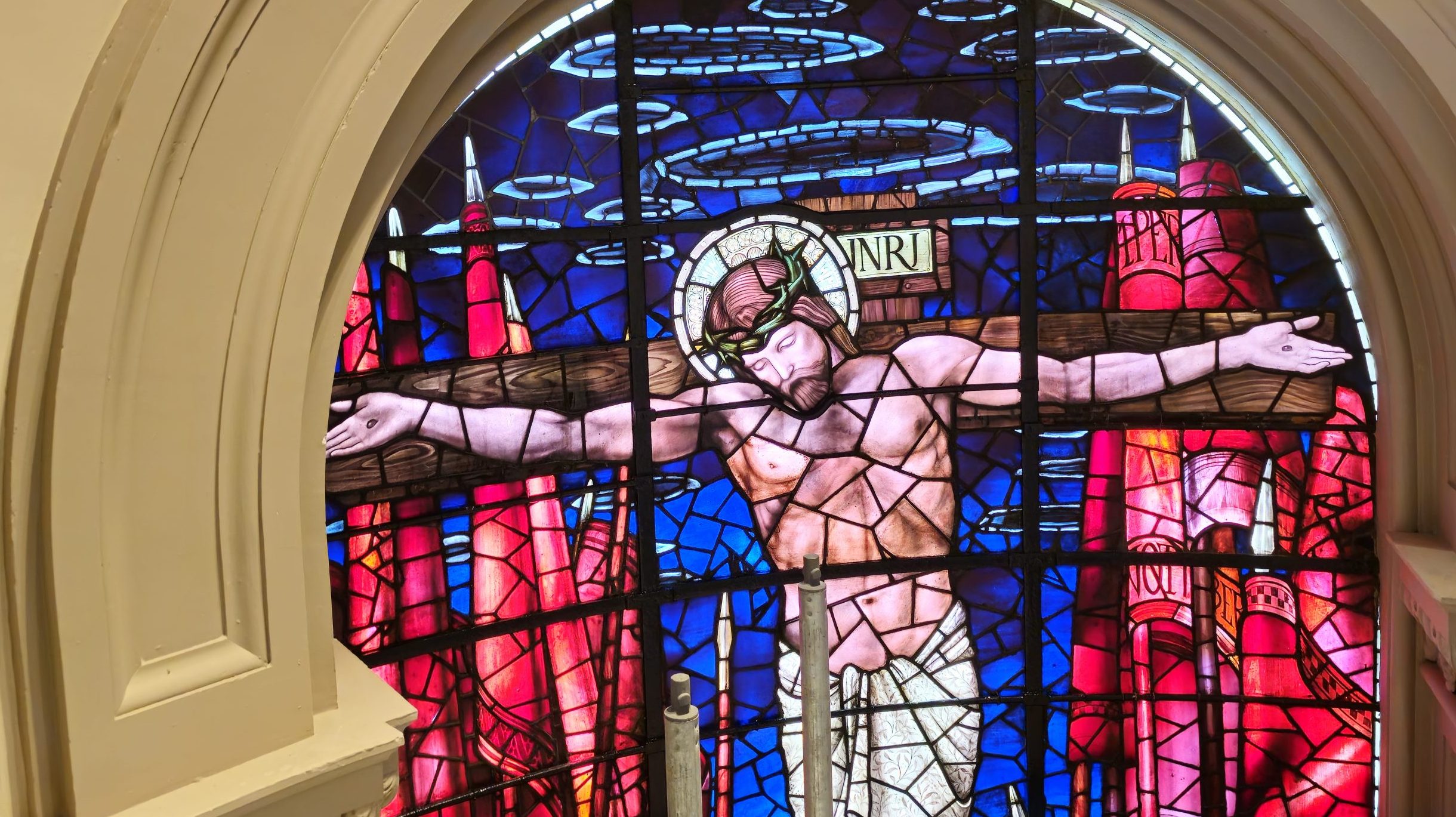
For Christians, grace is not primarily an inspiring concept. It is rooted in the life, death, and resurrection of Jesus. Jesus is understood as God’s grace made visible, personal, and near. In that sense, grace is not just something God gives. It is something God comes as, in Christ.
Different perspectives
Christians broadly agree that grace is a gift, but they sometimes emphasize different aspects of how grace works in the life of a believer and the life of the church.
Catholic and Orthodox
In Catholic and Orthodox spirituality, grace is often described as God’s life at work in us, healing what is wounded and drawing us into deeper communion with God. Grace is connected not only to forgiveness, but also to transformation.
There are important differences in how these traditions explain that gift. Catholic theology often distinguishes between God’s ongoing, deep-changing grace and the timely help God gives in specific moments. Orthodox writers often describe grace in terms of participation in God’s life, especially through what they call the mysteries. Still, both emphasize that grace is not merely a legal declaration. It is healing and union.
You may hear language about:
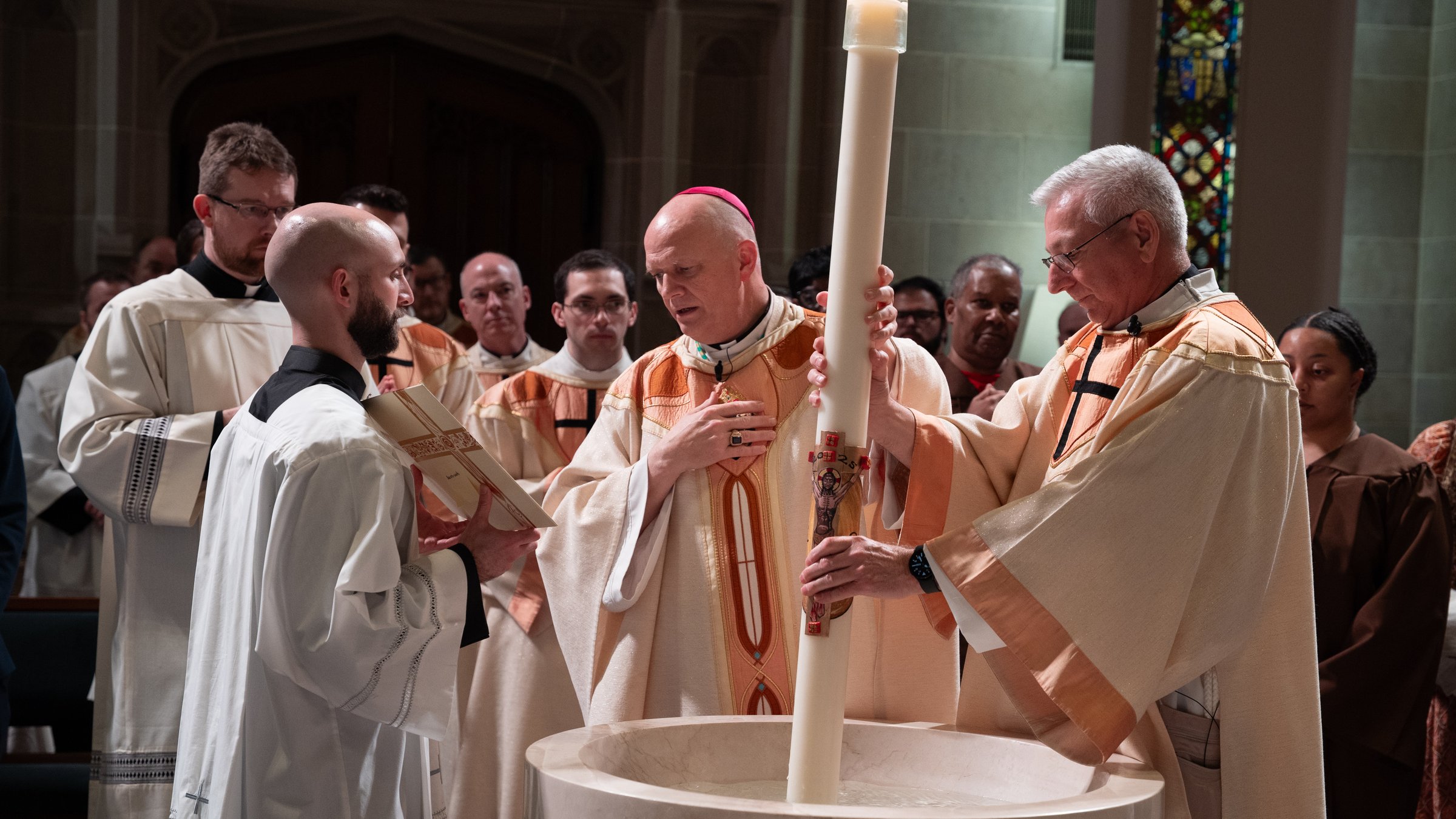
- Sacramental grace: grace received through the sacraments, such as baptism and the Eucharist.
- Growing in grace: becoming more Christlike over time by cooperating with God’s work.
Protestant
Many Protestant traditions emphasize grace as God’s unmerited favor that justifies sinners and provides real comfort for the conscience. Grace is often framed in contrast to trying to earn acceptance through moral effort.
Some Protestant communities speak strongly about assurance, confidence that God’s acceptance is grounded in Christ, not personal perfection. Others hold that confidence together with a more cautious emphasis on perseverance, ongoing repentance, and the lived fruits of faith. The common thread is that salvation begins and continues as gift.
You may hear language about:
- “Saved by grace alone”: a shorthand for the belief that salvation originates entirely in God’s gift.
- Assurance: in many settings, the idea that God’s welcome is anchored in Christ, not our spiritual track record.
These emphases are not mutually exclusive. They are like different windows on the same light.

Common grace and saving grace
Especially in some Protestant theology, you may hear people distinguish between two broad ways God’s grace shows up.
- Common grace: God’s goodness poured out widely in the world, such as the gift of life, the beauty of creation, restraints on evil, and everyday provisions and joys shared by believers and nonbelievers alike.
- Saving grace (often linked with sanctifying grace): God’s rescuing and renewing work that brings a person into reconciliation with God and continues to shape them into Christlikeness.
The labels vary across traditions, but the basic intuition is familiar: God is kind in more than one way, and his generosity reaches farther than we can measure.
Grace in daily life
Grace is not only the beginning of the Christian life. It is also the atmosphere Christians are meant to breathe in day by day.
Grace and failure
In real life, Christians often invoke grace when they are confronting their own limits. You might hear:
- “I really messed up. I’m asking God for grace to start again.”
- “I know I’m not defined by my worst day.”
- “I’m learning to receive grace instead of spiraling into shame.”
Grace does not make wrongdoing irrelevant. But it changes what failure means. Failure becomes a place to return to God, not proof that God is done with you.
Grace and relationships
Christians often talk about “extending grace” to others, meaning offering patience, forgiveness, or generosity when someone has not earned it.
That can sound soft until you try it.
Grace in relationships might look like:
- Listening all the way through an apology without rehearsing your rebuttal.
- Choosing clarity and kindness instead of sarcasm in a hard conversation.
- Holding a boundary without punishing the other person with contempt.
Grace and practices
Prayer, scripture reading, and worship can become exhausting if they are driven by the fear of not doing enough. In a grace-centered view, spiritual practices are less like paying a debt and more like showing up to receive.
Some believers describe it this way: “I don’t pray to convince God to love me. I pray because God already does.”
Grace and community
Grace does not stay private. In healthy Christian communities, grace spills outward into tangible life together: serving when it costs something, telling the truth without cruelty, making room at the table, and practicing generosity toward people who cannot repay. It is one reason churches often connect grace not only to forgiveness, but also to hospitality, justice, and care for the vulnerable.
How people use the word
Grace has a way of slipping into everyday sentences, especially in times of stress or tenderness. Here are a few common ways Christians use the word in real life, along with what they usually mean.
- “We’re saved by grace.” Meaning: God rescues and restores people as a gift, not because they earned it.
- “There but for the grace of God go I.” Meaning: humility, a recognition that our stability is fragile and not purely self-made.
- “Give yourself some grace.” Meaning: practice self-compassion, step out of shame, accept your limits while you learn.
- “I’m asking for grace right now.” Meaning: “I need strength, patience, or help beyond my own capacity.”
- “Let’s say grace.” Meaning: a prayer of thanks before a meal, acknowledging the gift of provision. This use is related in spirit and language, even if theologians often mean something broader when they talk about grace.
- “Extend grace to them.” Meaning: treat someone with mercy, patience, or generosity, even if it is not deserved.

Does grace mean anything goes?
This is a fair question, and it comes up often. If grace is undeserved kindness, does that mean actions no longer matter?
In Christian teaching, grace is not permission to harm. It is power to change.
The New Testament frequently holds together two ideas that people often separate:
- God forgives freely.
- God also calls people into a new way of living.
When grace is reduced to “no consequences,” it becomes cheap. When it is reduced to “try harder,” it stops being grace. The Christian claim is that God’s gift is both forgiving and transforming, welcoming and refining.
What grace feels like
Not everyone experiences grace as a sudden wave of emotion. Sometimes it feels quiet, even ordinary.
Grace can feel like:
- The relief of being fully known and still loved.
- The courage to tell the truth about yourself without self-destruction.
- A surprising softness toward someone you were determined to resent.
- Strength that arrives in weakness, not after you conquer it.
In retreats and small groups I have helped lead, I have watched people hit a simple turning point: they stop negotiating their worth and simply receive. That is often where grace becomes more than a word.
FAQ
Is grace the same as forgiveness?
Forgiveness is one expression of grace, but grace is broader. Grace includes pardon, yes, but also God’s sustaining help, guidance, and transforming presence.
Can someone lose grace?
Christians answer this differently depending on tradition. Many agree that God’s disposition is gracious, while debating how human freedom, persistence in faith, and repentance relate to receiving that grace over time.
Why do Christians say “Amazing Grace”?
The famous hymn celebrates grace as astonishing because it is given to the undeserving and because it has the power to change a person’s life. It tells the story of being found, forgiven, and remade.
How do I receive grace?
In most Christian teaching, grace is received by turning toward God with trust, often expressed through prayer, repentance, baptism, and participation in the life of the church. But at its core, receiving grace is less about mastering a technique and more about opening your hands to a gift.
A closing reflection
If you have ever felt spiritually tired, grace is the word Christianity offers like a cup of cool water. Not to deny your responsibilities, but to shift the foundation beneath them.
You are not loved because you are impressive. You are loved because God is good. And in the Christian imagination, that goodness does not merely tolerate you. It comes looking for you.