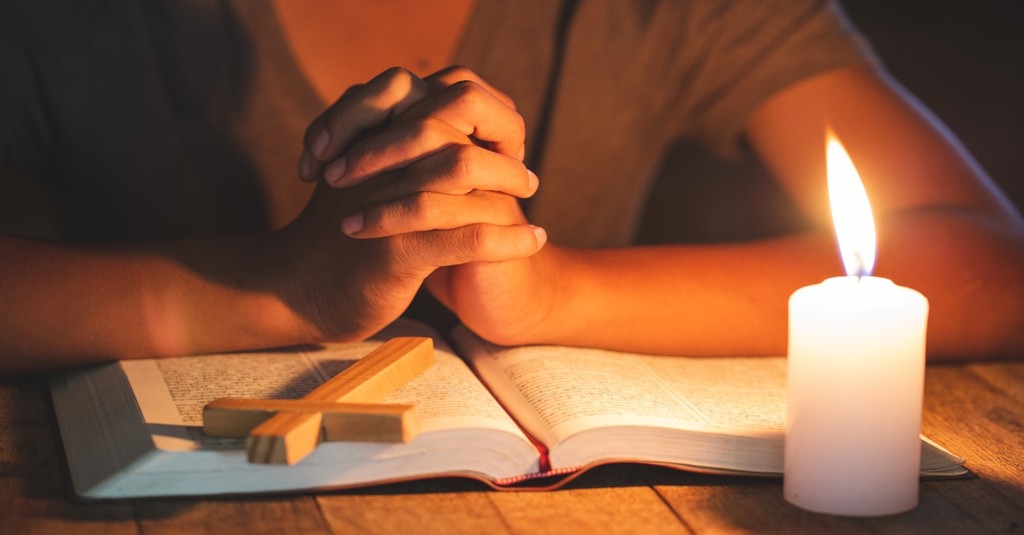
There is a particular kind of tiredness that sleep does not fix. You can be doing “all the right things” and still feel hollow inside: the prayers feel flat, the rituals feel like chores, and even words like faith or practice can start to make you flinch.
That experience is often called spiritual burnout. It is not a sign that you are failing. More often, it is a sign that something in you has been carrying too much for too long.

If your spiritual life feels like one more demand, your soul may be asking for care, not more effort.
Note: This article is supportive guidance, not a substitute for medical, mental health, or pastoral care. If your symptoms feel persistent or intense, consider reaching out for professional support.
What spiritual burnout can feel like
People describe spiritual burnout in different language depending on their tradition, personality, and life season. But the inner texture is often similar: depletion, disconnection, and a sense of pressure. Sometimes it looks very ordinary, like sitting down to pray and simply staring at the wall.
Common emotional signs
- Numbness where you once felt comfort, awe, or gratitude
- Guilt for not feeling “enough” devotion, faith, or sincerity
- Irritability around spiritual topics or community life
- Resentment when you are asked to serve, volunteer, or show up
- Fear that you have “lost” your faith, your way, or your connection to the Divine
Common spiritual signs
- Going through the motions in prayer, meditation, worship, or study
- Avoidance of sacred texts, gatherings, or practices you used to love
- Feeling spiritually “dry”, like your inner well has no water
- All-or-nothing thinking: if you cannot do it perfectly, you do not want to do it at all
- Increased scrupulosity, where spirituality becomes constant self-monitoring
Common body and life signs
- Chronic fatigue, headaches, tight chest, shallow breath
- Sleep changes, appetite changes, or low motivation
- Difficulty concentrating during prayer, reading, or silence
- A sense of being “on” all the time, especially if you serve in leadership
Spiritual burnout can overlap with depression, anxiety, grief, and trauma responses. Sometimes these experiences can feel intertwined, and stress can show up in the body as well as the heart. If you are feeling stuck, overwhelmed, or unsure what is happening, a trained professional can help you sort through it.
Why spiritual burnout happens
Burnout is rarely caused by one thing. It usually grows where sincere love meets ongoing strain. And it is not always personal. It can be shaped by group expectations, unhealthy spiritual cultures, or systems that reward overgiving.
1) Your practice became performance
When spiritual life becomes a way to prove something, to be the “good” believer, to stay acceptable, or to keep others from worrying about you, the heart quietly exits the room. The practices remain, but the aliveness fades.
2) You are carrying other people’s spiritual needs
Caregivers, clergy, group leaders, and the “strong friend” often absorb the emotional load of a community. Over time, even sacred service can start to feel like constant output with no replenishment.
3) You never get to be human
Some communities unintentionally teach that spiritual maturity means constant positivity, constant certainty, and endless availability. But grief, doubt, anger, and rest are not spiritual failures. They are part of a full human life.
4) Your life changed, but your practices did not
A practice that worked beautifully in your twenties may not fit the demands of parenting, chronic illness, caretaking, a new job, or a season of loss. Sometimes the burnout is simply a mismatch between your current capacity and your old expectations.
5) You are grieving or healing, and your spirit is protecting you
After trauma or deep disappointment, it can be hard to trust spiritual language. Even gentle practices can feel unsafe. Numbness can sometimes be a form of self-protection until you have enough support to soften again.
Burnout vs. normal dryness
Many traditions speak of seasons of dryness: times when faith feels quiet, prayer feels sparse, and the path feels ordinary. That is not always burnout.
- Normal dryness often still carries a thread of steadiness. You may feel bored or uninspired, but not crushed.
- Burnout usually comes with pressure and depletion. The practice feels heavy, urgent, or guilt-soaked, and it affects your relationships, body, and mood.
If you are not sure, try this question: “Do I feel more myself after spiritual practice, even slightly, or do I feel smaller?” Burnout tends to make you smaller.
How to recover without pressure
Recovery rarely looks like a sudden return to inspiration. More often it looks like a slow, honest rebalancing: less force, more care.
1) Give yourself permission to pause
If your spiritual life has become one more place you are punished, pausing can be an act of wisdom.
- Take a short “Sabbath” from optional commitments.
- Step back from leading, teaching, organizing, or mentoring if you can.
- Let yourself be a participant, not a producer.
Pausing is not quitting. It is making room for breath.
2) Downshift your practice, do not abandon it
When you are burned out, the goal is not intensity. The goal is contact: a small, real moment of connection.
Here are a few compassionate adjustments:
- Shorten it: one minute of prayer, five breaths of meditation, one verse, one candle lit with intention.
- Soften the language: if formal words feel impossible, speak plainly. “I am tired. Please help.”
- Change the posture: lie down for prayer, walk for meditation, sit in the car before you go inside.
- Trade striving for listening: instead of asking for answers, simply name what is true. For example: “I feel numb, and I am scared.”

3) Use low-demand spiritual resets
In burnout, gentle sensory practices often reach the soul more easily than complicated theology.
- Nature as sanctuary: a slow walk, noticing three things you can see and hear.
- Simple gratitude: list three honest gifts, even tiny ones.
- Breath prayer: inhale “Here I am,” exhale “Hold me.”
- Metta or lovingkindness: “May I be safe. May I be held. May I be at peace.”
- Lighting a candle: not as a performance, but as a small signal: “I am still here.”
4) Rebuild rest like it is sacred
Many people try to fix spiritual burnout with more discipline. Often the medicine is simpler: sleep, nourishment, and a life that is not constantly overdrawn.
- Choose a bedtime you can actually keep for one week.
- Eat something steady and grounding before you try to “go deep.”
- Take one responsibility off your plate if possible, even temporarily.
- Spend time with one person who does not require you to be impressive.
In many wisdom traditions, rest is not laziness. It is stewardship.
5) Let your values guide your next step
A helpful question is: “What kind of person am I trying to become?” If your goal is compassion, then your recovery plan should be compassionate. If your goal is integrity, your plan should be honest about what you can actually hold right now.
Practice adjustments for burnout
If you feel unsure how to practice when you are depleted, these options can help you stay connected without pushing past your limits.
If prayer feels impossible
- Pray in fragments: a sentence, a sigh, a single word repeated gently.
- Borrow words: a psalm, a mantra, a line of poetry, a prayer from your tradition, read slowly.
- Try complaint prayer: anger and confusion can be honest forms of relationship, not disobedience.
If meditation feels agitating
- Switch from silence to guided practice for a while.
- Try movement-based mindfulness: walking, stretching, washing dishes with attention.
- Keep eyes open and focus on a candle flame or a tree outside.
If spiritual study feels dry
- Read shorter passages.
- Choose commentary or reflections rather than dense material.
- Ask one gentle question: “What is this inviting me to release?”
Burnout is not the time for spiritual heroics. It is a time for kindness and realism.
What not to do right now
- Do not add big new spiritual commitments to “fix” the feeling. Pressure usually deepens burnout.
- Do not punish yourself back into connection with shame, harsh rules, or comparison.
- Do not isolate completely if isolation worsens your mood. Choose one safe person or one low-pressure touchpoint if you can.
When to seek support
Sometimes the most spiritual thing you can do is ask for help. Consider reaching out to a trusted faith leader, spiritual director, therapist, or counselor if:
- You feel persistently hopeless, numb, or trapped
- You cannot function at work or at home
- Your spiritual life is tangled with panic, intrusive thoughts, or intense fear
- You are processing grief, trauma, or a major life transition
- You feel pressured, controlled, or shamed by a community or leader
A good helper will not rush you back into performance. They will help you listen to what is happening beneath the exhaustion.

If you ever have thoughts of self-harm or feel unsafe, seek immediate support from local emergency services or a crisis line in your area. Your life matters more than any schedule or spiritual expectation.
A 7-day recovery plan
If your energy is low, try a plan that is deliberately modest. You can always add later.
Day 1 to 2: reduce the load
- Say no to one optional commitment.
- Choose one rest practice you can keep: earlier bedtime, a nap, a slower morning.
Day 3 to 4: choose a one-minute practice
- Light a candle and breathe for sixty seconds.
- Pray one honest sentence.
- Step outside and notice the sky.
Day 5 to 6: reconnect to what is life-giving
- Read a single page from a text or poet that feels nourishing.
- Listen to a piece of sacred music or a calming chant.
- Take a slow walk without turning it into productivity.
Day 7: ask for the next right support
- Text a trusted friend.
- Email a faith leader you respect.
- Schedule one counseling or spiritual direction appointment.
The point is not to “fix” your spiritual life in a week. The point is to signal to your nervous system and your soul: we are not abandoning you.
FAQ
Is spiritual burnout a sign I am losing my faith?
Not necessarily. Burnout is often a sign that your current way of practicing is unsustainable. Faith can remain, even when your energy, emotions, or community involvement needs to change.
What if I feel guilty for resting?
Guilt is common, especially if you learned that devotion equals constant output. Try reframing rest as responsibility: a way of protecting your capacity for love, patience, and presence.
Should I stop going to services or group gatherings?
It depends. Some people recover best by stepping back for a season. Others recover by attending in a low-pressure way without volunteering or socializing much. Choose the option that feels safest and most supportive.
What if my burnout is caused by spiritual harm or a controlling community?
Then recovery may require stronger boundaries and outside support. A trauma-informed counselor or a trusted leader outside that environment can help you sort what is yours to carry and what never should have been placed on you.
A closing blessing
If you are in spiritual burnout, please hear this as gently as I can say it: you do not need to punish yourself back into connection.
Your spirit may simply be asking for honesty, rest, and a simpler kind of faith for a while. Not smaller in meaning. Smaller in demand.
Start with one kind thing. Let it be enough for today.