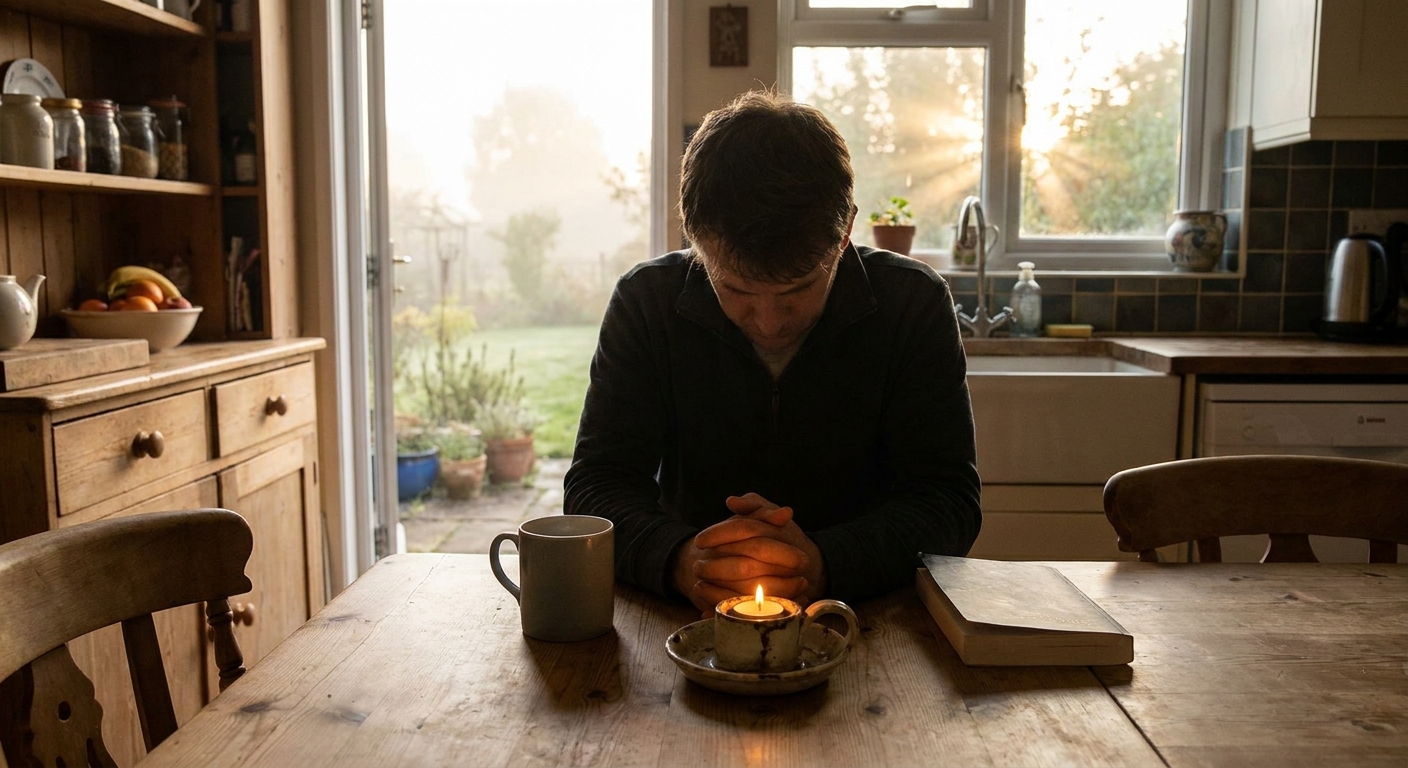
There is a particular loneliness to spiritual disconnection. You may still be showing up to the outward parts of faith or practice, yet inside you feel numb, skeptical, restless, or simply far away. If that is you, I want to say this plainly: you are not broken, and you are not the only one.
In many traditions I have studied, seasons of distance are treated as part of the path, not proof that you have failed it. The goal is not to force yourself into feeling something. The goal is to make small contact again, like placing a hand on a door to remember which way home faces.
Note: Use the name that fits your tradition, or none at all. “God,” “Allah,” “Hashem,” “the Divine,” “the Beloved,” “Spirit,” “Truth,” or simply “goodness” are all welcome here.

First, name the kind of disconnection
“Spiritually disconnected” can mean several different experiences. Before you try to fix anything, take a moment to identify what is actually happening. Clarity reduces shame.
Common forms of spiritual distance
- Emotional numbness: You pray, meditate, or attend services, but nothing lands.
- Anger or betrayal: You feel let down by God, community, leaders, or a tradition that promised certainty.
- Exhaustion: You are depleted by caregiving, grief, work, parenting, illness, or chronic stress.
- Quiet drift: No dramatic rupture, just a slow fading of practices that once felt natural.
- Values mismatch: Your beliefs have evolved, but your spiritual language has not caught up.
Reflection prompt: “If my spiritual disconnection could speak in one sentence, what would it say?”
Release the pressure to feel inspired
Many of us learned spirituality as performance: certainty, devotion, constant gratitude, constant trust. When the inner experience changes, we panic and try to manufacture it back.
But authentic spiritual life includes ordinary days. It includes doubt. It includes grief. It includes stretches where the heart feels like winter soil. You do not yell at a garden for being dormant.
You do not have to force closeness. You can practice availability.
If guilt is loud right now, try this reframe: instead of asking, “What is wrong with me?” ask, “What has been heavy lately?” From a trauma-informed perspective, disconnection can be a signal from your whole system, body and mind, asking for tenderness.
Try a small reconnection plan (10 minutes a day)
When you feel far away, grand gestures tend to backfire. Small, repeatable contact is what rebuilds trust, both with the Holy and with your own inner life.
A simple daily rhythm
- 2 minutes: breathe and notice. Sit or stand comfortably. Inhale slowly. Exhale a little longer than you inhale, comfortably, without straining. Let your shoulders drop.
- 3 minutes: tell the truth. Silently name what you are actually feeling. “I am tired.” “I am angry.” “I feel nothing.”
- 3 minutes: one small practice. Choose one: a short prayer, one verse, one mantra, one candle, one page of a sacred text, one gratitude list item.
- 2 minutes: closing kindness. Place a hand on your heart or belly and say: “May I be held, even here.”
This is not about checking a box. It is about building a small bridge you can cross consistently.
Prompts for the spiritually tired
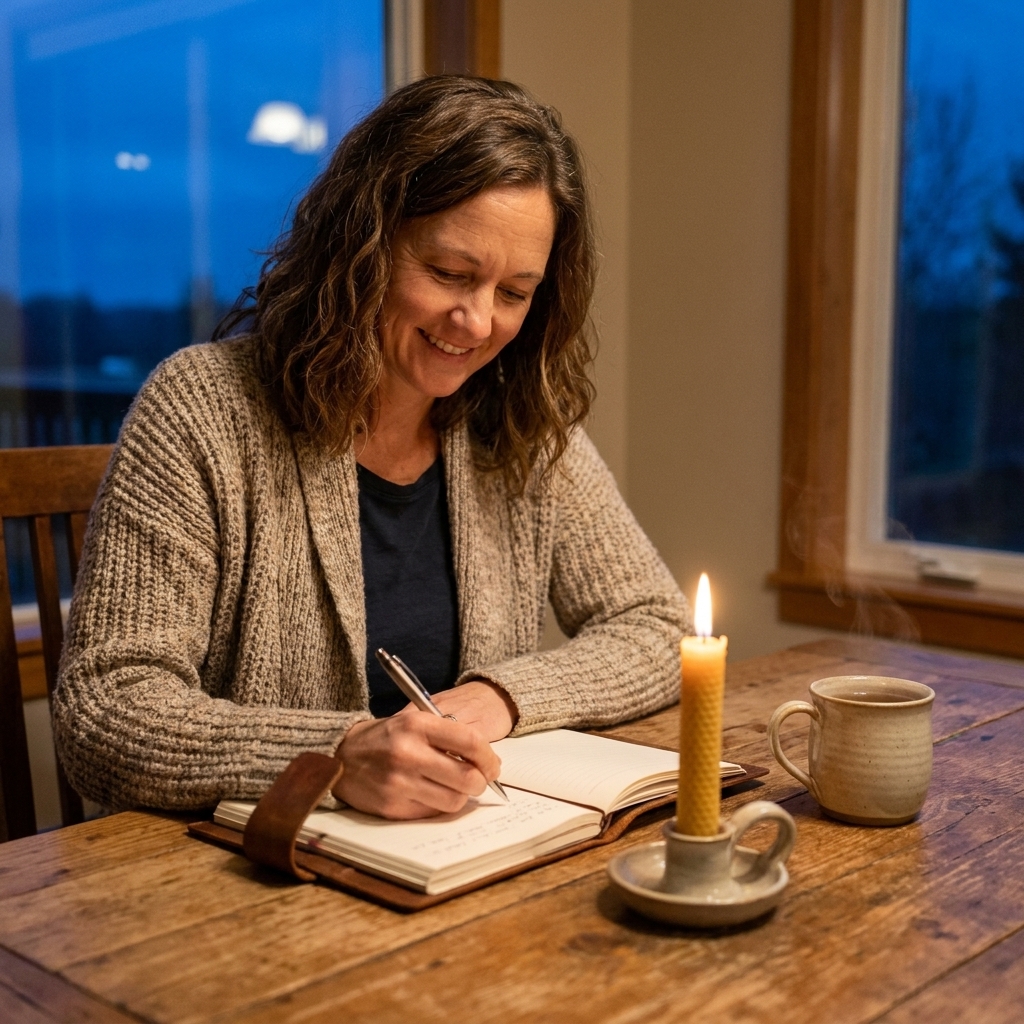
Journaling is not mandatory, but it can help you hear yourself again. If writing feels like too much, speak your answers into a voice memo or simply sit with the questions.
Questions that open a door
- What part of my spiritual life feels most distant: God, community, practices, or my own heart?
- When did I first notice the shift, and what else was happening in my life then?
- What do I secretly fear would happen if I fully returned?
- What do I fear would happen if I never did?
- What kind of spirituality fits the person I am now, not the person I used to be?
- Where do I already experience reverence, even if I do not call it that?
A softer prompt for hard days: “If I could ask the Holy one honest question without being corrected, what would it be?”
Short prayers when you have no words
Many traditions keep short prayers for a reason: sometimes the heart can only hold one line. Borrow words until your own return.
Examples across traditions: the Jesus Prayer in Eastern Christianity, brief du’as in Islam, simple mantras and dharanis in Buddhist practice, and short psalms in Jewish prayer life.
If you feel numb
Prayer: “Holy Presence, I cannot feel You right now. Stay near anyway.”
If you feel angry
Prayer: “God of truth, I bring You my anger. Help me not to turn it into cruelty, toward myself or others.”
If you feel ashamed
Prayer: “Mercy that does not humiliate, meet me here. Teach me how to begin again.”
If you feel lonely
Prayer: “Companion of the forgotten, sit with me in this quiet place.”
If you cannot believe right now
Prayer: “If You are real, make Yourself known in a way I can receive.”
If prayer language is difficult for you, try a non-theistic version: “May I be guided by wisdom and compassion today.”
Reconnect through the body
Many people try to think their way back to faith. But disconnection is often embodied. When your body is braced, your spirit can feel far away.
Simple embodied practices
- Walk without headphones for ten minutes and notice three sounds, three colors, and three textures.
- Wash your hands slowly and imagine releasing what you cannot carry today.
- Bow, kneel, or place a hand over your heart as a wordless gesture of willingness.
- Sing or hum one line from a song, chant, or hymn you once loved, even if you do not “mean it” yet.

Return to community, low pressure
For many of us, spiritual disconnection is also relational. Maybe you were hurt. Maybe you outgrew a group. Maybe you are simply shy, grieving, or burned out.
Community does not have to mean jumping back into a full schedule. Start with what feels safe.
Options that do not require instant belonging
- Attend anonymously once: sit in the back, leave early if needed, let it be a listening visit.
- Try a weekday gathering: smaller services, meditation groups, or study circles often feel gentler than big weekends.
- Choose service over socializing: volunteering can reconnect you to meaning even before you feel connected to belief.
- Find an interfaith space: if you are in transition, a mixed-tradition group can reduce the pressure to declare certainty.
Boundary blessing: It is spiritually healthy to take your time. If you need a practical boundary, try: arrive late, sit near an exit, skip the meet-and-greet, decline roles for now, and give yourself permission to leave if your body signals “not safe.” Trust rebuilds with time and choice.
When it is grief, trauma, or depression
Sometimes spiritual distance is not a “faith problem.” It is a human pain problem. If you are grieving, recovering from trauma, living with anxiety, or experiencing depression, it makes sense that spiritual practices may feel inaccessible.
In these seasons, the most faithful thing you might do is accept support.
Consider reaching out if any of this feels true
- You cannot get out of bed, or basic tasks feel impossible most days.
- You feel persistently hopeless, numb, or detached.
- Your spiritual community discourages medical care or therapy.
- You have thoughts of harming yourself.
A trusted therapist, spiritual director, pastor, imam, rabbi, or trained guide can help you sort what is spiritual struggle and what is mental health, and often it is both.
Safety note: If you are in immediate danger or considering self-harm, contact local emergency services right away. If you are in the U.S., you can call or text 988 (Suicide and Crisis Lifeline). If you are outside the U.S., look for your country’s crisis hotline or emergency number.
When to pause and reassess
Sometimes disconnection is your wisdom. If your community or teacher uses fear, shame, control, or isolation to keep you compliant, your spirit may be protecting you.
Signs a group may be unhealthy
- You are punished for asking honest questions.
- Leaders demand access to your money, relationships, body, or choices.
- You are told to cut off family or friends who disagree.
- Confession, counseling, or “accountability” is used to manipulate or threaten you.
- You are pressured to stay silent about harm.
If this resonates, you are allowed to step back. Consider confiding in a trusted person outside the group, connecting with a therapist familiar with spiritual abuse or high-control dynamics, and making a practical exit plan that prioritizes your safety and support.
If you are neurodivergent or chronically ill
If you live with chronic pain, fatigue, ADHD, autism, or limited mobility, many standard practices can feel like they were designed for someone else. You are not failing spirituality. You are adapting it.
Low-demand adaptations
- Shorten it: thirty seconds counts.
- Anchor it: pair one practice with an existing routine, like taking medication or making tea.
- Make it sensory: a textured object, a scent, a candle, or a familiar melody.
- Use supported attention: guided audio, prayer beads, a written one-line script.
- Let rest be practice: if lying down is what you can do, let it be enough.
Five small habits that restore connection
Think of these as “spiritual vitamins.” They are not dramatic, but they work through steady repetition.
- One sacred minute: set a timer for 60 seconds and sit with one word: “peace,” “mercy,” “courage,” or “love.”
- Micro-gratitude: name one thing that sustained you today, even if it is “hot tea” or “I made it through.”
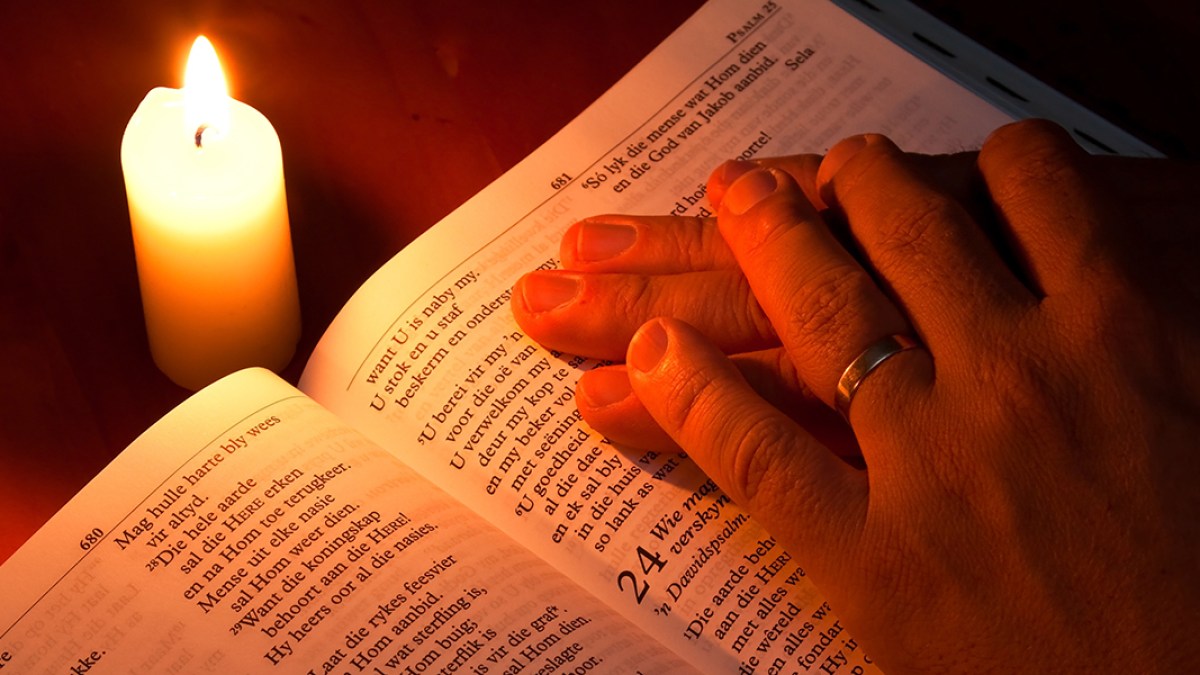
- One page practice: read one page of a sacred or wisdom text, then stop. Do not overdo it.
- Evening release: before sleep, whisper: “I let today be enough.”
- Weekly nature contact: touch ocean air, forest shade, park grass, desert light. Let creation preach without words.

A gentle check-in
Sometimes disconnection is not distance. Sometimes it is transition. Your old framework may no longer fit, and that can feel like loss even when it is growth.
If that resonates, try asking:
- What beliefs feel life-giving now, and which feel tight or fear-based?
- What practices help me become kinder, braver, more present?
- What language for the Sacred feels honest in my mouth?
You are allowed to mature. Many mystics describe seasons where old images of God fall away so something truer can emerge. This can be tender and disorienting, but it is not automatically a failure.
A simple return ritual
If you want one concrete moment to mark a return, try this. It is intentionally simple.
Step by step
- Choose a threshold: a doorway, porch step, or the edge of your bed.
- Pause and breathe three slow breaths.
- Name your intention: “I am returning to what is true.” Or: “I am open to being guided.”
- Take one physical step forward, slowly, as a symbol of willingness.
- Close with kindness: “May I be met with compassion as I begin.”
Repeat weekly if you like. Ritual is repetition with meaning, and meaning accumulates.
Choose your next step
- If you feel numb: do the 10-minute plan, then borrow one short prayer line.
- If you feel angry: tell the truth first, then take a headphone-free walk to let your body metabolize it.
- If you feel exhausted: pick one practice that fits your energy today, even if it is one sacred minute.
- If you feel lonely: choose one low-pressure community step, even if it is attending once and leaving early.
- If you feel in transition: try the gentle check-in questions and experiment with new language for the Sacred.
FAQ
Is it normal to feel spiritually disconnected?
Yes. Most spiritual lives move in seasons. Feeling distant can be a signal that you are tired, grieving, changing, or ready for deeper honesty in your practice.
What if I do not feel anything when I pray or meditate?
Try shortening the practice instead of quitting. One minute of sincere presence can be more nourishing than thirty minutes of strained effort. You can also try body-based practices like walking, humming, or lighting a candle (see: “Reconnect through the body”).
What if I feel guilty for drifting away?
Guilt often shows up when you care. Let it point to what matters, then set it down. A steadier motivator is kindness: “I want to come home to myself.”
What if my community is part of why I feel disconnected?
You can keep your longing for the Sacred while setting boundaries with unhealthy dynamics. Seek safer spaces, including interfaith groups, spiritual direction, or trusted friends who respect your pace. If you suspect spiritual abuse or coercion, consider the “When to pause and reassess” section above.
A closing blessing
If you are in a spiritually quiet season, may you stop mistaking quiet for absence. May you be spared the burden of pretending. May you find one small practice that feels like clean water. And may whatever you call the Holy meet you gently, not as a demand, but as an invitation.
If you want, choose one thing from this article and do it today. Not perfectly. Just sincerely. That is often how reconnection begins.