There are seasons when faith feels like a warm lamp in the window, and seasons when it feels like the house has gone dark. If you are in the second kind of season, hear this first: distance does not automatically mean failure. Sometimes it means you are human. Sometimes it means you are tired. Sometimes it means your soul is asking for a truer, steadier kind of connection than the one you used to lean on.
Across traditions, many people have named this experience with tender honesty. Christian writers have spoken of spiritual dryness and “the dark night.” In Jewish life, steady practices often emphasize showing up, even when the heart is not fully present, through fixed prayers and communal rhythms. In Islam, many Muslims find steadiness in the daily prayers and in remembrance (dhikr) through high and low tides. In Buddhist practice, it is often taught that the mind wanders and returns, wanders and returns. Different languages, shared mercy: you are not the only one.

Below are gentle next steps. You do not need to do all of them. Choose one small thing that feels possible, and let that be enough for today.
First, name the distance
“My faith feels distant” can mean many things. Before you try to fix it, take a breath and get specific. This is not about diagnosing yourself. It is not a clinical diagnosis. It is about listening closely.
Try this simple reflection
- Is this emotional distance? You still believe, but you do not feel much.
- Is this intellectual doubt? Questions feel louder than answers.
- Is this moral injury? You feel betrayed by religious leaders, institutions, or hypocrisy.
- Is this exhaustion? Grief, depression, anxiety, burnout, or chronic stress has flattened your inner life.
- Is this change? The practices that once fit no longer fit, and you are grieving that.
If you can name the type of distance, you can choose a response that is kind and appropriate. Emotional numbness often needs gentleness and rest. Intellectual doubt often needs honest study and wise conversation. Moral injury often needs time, boundaries, and safe community.
One concrete way to use this: if the distance is exhaustion, your next faithful step might be a nap and one honest sentence in a notebook. If the distance is doubt, your next step might be one thoughtful conversation, not an internet spiral.
Give yourself permission to be honest
One of the quietest sources of suffering is pretending. Many people keep praying, attending, serving, and smiling while privately feeling numb, cynical, or afraid. Honesty can be an act of devotion.
If you come from a prayer tradition, consider offering a “plain-speech prayer” for a week. No eloquence, no performance. Just the truth.
“If You are there, I am here. I do not know what I believe today. Help me want You. Help me not to lie.”
If your tradition does not use God-language, you can aim your honesty toward reality itself: “This is where I am. This is what hurts. This is what I hope for, even if it is small.”
One small practice
When faith feels distant, people often try to sprint back to their “best spiritual self.” That usually backfires. In retreat work, I have seen again and again that small, consistent practices often restore trust in the inner life more effectively than dramatic overhauls.
Pick one for 7 days
- Two minutes of silence: Sit, breathe, and simply notice what is true.
- A short prayer of repetition: A line like “Guide me,” “Have mercy,” “Peace be with me,” or “Here I am.”
- One paragraph of sacred reading: Not a whole chapter. One paragraph, slowly.
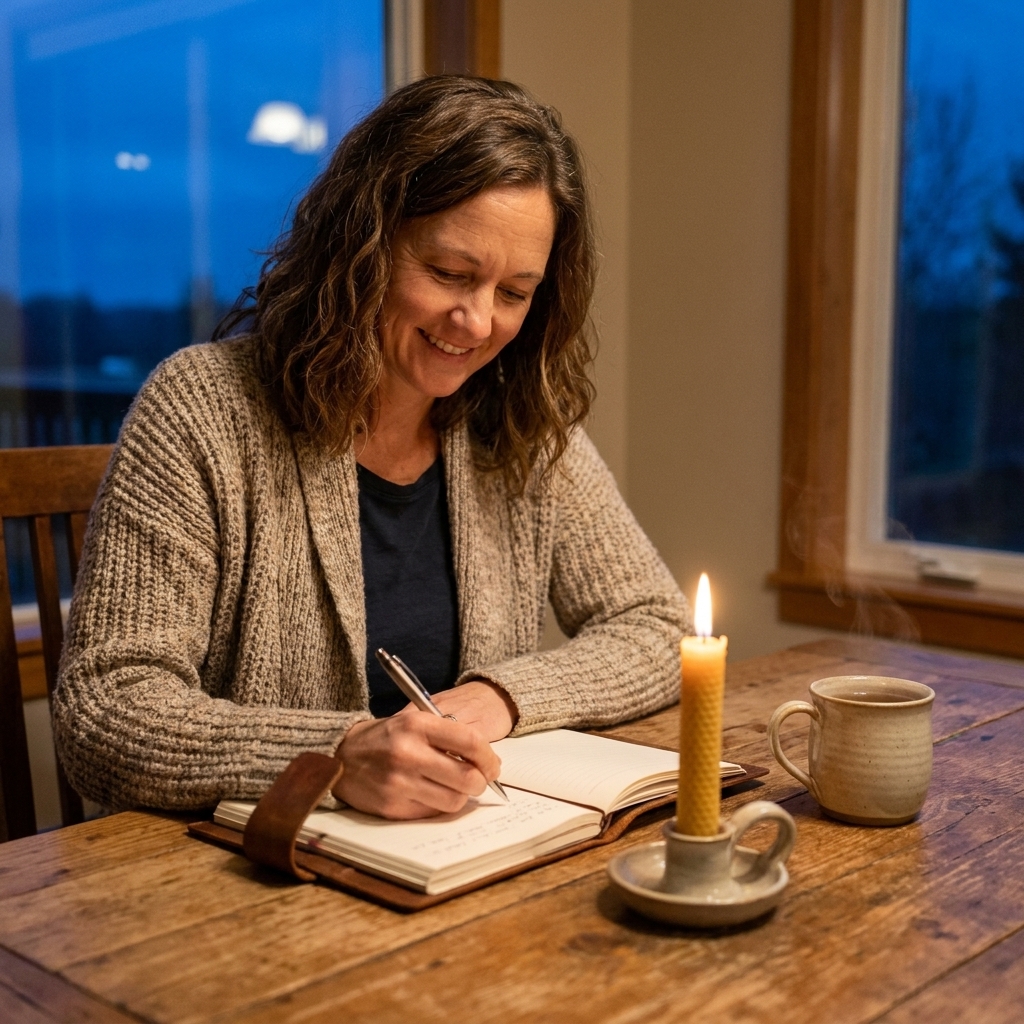
- A candle ritual: Light a candle at the same time each evening as a sign of willingness.
- A gratitude note: Write down one thing that did not break today.
Consistency matters more than intensity. The goal is not to force a feeling. The goal is to rebuild a relationship, and relationships are rebuilt through returning.
Let texts meet you
In many traditions, scripture and sacred poetry were not written by people who felt spiritually “sorted out.” They were written by people who wrestled. If you have been avoiding scripture because you fear it will feel hollow, try approaching it differently: not as a test, but as companionship.
Ways to read when you feel dry
- Read for one phrase: Stop when a sentence catches your attention, even if you cannot explain why.
- Read the laments: Many scriptures contain prayers of complaint, grief, and confusion.
- Read with a question: “What is brave here?” “What is gentle?” “What is being asked of me today?”
- Read out loud: Let the sound carry you when meaning feels distant.
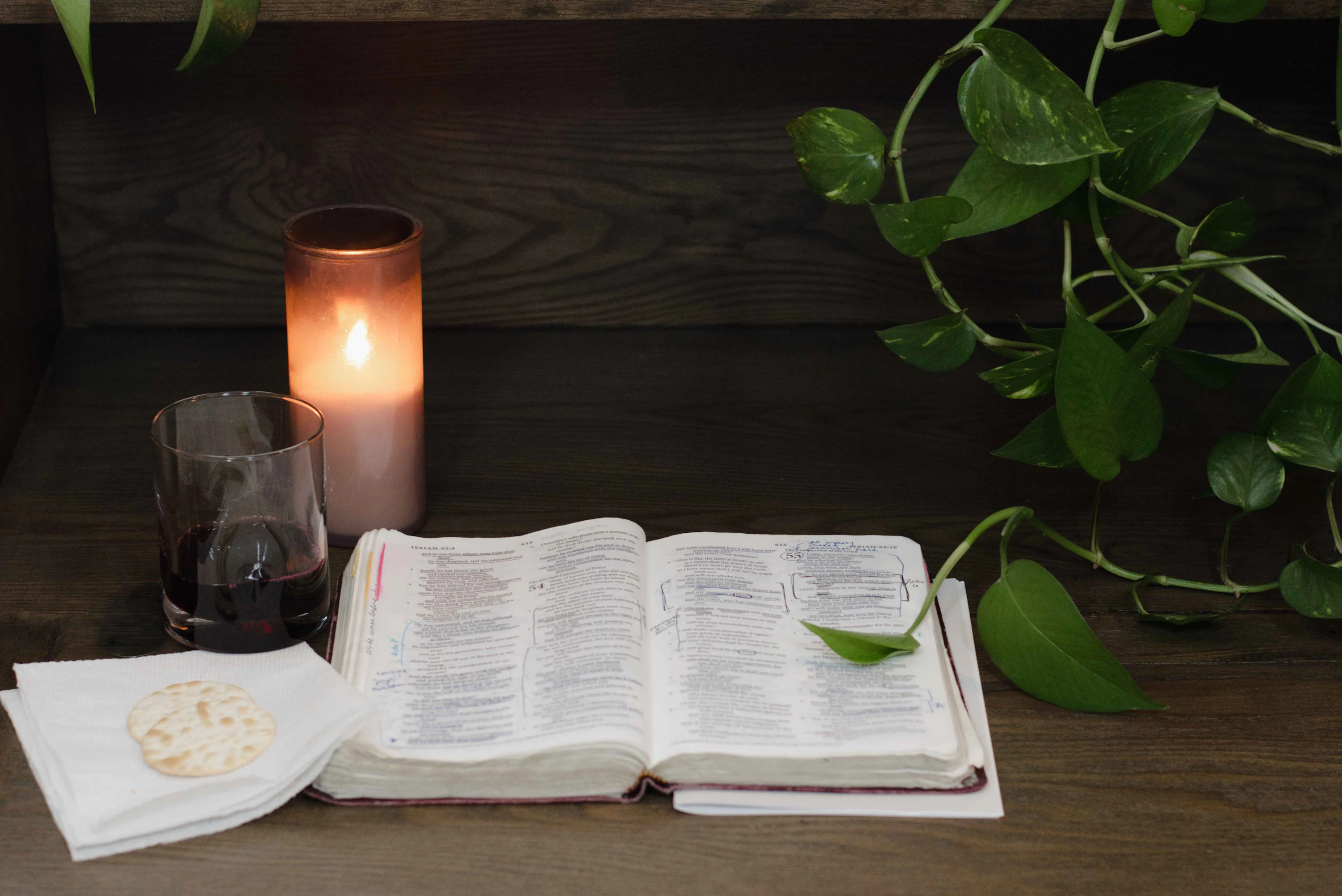
If you do not come from a scripture-centered tradition, consider other sacred companions: a psalm, a poem, a passage from Rumi, Mary Oliver, the Bhagavad Gita, the Dhammapada, Julian of Norwich, or a prayerbook from your community. Choose something that is sturdy and time-tested, not something designed to provoke or perform.
Reconnect with people
Distance from faith often includes distance from people, and sometimes for good reason. If community has hurt you, you are allowed to move slowly. Still, many of us rediscover faith through borrowed strength, someone else’s song, someone else’s steadiness.
Gentle ways to re-enter
- Attend without volunteering: Let yourself simply receive.
- Choose one safe person: A friend, mentor, or clergy member who can listen without trying to win an argument.
- Try a smaller setting: A discussion circle, a weekday service, a meditation group, a book group.
- Ask for support directly: “I do not need advice. I just need you to hold this with me.”
If you are between communities, that does not mean you are between God and grace. It may mean you are in a discerning season. Keep looking for places where questions are not punished and where kindness is practiced as a spiritual discipline.
Notice what your body carries
Spiritual life is not floating above your nervous system. If you are living with chronic stress, grief, insomnia, or depression, it can be genuinely difficult to feel anything that resembles faith. That is not a moral defect. It is often a sign that you need care.
Grounding practices that support faith
- Take a slow walk: Leave your phone behind if possible. Try the full 5-4-3-2-1 exercise: notice five things you can see, four you can feel, three you can hear, two you can smell, one you can taste.
- Put one hand on your chest: Breathe in for a count of four, out for a count of six, for two minutes.
- Sleep and food as spiritual priorities: Not as “self-improvement,” but as stewardship.
- Talk to a professional: A therapist or counselor can be a sacred ally, especially with anxiety, trauma, or depression.
If your faith tradition includes the idea of incarnation or embodied practice, let it comfort you here. Caring for your body can be a way of returning to God, not a detour from God.
When doubt visits
Doubt can be terrifying, especially if you were taught that good believers do not question. But doubt often arrives because you are taking your life seriously. Sometimes it is the beginning of a more honest spirituality.
Helpful questions for doubt
- What exactly am I doubting? God’s existence, God’s goodness, my community, my past experiences, a specific doctrine?
- What triggered this season? Loss, injustice, unanswered prayer, hypocrisy, new information, a life change?
- What would a compassionate faith make room for? Not “anything goes,” but “what is allowed to be true right now?”
If you want to study, choose sources that are thoughtful rather than inflammatory. Look for teachers and writers who respect both tradition and inquiry. A mature faith rarely fears careful questions.
What not to do
When you feel distant, a few common moves tend to deepen the ache.
- Do not chase emotional highs: A forced feeling rarely lasts, and it can leave you more discouraged.
- Do not interpret numbness as punishment: Numbness is often stress, grief, fatigue, or protection.
- Do not isolate completely: Even one safe person can keep you from turning inward in harmful ways.
- Do not punish yourself into holiness: Shame may produce motion, but it does not produce trust.
A simple 14-day plan
If you are tired of circling the problem in your head, try a plan that is small enough to keep.
Days 1 to 3: Make space
- Two minutes of silence each day.
- Write one honest sentence: “Today, faith feels like…”
Days 4 to 7: Add nourishment
- Read one paragraph of sacred text or a prayer-poem daily.
- Underline one phrase that feels alive, even faintly.
Days 8 to 10: Reach outward
- Text or call one safe person.
- Ask for listening, not fixing.
Days 11 to 14: Rejoin a rhythm
- Attend one service, group, or quiet practice space.
- Afterward, reflect: “Did I feel more alone, or less alone?”
This plan will not manufacture certainty. It is meant to rebuild contact, the simple experience of being connected again, even if only by a thread.
If religion has harmed you
Anger can be a form of attachment. We rarely rage at what we do not care about. If you are angry at God, you are in very old company. Sacred stories are full of people who argued, complained, and demanded answers.
If you are angry at religion because of harm, please take that seriously. You may need boundaries, time away, or a new community. Faith does not require you to stay in unsafe spaces.
If you are trying to discern whether a community is unhealthy, here are a few warning signs to take seriously:
- Questions are punished and doubt is treated as disloyalty.
- Control is framed as holiness, especially around relationships, money, or personal decisions.
- Leaders are unaccountable and criticism is labeled “rebellion.”
- Shame and fear are used to keep people compliant.
- Harm is minimized and your experience is repeatedly dismissed.

Sometimes the most faithful sentence is: “I am hurt.” If you can say that without hardening into cruelty toward yourself or others, you are still doing spiritual work.
FAQ
Is it normal to go through seasons where I feel nothing?
Yes. Many sincere people experience numbness, distraction, or dryness. Feelings come and go. Commitment, honesty, and small practices can carry you when emotion cannot.
What if I cannot pray anymore?
You can borrow words. Use a written prayer, a psalm, the Lord’s Prayer, the Shema, a dhikr phrase, a mantra, or simply, “Help.” If even that feels impossible, sit in silence and let your willingness be your prayer.
What if I am afraid my doubt means I am losing faith?
Doubt can be a sign that you are growing out of a faith that depended on certainty alone. Try to stay curious. Talk with someone wise and steady, not someone invested in shaming you.
When should I seek professional help?
If you feel persistently hopeless, numb, panicked, or unable to function, or if you are experiencing thoughts of self-harm, reach out to a mental health professional or local emergency resources right away. Spiritual support and clinical support can work together.
A gentle note
This piece is supportive guidance, not therapy or a substitute for pastoral care. If you are in crisis or feel unsafe, please seek immediate help from local emergency services or a trusted professional.
A closing blessing
If your faith feels distant today, may you be spared the added burden of self-condemnation. May you find one small practice that feels like a doorway, not a demand. May you meet a person who listens well. May you learn the difference between silence and absence. And may the love you are seeking also be seeking you, patiently, without panic.
For now, take the next gentle step. That is often how the path returns.