There are songs that feel bigger than the rooms where we sing them. “Amazing Grace” is one of those. I have heard it in bright Sunday sanctuaries and in quiet hospital corridors, at funerals where words ran out, and at outdoor gatherings where strangers somehow found the same melody. It is so familiar now that it can feel like it has always existed. It has not.
“Amazing Grace” has a birthdate, an author, later editors, and a long journey through print culture, congregational life, and public memory. At the center of that story is John Newton, an Anglican clergyman with a complicated past, who wrote the hymn as part of ordinary parish ministry. What followed was anything but ordinary.
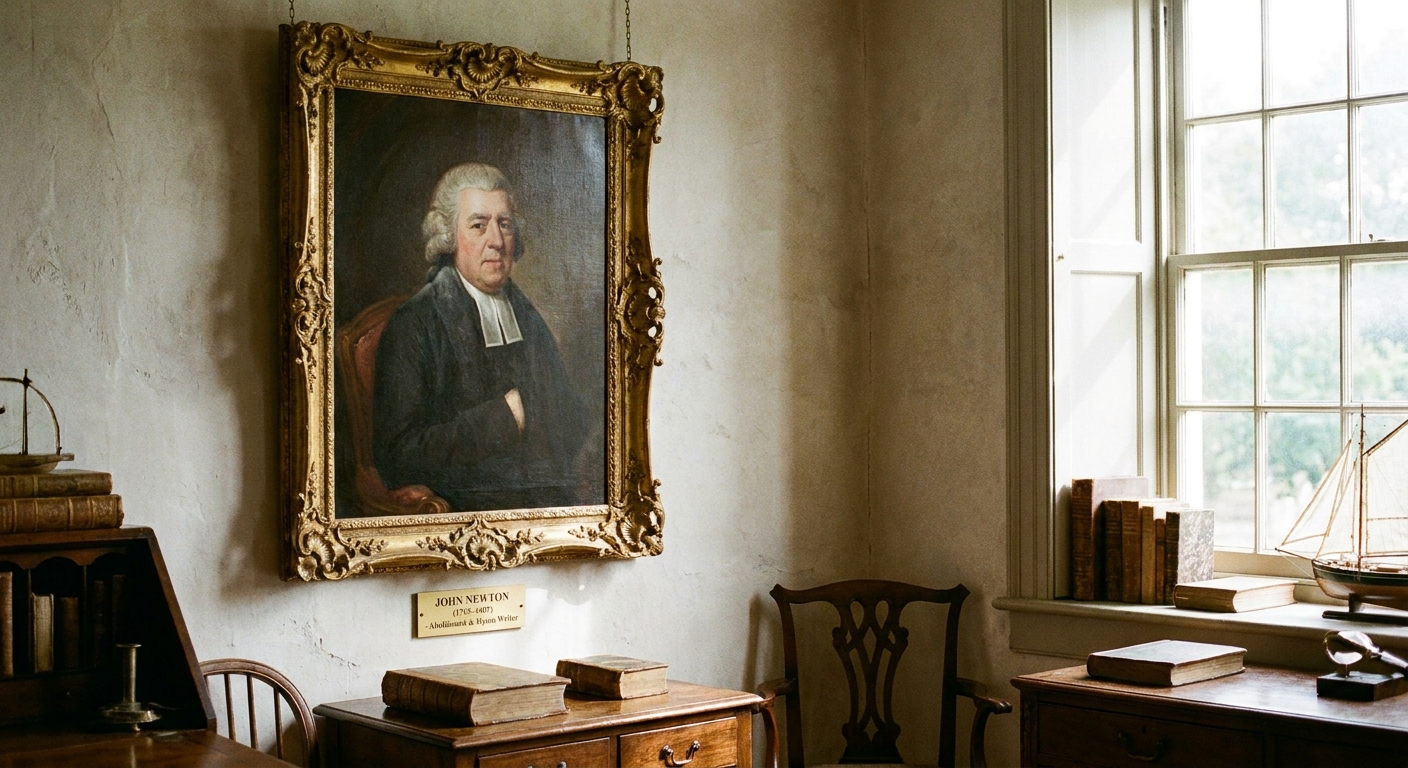
John Newton before the hymn
John Newton was born in London in 1725. His mother, a devout Dissenter, died when he was young. His father was a sea captain. Newton’s early life, by his own later telling, moved quickly into the world of ships, hard labor, and moral chaos.
As a teenager he went to sea. He was pressed into naval service, attempted desertion, and over time became entangled in the Atlantic slave trade. For readers who only know Newton through the hymn, this detail can arrive with a jolt. Newton did not merely live in an era shaped by slavery. He participated in it as a sailor and later as a ship’s officer connected to slaving voyages.
His later writings present his younger self as reckless and spiritually numb. That self-portrait is part confession, part pastoral warning, and part spiritual autobiography in the style popular among eighteenth-century evangelicals.
The storm and the long aftermath
The story Newton is most associated with is a violent storm at sea. In March 1748, during a voyage on the ship Greyhound, Newton recalled believing he was near death. In later accounts he described crying out for mercy, an experience he marked as the beginning of his conversion.
It is important, historically, not to compress Newton’s transformation into a single cinematic moment. By his own admission, he continued for years in work connected to the slave trade after 1748. His spiritual awakening was real to him, but its moral consequences unfolded slowly, unevenly, and with painful delay.
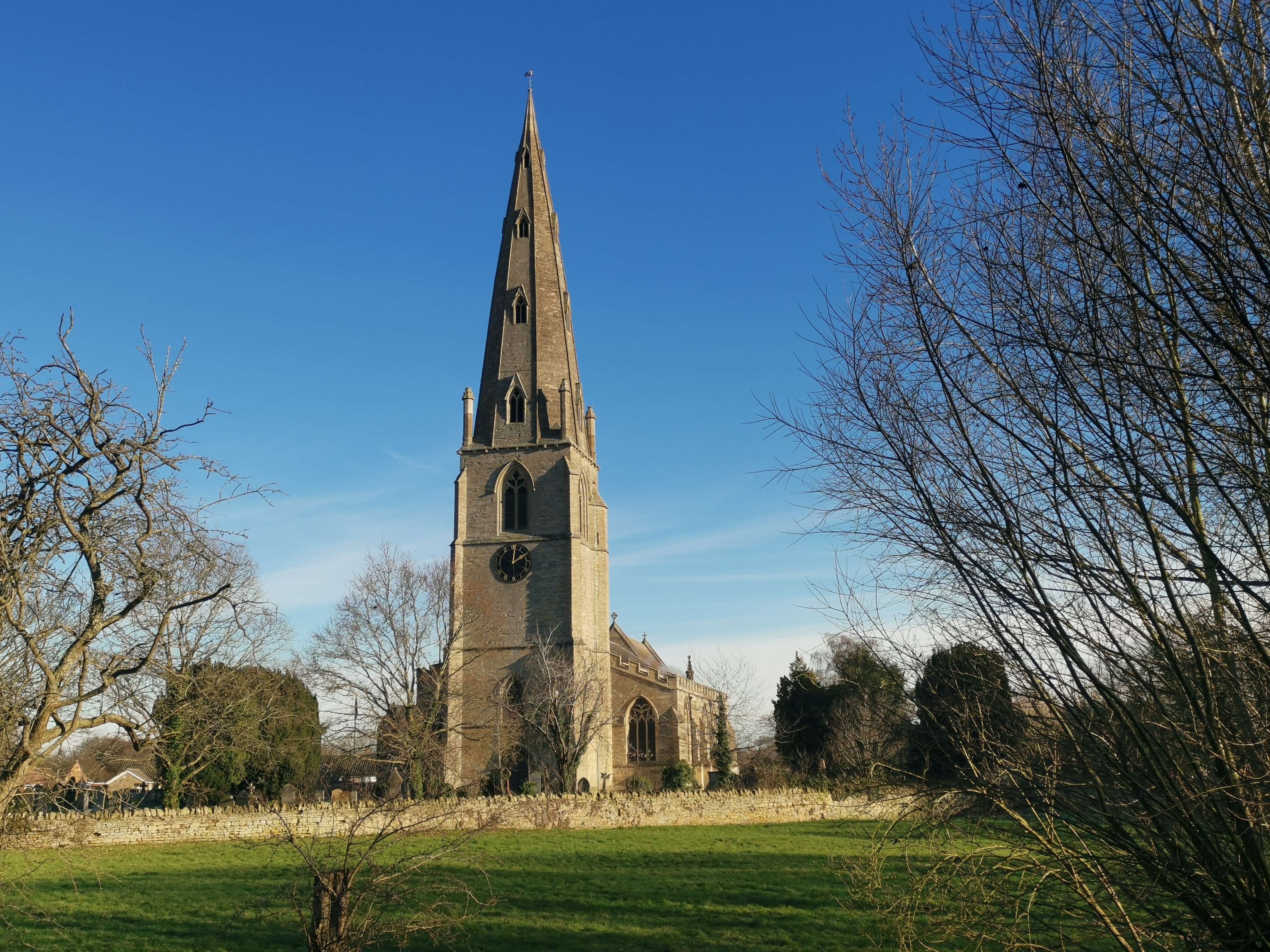
Eventually Newton left seafaring and became involved in church life and theological study. He sought ordination in the Church of England and, after a complicated path, was ordained and became curate at Olney, Buckinghamshire, in 1764. Olney is where “Amazing Grace” begins to come into focus, not as legend, but as parish practice.
Olney and hymn writing
At Olney, Newton served alongside and near a lively evangelical network within Anglicanism. This was the world of itinerant preaching, small religious societies, and an emphasis on heartfelt faith. It was also a world that loved hymns because hymns taught, comforted, and carried doctrine into memory.
Newton became close friends with the poet William Cowper. Together they produced a collection that mattered enormously for English hymnody: Olney Hymns (published in 1779). The book was designed for practical use in worship and devotion, not for concert halls. It contained hymns for various seasons and situations, often written to accompany sermons Newton preached to his parishioners.
Within that collection, Newton contributed many hymns. One of them appeared under a plain heading that today surprises people: “Faith’s Review and Expectation.” That hymn is what we now call “Amazing Grace.”
When Newton wrote the words
Newton wrote the text in the early 1770s, with many scholars and hymn histories placing it around 1772. It is often linked to a New Year’s service in Olney and to themes Newton preached regularly, including the tax collector’s prayer, “God, be merciful to me, a sinner.” The hymn’s voice fits that pastoral setting. It is the voice of someone looking back, astonished at survival and change, and looking forward with an anchored hope.
Even if you have sung it a hundred times, it helps to remember what the words are doing. Newton’s opening line is not abstract poetry. It is an exhale after fear:
“Amazing grace! (how sweet the sound)
That saved a wretch like me!”
In Newton’s mouth, “wretch” was autobiographical. It was also pastoral. He was giving ordinary people a language for regret that did not end in self-hatred. The hymn moves from rescue, to guidance, to endurance. Its emotional architecture is one reason it travels well across denominations and centuries.
How it first appeared in print
“Amazing Grace” entered print in 1779 in Olney Hymns, a substantial collection used widely among evangelicals and beyond. In that first printed form, the hymn had six stanzas. Many modern hymnals print fewer. Some add other verses that did not come from Newton at all.
This matters because the song people “know” is often a blend of Newton’s text, later editorial choices, and a tune that was not originally attached to his words. The much-loved stanza that begins, “When we’ve been there ten thousand years,” for example, comes from later hymn tradition and is not in Newton’s original text.
How people learned to sing it
In Newton’s England, hymns circulated through books, broadsides, and the growing culture of congregational singing among evangelicals, Dissenters, and Methodists. A successful hymn did not need a famous composer. It needed words people could inhabit and a meter that allowed it to be paired with a variety of existing tunes.
Newton wrote “Amazing Grace” in common meter (often noted as 8.6.8.6), a flexible pattern that made it easy to sing to many melodies already known in church and home. That flexibility helped the hymn spread. It could be adopted by communities with different musical traditions because the text did not require a single “official” tune.
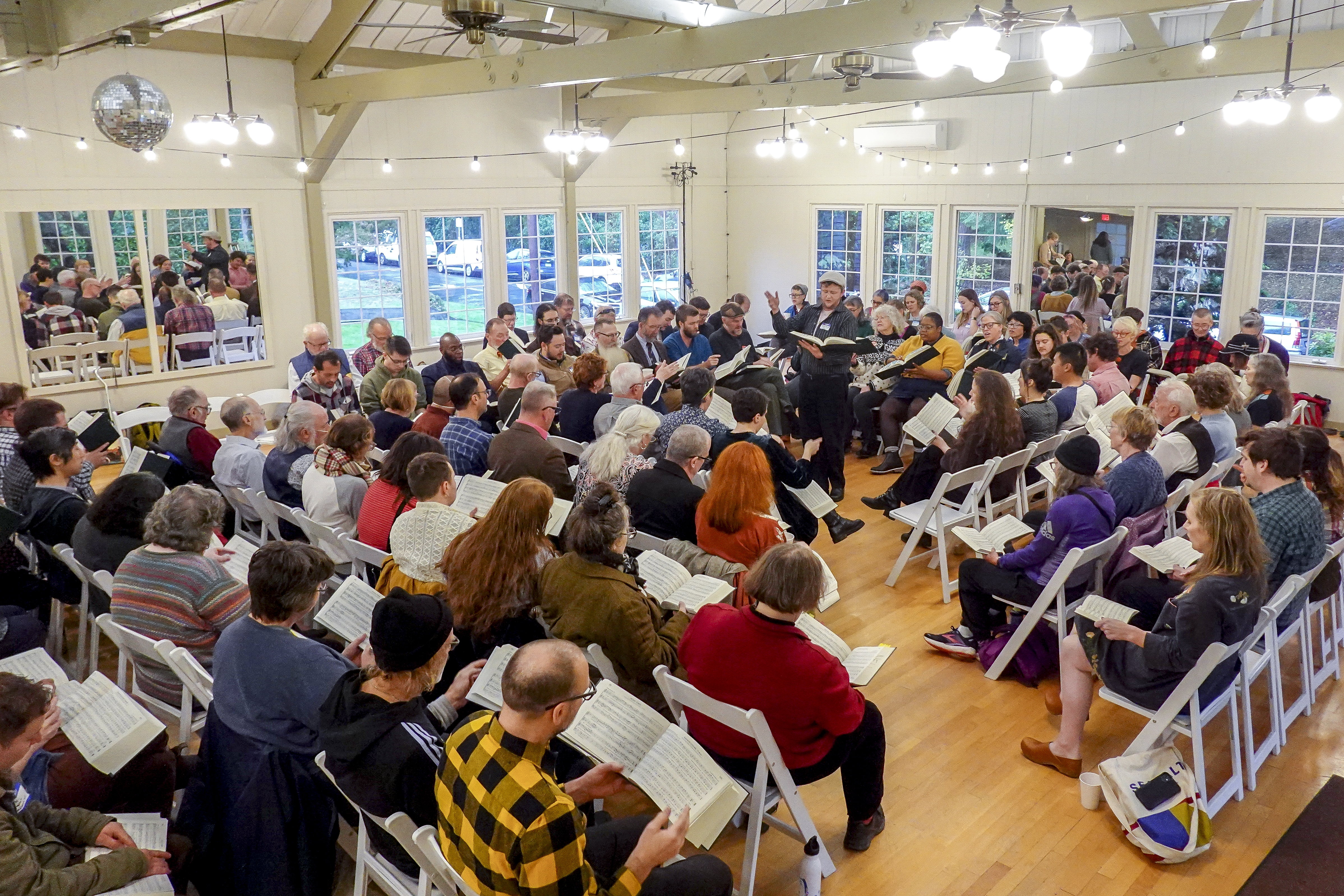
As the hymn crossed the Atlantic, it found especially fertile ground in American religious life where singing schools, camp meetings, and shape-note traditions supported communal music-making. In those settings, memorable texts attached to singable tunes could travel fast and far.
The tune: “New Britain”
For many listeners, “Amazing Grace” and its melody feel inseparable. Historically, they are not. The tune most associated with the hymn today is commonly called “New Britain.” It is an American melody that appears in early nineteenth-century tune books, including in collections such as Columbian Harmony (1829) and Virginia Harmony (1831), where it is printed with Newton’s words.
Over the nineteenth century, that pairing became increasingly common. The tune’s simple, stepwise motion made it easy for congregations, and its emotional contour matched the hymn’s movement from fear to relief to steady hope.
Once the words and tune settled together in popular use, the combination gained momentum through hymnals, revivals, and family singing. Over time, it became the default version, and for most people today it simply is “Amazing Grace.”
Newton later on
In 1780 Newton became rector of St Mary Woolnoth in London, where he served for decades and became a well-known preacher. He also became part of the circle of evangelical Anglicans connected to the movement for abolition. Newton’s role in the abolitionist cause is often summarized too quickly, either as a tidy redemption story or as a reason to dismiss him entirely.
The historical record holds tension. Newton did not leave the slave trade immediately after his conversion experience. Yet in later years he expressed profound remorse and publicly supported the campaign to end the British slave trade, including through his 1788 pamphlet Thoughts Upon the African Slave Trade, which described the trade’s brutality and urged action.
When we sing “that saved a wretch like me,” we are hearing a line written by a man who knew he had done harm and who spent the rest of his life trying to name that harm truthfully, even as he leaned on the Christian language of mercy and transformation.
Why the lyric kept landing
Some hymns stay inside a specific theological vocabulary. “Amazing Grace” does not entirely escape Christian doctrine, but it is remarkably spacious. It leans on plain images, lost and found, fear and relief, a long road home, more than technical terms. Several qualities help explain its enduring reach.
It is a story, not a lecture
The hymn speaks in first person. It invites singers to step into a narrative of being found, being led, and being carried forward. Even people unsure what they believe often recognize the emotional reality of those movements.
It names fear without romanticizing it
Newton does not pretend that awakening is painless. “’Twas grace that taught my heart to fear” is a line that honors the sobering clarity that can come with moral awareness, grief, or recovery.
It offers time, not instant perfection
“Through many dangers, toils, and snares” assumes a long road. This is one reason the hymn has been meaningful in communities shaped by hardship and endurance, from rural congregations to prison chapels to civil rights gatherings.
It is easy to memorize and hard to outgrow
Its phrases are plain, sturdy English. It is a song that children can learn and elders can keep singing without feeling talked down to.
How it became a public song
By the twentieth century, “Amazing Grace” was no longer only a church hymn. It moved into recordings, memorial services, and national moments of grief. Its adaptability helped. It can be sung slowly as a lament, briskly as a testimony, or instrumentally as a wordless prayer.
It also benefited from mass media. Recorded versions spread the hymn far beyond denominational lines, and public performances made it familiar even to people who never attended church. In the 1970s, a wave of popular recordings helped carry it deeper into mainstream listening. Bagpipes, in particular, became closely linked with “Amazing Grace” in military and civic memorial contexts, where the tune’s long lines and sustained notes carry over open air and crowds.
None of this erased the hymn’s origins. It simply widened the places where its core themes, rescue, guidance, and hope, could be heard.

Common misunderstandings
Myth: Newton wrote the tune
Newton wrote the words. The melody most people know came later from American musical traditions and was paired with the text over time.
Myth: Newton’s change was immediate
Newton’s story is not a single turning point with a clean moral ending. His spiritual and ethical development stretched across decades, and his relationship to his past was marked by confession and public regret.
Myth: The line about being “blind” was casual
It is metaphorical, and in Newton’s evangelical context it named moral and spiritual ignorance, the inability to see truth clearly. It is also the kind of spiritual metaphor that was common in his era. Many singers today hear it as a before-and-after line because many forms of awakening do feel like that.
Timeline
- 1725: John Newton is born in London.
- 1748: Newton survives a severe storm at sea and later identifies this as the beginning of his conversion.
- 1764: Newton becomes curate at Olney, Buckinghamshire.
- Early 1770s: Newton writes “Faith’s Review and Expectation,” later known as “Amazing Grace.”
- 1779: The text is published in Olney Hymns.
- 1788: Newton publishes Thoughts Upon the African Slave Trade, supporting abolition.
- 1829 to 1831: “New Britain” appears in American tune books such as Columbian Harmony and Virginia Harmony.
- 19th century: Newton’s words are increasingly printed with “New Britain.”
- 20th century onward: “Amazing Grace” becomes a staple in worship and public memorial life.
FAQ
Was “Amazing Grace” written about slavery?
Not directly in the sense of naming it in the text. The hymn is written as a personal testimony of being found and guided by grace. Newton’s life history, including his involvement in the slave trade and later repentance, shapes how many listeners interpret the word “wretch,” but the hymn itself does not mention slavery.
How many verses did Newton write?
In its earliest well-known published form in Olney Hymns (1779), Newton’s hymn appears with six stanzas. Many hymnals use fewer stanzas, and some popular versions include added verses from later tradition.
Was the hymn tied to a specific sermon?
The hymn is commonly linked to Newton’s preaching schedule at Olney and to themes he addressed in services around the turn of the year. Like many eighteenth-century hymns, it functioned as an extension of pastoral teaching and devotion rather than as an isolated poem.
Why is the hymn used at funerals so often?
The hymn holds grief and hope together without forcing cheerfulness. It acknowledges danger and toil, then insists that mercy can accompany a person through life’s hardest passages. That combination makes it natural for memorial settings.
Why this still matters
When I listen closely to “Amazing Grace,” I hear more than a beautiful tune. I hear a parish priest trying to give his people honest words. I hear a man looking back at the life he once defended and no longer could. I hear a community, across centuries, taking those words into their own mouths in moments when they need a mercy that feels larger than their strength.
That is the real story behind the hymn. It is not the myth of a perfect man. It is the long, human history of a song that kept meeting people where they were, and still does.