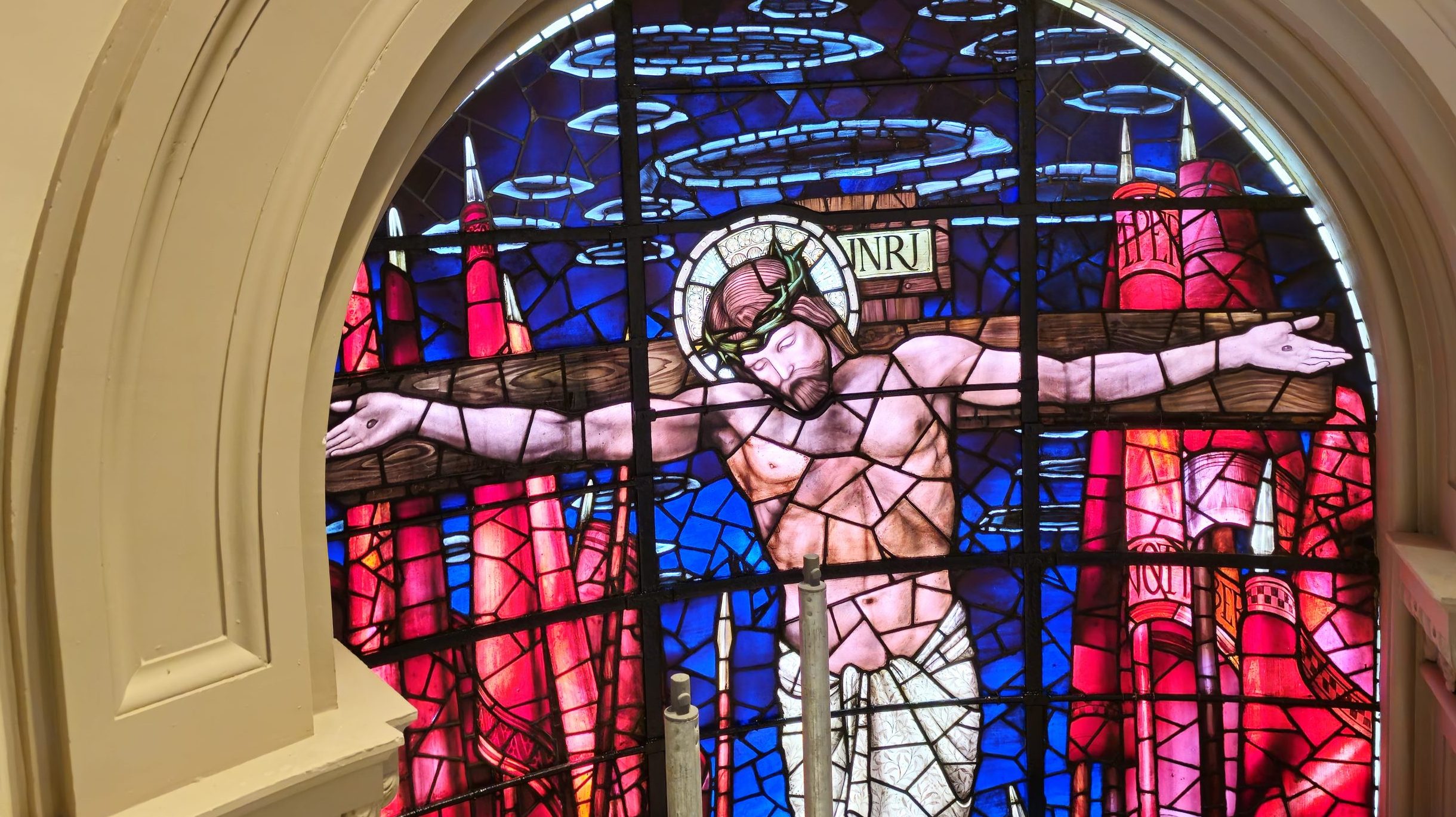
I first heard the phrase cheap grace in a church hallway, not a classroom. Someone had been hurt by a leader who said “God forgives” with the same tone you might use to wave away a parking ticket. The words were technically true, but they landed like a door shutting. Years later, when I met Dietrich Bonhoeffer on the page, I realized he was naming that exact spiritual distortion: grace turned into permission, pardon turned into a way to avoid change.
Bonhoeffer’s contrast between cheap grace and costly grace comes from his 1937 book The Cost of Discipleship. He wrote as a German pastor and theologian watching the church become morally sleepy and politically compliant under Nazism. His critique is sharp, but it is also pastoral. He is trying to protect people from a “grace” that anesthetizes the conscience instead of healing the soul.

Bonhoeffer’s basic contrast
Bonhoeffer uses two phrases that have traveled far beyond their original context:
Cheap grace
Cheap grace is grace treated like a religious product: readily available, easy to obtain, and detached from repentance and transformation. In Bonhoeffer’s framing, it is grace without the lived reality of following Jesus.
He famously describes cheap grace as “the preaching of forgiveness without requiring repentance,” and it expands from there into a whole ecosystem of Christian life where words replace obedience. Cheap grace speaks often about comfort and rarely about conversion.
Costly grace
Costly grace is grace that truly is a gift, but a gift that calls you into a new life. It is “costly” not because we buy it with good behavior, but because it costs us our old ways of being. It costs our pride, our excuses, our self-protection, our love of control. It costs us because it draws us into actual discipleship.
Bonhoeffer’s point is not that suffering earns salvation. His point is that grace, when received, reshapes a person. Grace is not only pardon. It is also power, a new orientation, a living relationship with Christ that has consequences.
What he opposed
Bonhoeffer’s critique is aimed at a church culture where Christian language remained, but Christian formation thinned out. In his context, this had public consequences. A church trained to expect grace without obedience is easily trained to offer allegiance without discernment.
Here are several threads Bonhoeffer ties together under the label “cheap grace”:
- Forgiveness preached as a general truth while avoiding concrete repentance. Sin becomes abstract, so grace becomes abstract too.
- Baptism or church membership treated as a guarantee rather than the beginning of a life of learning Christ.
- Communion received without reconciliation or self-examination, as if the sacrament were spiritual cover rather than spiritual encounter.
- Confession replaced by vague remorse or by the idea that “God knows my heart,” which can be true and still function as an escape hatch.
- Discipleship reduced to assent, where believing the right things stands in for being formed into love.
Bonhoeffer is not allergic to joy or assurance. He is protesting a church habit of announcing grace while refusing to teach obedience, especially the obedience of the Sermon on the Mount.
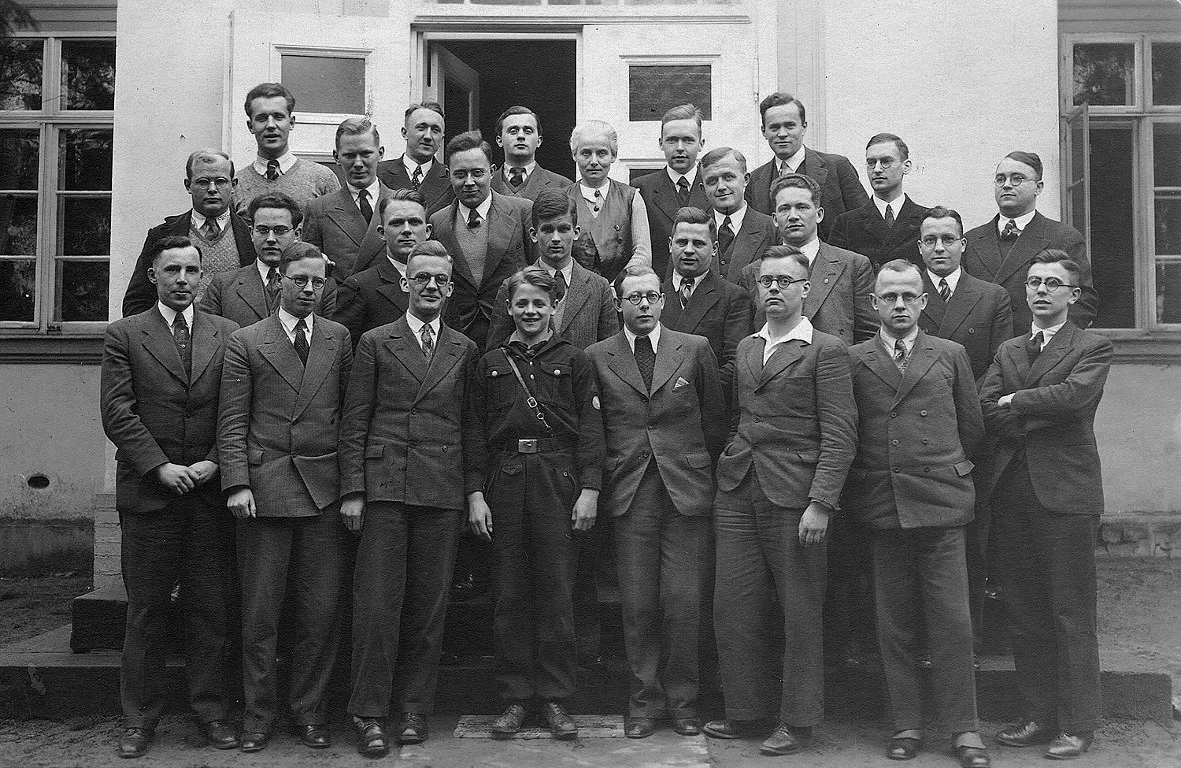
How churches use it now
In modern Christian conversation, “cheap grace” often shows up when someone is trying to name a mismatch between what we say and how we live. Used carefully, it can be a gentle wake-up call. Used carelessly, it can become a club.
Healthy uses
Pastors and spiritual directors sometimes use the phrase “cheap grace” to help a community notice patterns like these:
- Grace used to dodge accountability: “God forgives me, so it does not matter what I did.”
- Grace used to bypass repair: refusing to apologize, make restitution, or seek reconciliation.
- Grace used to avoid change: assuming that being “saved” means growth is optional.
- Grace preached without formation: no practices, no confession, no spiritual discipline, no community standards of care.
In these cases, “cheap grace” functions as a diagnostic tool. It identifies when grace is being used as a spiritual painkiller rather than received as a healing medicine.
Misuses to avoid
Bonhoeffer’s language can be misused in ways that contradict his intent:
- As a shorthand for “try harder”, turning costly grace into moralism.
- As suspicion of joy, as if assurance and delight in God must always be tempered by anxiety.
- As spiritual one-upmanship, implying that “serious Christians” suffer more and therefore must be closer to God.
Bonhoeffer did not write to make tender consciences more terrified. He wrote to keep hardened consciences from becoming unfeeling, and to call the church back to Jesus as something more than a slogan.
Cheap grace vs gift
This is the key clarification, and it matters pastorally: Bonhoeffer is not arguing against grace as a free gift. Historic Christian teaching across many traditions speaks of salvation as God’s initiative, not our achievement.
So where is the difference?
Gift is not permission
Bonhoeffer’s target is not “God gives grace freely.” His target is the move where grace becomes permission to remain unchanged. In that distortion, grace is used to protect the ego rather than surrender it.
Costly is not paid
When Bonhoeffer says grace is “costly,” he does not mean we pay for forgiveness with suffering or good deeds. He means grace costs God, and it costs us in the sense that it disrupts the old life. It calls us to follow, and following involves real choices.
Discipleship is response
Bonhoeffer can sound, to modern ears, like he is making discipleship a condition for grace. What he is actually doing is describing the integrity of grace. If grace is real, it creates a response. If there is never any response, it is worth asking what kind of “grace” has been received.
That question is not meant to torment people who struggle. It is meant to expose a Christianity that has become comfortable with injustice, cruelty, and self-deception.
Costly grace in daily life
Bonhoeffer’s writing can feel grand and grave because his era demanded courage on a national scale. But the pastoral shape of his insight shows up in everyday decisions too.
Costly grace can look like:
- Confession that is specific, not performative. Naming the truth without protecting your image.
- Repair where possible. Returning what was taken, admitting what was hidden, making amends rather than seeking quick relief.
- Reconciliation pursued honestly. Not forced peace, but real peacemaking that tells the truth.
- Formation over time. Practices that train the heart: prayer, scripture, generosity, Sabbath, service, community accountability.
- Choosing Jesus over social safety when the crowd demands cruelty, contempt, or silence.
In my work with retreat groups, I have watched people soften when they realize costly grace is not a threat. It is an invitation. God does not dangle forgiveness like bait and then punish you with discipleship. God gives forgiveness and then teaches you how to live free.

Why it still matters
“Cheap grace” is still a live phrase because the temptation is perennial. Every religious community, in every century, is tempted to keep the comforts of faith while shedding the costs of love.
Bonhoeffer helps us ask better questions:
- Are we using grace to avoid the truth about ourselves?
- Are we calling people to Christ, or just offering religious reassurance?
- Does our “forgiveness” move us toward repair and reconciliation, or away from it?
- Is our church forming disciples who love enemies, tell the truth, and seek justice?
His warning is stern because he believed the stakes were high. Cheap grace does not only impoverish personal spirituality. It can also hollow out a community’s moral courage.
FAQ
Did he mean Christians earn salvation?
No. Bonhoeffer’s critique is not that grace is earned. It is that grace, when treated as a doctrine without discipleship, becomes “cheap.” Costly grace is still grace, still gift, but it calls forth a lived response.
Is cheap grace the same as saying repentance is required?
Bonhoeffer closely connects grace with repentance and obedience, but his larger point is about formation. Cheap grace is a whole posture of life where forgiveness is spoken about while the person and the community refuse to be changed.
Can the phrase be harmful?
Yes, if it is used to shame people who already carry heavy burdens or to replace grace with perfectionism. Bonhoeffer’s aim was to expose complacency, not to crush the contrite.
One simple way to resist cheap grace?
Practice truth-telling in small, concrete ways. Confess what is real, ask forgiveness from those you have harmed, and take one step toward repair. Cheap grace thrives in vagueness. Costly grace lives in the light.