I have a soft spot for carols that sound like they have always existed. “Away in a Manger” is one of those songs. It feels older than it is, simple enough for children, tender enough for weary adults, and familiar in a way that can make you assume you are singing something medieval or Reformation-era.
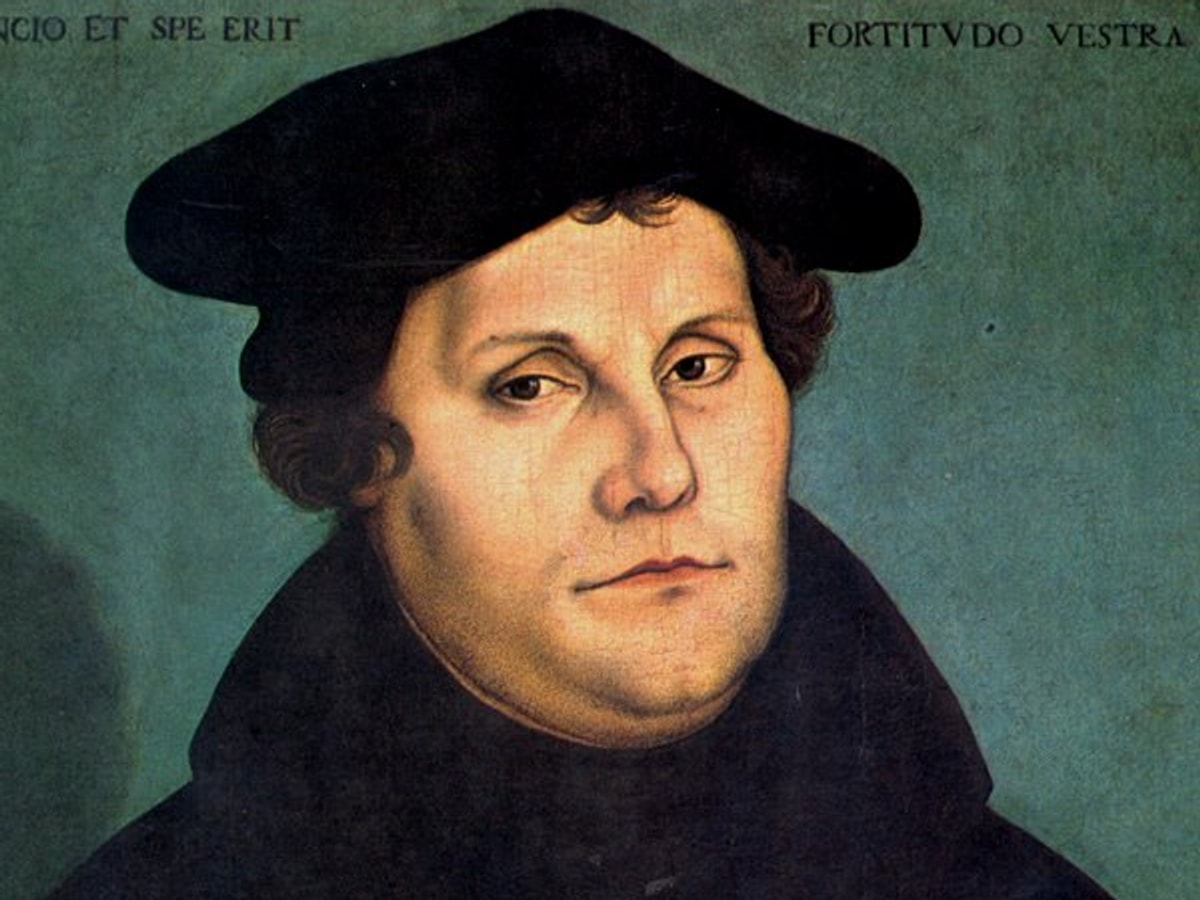
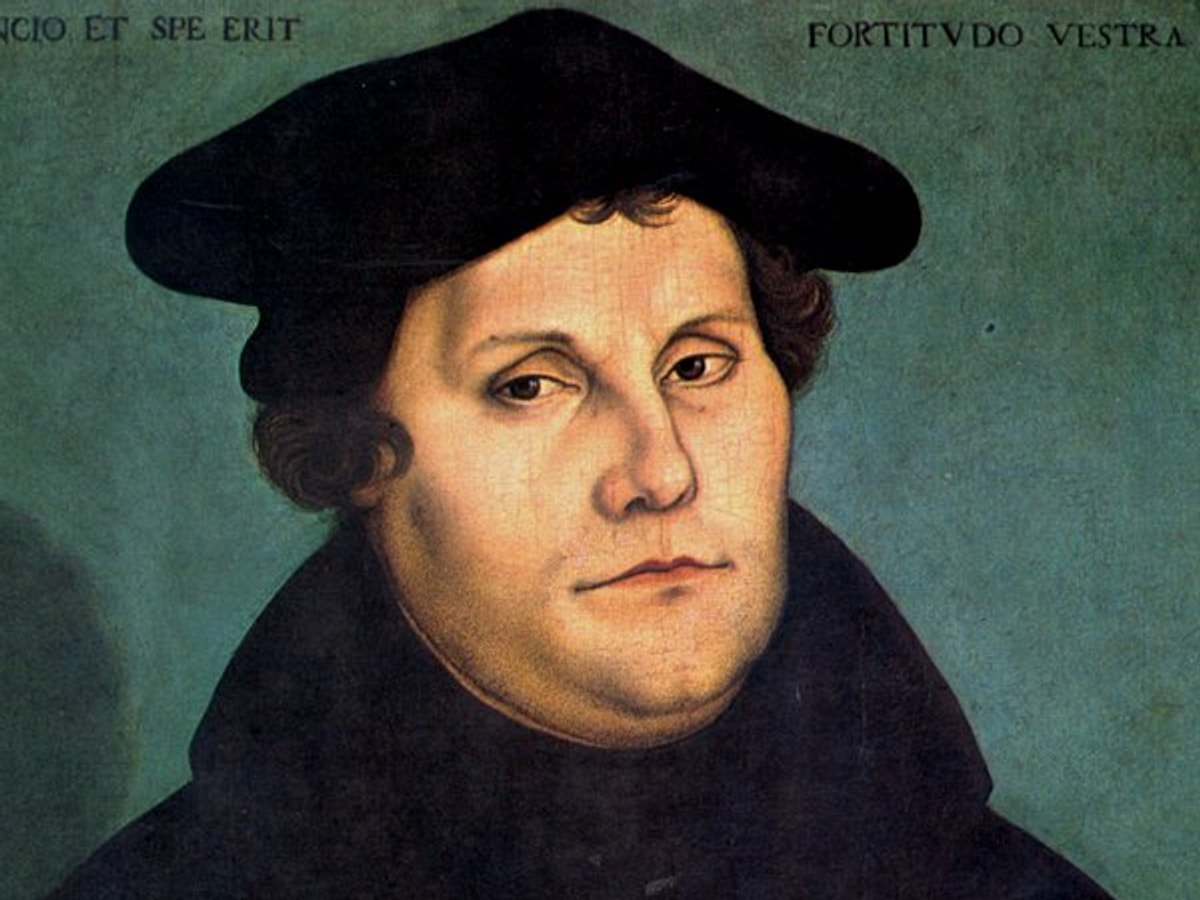
And that assumption is exactly where the story gets interesting. “Away in a Manger” is often introduced as “Martin Luther’s Cradle Hymn,” supposedly written by Luther for his children. It is a charming picture, and historically unfounded. The real story is more American, more anonymous, and in its own way just as human.
The words: an anonymous American text
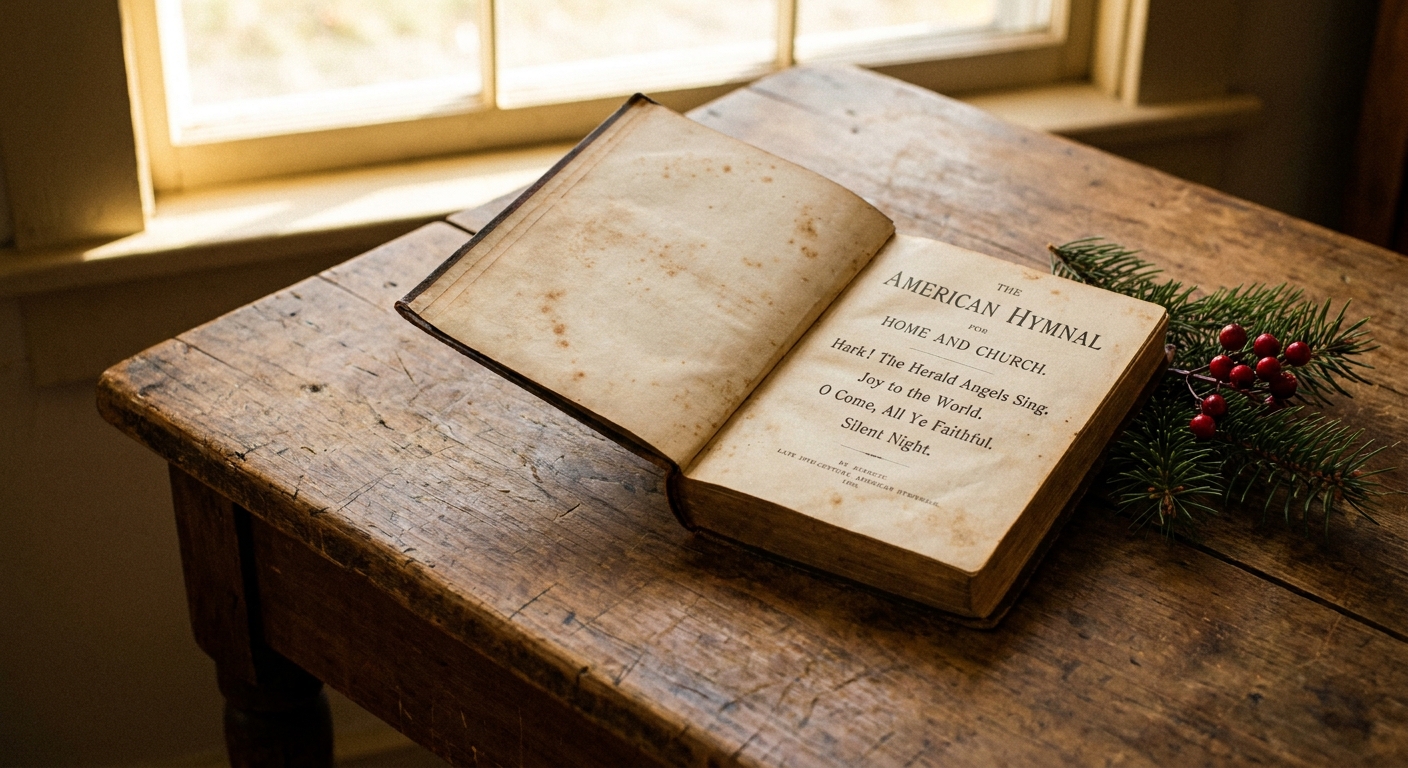
The earliest solid evidence for the text of “Away in a Manger” places it in the United States in the late nineteenth century. Unlike hymns with clear authorship trails, this one arrives in print without a dependable signature. That anonymity is part of why legends stuck so easily.
The most-cited early printing is in an American Lutheran Sunday school collection, Little Children’s Book for Schools and Families (1885), where the text appears without an author. By the late 1880s and into the 1890s, the carol was circulating widely in Sunday school and children’s hymn materials, which helped it spread quickly and settle into memory.
Some sources have tried to attach the words to specific American writers, but none of those attributions has the kind of documentary support that would settle the matter. In other words, we can trace the carol’s rise, but not the pen that first drafted it.
Why the text feels older
Part of the carol’s power is its plain-spoken devotion. It reads like a lullaby and a prayer at once. The diction is uncomplicated, the images are domestic, and the emotional movement is gentle: the manger scene, a quiet night, a child’s request for nearness and blessing.
That simplicity can feel timeless, and we tend to file timeless things into earlier centuries. But the style also fits a great deal of nineteenth-century American religious writing for children, especially the kind shaped for home and Sunday school use.
A line many listeners notice
If you have ever paused on the line about “no crying he makes,” you are not alone. For some, it sounds like a sweet way of saying the baby is peaceful. For others, it can feel theologically loaded, as if Jesus is portrayed as less human than other children.
It is worth remembering that carols are not systematic theology. They are devotional poetry. Some modern hymnals adjust or omit that line, and different communities make different choices. What matters for our purposes here is that the lyric has a nineteenth-century American editorial history, not a sixteenth-century German one.
The Luther claim: why it fails
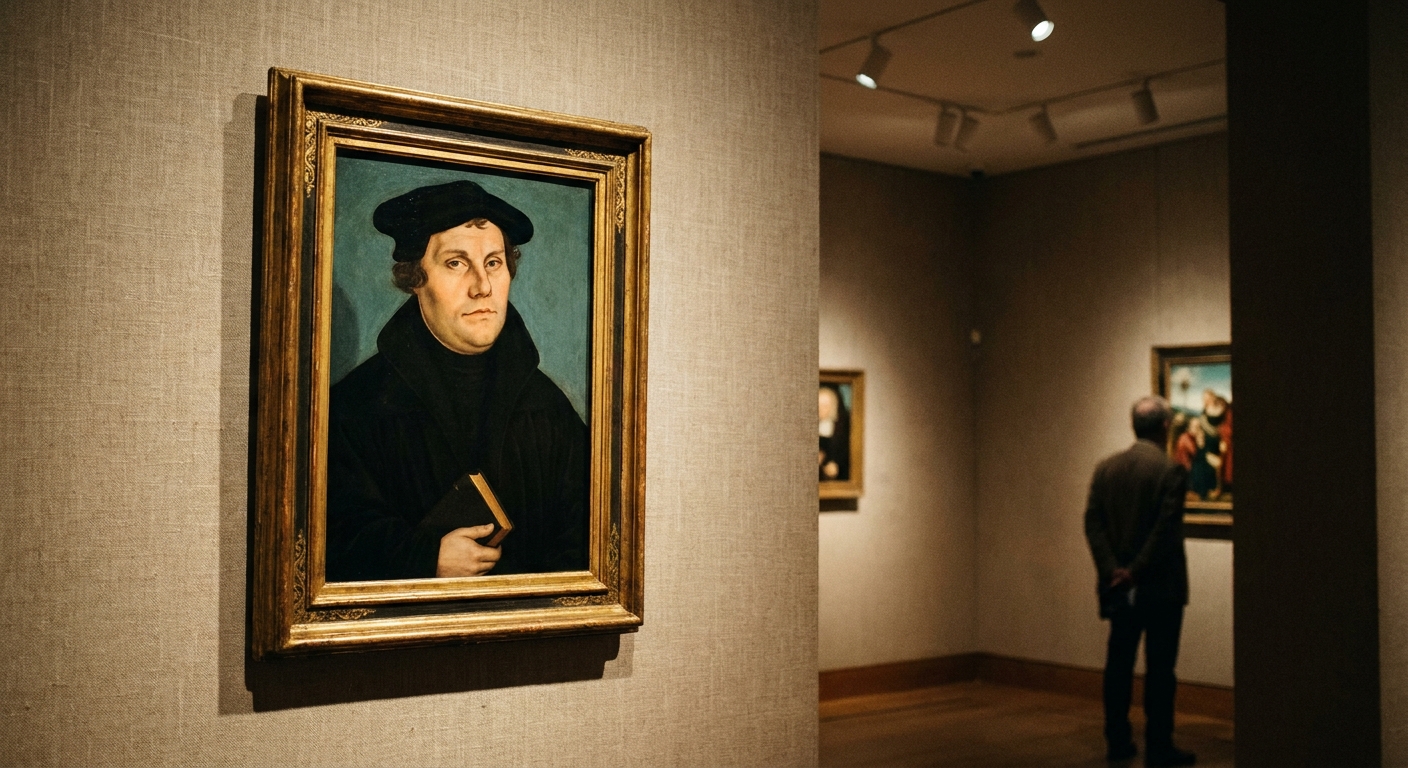
The “Martin Luther wrote it” story persists because it is vivid and comforting. A reformer sings to his children. A household faith is handed down through music. It makes the carol feel rooted, authoritative, and old.
But when you look for evidence, the legend falls apart.
The timeline does not work
- Martin Luther lived from 1483 to 1546.
- The carol’s text shows up in reliable print in the United States in 1885.
That gap is not a minor discrepancy. It is a chasm.
No German original, no translation trail
If Luther had written the carol, we would expect to find a German text or at least a translation record showing how it traveled into English hymnody. Instead, the earliest evidence is English-language and American. There is no credible chain of manuscripts, early hymnals, or correspondence tying the words to Luther’s circle.
How the legend likely formed
In hymn history, famous names often get attached to anonymous works. Sometimes it happens through an error that gets copied. Sometimes it is a marketing choice, especially for children’s collections where a familiar figure adds gravitas. Once an attribution is printed a few times, it can become “common knowledge” even without a source.
In this case, the “Luther’s Cradle Hymn” label appears in late nineteenth-century American print culture after the text is already in circulation, not in anything connected to Luther’s Germany. The irony is that the song did not need the Reformation to be beloved. It already had everything it needed: tenderness, memorability, and a melody simple enough to carry through generations.
The melodies: MUELLER and CRADLE SONG
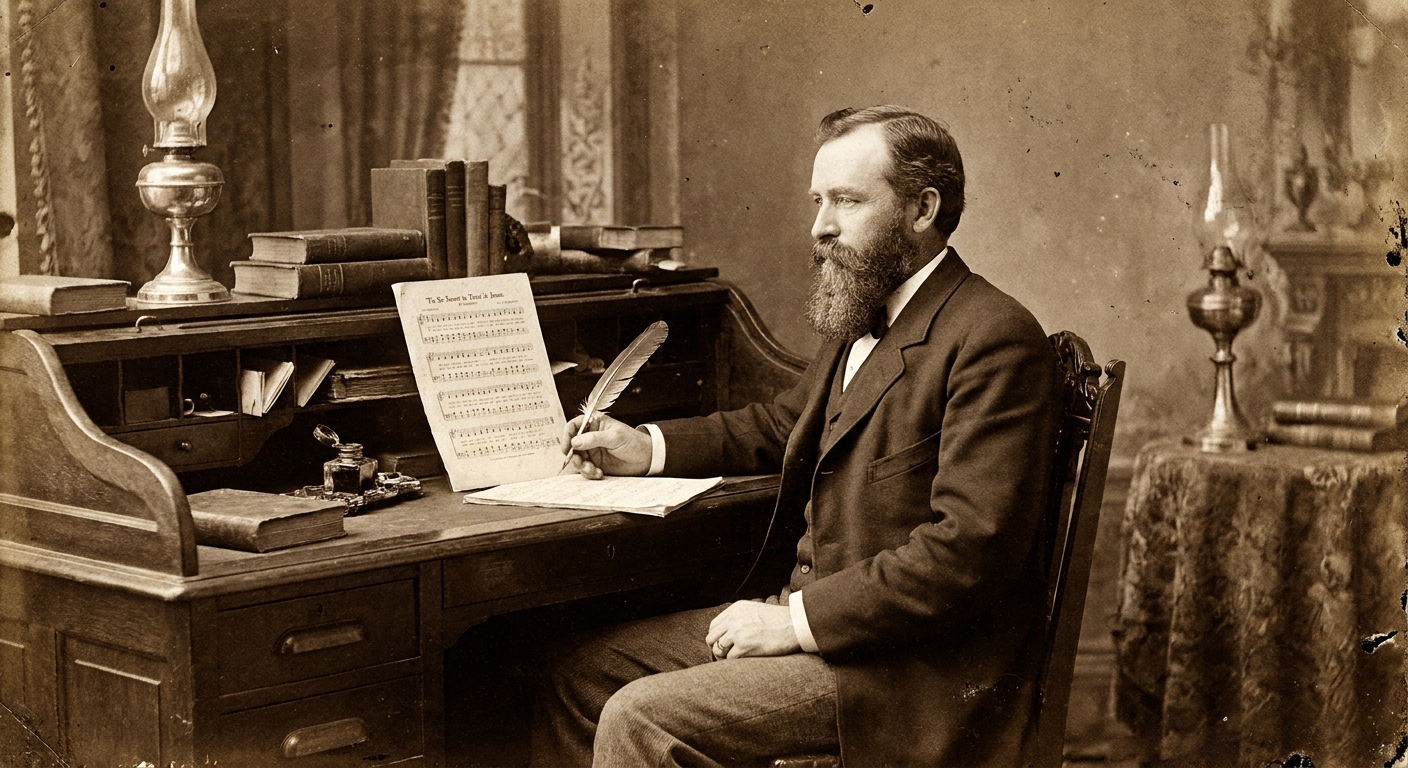
Many of us learn “Away in a Manger” as if it has one obvious melody. In practice, English-speaking churches have tended to use two main tunes, both tied to American publication and performance. Other tunes exist, but these two dominate most hymnals and congregational memory.
MUELLER
One common melody is usually labeled MUELLER in hymnals. It is commonly attributed to James R. Murray and often dated to 1887, when it appears with the carol in late nineteenth-century collections.
MUELLER has a gentle forward motion, a kind of rocking quality that suits the lullaby feel of the text. It is easy for children to sing, and that accessibility is part of why it traveled so well.
CRADLE SONG
The other widely used melody is often called CRADLE SONG. Many hymnals credit this tune to William J. Kirkpatrick, a prolific American composer and arranger of gospel songs and hymn tunes. It is commonly dated to the 1890s and frequently linked to 1895 printings in the carol’s expanding hymnal life.
If you have ever heard “Away in a Manger” with a slightly more lyrical rise and fall, and a warm, almost Victorian tenderness, you may have been hearing CRADLE SONG.
When people argue about which melody is “correct,” I often think: perhaps the real story is that the text was loved enough to be adopted by more than one musical home.
So who wrote it?
With the evidence currently available, the most honest answer is: we do not know who wrote the original text. What we can say with confidence is that the carol is not by Martin Luther, and that it emerged in nineteenth-century America, spreading quickly through religious education and hymn collections.
That answer can feel unsatisfying if you want a single author to thank. But there is a kind of humility in it that fits the song. Some of the most enduring devotional words arrive without a name attached, passed hand to hand until they belong to everyone.
When a carol survives without an author, it can become a shared hearth. Not owned, not branded, simply carried.
The legend, held gently
I understand why people enjoy the Luther story. I grew up in a multi-faith household where stories were how we honored one another’s traditions. A good story can warm a room. It can also blur a timeline.
If you love “Away in a Manger,” you do not have to love it less because Luther did not write it. Let it be what it is: an American carol that learned to sound ancient, a lullaby that found its way into millions of memories, and a reminder that devotion often travels through ordinary people whose names history forgets.
Quick answers
Did Martin Luther write “Away in a Manger”?
No. There is no credible historical evidence connecting Luther to the text, and the carol’s documented appearance is centuries after his death.
Is “Away in a Manger” German?
Not in origin. The earliest reliable evidence places it in the United States in 1885, in English.
What are the two main tunes?
Most hymnals and church traditions use either MUELLER (commonly attributed to James R. Murray, often dated 1887) or CRADLE SONG (widely credited to William J. Kirkpatrick, commonly dated to the 1890s).
Why do some books call it “Luther’s Cradle Hymn”?
Because a later attribution caught on in print and tradition. The label is memorable, but it is not supported by the historical record.