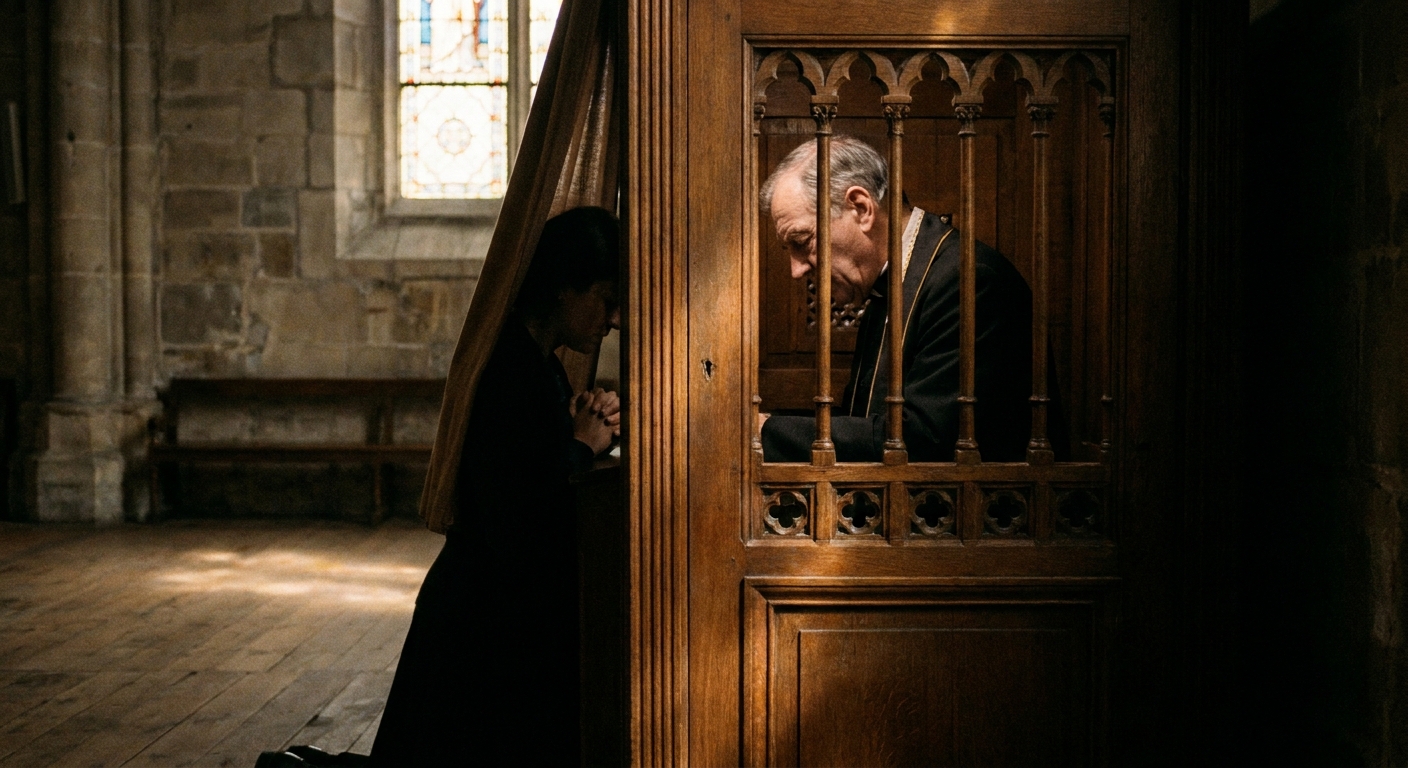
I grew up around more than one way of naming right and wrong. In my house, a Buddhist book might sit beside a Catholic prayer card, and dinner table conversations could wander from karma to confession without anyone raising their voice. That early mix left me with a lifelong curiosity about moral language: what a tradition is really trying to protect in us when it warns us away from certain patterns.
The “seven deadly sins” are one of Christianity’s most enduring moral lists. They show up in art, sermons, and pop culture, often as a kind of spiritual shorthand for what pulls a human being off-center. But they are also widely misunderstood, especially when people assume they are simply “the seven mortal sins.” They are not identical categories. A capital vice can involve acts that may be mortal depending on the conditions, but the lists do not match up one-to-one.
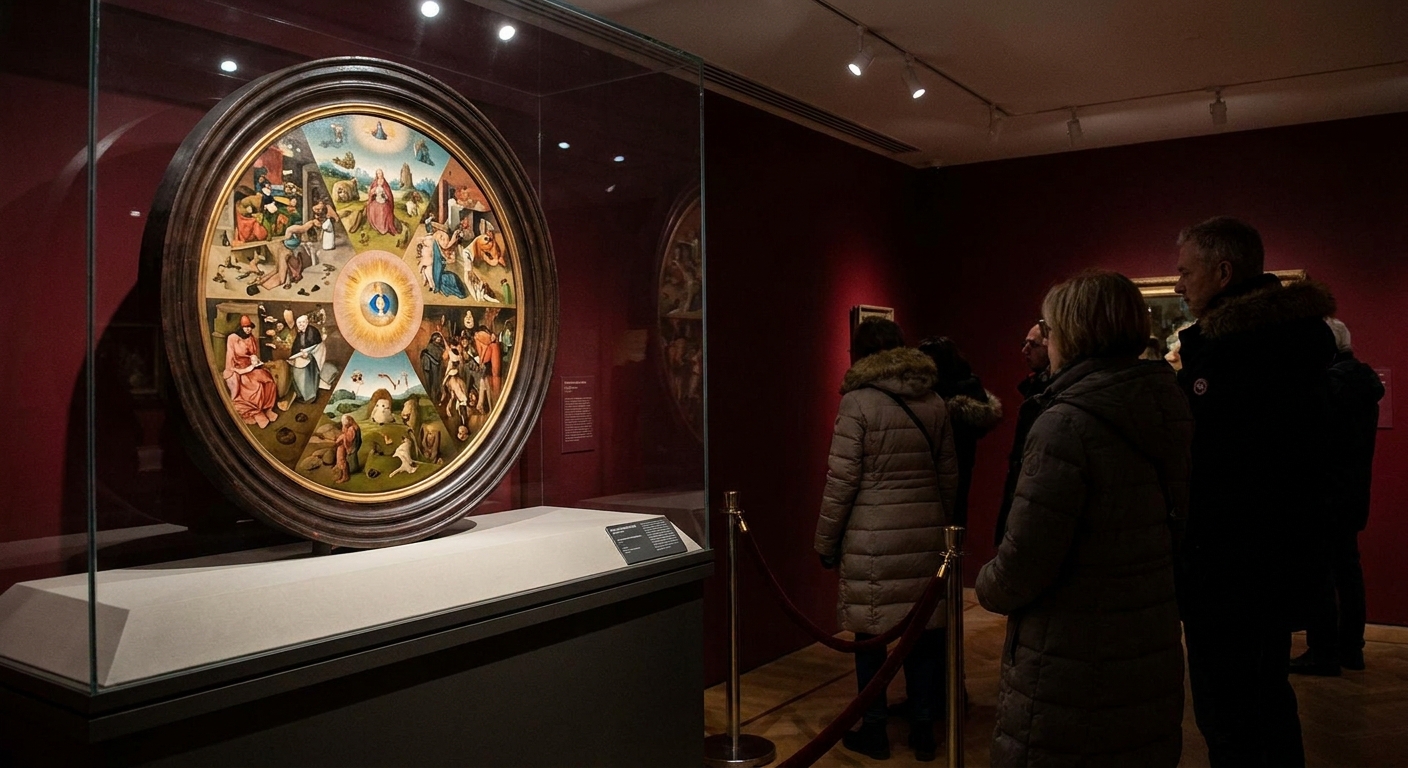
What are the seven deadly sins?
In Christian moral teaching, the seven deadly sins are also called the capital vices. The traditional list is:
- Pride
- Greed (also called avarice)
- Lust
- Envy
- Gluttony
- Wrath (anger)
- Sloth (spiritual apathy or acedia)
This list is not meant to be a catalog of specific “forbidden actions.” Instead, it names deep tendencies of the heart, habits of desire, and inner postures that can generate many other sins. Think roots, not just fruit.
Where did this list come from?
The list did not drop from the sky fully formed. Early Christian monks and spiritual writers were trying to name the recurring temptations that seemed to derail prayer and community life. A common thread runs from Evagrius Ponticus (fourth century), through John Cassian (late fourth and early fifth centuries), and into later Latin teaching shaped by figures like Gregory the Great (sixth century). Over time, the tradition settled into the familiar “seven” and used it as a practical way to diagnose patterns of the soul.
Why are they called “deadly” or “capital” sins?
Capital means they give birth
The word capital comes from the idea of a “head” or “source.” These vices are considered “headwaters” that feed downstream behaviors. For example, pride can lead to contempt, cruelty, dishonesty, and exploitation. Greed can lead to theft, deception, and neglect of the vulnerable.
Deadly points to what they do inside
They are called deadly because, when they are indulged and practiced, they deaden our capacity to love God and neighbor. They shrink empathy and erode freedom, training the heart toward self-absorption rather than communion.
In many Christian reflections, the deadly quality is less about God waiting to punish and more about what these patterns do internally. They make a person less responsive to grace, truth, and relationship.
Important note: Not the mortal sin test
One of the most common confusions is assuming the seven deadly sins are a checklist for whether something is a mortal sin.
They are not.
In Catholic moral theology, whether a particular act is a mortal sin depends on a separate evaluation involving grave matter, full knowledge, and deliberate consent. The “seven deadly sins” list does not replace that discernment. A single act connected to one of these vices might be venial or mortal depending on circumstances, intention, and freedom. Likewise, many mortal sins are not easily labeled as only one of the seven vices.
The capital vices are better understood as a map of the inner terrain. They help you ask, “What is being distorted in me?” rather than only, “Did I cross a line?”
The seven deadly sins explained
Below is the classic list, with a simple description of what each one distorts. If you want a gentle way to read these, imagine each vice as a good human capacity that has been bent out of shape. The point is not self-loathing. The point is clarity and repair.

Pride
What it distorts: identity, humility, and our relationship to truth.
Pride is not simply healthy self-respect. In the classic Christian sense, pride is the inward turning that makes the self the measure of all things. It can show up as arrogance, but also as a subtler refusal to receive help, admit weakness, apologize, or be taught.
Why it becomes capital: pride can justify almost anything, because it trains us to believe we are the exception, the center, or the final authority.
Greed (Avarice)
What it distorts: security, stewardship, and trust.
Greed is the hunger to possess more and more, not because we truly need it, but because acquisition begins to stand in for safety and worth. It can attach to money, status, experiences, or even attention.
Sometimes greed looks respectable. It is the moment you find yourself quietly making every workplace decision around protecting your advantage, even if it costs someone else their dignity, time, or stability.
Why it becomes capital: greed turns people and creation into commodities. It pushes the heart toward exploitation and away from gratitude.
Lust
What it distorts: desire, intimacy, and the dignity of others.
Lust is not the same as attraction or even strong desire. It is desire that detaches a person from love, reverence, and mutuality. In lust, someone becomes an object for consumption rather than a whole person to be honored.
Why it becomes capital: lust can train the imagination to use others, which then leaks into how we speak, act, and relate in everyday life.
Envy
What it distorts: joy, gratitude, and neighbor-love.
Envy is the ache at another person’s good, especially when their good feels like a threat to ours. It is not merely noticing inequality or longing for growth. Envy specifically resents the other’s flourishing.
In a comparison culture, envy can feel almost normal. It is the quiet sourness after scrolling past someone else’s announcement, where their joy lands in you like an accusation.
Why it becomes capital: envy corrodes community. It turns comparison into a spiritual habit, making it difficult to celebrate anyone without quietly keeping score.
Gluttony
What it distorts: appetite, embodiment, and moderation.
Gluttony is often reduced to overeating, but the tradition usually means something broader: an inability to receive created goods with restraint, gratitude, and care. It can be about food, drink, entertainment, shopping, or any form of consumption that becomes compulsive.
Why it becomes capital: gluttony makes “more” feel like the solution to discomfort. It can dull awareness and weaken our capacity to choose freely.
Wrath
What it distorts: justice, power, and mercy.
Wrath is more than anger. Anger can be a morally appropriate response to harm. Wrath, in this older sense, is anger that has slipped its leash: anger that seeks revenge, delights in another’s suffering, or refuses reconciliation even when reconciliation is possible and safe.
Why it becomes capital: wrath escalates conflict. It narrows the imagination until force feels like the only language left.
Sloth (Acedia)
What it distorts: love, responsibility, and spiritual vitality.
Sloth is often misunderstood as laziness. In much of Christian spirituality, it is closer to spiritual apathy or resistance to the demands of love. Sometimes it looks like procrastination and avoidance. Sometimes it looks like endless distraction. Sometimes it looks like a quiet sadness that makes prayer, service, and hope feel too heavy to bother with.
It is also worth noting that in some theological and scholarly discussions, acedia is treated with its own distinct flavor, more like a sorrowful resistance to the good, even if everyday conversation often uses “sloth” and “acedia” interchangeably.
Why it becomes capital: sloth can drain the will. Over time, it can make a person feel incapable of change, which is one of the quickest ways to stop seeking the good.
Are these the worst sins?
Not necessarily. The seven deadly sins are not a ranking system. They are a diagnostic tool, a way of naming the inner habits that commonly generate harm.
In pastoral life, I have seen how two people can perform the same outward action but be moved by different inner roots. I remember listening to two people describe the same argument at home. One was fueled by the need to win at all costs, and the other was running on fear and exhaustion and snapped. The capital vices invite us to look beneath the surface with honesty and compassion.
Why name them now?
For many modern readers, lists like this can feel shame-driven, or simply outdated. But there is a reason they persist: they describe patterns that still live in the human heart. Pride still tempts us to build an identity out of being “right.” Envy still blooms in comparison culture. Sloth still hides behind constant scrolling.
When used well, the tradition is not asking you to become morally anxious. It is asking you to become more free. More awake. More capable of love.

FAQs
Do all Christians emphasize the seven deadly sins?
They are discussed especially within Catholic and Orthodox moral and spiritual teaching, and they also appear in many Protestant contexts. Historically, they have shown up in a range of traditions, even when the exact list is not emphasized, because the underlying idea is widely shared: certain habitual vices distort the heart.
Are the seven deadly sins in the Bible?
The exact list of seven, as a set, is not presented in one single Bible passage. The list developed over time through early Christian reflection on Scripture and spiritual experience, drawing on many biblical teachings about pride, greed, anger, and so on.
What is the opposite of the seven deadly sins?
You will sometimes hear about “seven virtues” as a counterbalance. Different lists circulate, and pairings can vary by source. A common medieval set pairs the vices with virtues like humility, generosity or charity, chastity, gratitude or kindness, temperance, patience, and diligence. In spiritual practice, the goal is not to become flawless overnight, but to keep choosing the virtue that heals the particular distortion you notice in yourself.
A gentle way to use this list
If you want to use the seven deadly sins as a mirror rather than a weapon, try this simple approach:
- Name one recurring pattern you see in yourself without dramatizing it.
- Ask what it is trying to protect (status, safety, control, comfort, approval).
- Choose one small, concrete practice that moves you toward a healing virtue (one apology, one act of generosity, one technology boundary, one honest conversation).
- Return to compassion. In Christian terms, repentance is not groveling. It is coming home.
The seven deadly sins are not there to make you despair. They are there to help you tell the truth, so grace has something real to work with.