In the quiet back shelves of many Protestant hymnals, you can feel her presence. Sometimes it is a familiar line you have sung for years without knowing who wrote it. Sometimes it is a hymn you only hear at a funeral or on a tender Sunday. Fanny Crosby has that kind of reach: intimate, ordinary, and somehow enduring.
She was blind from infancy, educated at a pioneering school for blind students, and became one of the most prolific hymn writers in American history. But the most compelling part of her story is not the sheer number of texts she produced. It is the way she turned limitation into vocation, and personal devotion into public comfort for strangers.
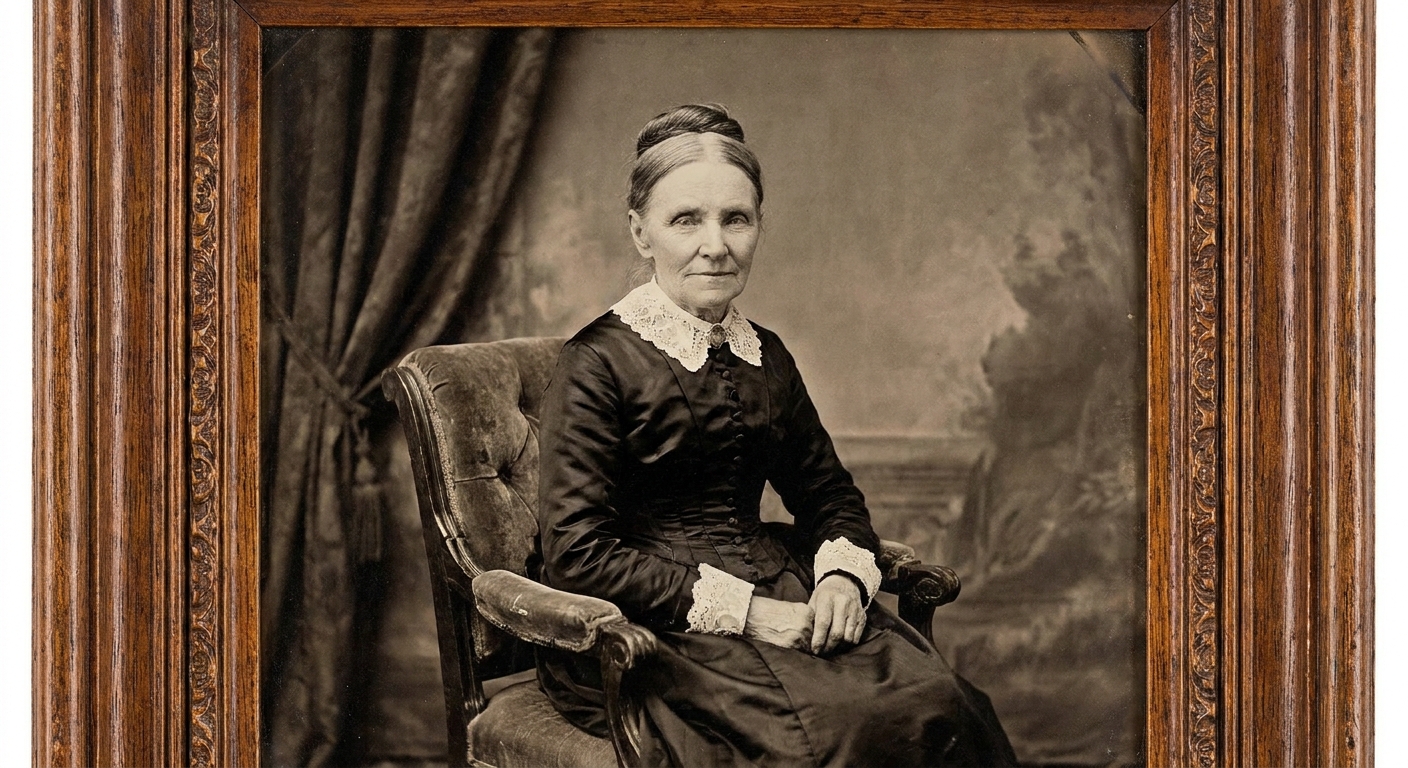
Fanny Crosby in brief
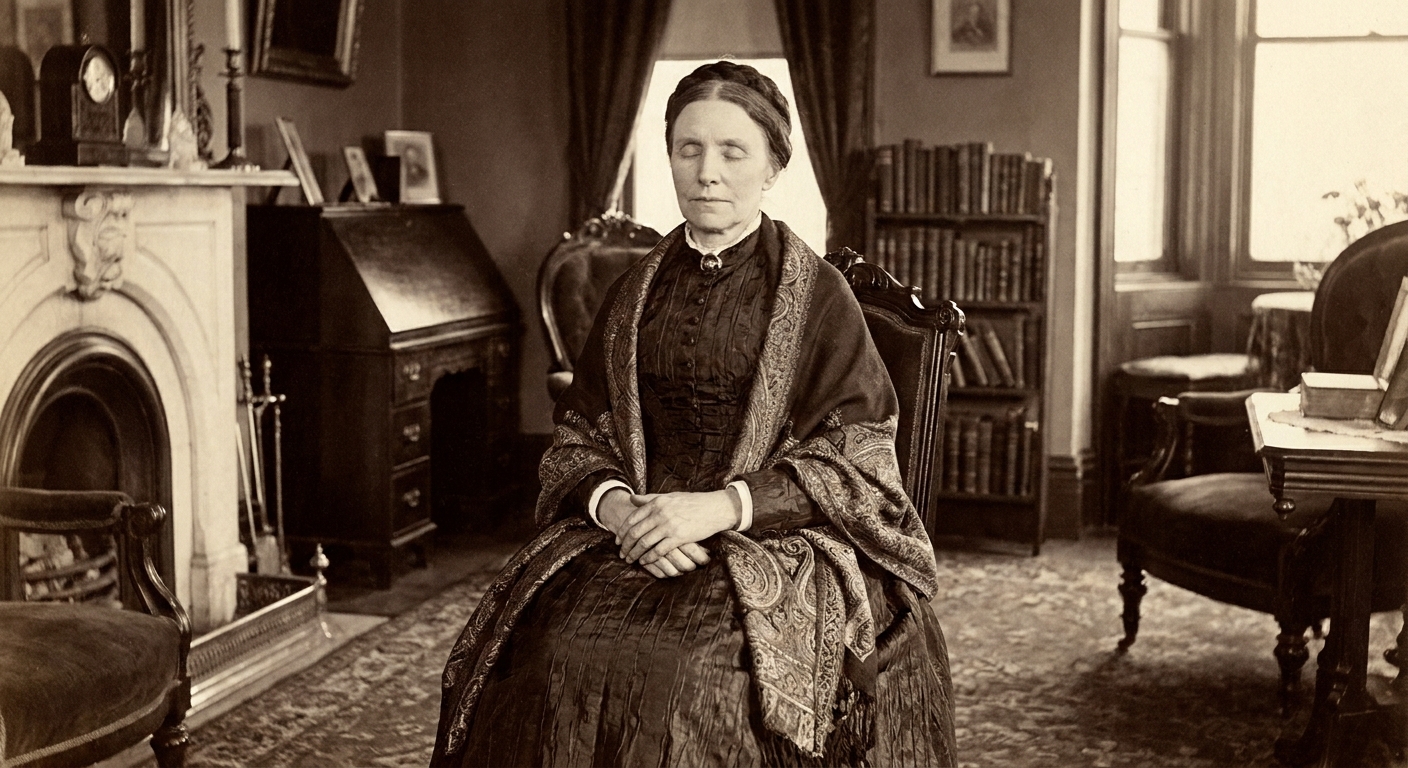
Frances Jane Crosby, known to history as Fanny Crosby, was an American poet, lyricist, and mission worker whose hymns helped shape the sound of evangelical Christianity in the United States.
- Born: March 24, 1820, in Southeast, New York
- Died: February 12, 1915, in Bridgeport, Connecticut
- Known for: Gospel songs and hymn texts that became staples in revival meetings, Sunday schools, and church worship
- Blindness: Blind from infancy (accounts vary, but she lost her sight after an early illness and treatment)
- Ministry: Long involvement with urban rescue missions and Christian service
People sometimes repeat an exact number for her output, but the truth is messier, and more interesting. Estimates often land in the range of roughly 8,000 to 9,000 hymn texts and song lyrics, and some scholars argue for lower totals depending on how one counts attributions and revisions. Part of the uncertainty comes from the fact that she published under many pen names, and she worked in a fast-moving industry where credits were not always handled carefully.
Blindness and early life
Crosby lost her sight as a baby. The most commonly repeated account is that an eye inflammation was treated improperly, resulting in blindness, but biographers also note that details are difficult to verify with certainty at this distance. However the exact mechanism is less important than what followed: her family did not treat her as though her life was over before it began.
After her father died when she was young, she was raised primarily by her mother and grandmother. In many biographies, her grandmother is described as a steady spiritual presence, teaching her Scripture and encouraging her to memorize long passages. That practice mattered. When you cannot read print, language becomes not only information but landscape. Memorization becomes a kind of inner library.
Crosby later spoke and wrote with deep confidence about God’s presence, but she also lived through the ordinary griefs of poverty, loss, and vulnerability. Her early years formed a spirituality that was both personal and practical, a faith meant to be carried, not displayed.
School and public recognition
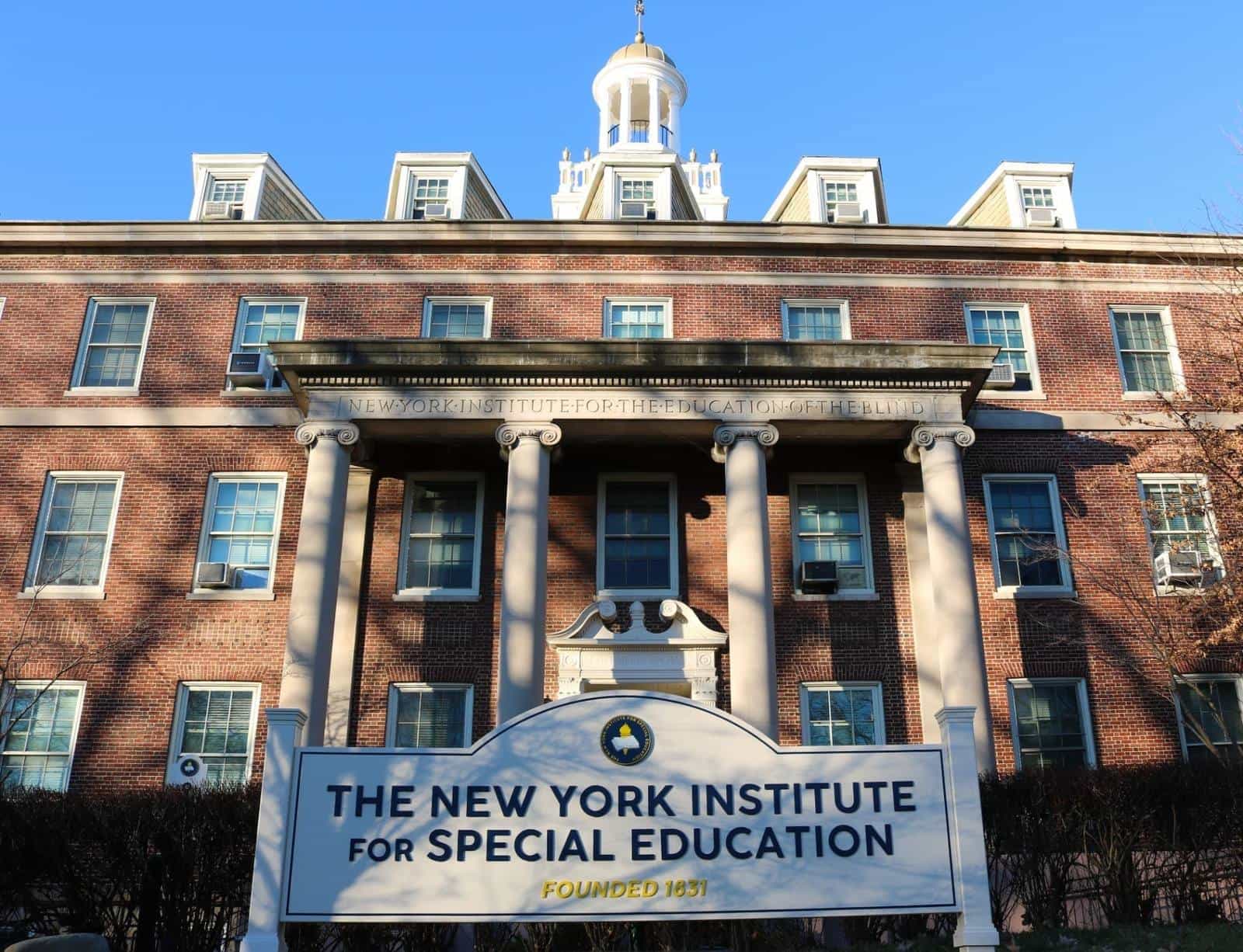
As a teenager, Crosby entered the New York Institution for the Blind in New York City, a significant opportunity in an era when disability often meant isolation and limited education. She arrived around the mid-1830s and stayed for years, first as a student and later as a teacher.
The institution encouraged rigorous learning: literature, history, rhetoric, and music. Crosby’s gift with words became visible to the public early. She wrote poems for civic occasions and performed before audiences that included public figures of her day, including presidents.
From poet to hymn writer
Crosby did not begin her public career as a hymn writer. She wrote poetry and secular songs, and she moved in the world of publishing where lyricists, composers, and music companies worked quickly to meet demand.
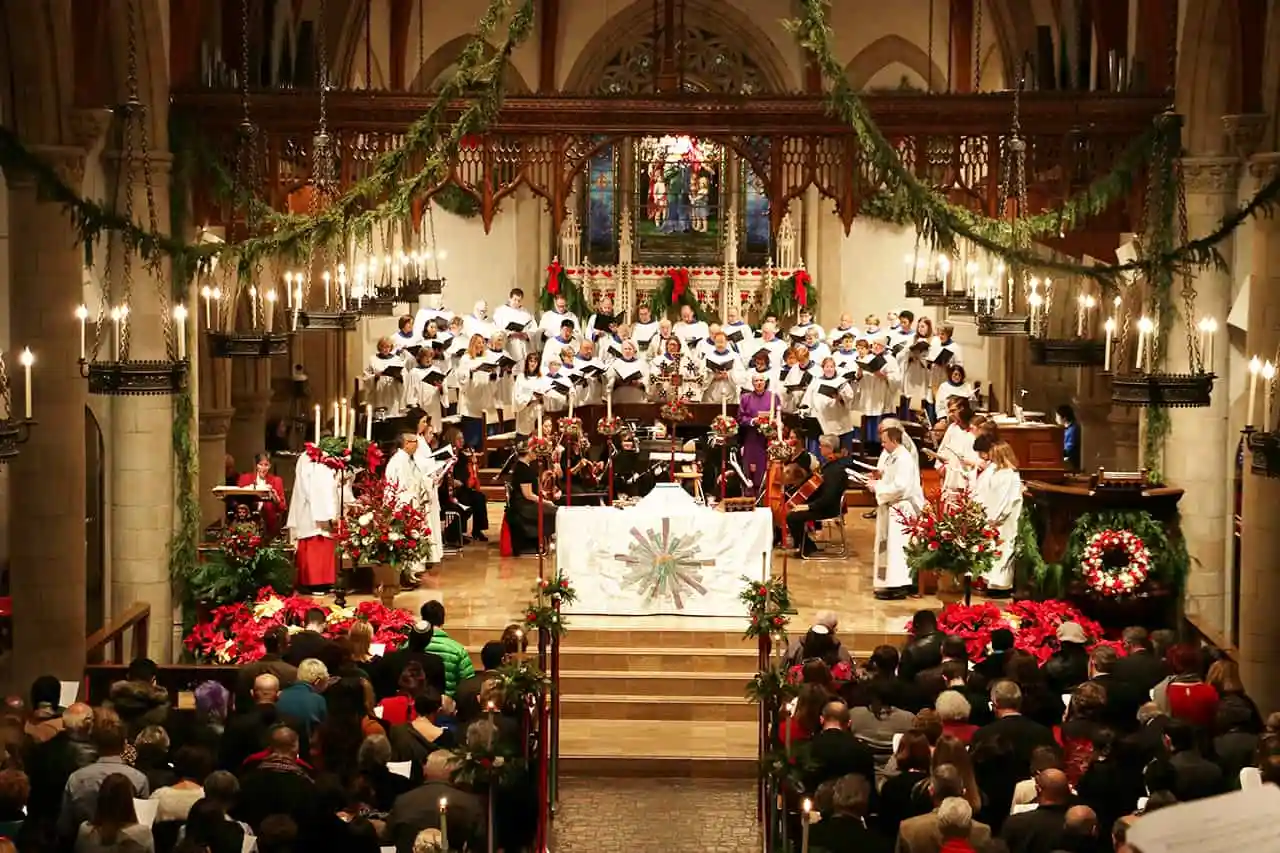
Over time, her work became increasingly focused on sacred music. This shift was not simply a career decision. It aligned with a broader religious and cultural movement. In the mid-to-late 1800s, gospel songs and revival music were spreading through camp meetings, evangelistic gatherings, urban missions, and Sunday schools. They needed lyrics that were singable, emotionally direct, and theologically accessible. Crosby had a rare ability to do all three.
If you know her at all, you likely know her by titles first. Among her most familiar hymns are “Blessed Assurance,” “To God Be the Glory,” “Pass Me Not, O Gentle Savior,” and “Safe in the Arms of Jesus.” They are not famous because they are flashy. They are famous because they are usable, and because the feelings inside them are steady enough to be shared.
She worked with many composers and publishers, and some partnerships became especially fruitful. She wrote frequently with composer William H. Doane, and she is closely associated with well-known gospel-song figures such as Phoebe Knapp and Ira D. Sankey in the wider revival-song world. Often, a composer would bring a melody and a general theme, and Crosby would craft a text suited to the tune and the intended audience. That is one reason her hymns travel well: they were written to be used, to fit voices in a room, to carry faith through melody.
How she wrote so much
People often hear the number associated with Crosby and immediately ask, almost suspiciously, “How is that possible?” The answer is not mystical, but it is remarkable: discipline, memory, collaboration, and an environment that demanded constant creation.
She composed by dictation
Crosby typically dictated her hymn texts to assistants, friends, or family members. Dictation was common for blind writers in the 19th century, and Crosby became exceptionally fluent in it. A tune might be played for her, or a meter specified, and she would shape lines and rhymes in conversation, listening for what worked.
She relied on a powerful inner memory
Her childhood practice of memorizing Scripture formed a mental toolkit she drew from for decades. That does not mean she recycled verses thoughtlessly. It means her mind was steeped in biblical language, imagery, and cadence. When she wrote about comfort, grace, assurance, or pilgrimage, she had a deep reservoir to draw from.
She used many pen names
One of the more curious facts about Crosby’s career is how often she published under pseudonyms, sometimes dozens of them. Publishers sometimes wanted a songbook to appear as though it contained many contributors, even when one writer supplied a large share. Crosby obliged. This practice is one reason modern counts vary, and why attribution can be complicated even when her voice feels unmistakable.
She wrote for rooms full of people
Crosby was not writing into a vacuum. She was writing for choirs, revivals, missions, and worship gatherings where songs needed to be learned quickly and sung often. The clarity and warmth people associate with her work were part of her craft, shaped by real congregations and real needs.
Mission work and the poor
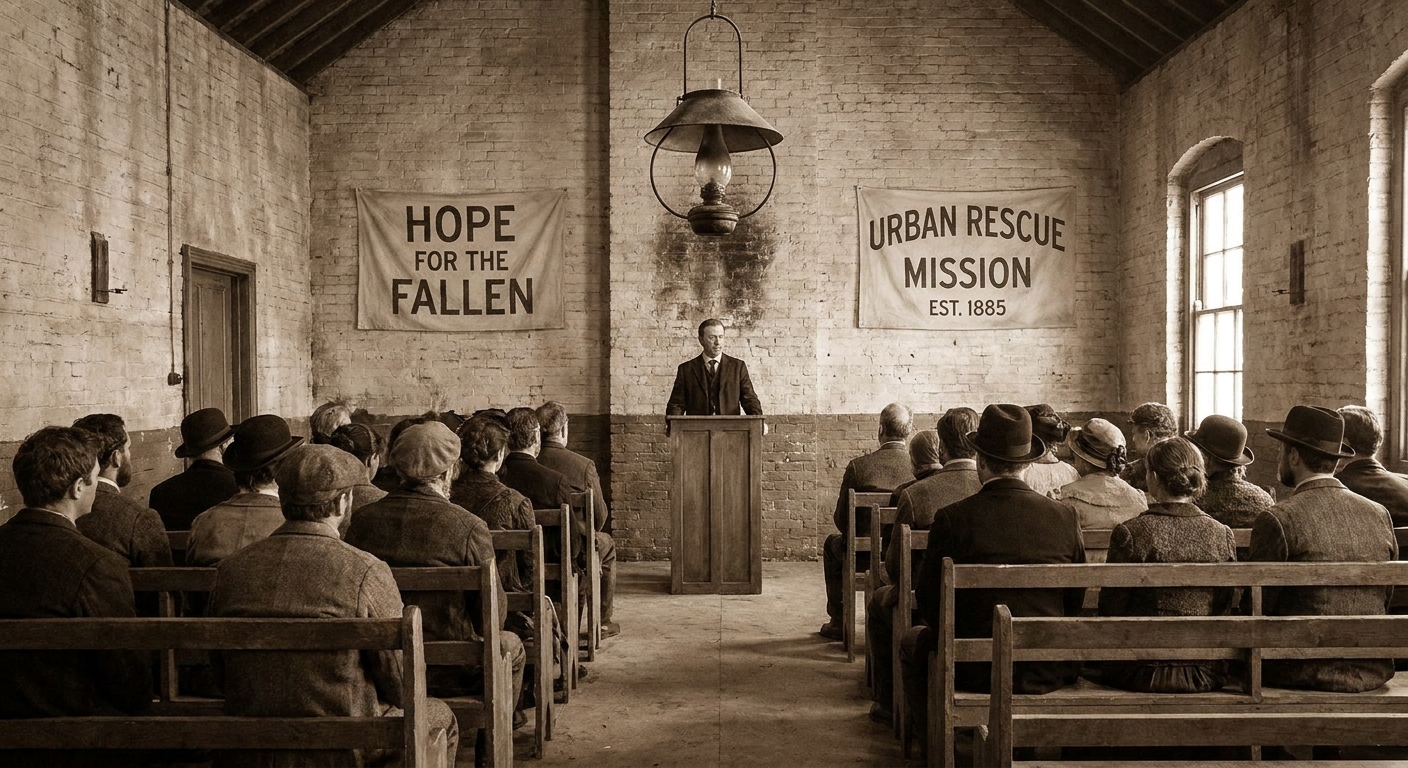
Crosby’s faith was not only lyrical. It was profoundly social. She spent significant time involved in rescue mission work, particularly in New York City. One of the places often connected to her story is the Water Street Mission, part of a wider network of ministries serving people living in poverty, people experiencing homelessness, and those struggling with addiction or illness. Crosby visited, listened, prayed, and offered practical encouragement.
This context helps explain the emotional immediacy in many of her texts. Her hymns often speak to people who feel worn down, lonely, or unsure they will make it. That was not sentimentality. It was pastoral instinct formed by proximity to suffering.
Marriage and later years
Crosby married Alexander Van Alstyne in 1858, a musician who was also blind. Their life together was marked by modest means and steady work. Like many lives, theirs carried joys and sorrows that are not always fully visible in the public record. What remains clear is that Crosby continued to write and to serve well into old age.
She spent her later years in Connecticut and remained a beloved figure in American religious life. By the time she died in 1915, her name was already woven into the worship practices of countless churches.
Today, you can still find her work in hymnals across denominational lines, and in gospel traditions that prize testimony, simplicity, and heartfelt devotion. Even when her authorship is not announced, her voice persists.
Why her story matters
In interfaith spaces, I am often careful with the language of “inspiration,” because it can flatten real hardship into a feel-good moral. Crosby’s life deserves better than that. She was not admirable because she was blind. She was admirable because she built a full, expressive spiritual life and then offered it generously to others.
Her work reminds me that faith is often transmitted through the ordinary, through lines sung by people who are tired, grieving, or hopeful, and who need words sturdy enough to hold them.
If you have ever sung a hymn you did not write and found your own heart inside it, you already understand something of Fanny Crosby’s ministry.
Quick FAQ
Was Fanny Crosby really that prolific?
Yes. Estimates vary, but many sources place her output at roughly 8,000 to 9,000 hymn texts and song lyrics, with uncertainty due to pseudonyms, attribution issues, and the pace of 19th-century music publishing.
How did Fanny Crosby write hymns if she was blind?
She composed largely by dictation, speaking her lyrics aloud to someone who wrote them down. Her early training in language, along with extensive Scripture memorization, gave her a deep internal store of rhythm and imagery.
What are her best-known hymns?
Common examples include “Blessed Assurance,” “To God Be the Glory,” “Pass Me Not, O Gentle Savior,” and “Safe in the Arms of Jesus.”
What kind of ministry did she do outside of songwriting?
She spent years connected to urban rescue mission work in New York City, a world that shaped the pastoral, steady tone of her lyrics.