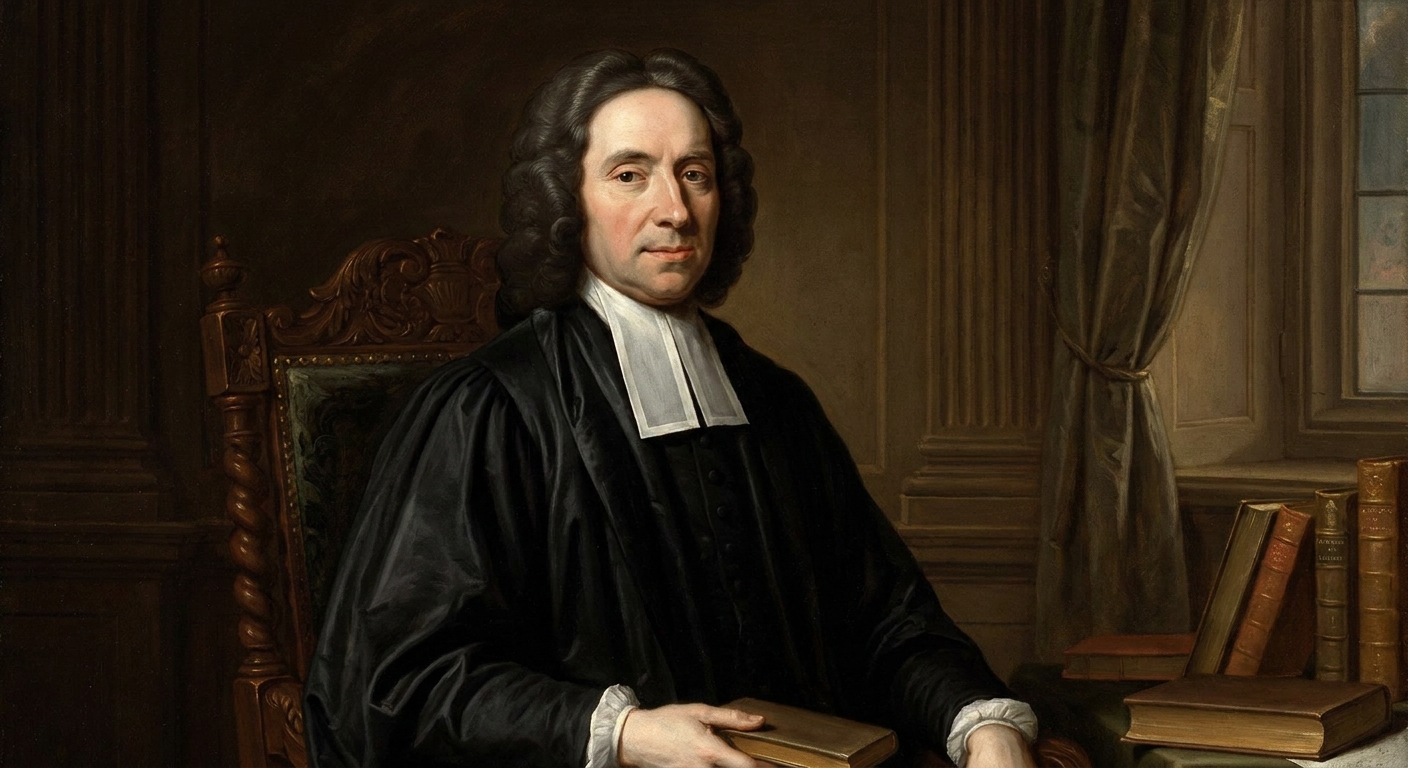
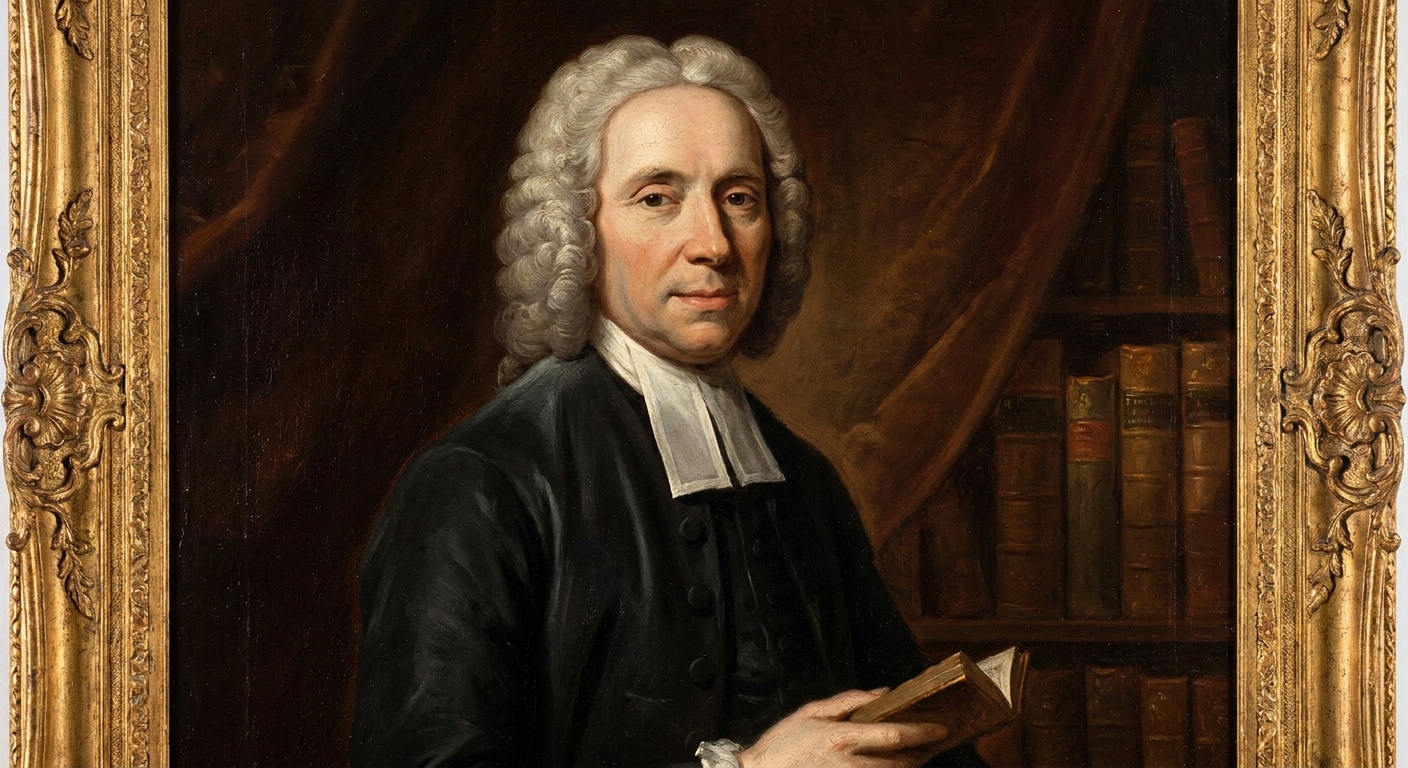
I first met Isaac Watts the way many people do: not through a dusty biography, but through a line of hymn poetry that felt almost shockingly honest. It did not sound like someone merely repeating inherited phrases. It sounded like someone praying in real time.
Watts (1674 to 1748) is often described as the father of English hymnody, a title that can feel grand until you understand what he actually changed. In an era when many Dissenting and Reformed congregations sang almost exclusively metrical psalms, Watts began writing Christian hymns and psalm paraphrases that put the life, death, and resurrection of Jesus directly on the lips of ordinary worshipers. He did it with literary skill, theological conviction, and a pastor’s sense for what a congregation could actually carry together.
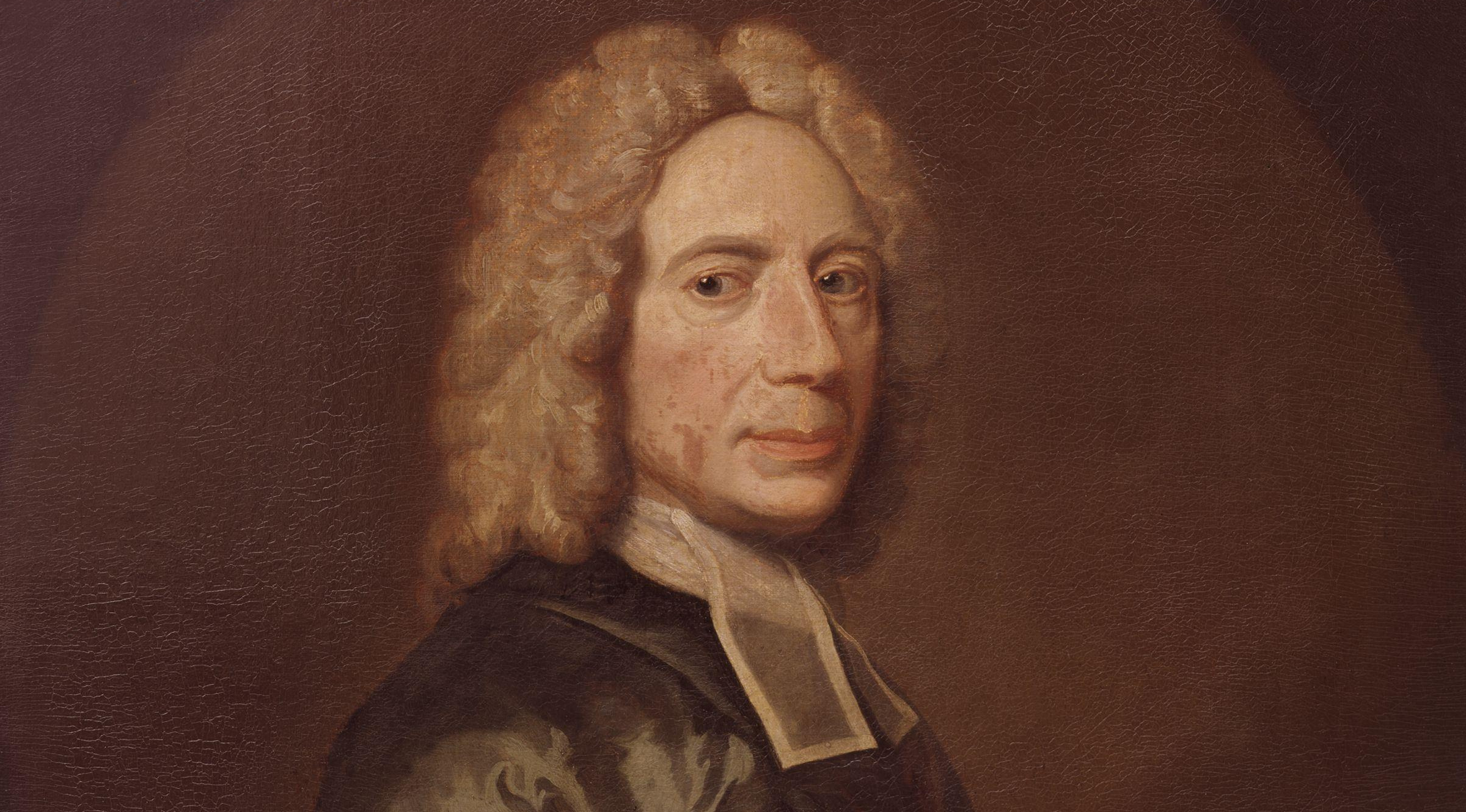
Isaac Watts in a sentence
Isaac Watts was an English Nonconformist minister, theologian, and poet whose hymns and psalm paraphrases helped move congregational singing from strict psalm-only practice toward devotional songs that expressed distinctly Christian faith and personal response.
His Nonconformist roots
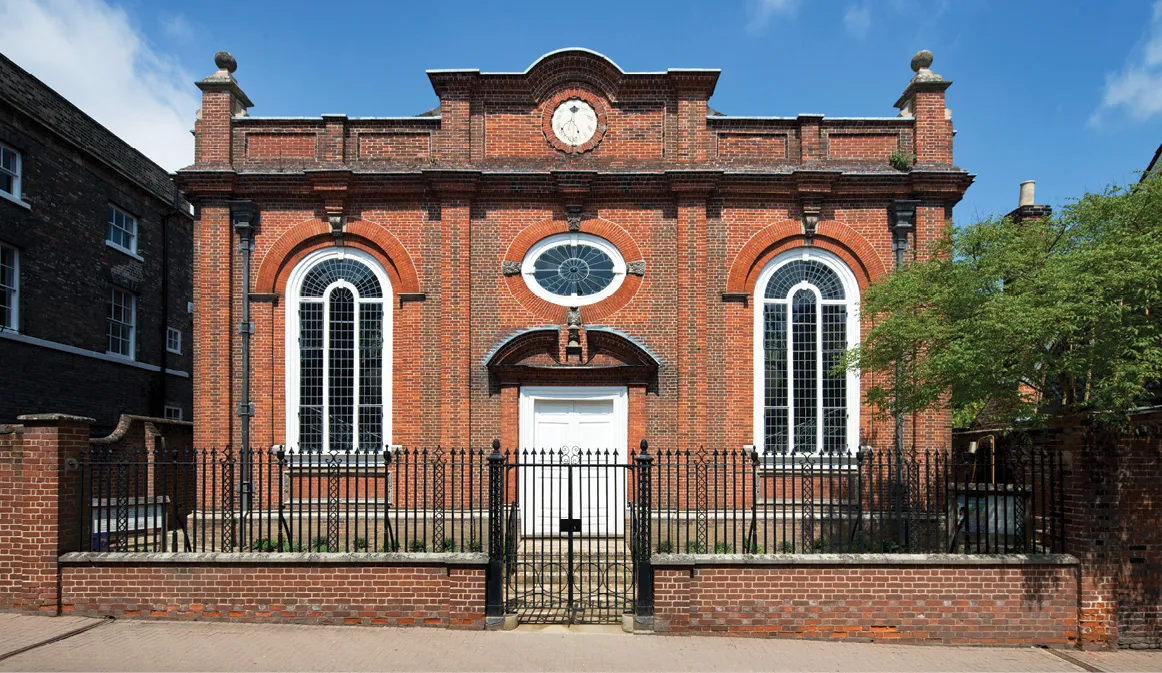
Watts was born in Southampton in 1674, at a time when England’s religious landscape could be harsh for families who worshiped outside the Church of England. These communities were called Dissenters or Nonconformists, and their ability to gather, teach, and lead public life shifted with politics and law.
Watts’s family background placed him firmly within that Nonconformist world. He did not take the typical path through Oxford or Cambridge, in part because religious tests and required subscriptions effectively barred many Dissenters. Instead, he was educated through the academies that trained Nonconformist leaders, and he grew into adulthood shaped by a tradition that prized conscience, Scripture, and the freedom to worship without state control.
If you have ever tried to practice faith in a space that feels slightly “outside the walls,” Watts’s story can feel familiar. Nonconformity was not, for him, a rebellious aesthetic. It was the air he breathed, and it formed his instincts about what worship should do: nourish the heart, instruct the mind, and strengthen a community under pressure.
Pastor, teacher, and writer
Watts is remembered as a hymn writer, but his public identity in his own day was broader. He served as a minister among English Dissenters and spent much of his life writing for the church in multiple genres: sermons, devotional texts, theological works, and educational materials.
His hymn writing also has dates and titles worth knowing, because they show how deliberately he worked. Hymns and Spiritual Songs appeared in 1707, and The Psalms of David Imitated in the Language of the New Testament followed in 1719. Those books did not just gather poems. They helped reshape what English-speaking worshipers expected to sing together.
For much of his adult life, Watts struggled with ill health, including long stretches when he could not carry a full pastoral load. That matters when you read him. His hymns often carry a steady, inward gaze: not self-absorption, but careful attention to the reality of weakness, fear, hope, and the slow work of grace. His writing can feel strong without being triumphal, tender without being vague.
Why he changed congregational singing
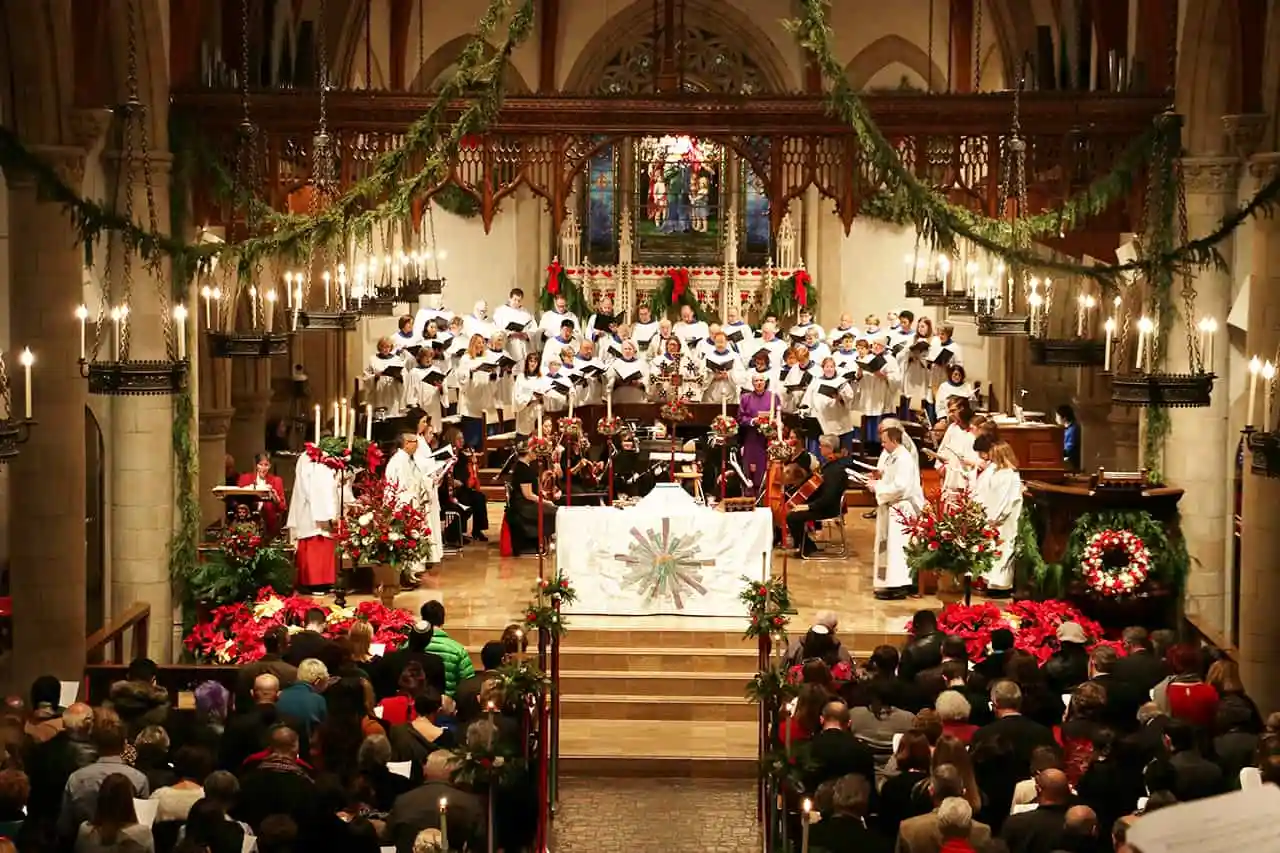
To appreciate Watts’s impact, it helps to know what many worshipers were singing before him, especially in Dissenting settings. Congregational song often centered on metrical psalms, meaning the biblical Psalms rendered into rhymed, singable English. This practice had deep roots and genuine spiritual power. But it could also feel constrained, particularly for Christians who longed to sing directly about Christ in the language of the New Testament.
From psalms only to Christian hymnody
Watts did not reject the Psalms. He loved them. What he did was reinterpret them through a Christian lens and, alongside that work, compose hymns that voiced explicitly Christian themes: incarnation, atonement, resurrection, communion with Christ, and discipleship.
That seems normal now. In Watts’s context, it was a significant shift. He helped create a vocabulary of congregational prayer in song that sounded like the gospel as Christians understood it, not only like ancient Israel’s poetry translated into English meter.
Language people could pray
Watts also wrote with a poet’s ear for clarity. He aimed for language that ordinary worshipers could hold in their mouths without feeling they were borrowing someone else’s piety. He used imagery, contrast, and memorable phrasing that could teach theology without sounding like a lecture.
In other words, he treated congregational singing as something formative. It was not background music. It was not performance. It was formation.
What made his hymns stand out
- Christ-centered focus: Watts brought the story of Jesus into congregational song with directness and reverence.
- Emotional honesty: His hymns make room for awe, sorrow, gratitude, and longing without turning worship into mere sentiment.
- Theological substance: Even his most singable lines often carry careful doctrinal thought.
- Poetic craft: He wrote with rhythm and imagery that stayed with people, which is part of why his texts traveled so widely.
Best-known hymn texts
Watts wrote hundreds of hymn texts and psalm paraphrases. A few became especially enduring across denominations and centuries. Two of the most widely loved have their own story pages on Faith Rift:
- “Joy to the World” (a Christian paraphrase of Psalm 98, later paired with the tune many people now know)
- “When I Survey the Wondrous Cross”
Other well-known Watts texts include “O God, Our Help in Ages Past,” “Come, We That Love the Lord,” and “Alas! and Did My Savior Bleed.” Across these hymns you can hear his hallmark combination of doctrine and devotion: belief that aims not only to be correct, but to become love.
Why people call him the father of hymnody
Watts earned that nickname because he helped normalize something later generations took for granted: English-speaking congregations singing hymns that were not direct psalm translations, hymns that spoke explicitly about Christ, and hymns that expressed the inner life of faith in accessible, memorable poetry.
He did not invent congregational song, and he was not the only hymn writer in his era. Private devotional hymnody existed before him, and other traditions had already experimented with freer song. But his influence was unusually broad. His texts were printed, reprinted, adapted, and carried into worship far beyond his own Nonconformist circles. In many ways, the English hymn tradition that followed, from the Wesleys onward, inherited a door that Watts had already pushed open.
Reading Watts today
In my interfaith work, I often sit with people who feel a tension between inherited words and lived experience. Watts is interesting here because he was not trying to be novel for novelty’s sake. He was trying to help people tell the truth before God.
If you are curious about engaging his work now, you might try this:
- Read one hymn text slowly as a prayer, without music. Notice where the language catches on your heart.
- Pay attention to the movement in his hymns, often from wonder to surrender, from confession to trust.
- Hold his certainty gently. Some lines will feel culturally distant. Others will feel like they were written yesterday.
The lasting gift of Isaac Watts is not only that he wrote beautiful hymns. It is that he believed a congregation could sing theology with its whole heart, and that the act of singing together could make a community more truthful, more compassionate, and more awake to grace.
Quick questions
When did Isaac Watts live?
He was born in 1674 and died in 1748.
Was Isaac Watts Anglican?
No. Watts was a Nonconformist, meaning he served outside the Church of England in the English Dissenting tradition.
What is Isaac Watts most famous for?
He is most famous for writing influential hymn texts and psalm paraphrases that reshaped English congregational singing, including “Joy to the World” and “When I Survey the Wondrous Cross.”
Did Isaac Watts write “Amazing Grace”?
No. “Amazing Grace” was written later by John Newton. Watts belongs to an earlier generation that helped make English hymnody what it became.