Some hymns feel like they arrived fully formed, as if the ink was still wet with heaven when the page was turned. “Blessed Assurance” is one of those songs for many of us. And yet its beginning is wonderfully ordinary: a living room, a piano, a friend saying, in effect, “Listen to this.”
I first learned “Blessed Assurance” in a home where more than one tradition lived side by side. In our house, songs did what debates could not. They made room. They made a kind of peace. Years later, after studying how different communities name the sacred, I still come back to this hymn because it captures a particular kind of Christian confidence without feeling like a weapon. It sounds like someone exhaling.
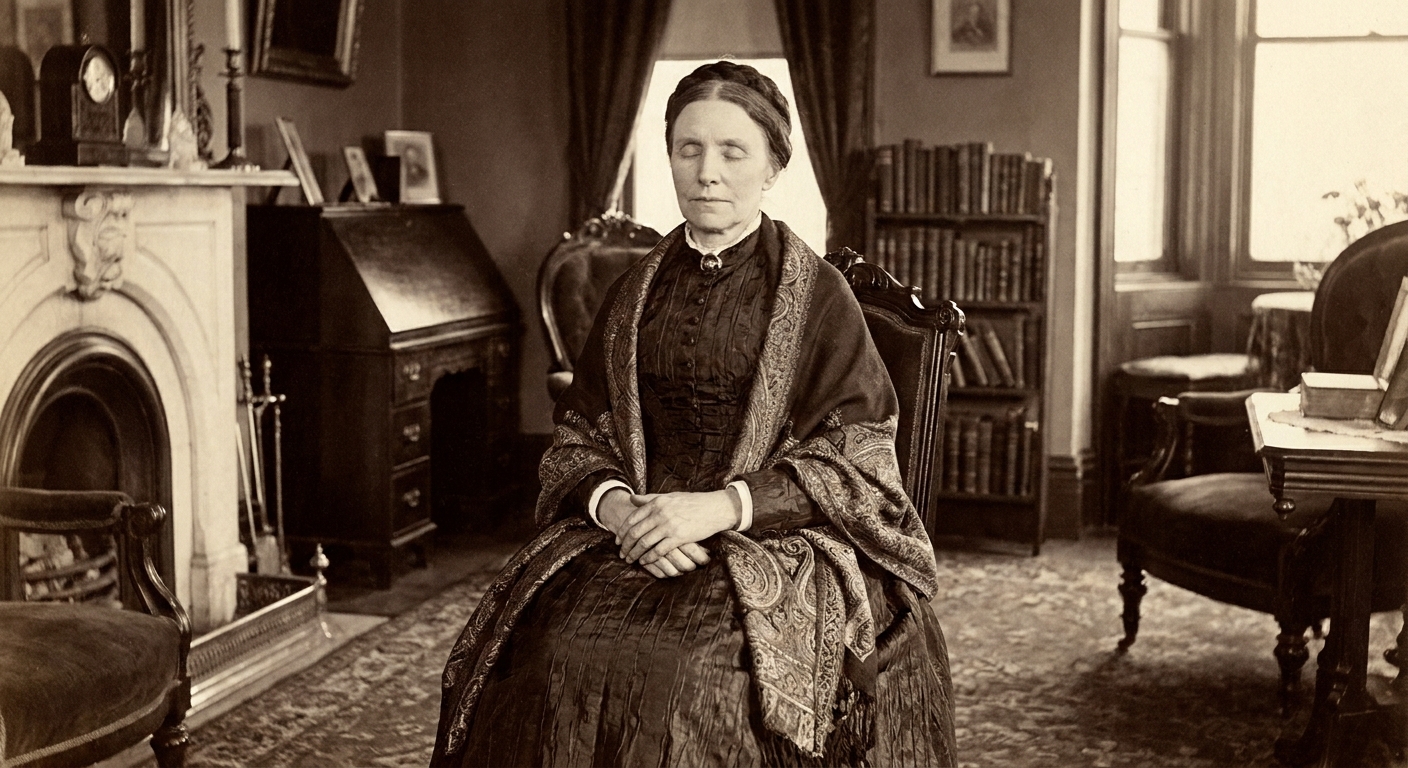
The story behind “Blessed Assurance” is also a story of collaboration between two remarkable women: Fanny Crosby, the prolific lyricist who was blind from infancy, and Phoebe Palmer Knapp, an accomplished composer and musician. Together they gave the church a hymn that still feels steady on the tongue, and that reflects holiness-era emphases on testimony, joy, and settled trust.
Two women
Fanny Crosby
Frances Jane “Fanny” Crosby (1820 to 1915) wrote thousands of hymn texts and gospel songs, shaping the soundscape of American Protestant devotion. If you have ever sung “To God Be the Glory” or “Pass Me Not, O Gentle Savior,” you have brushed up against her legacy.
Crosby’s life was marked by hardship and astonishing productivity. Blind after an illness in infancy, she trained her mind through memory, recitation, and listening. People who knew her often remarked on her warmth and her ability to craft lyrics that felt immediate, like spoken prayer.
Phoebe Palmer Knapp
Phoebe Palmer Knapp (1839 to 1908) was a gifted musician and composer who moved in the same 19th-century networks that fed the gospel song boom: revival culture, Methodist and holiness-leaning circles, and the publishers and evangelists who carried new music from parlor to tent meeting to hymnal. If “holiness movement” sounds too tidy a label, think of it less as a membership card and more as an atmosphere: an emphasis on lived devotion, heartfelt testimony, and a faith that expected joy.
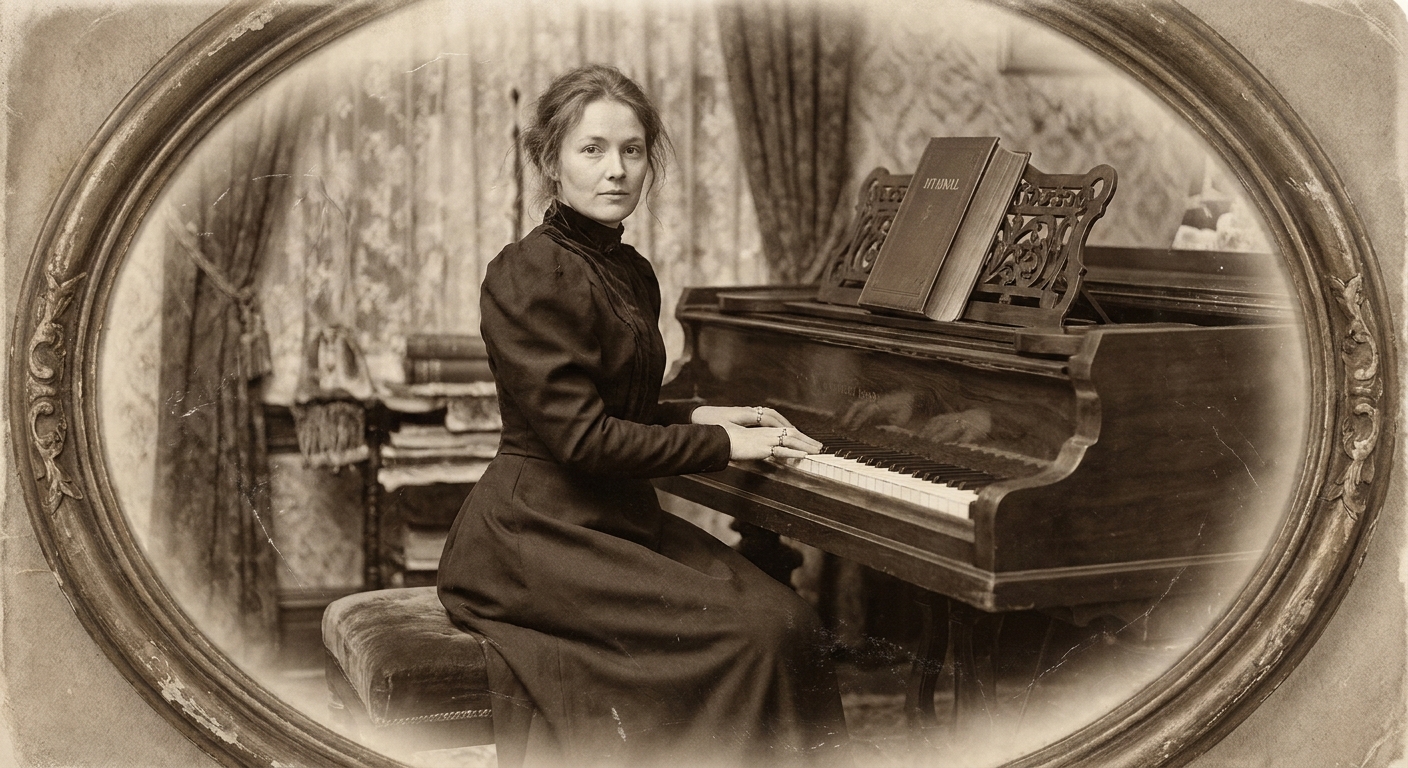
Knapp had the kind of musical skill that could translate a theological mood into melody: tender without being timid, confident without being harsh.
The tune first
The best-known account of the hymn’s origin begins with Phoebe Knapp at the piano. As the story is commonly recounted in hymn histories, she played a fresh melody for Fanny Crosby and then asked a simple question, something like: “What do you think?”
Crosby’s response, in these retellings, was immediate. The tune sounded, to her, like an answer in itself. The phrase that rose up was “Blessed assurance.” In some versions of the anecdote, Crosby asked whether Knapp had a title for the tune yet, and Knapp said she did not. Crosby’s instinct supplied one. The lyric began as a kind of spiritual caption to the music.
I love this detail, not because it is romantic, but because it is human. Sometimes the most lasting religious language does not start as a carefully defended proposition. It starts as recognition. A melody says something true, and the words come running to catch up.
From there, Crosby wrote the text to match the character of the tune. The structure is simple and singable: a declarative opening line, a vivid personal testimony, then the refrain that returns like a steady heartbeat: “This is my story, this is my song.”
If you like a firmer historical peg, hymnals and hymn histories commonly place the song’s publication in the early 1870s, often dated to 1873. Print timelines can be messy, and titles sometimes travel before they settle, but the broader point holds: “Blessed Assurance” arrived in the years when gospel songs were being written, shared, and printed at a remarkable pace.
Assurance
Today, “assurance” can sound like a technical word, the kind that belongs in a doctrinal debate. In the circles that formed Crosby and Knapp, it was more often a pastoral word. It named an experience of settled trust, not merely hoping, but resting.
Holiness-leaning preaching in the 19th century often emphasized a faith that could be felt and lived, not only confessed. Testimony mattered. So did the language of joy, surrender, and a life “kept” by God. In that setting, “blessed assurance” meant confidence that God is near, not distant or withholding. It meant a peace that can coexist with struggle, not a denial of hardship. It also meant a present-tense trust that shows up as praise and steadiness, the kind of trust you end up saying out loud because saying it strengthens it.
This is why the hymn does not read like a courtroom argument. It reads like someone describing the inner weather after the storm has passed.
Notice the imagery Crosby chose. The hymn is full of sensory warmth and relational closeness: “Jesus is mine,” “a foretaste of glory divine,” “born of His Spirit,” “washed in His blood.” Even when you set doctrinal questions in the background, the emotional center is clear. The singer is not climbing toward certainty. The singer is living inside it.
The lyric
Crosby’s opening verse is a masterclass in how to match words to a tune. The melody rises with brightness, and the lyric answers with exultation: “Blessed assurance, Jesus is mine.” It is personal, immediate, and meant to be sung in community.
Then come the phrases that have held generations:
“O what a foretaste of glory divine”
That line matters in a holiness context. “Foretaste” suggests an already-and-not-yet spirituality. The singer does not claim to possess all glory now, but to taste it now. The hymn makes room for longing while still insisting on joy.
The refrain completes the spiritual posture Crosby and Knapp were aiming for. “This is my story, this is my song” places faith not only in the mind but also in the mouth. It is testimony turned into melody. In revival culture, that mattered. Singing was not decoration. It was formation.
Why it spread
“Blessed Assurance” emerged in an era when gospel songs traveled fast: through revival meetings, songbooks, and the growing ease of publishing and distribution. A strong melody and a memorable refrain could cross denominational lines in a single generation.
This hymn also carries a rare balance. It is intimate, but not private. It is confident, but not combative. It can be sung by a soloist in a small chapel or by a crowd in a tent meeting. The emotional arc is simple enough for children and deep enough for mourners.
And, frankly, the tune sticks. Knapp wrote a melody that feels like a gentle lift in the chest. Even when you forget verses, the refrain finds you.
Listening in
When I teach about interfaith listening, I often tell people to pay attention to what a tradition sounds like when it is at its best. Not at its most defensive. Not at its most brittle. At its most generous and alive.
“Blessed Assurance” is one of those “at its best” sounds for the world that produced it: a faith that expects joy, speaks in testimony, and finds steadiness in divine love.
It is also a reminder that sacred art is often made in friendship. A composer plays a tune before it has a name. A poet hears the name inside the notes. And together they offer the rest of us a song sturdy enough to carry through grief, ordinary weekdays, and the long, quiet work of becoming whole.
If you have ever wondered who, exactly, gave the hymn its words and its music, the answer itself is part of what makes it beautiful: Crosby and Knapp, each doing what she did best, meeting in the middle. If you have ever wondered whether the melody or the lyric came first, the accounts most often repeated in hymn histories say the melody did, and the words followed like recognition. And if you have ever wondered what “assurance” is supposed to feel like, this hymn does not define it so much as sing it: settled, steady, and strangely bright.