People use the words religion and spirituality in all sorts of ways. Sometimes they mean the same thing. Sometimes they are used like opposites. And often, they describe two overlapping parts of a person’s inner life: how we make meaning, how we relate to the sacred, and how we try to live well.
If you have ever thought, “I’m spiritual but not religious,” or wondered why a loved one finds deep comfort in religious tradition while you feel more at home in private practice, this is for you. Let’s keep it simple, honest, and humane.
Quick definitions
What is religion?
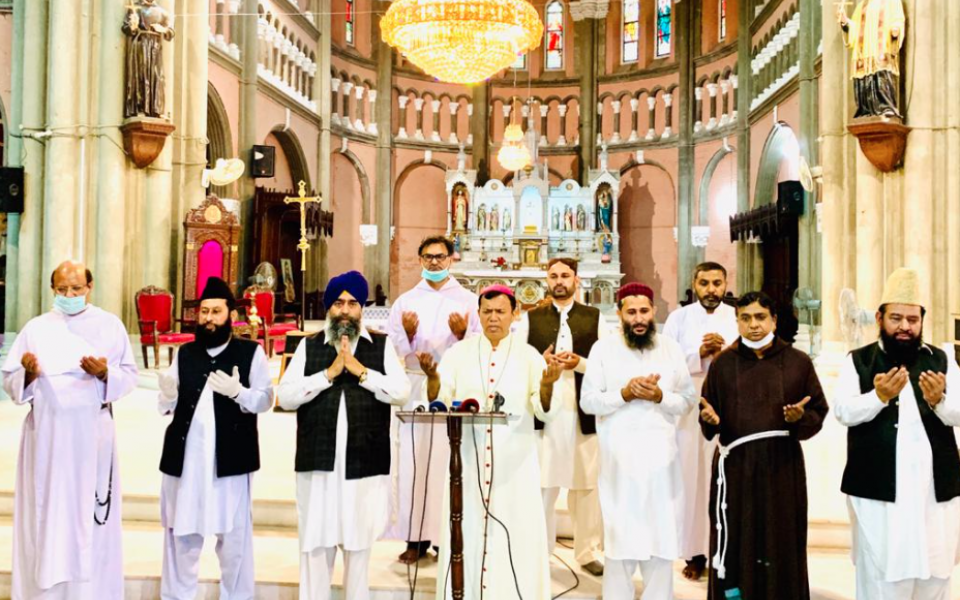
Religion is typically an organized system of beliefs and practices shared by a community. It often includes:
- Teachings about God, the divine, ultimate reality, or the purpose of life
- Rituals (prayer, sacraments, fasting, holy days)
- Sacred texts or authoritative sources
- Ethical guidance for how to live
- Community structures (congregations, clergy, traditions of leadership)
Examples: attending a mosque for Friday congregational prayer (Jumu’ah), going to Sunday church services, keeping kosher, observing Ramadan, celebrating Diwali with prayer or puja, or gathering for Shabbat.
What is spirituality?
Spirituality is often more personal and experiential. It usually focuses on a person’s direct relationship with what feels sacred, meaningful, or deeply true. Spirituality might include:
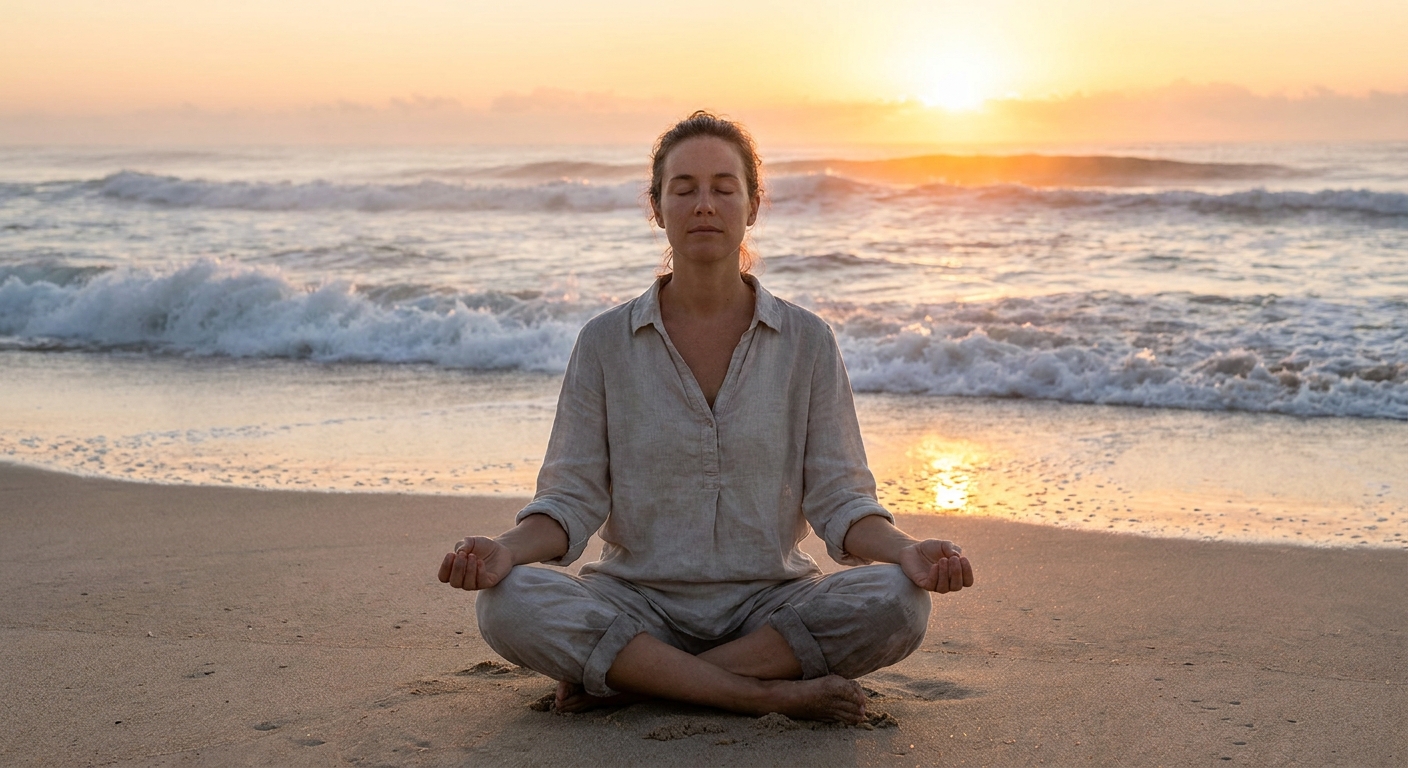
- Inner practices like meditation, contemplation, journaling, breathwork, or gratitude
- Values like compassion, forgiveness, humility, and awe
- Seeking meaning in life, suffering, love, and mortality
- Connection to nature, humanity, or the divine
Examples: meditating each morning, praying in your own words while walking your dog, feeling profound reverence in the woods, keeping a gratitude practice, or doing a loving-kindness meditation for someone you struggle with.
Where religion and spirituality overlap
In real life, religion and spirituality are often intertwined. Many religious people are deeply spiritual. Many spiritual people draw from religious traditions.
Here are a few places they naturally overlap:
- Meaning-making: both ask “Why are we here?” and “How should we live?”
- Practices: prayer, silence, chanting, service, pilgrimage, confession, and fasting can be religious, spiritual, or both
- Transformation: both can, for some people, soften the ego, expand compassion, and build resilience
- Community care: both can inspire service, generosity, and ethical responsibility
At their best, religion and spirituality both aim to form a more loving human being, not just a more “correct” one.
Where they differ
The differences are not about “good versus bad.” They are more about structure versus flexibility, shared tradition versus personal exploration.
1) Community and belonging
Religion is usually practiced with others in a defined community, even if your faith is deeply personal.
Spirituality can be communal, but it often emphasizes an individual path. Someone might attend a meditation group, but they may not feel tied to one institution.
2) Authority and tradition
Religion commonly looks to shared sources of authority, such as scriptures, creeds, elders, lineage, or long-held teachings.
Spirituality often emphasizes inner authority: personal experience, conscience, intuition, and direct encounter.
3) Ritual and structure
Religion often has set rituals and calendars: holy days, prayer times, rites of passage, and communal worship.
Spirituality tends to be more flexible: practices may shift season to season, or be tailored to what someone is facing emotionally or spiritually.
4) Belief and identity
Religion can involve specific beliefs and identity markers. People may say, “I’m Muslim,” “I’m Catholic,” “I’m Jewish,” or “I’m Hindu,” connecting faith, culture, and community.
Spirituality may be less about labels. Someone might say, “I’m a seeker,” “I meditate,” or “I’m trying to live with intention,” without wanting a defined identity.
It is also common for religion to function as culture and belonging even when beliefs vary. For example, someone might describe themselves as culturally Jewish or culturally Christian because holidays, family stories, food, music, and community still matter deeply.
5) The purpose of the path
Both can hold many aims, but their emphasis can differ:
- Religion: faithfulness, worship, belonging, moral formation, salvation or liberation, carrying tradition forward
- Spirituality: inner peace, wholeness, healing, awakening, connection, purpose
Of course, many religious people pursue inner peace and healing, and many spiritual people pursue moral formation and service. The lines are porous.
One more nuance: not all religions are centered on a creator deity. Some traditions are non-theistic or not primarily focused on God language, yet are still unmistakably religious in their communities, ethics, and practices.
Everyday examples
Example 1: Prayer
Religious: A Christian prays the Lord’s Prayer in church with others every Sunday.
Spiritual: Someone prays quietly at night, speaking honestly to God or the universe in their own words, without following a set formula.
Example 2: Sacred texts
Religious: A Jewish family reads Torah portions as part of weekly practice and community life.
Spiritual: Someone reads Rumi, the Psalms, or the Bhagavad Gita as wisdom literature for reflection, without belonging to that tradition.
Example 3: Meditation
Religious: A Buddhist practitioner follows meditation methods within a lineage and community, guided by teachers and precepts.
Spiritual: Someone uses a mindfulness app to steady anxiety and feel more present, without identifying as Buddhist.
Example 4: Service
Religious: A Muslim donates zakat as a pillar of faith and community responsibility.
Spiritual: Someone volunteers at a shelter as a spiritual practice of compassion, feeling it connects them to something larger than the self.

Why people say “spiritual but not religious”
This phrase can mean many things, and it helps to be gentle with it. For some people, it means:
- They crave direct experience more than doctrine or debate.
- They have been hurt by hypocrisy, exclusion, shame, or abuse within a religious setting.
- They value freedom to explore multiple traditions.
- They believe in the sacred but struggle with institutions.
- They are healing and need space before returning to community.
It can also be a season. A person might step away from organized religion for a time, deepen their inner life, and later return with a steadier, more compassionate relationship to tradition.
Can you be both?
Absolutely. In fact, many people are. You might feel genuinely nourished by:
- Religious community for belonging and shared meaning
- Spiritual practice for inner honesty and personal growth
Many vibrant faith lives hold both: the steadiness of tradition and the tenderness of personal encounter.
If you want a simple way to picture it, try this:
- Religion often offers a path that has been walked by many people over time.
- Spirituality is the walking, the felt experience of being on the path.
Common misconceptions
“Religion is rigid, spirituality is free.”
Sometimes, yes. But not always. Many religions include contemplative traditions that invite questioning and inner experience. And many spiritual scenes develop their own unspoken rules, too.
A simple example: a set daily prayer time can feel like a burden to one person and like a life-giving anchor to another.
“Spirituality is shallow or self-centered.”
It can be, if it becomes only self-improvement. But spirituality can also grow a person’s capacity for compassion and responsibility. Outcomes vary, and the clearest test is often practical: does this make you more honest, more grounded, and more able to love other people well?
“Religion is only about beliefs.”
For many communities, religion is as much about practice, culture, ethics, and belonging as it is about belief. In plenty of families, showing up for holidays, caring for elders, and learning the stories is the heart of it, even when people disagree about doctrine.
How to discern what you need
If you are trying to find your footing, here are a few gentle questions to sit with:
- Do I long for community? If yes, a religious congregation or spiritual group might matter more than you think.
- Do I need structure? A calendar of practices can hold you when motivation is low.
- Do I need room to question? Look for communities that honor curiosity and conscience.
- Do I feel spiritually lonely? A simple daily practice can be a quiet companion.
- Do I feel spiritually overwhelmed? Fewer inputs, more silence, and one trusted guide can help.
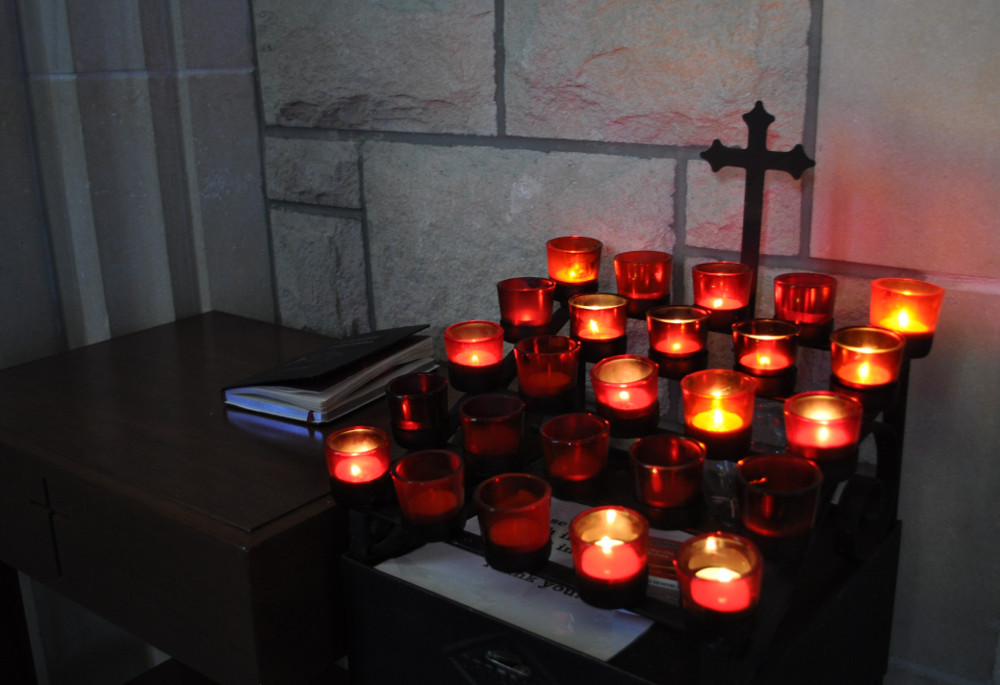
You do not have to force a label. Start with one honest step: light a candle, sit in silence for five minutes, attend a service with a friend, read a sacred poem slowly, or do one act of service with full attention.
Exploring safely
If you are exploring spirituality or religion after harm, or simply with healthy caution, take your time. Look for communities and teachers who welcome questions, respect boundaries, and do not pressure you for money, secrecy, or total loyalty. If something feels coercive, shaming, or isolating, you are allowed to step back. The sacred does not require you to surrender your conscience.
FAQ
Is spirituality a religion?
Spirituality is not necessarily a religion. It can be practiced within a religion or outside of one. Religion is typically organized and communal, while spirituality is often more personal and experience-based.
Do you have to believe in God to be spiritual?
No. Some people are spiritual in a theistic way (relating to God), while others are spiritual through awe, ethics, interconnectedness, or a sense of ultimate meaning without a specific deity.
Can religion exist without spirituality?
A person can participate in religious life mainly through culture, family tradition, or routine, and feel little inner connection for a season. Many religious leaders and practitioners would also say that religion becomes healthiest when it is animated by sincere inner life, not just habit or social pressure.
Can spirituality exist without religion?
Yes. Many people build a spiritual life through meditation, nature-based reverence, prayer, service, recovery communities, or contemplative study without joining an organized faith.
Which is better: religion or spirituality?
Neither is automatically better. The more helpful question is: What helps you become more compassionate, grounded, and truthful, and what helps you show up for others? For some, that is religion. For others, spirituality outside religion. For many, it is both.