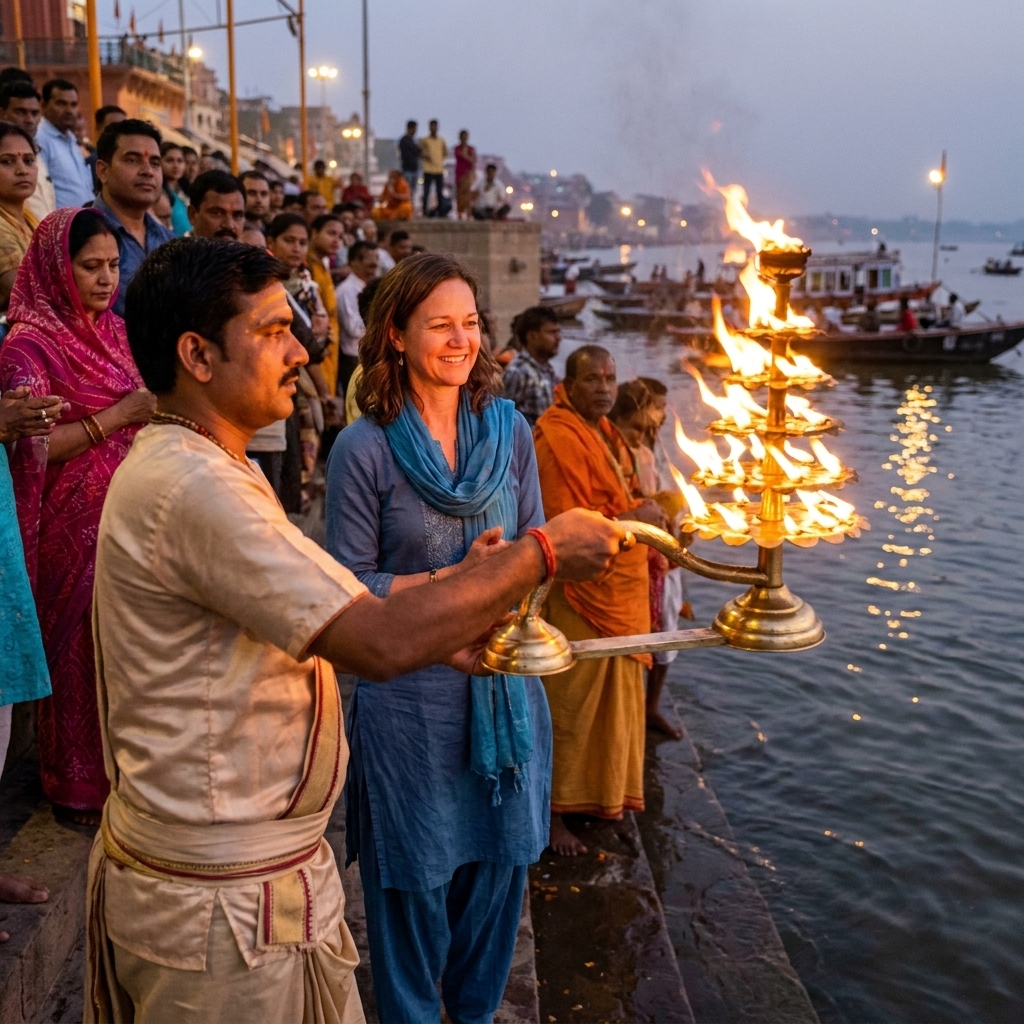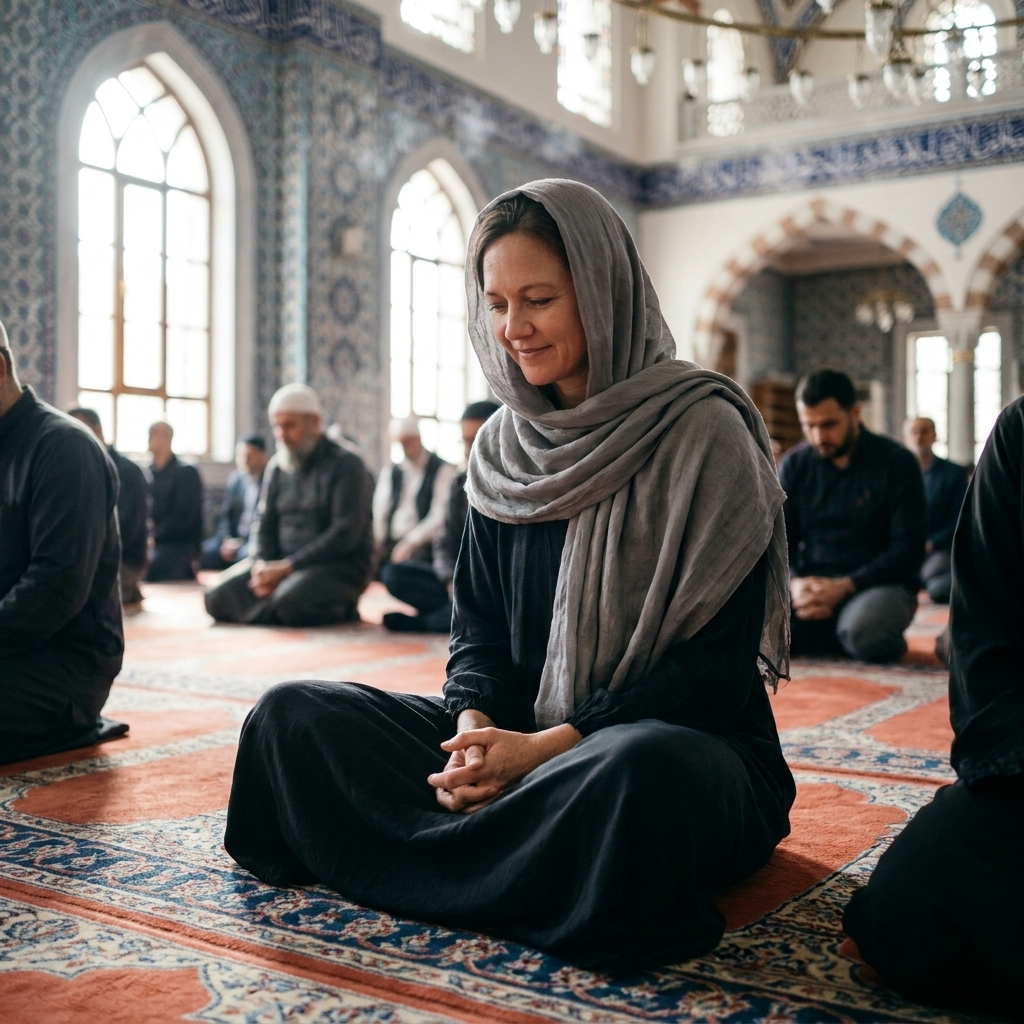
I grew up hearing more than one name for the Holy. At our dinner table, prayer could sound like a Psalm one night and a simple gratitude practice the next. That early mixture did not confuse me as much as it trained me to listen. Studying world religions well is, at its heart, a practice of listening with care.
Whether you are a student, a curious seeker, or someone trying to understand a neighbor you love, the goal is not to collect trivia or rank traditions. It is to learn what a community believes, how they live those beliefs, and how their practices shape ordinary life. Below are seven grounded, field-tested tips to help you study as objectively as possible and respectfully.

1) Define “objective”
Many of us hear “objective” and assume it means “emotionless” or “neutral.” In religious studies, objectivity often means something more honest: knowing your own lens, naming it, and then doing your best not to force that lens onto everyone else. Different approaches emphasize different tools, such as careful description (phenomenology), social analysis (anthropology and sociology), or power and history (critical theory). The common thread is disciplined fairness.
Try this two-minute baseline
- My background: What did I inherit about God, the sacred, or the purpose of life?
- My pressure points: What topics reliably trigger defensiveness or fascination?
- My hope: Am I looking for confirmation, or am I willing to be surprised?
You do not need to apologize for having a perspective. You only need to stop pretending you do not.
2) Start with lived religion
Many introductions to religion begin with doctrines, founders, and dates. That is useful, but incomplete. People rarely experience their religion primarily as a list of propositions. They experience it through prayer, food, family rhythms, sacred time, music, mourning, ethics, and community.
When you encounter a new tradition, ask:
- What does a normal week look like for a practicing person?
- How does this tradition mark birth, coming of age, marriage, illness, and death?
- What practices shape character, not just belief?
This approach can reduce stereotypes because it moves you from “What do they think?” to “How do they live?”
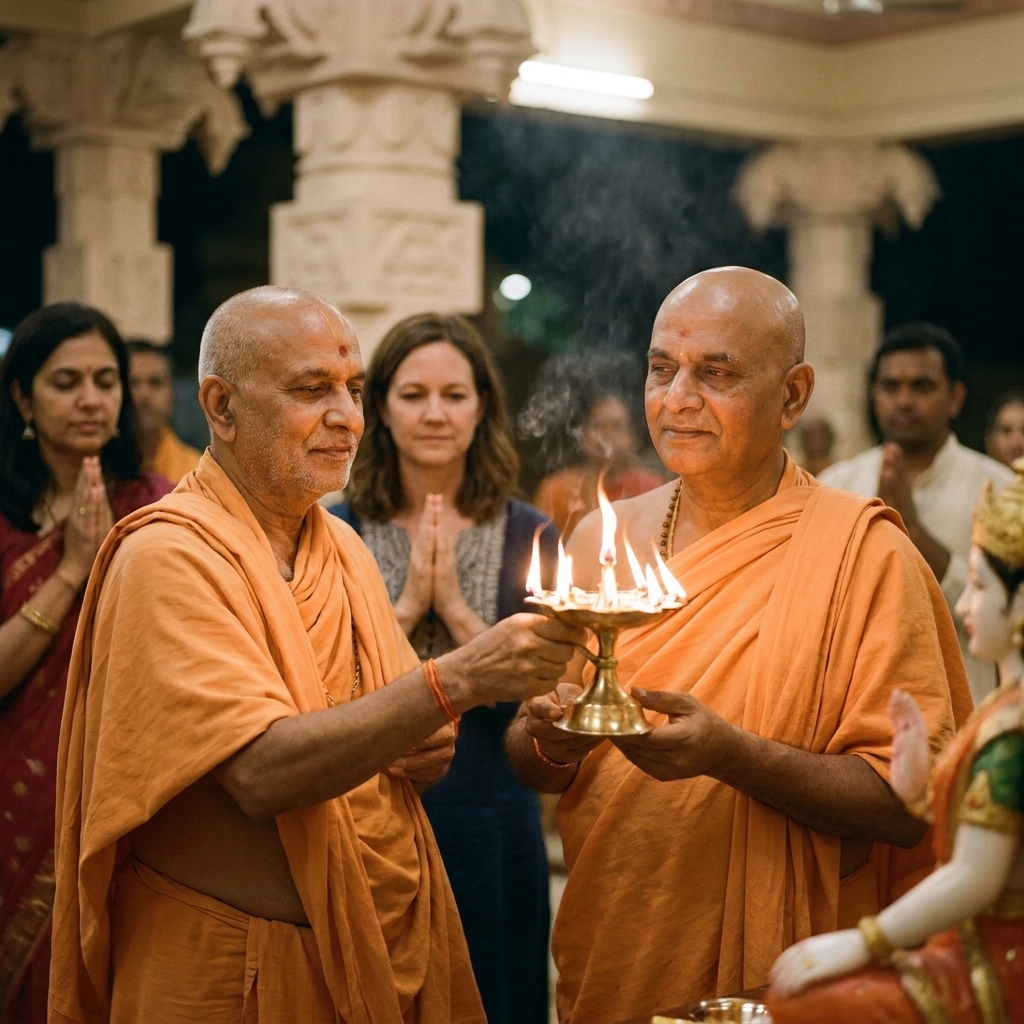
3) Use three layers
If you only read one kind of source, your understanding will tilt. I recommend a simple three-layer method that keeps you balanced.
Layer A: Insider voices
Look for what practitioners say about their own tradition. This includes sermons, memoirs, talks, community websites, and interviews. Insider sources help you hear tone, devotion, and nuance.
Layer B: Academic framing
Use scholarship to understand history, diversity, and context. Academic work can correct romanticized stories and clarify what changed over time.
Layer C: Lived observation
When appropriate, observe a service, festival, or community gathering. Notice what is central and what is optional. Notice what people actually do.
Objective learning happens in the overlap between these three layers.
A quick example
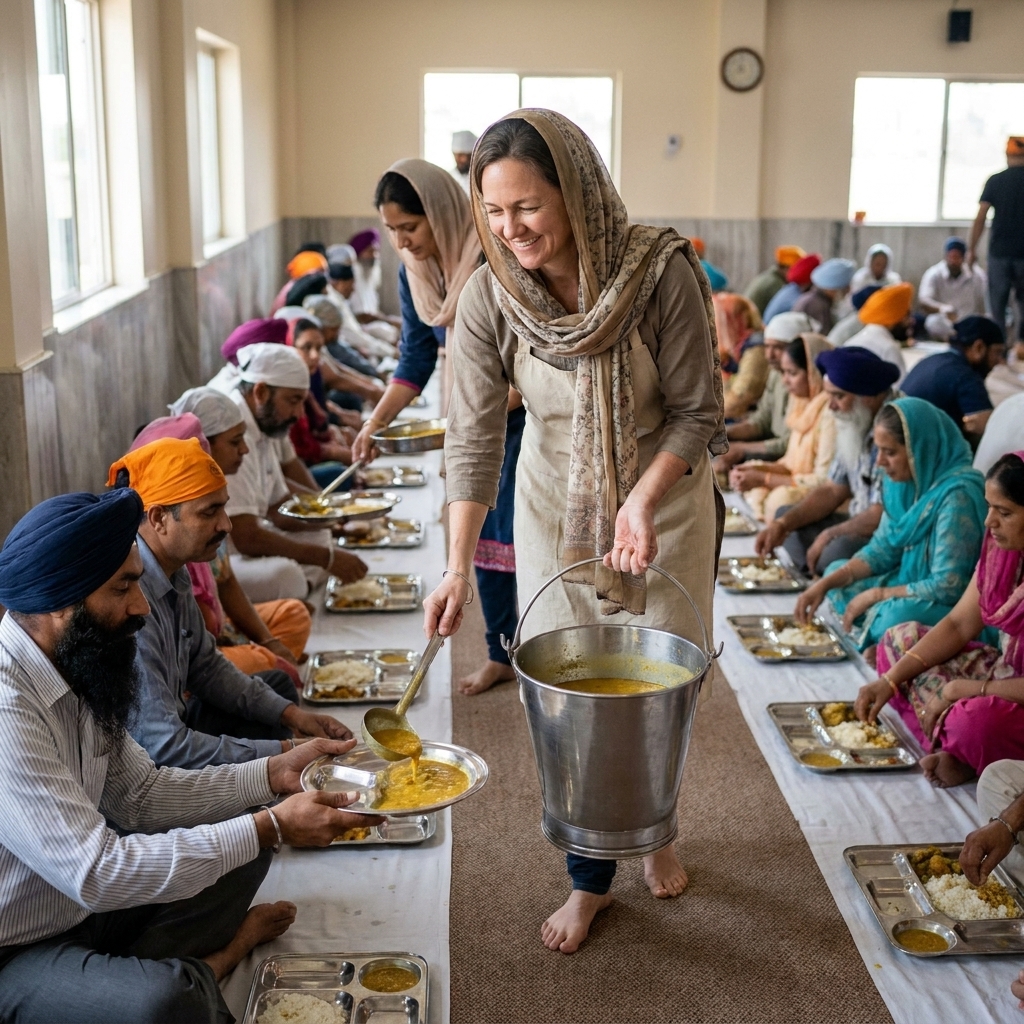
- Insider: Read a local gurdwara’s visitor FAQ or a Sikh community guide to langar.
- Academic: Pair it with a reputable primer from a university press or a course reading list.
- Observation: Attend a public service or langar (with permission), then note what you saw people actually prioritize.
4) Learn the vocabulary
Words like “God,” “scripture,” “church,” and even “prayer” do not map neatly across traditions. Translating everything into familiar terms can quietly distort what you are studying.
A respectful practice is to learn key terms in their own context, then ask what they do that an English equivalent might not capture.
- Dharma can mean duty, teaching, truth, or the order of things, depending on tradition and context.
- Torah can mean the Five Books of Moses, and also “instruction” in a broader sense, carried within a covenantal way of life.
- Ummah is not merely “community” but a moral and spiritual belonging.
When you meet a new term, keep two notes: a working definition and one sentence about what feels untranslatable.
5) Read with care
Charitable reading and critical reading belong in the same room.
Charitable reading
Assume the text or practice is meaningful to someone. Read as if a wise, sincere person is behind it. Try to find the strongest interpretation before you critique.
Critical reading
Ask historical and ethical questions. Who wrote this? For whom? Who benefits from this interpretation? What is contested within the tradition itself, across regions, schools, or denominations?
Objectivity is not cynicism. It is compassion with a spine.
This pairing helps you avoid two common traps: romanticizing a tradition as perfect, or dismissing it as primitive or harmful without doing the careful work of understanding.
6) Visit with humility
One of the most beautiful ways to learn is to step into a space where people are practicing their faith. But curiosity does not automatically equal consent. A little preparation protects relationships and keeps you from accidentally turning someone’s worship into your research moment.
Before you go
- Check the community website for visitor guidance.
- Email ahead if you are unsure about dress, seating, participation, or photography.
- Arrive early, and follow the lead of regular attendees.
While you are there
- Do not take photos unless you have explicit permission.
- Keep questions for after the service unless invited.
- Avoid personal questions that pressure disclosure, especially about trauma, discrimination, or why someone left a former faith.
- If you participate, do so gently. If you observe, do so attentively.
Afterward
- Say thank you, and consider a small donation if it is appropriate and welcomed.
- Write down what you learned while it is fresh, then verify details later.
One more quiet courtesy: do not treat a visit as an opening for conversion pressure, in either direction. Let people be who they are. Let yourself learn.
7) Journal in two columns
Objective study does not mean you do not feel anything. It means you can tell the difference between what you learned and what you reacted to. A simple journal practice can help you notice bias without pretending you do not have any.
A simple format
- Observation: What did I see or read, in plain language?
- Interpretation: What do I think it means, and why?
- Resonance: What felt beautiful, confusing, or difficult for me personally?
- Next question: What do I need to learn before I form a conclusion?
This practice will not erase bias overnight, but it can slow your mind down enough to replace reflex with clarity.
Resource picks
These are reliable places to begin, especially if you want both warmth and rigor.
Accessible overviews
- Huston Smith, The World’s Religions for a classic, sympathetic introduction.
- Karen Armstrong (various works) for big-picture history with a storyteller’s touch.
Academic foundations
- Oxford Very Short Introductions series for concise, reputable primers on specific traditions.
- The Norton Anthology of World Religions (edited volumes) for curated primary texts with scholarly introductions.
- Encyclopaedia Britannica, Stanford Encyclopedia of Philosophy, and the Internet Encyclopedia of Philosophy for careful reference reading.
- University library research guides (search your local university site for “religious studies libguide”) for vetted, up-to-date sources.
Sacred texts with guidance
- Choose editions with scholarly introductions and notes. Context matters more than you think.
- If possible, pair a text with a practitioner commentary so you can hear how communities actually read it.
If you tell me which traditions you are most curious about, I can suggest a short starter list for each.
Pitfalls to avoid
- Assuming one voice speaks for all: Every tradition contains diversity, debate, and change over time.
- Overlooking internal variety: Region, language, class, gender, and denomination or school often shape what “counts” as normal practice.
- Confusing culture and religion: They overlap deeply, but they are not identical.
- Using “world religions” as a ranking: Size is not the same thing as spiritual depth.
- Only studying extremes: Newsworthy or controversial examples are not the whole story.
FAQ
Do I have to be religious?
No. Respect is a posture, not a creed. You can be devout, doubting, agnostic, or atheist and still study with care. The key is to treat people’s meaning-making as real, even when you do not share it.
How do I compare without debating?
Compare functions before you compare truth claims. For example, how does each tradition approach suffering, ethical formation, community, sacred time, or the end of life? Then note where similarities are genuine and where differences are essential.
What if a teaching clashes with my values?
Take a two-step approach: first understand the teaching in its best internal context, then evaluate ethically. You can disagree without caricaturing, and you can critique without contempt.
A closing practice
Before you open a book or walk into a sacred space, take one quiet breath and say, inwardly: “Let me see clearly.” Not “Let me win.” Not “Let me collect.” Just “Let me see.”
Objective learning is not cold. It is careful. And when it is done with humility, it has a surprising side effect: it softens the heart without blurring the mind.