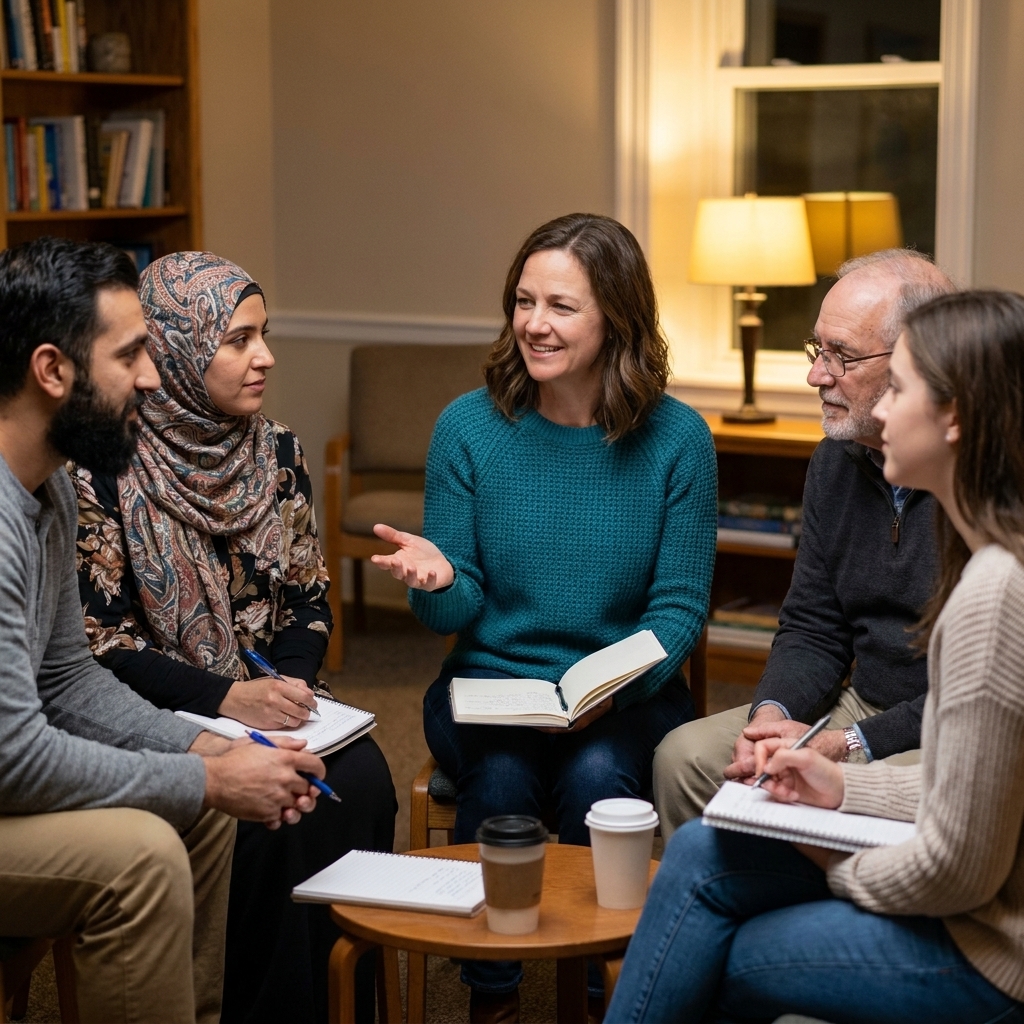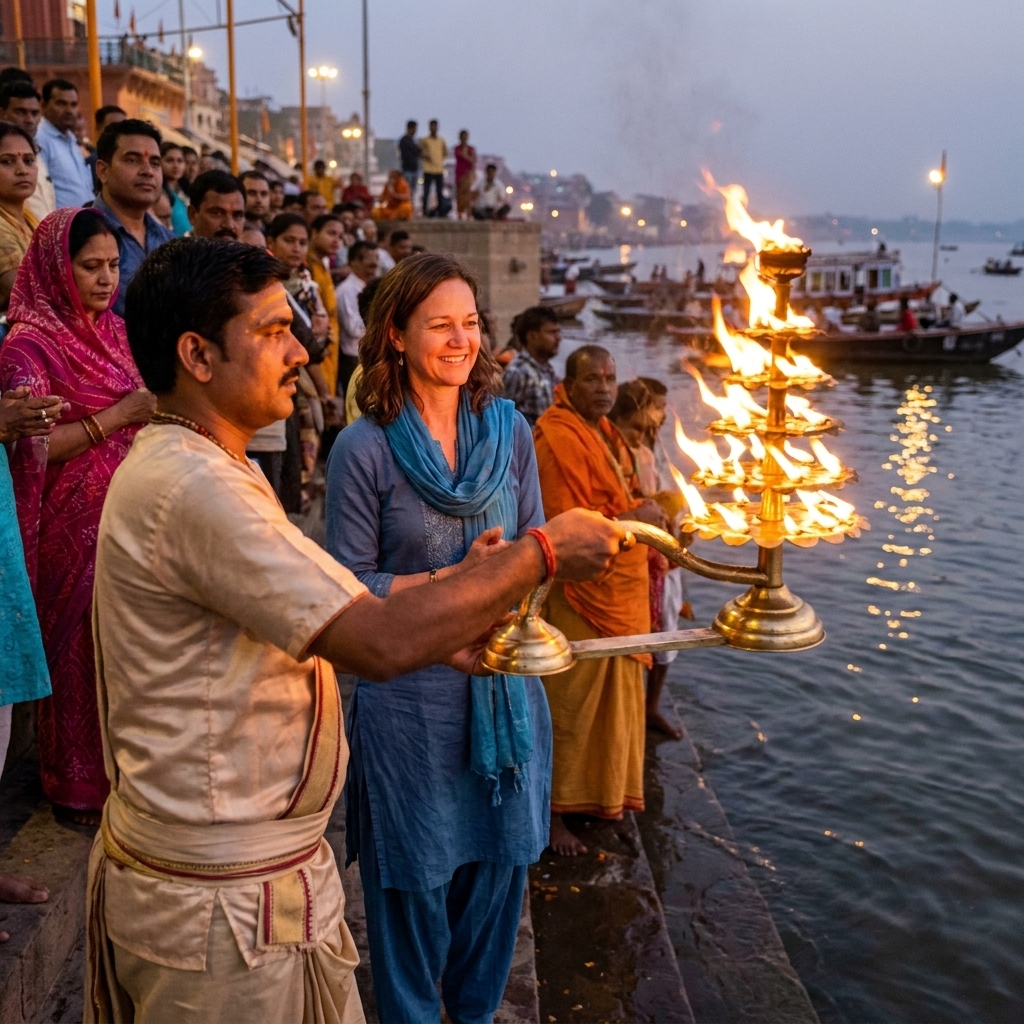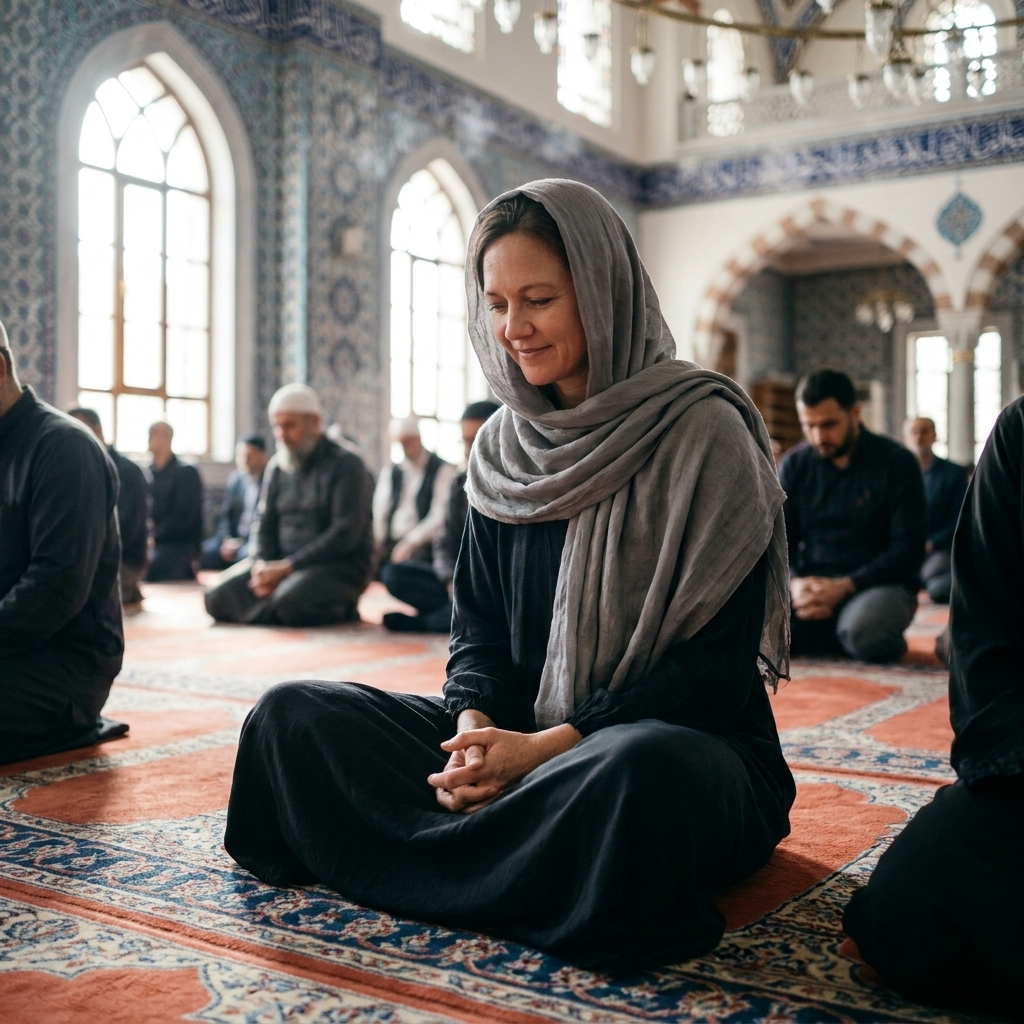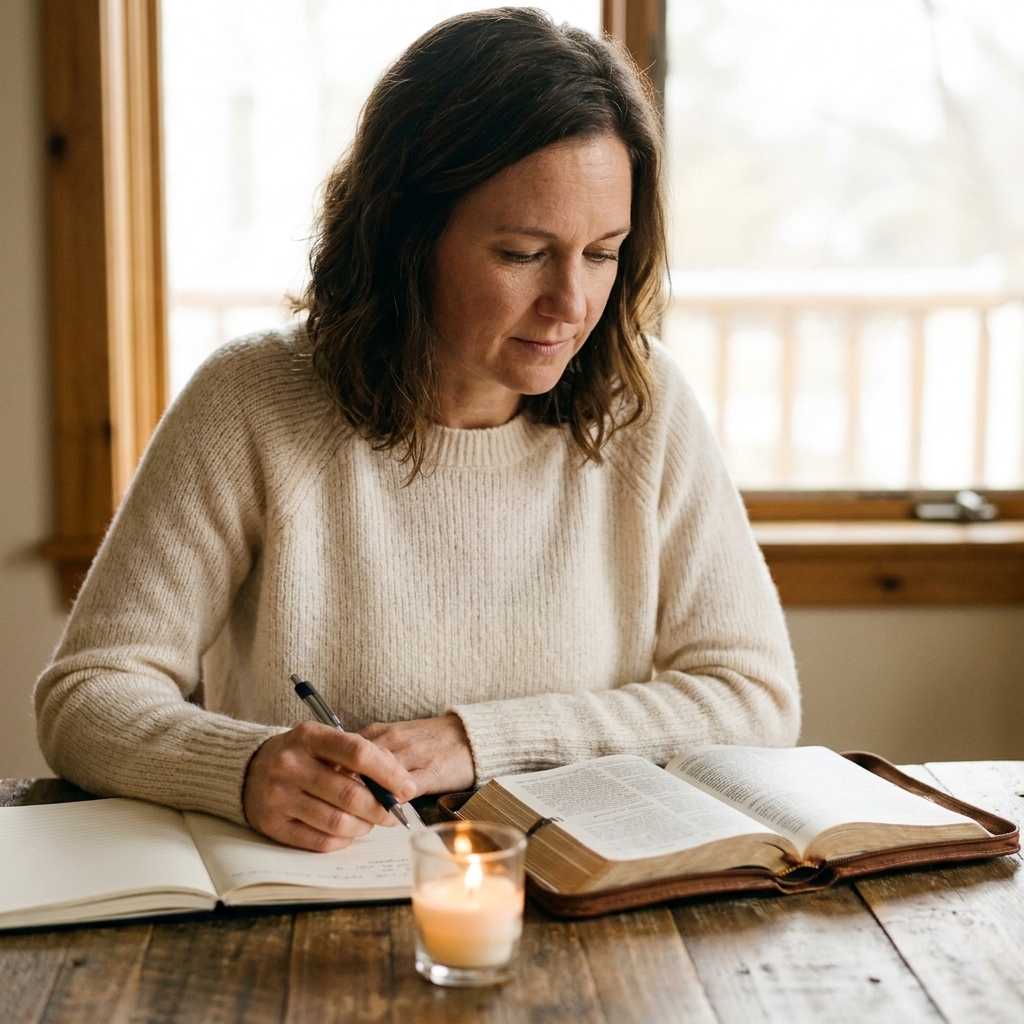
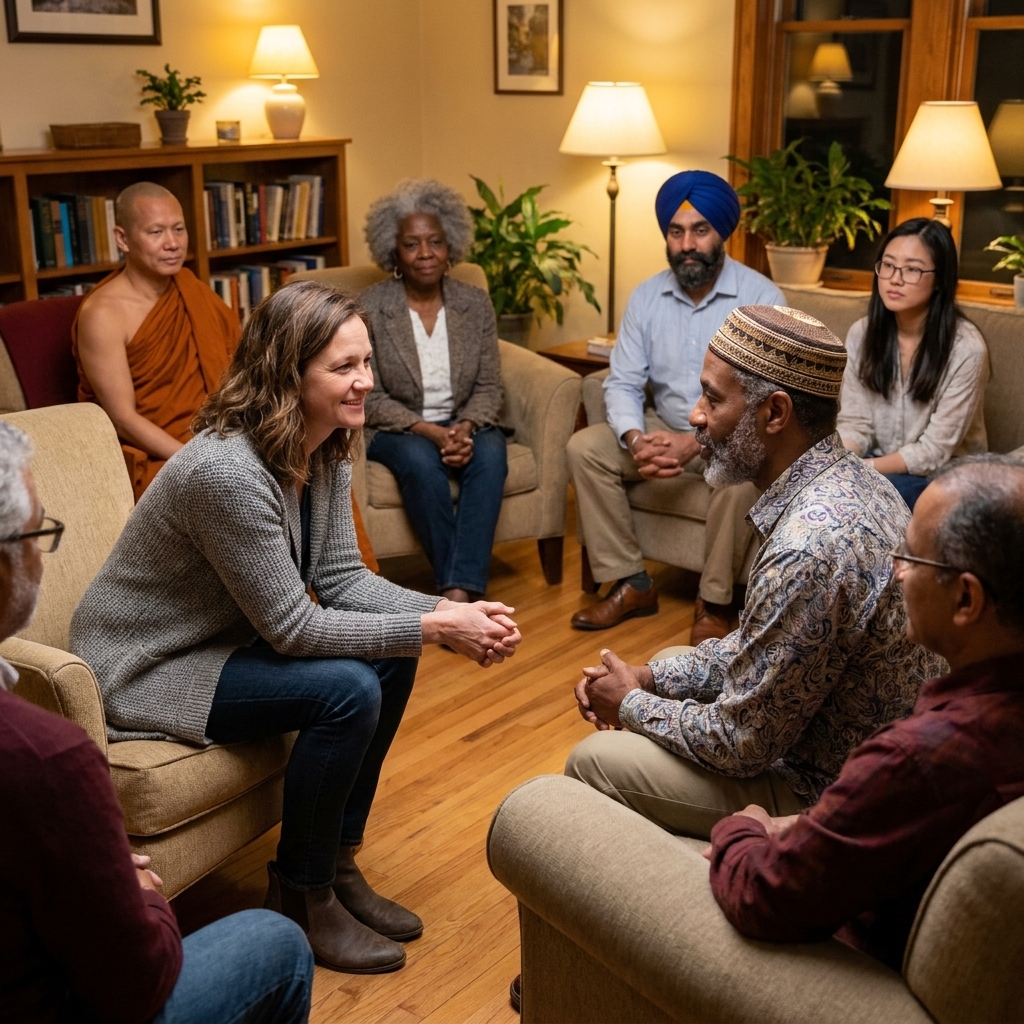
In my early twenties, I learned something important in a crowded community center where shoes lined the wall like a patchwork of lives. We were there to talk about God, yes, but also grief, parenting, injustice, and the quiet question beneath them all: Can I be safe and honest here?
A respectful interfaith dialogue is not a debate with nicer manners. It is a practice of shared humanity, guided by clarity, consent, and care. If you are considering hosting one in your local community, here is a step-by-step path that has worked in retreat rooms, libraries, and living rooms alike.
Start with your purpose
Before you book a room or design a flyer, name what you are actually trying to do. A clear purpose is the first act of hospitality.
Choose a goal that fits your community
- Build relationships: neighbors meeting neighbors, with simple storytelling and shared values.
- Learn across differences: a theme like prayer, fasting, death rites, or sacred time.
- Respond to tension: a facilitated conversation after a local incident or national event.
- Serve together: dialogue paired with a community service project.
If you are new to this work, start with relationship-building. Trust is the soil. Harder topics grow better in it.
Pick a format
- Dialogue circle (often best for most groups): many groups find 8 to 20 people manageable, with everyone speaking in turn.
- Panel plus small groups: 3 to 5 speakers, then breakout conversations.
- Text-based dialogue: short readings from multiple traditions on one theme, then reflection.
- “Ask me anything” with guardrails: best after you have strong facilitation and shared agreements.
Build a planning team
Interfaith work should not depend on one charismatic organizer. A small team helps you avoid blind spots and spreads trust across communities.
Who to include
- At least two different faith or worldview communities represented from the start.
- Someone experienced in facilitation or conflict-sensitive conversation.
- A logistics person who loves details: reminders, chairs, signs, timing.
- Someone connected to groups often left out: smaller congregations, immigrant communities, youth, and people who identify as spiritual-but-not-religious.
Also name what you are not asking of people. No one should be pressured into being “the spokesperson” for an entire tradition.
Choose a safe location
Where you meet shapes how safe the room feels. “Neutral” does not mean sterile; it means you are trying, as best you can, to avoid making one community feel like a guest in someone else’s house.
It also helps to say this plainly: neutrality is relative. A library or university can feel welcoming to some and fraught to others. Ask local partners what feels safest, and be willing to adjust.
Good venue options
- Public library meeting rooms
- Community centers
- University classrooms open to the public
- Nonprofit spaces
- Rotating houses of worship (with clear hosting agreements)
Accessibility checklist
- Step-free entry and accessible restrooms
- Microphone or good acoustics if needed
- Clear parking and public transit options
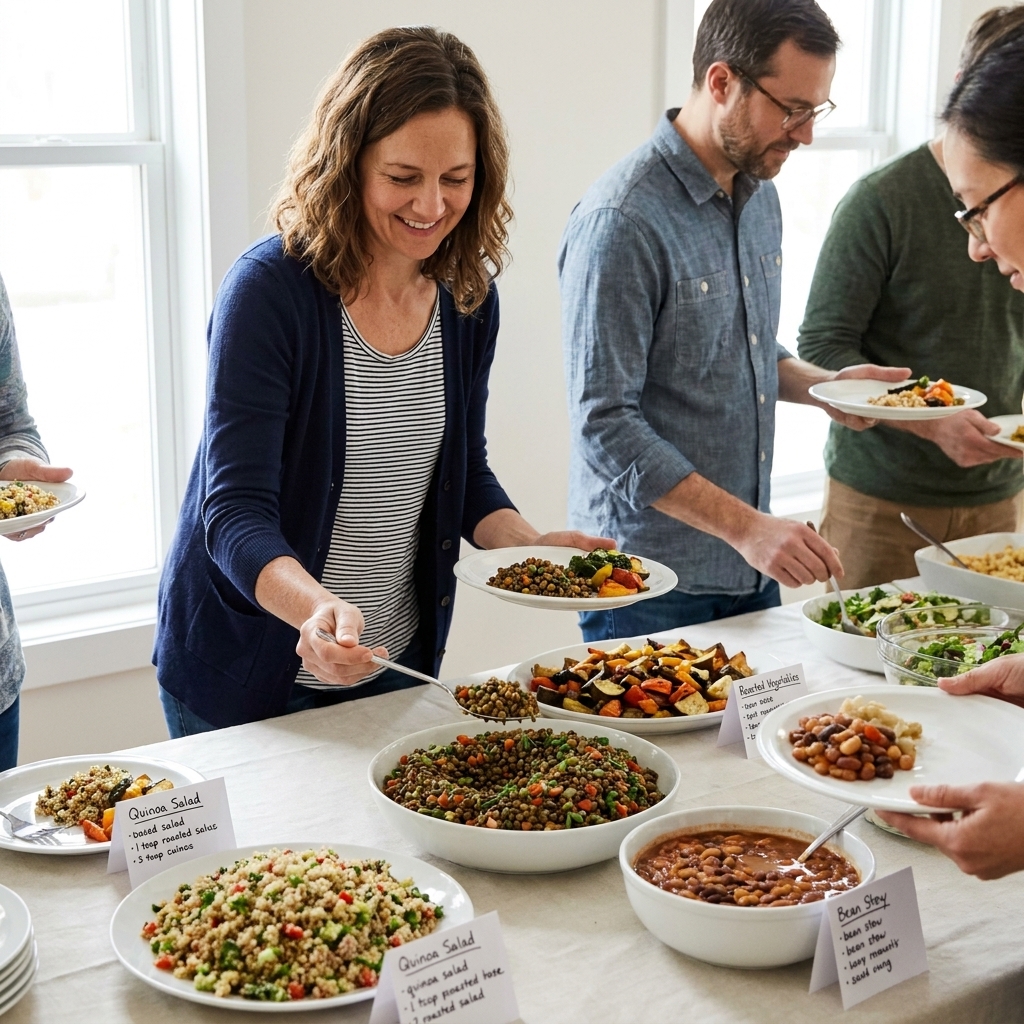
- Allergen-aware refreshments, with ingredients labeled verbally and in writing
- Consider scent sensitivity and keep the room fragrance-free if possible

Invite with care
Invitations set the tone. If your message sounds like recruitment, people will show up guarded. If it sounds like curiosity and respect, people will show up human.
What to say
- The purpose: “to learn, listen, and build relationships across faith differences.”
- Who it is for: people of any faith tradition and those with no religious affiliation.
- What it is not: “not a debate,” “not a space for proselytizing.”
- What to expect: a facilitated conversation with shared ground rules.
- Practical info: time, location, accessibility details, childcare if available.
Balance representation
A room that is 90 percent one tradition can still be respectful, but it may not feel safe for minority voices. If you can, aim for balance and cap registration to protect the space. If you cannot, be honest about the makeup of the group in advance so no one feels surprised.
Youth and childcare
If you plan to include youth, decide up front what “youth-friendly” means. Consider age-appropriate questions, caregiver consent, and whether a separate youth circle (with trained facilitators) would serve them better. If childcare is offered, name the ages served and any required sign-in procedures.
Set ground rules
Ground rules are not bureaucracy. They are a shared vow to treat one another as more than opinions.
Core agreements
- Speak from “I”: share your experience, not what “all” people of your tradition believe.
- Listen to understand: your job is not to win, but to witness.
- No proselytizing: you may describe your faith, but not pitch it.
- Assume good intent, attend to impact: if harm happens, we address it.
- Step up, step back: make room for quieter voices.
- Confidentiality with care: share what you learned, not who said what, unless you have consent.
- Right to pass: anyone may pass on a question without explanation.
Opening script
“Welcome. Tonight is a practice of listening. We are not here to solve one another or persuade one another. We are here to meet each other with honesty and respect. If you feel activated, take a breath, get curious, and remember the person in front of you is more than a headline or a label.”
Plan the flow
You do not need a complicated agenda. You need a rhythm that lowers anxiety and builds trust.
Suggested agenda (90 minutes)
- 0 to 10 minutes: Welcome, purpose, ground rules, introductions by first name only.
- 10 to 20 minutes: Centering moment. This can be silent breathing or a brief reading offered as optional reflection, not a prayer everyone must adopt.
- 20 to 60 minutes: Guided dialogue questions in rounds.
- 60 to 80 minutes: Open conversation with facilitator support.
- 80 to 90 minutes: Closing round: one takeaway, one gratitude, one hope.
If you include any devotional element, be explicit about choice: “You are welcome to join in, or simply listen.”
Ask better questions
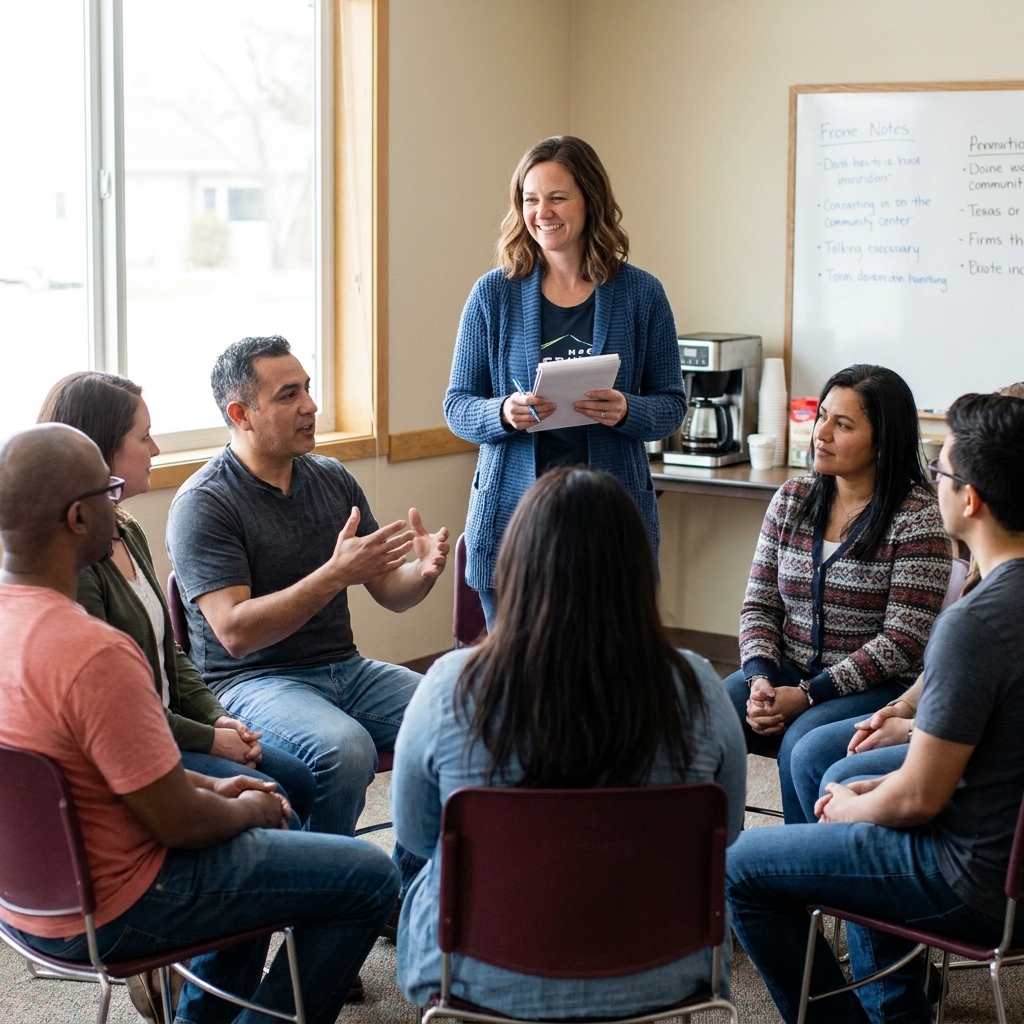
The best questions are specific enough to guide and open enough to breathe. When questions invite story, people tend to soften. When questions demand conclusions, people tend to armor up.
Warm-up questions
- What is a tradition from your upbringing that still comforts you?
- When do you feel most grounded or spiritually alive?
- Who taught you what kindness looks like?
Deeper theme questions
- What does your tradition or worldview teach about suffering, and where do you still struggle with that teaching?
- How do you practice forgiveness, if you do?
- What is one misconception you wish people would stop assuming about your community?
Use caution here
Some questions tend to trigger debate instead of dialogue, especially in a first gathering: “Which religion is true?” “What happens after death?” “Why does your tradition allow or forbid X?” Save these for later sessions, and only with strong facilitation and clear agreement from the group.
Facilitate with steadiness
Facilitation is not control. It is creating conditions where people can be brave without being unkind.
What a moderator does
- Names the purpose when the conversation drifts into debate.
- Reflects and summarizes to prevent misunderstanding.
- Balances airtime so the loudest voices do not set the tone.
- Intervenes early when harm is brewing, not after it erupts.
Gentle phrases
- “I want to pause us and come back to ‘I’ statements.”
- “Can we be curious about impact here, not just intent?”
- “Let’s make space for someone who has not spoken yet.”
- “I hear a strong belief. Can you share the life experience that shaped it?”
Common challenges
- If someone starts preaching: “I appreciate you sharing what you believe. Our agreement is no persuading, so let’s shift to what this belief means in your life.”
- If someone makes a sweeping claim: “Can we rephrase that without ‘all’ or ‘they’ and speak from personal experience?”
- If someone is harmed: Pause. Name it. Offer repair. “I want to acknowledge that landed painfully. Would you like to share impact? We will listen without rebuttal.”
- If tempers rise: Take a breath break. Offer water. Re-center on ground rules. If needed, end early with care rather than forcing closure.
Hold power and context
Not all differences are symmetrical. A dialogue between a majority community and a community that is currently being targeted by headlines, policies, or violence carries extra weight. “Both sides” language can quietly erase real harm.
Ways to reduce imbalance
- Name the moment if needed: “We know recent events may be landing differently across the room.”
- Protect people from becoming exhibits: no one is required to explain or defend their community.
- Do not force “common ground” too fast. Let grief and anger be heard as human signals, not problems to fix.
- Consider affinity moments: a brief same-community check-in before returning to the full circle can help some groups regulate and participate more freely.
Safety and boundaries
Sometimes the most caring choice is to postpone a dialogue. If a community has just experienced violence, a spike in harassment, or a traumatic local incident, people may need support and protection before they can offer conversation.
When to pause or change plans
- If credible threats, doxxing, or targeted harassment are present.
- If key communities say, “We are not ready,” or “This will increase risk for us.”
- If the event is being promoted by groups seeking confrontation.
Basic safety protocol
- Have a conduct policy: include no hate speech, no harassment, no recording without consent.
- Name an escalation path: one facilitator leads the circle while a co-host handles disruptions.
- Plan for removal: if someone violates agreements after one clear warning, the host team can ask them to leave. Decide in advance who will say it and where that conversation will happen.
- Know your venue support: understand building security, staff contacts, and when to call for help.
These measures can sound heavy on paper. In practice, they let the room relax. Clear boundaries are part of hospitality.
Respect boundaries
Much harm in interfaith spaces is unintentional. A little preparation prevents a lot of bruising.
Practical considerations
- Dietary needs: offer vegetarian and clearly labeled options, avoid pork and alcohol unless you know the group well.
- Scheduling: check major holy days and weekly worship times across traditions.
- Language: avoid ranking terms like “more advanced” or “primitive.”
- Attire: if hosting in a sacred space, explain expectations respectfully in advance.
- Photography: ask before taking photos. Some communities have strong preferences about being photographed in worship spaces.
Close and follow up
The ending matters because it often helps people feel safer next time. A thoughtful close turns a one-off event into a relationship.
Closing practices
- A one-sentence checkout: “One word for how you are leaving tonight.”
- Gratitude round: “Name someone you learned from.”
- Shared silence for 60 seconds, with an invitation rather than a demand.
After the event
- Send a thank-you email with a short recap of agreements and one or two resources.
- Invite feedback with specific prompts: “What helped you feel safe?” “What would you change?”
- Offer a next step: a second dialogue night, a shared service project, or visiting one another’s community events as observers.
Code of care
If you are attending rather than hosting, your presence still shapes the room. Here is the gentle ethic I return to.
- Arrive curious. Curiosity is the opposite of contempt.
- Tell the truth at the size you can live with. You do not owe anyone your most tender story.
- Let complexity stand. Real faith, and real doubt, rarely fit in slogans.
- Make repair normal. If you misspeak, apologize simply. If you are hurt, name it clearly.
Interfaith dialogue is not about smoothing over difference. It is about learning to stay human in the presence of it.
FAQ
Do we need clergy or religious leaders present?
Not necessarily. Leaders can add depth, but peers often speak more freely without feeling evaluated. If leaders attend, invite them to participate as people, not as referees.
How many people is ideal for a first dialogue?
Many groups find eight to twenty a workable range for a first circle. What works depends on the room, acoustics, format, and group dynamics. Once you get beyond that, it often helps to use microphones, stricter turn-taking, breakout groups, and co-facilitators.
What if someone says something offensive?
Pause the conversation. Name what happened without shaming. Return to ground rules. Center impact. If needed, take a short break, and follow up with anyone harmed after the gathering.
Is it okay to include prayer?
Only with consent and careful framing. Consider a moment of silence as the most inclusive option. If you include a spoken prayer, make it optional and avoid language that assumes everyone shares the same theology.
How do we include non-religious participants?
Explicitly invite them. Use language like “faith and worldview.” Ask questions that welcome meaning-making, values, and practices, not only doctrine.
Where can we learn more?
Helpful starting points include Interfaith America, the Tanenbaum Center for Interreligious Understanding, and local community mediation centers. Many cities also have interfaith councils or human relations commissions that can offer facilitators, training, or trusted connections.