If you have ever visited a few different churches and wondered, “Are we even talking about the same religion?” you are not alone. Christianity shares a common center in Jesus of Nazareth, the Bible, and (in the vast majority of churches) baptism and communion. But the landscape is wide. Denominations are not simply “brands.” They are living communities shaped by history, culture, and deeply held convictions about how God meets us in worship and how the church should be guided.
This guide offers a neutral map for newcomers. It focuses on what you are most likely to notice: worship style, authority, sacraments, and core theological emphasis. It also has limits: it highlights the Nicene and Trinitarian traditions most people encounter when visiting local churches. Some groups people sometimes label “restorationist” or “Christian” (such as Latter-day Saints and Jehovah’s Witnesses) are not covered here because their beliefs about God and Jesus differ from historic creedal Christianity. A few Christian traditions also worship without formal sacraments (such as Quakers and the Salvation Army), and you will find a brief note on them below.
A simple way to organize the landscape
There are many denominations, but a lot of them can be roughly grouped into a few large “families.” Within each family you will still find diversity from congregation to congregation, but the shared patterns help you get your bearings.
- Catholicism (Roman Catholic Church)
- Eastern Orthodoxy (Greek Orthodox, Russian Orthodox, Antiochian Orthodox, and others)
- Oriental Orthodoxy (Coptic Orthodox, Armenian Apostolic, Syriac Orthodox, Ethiopian and Eritrean Orthodox, and others)
- Mainline Protestant (Anglican/Episcopal, Lutheran, Methodist, Presbyterian/Reformed, and others)
- Evangelical Protestant (Baptist traditions, many non-denominational churches, Pentecostal and charismatic movements, and others)
- Anabaptist (Mennonites, Amish, Brethren, and related churches)
- Restorationist (some movements aiming to “restore” early Christianity’s simplicity and structure, including the Stone-Campbell tradition: Churches of Christ and Christian Church/Disciples of Christ)
- Non-sacramental traditions (notably Quakers and the Salvation Army)
These families overlap. For example, you can find “evangelical Anglicans,” “charismatic Catholics,” and “high church Lutherans.” The labels describe tendencies, not perfectly sealed boxes.
The four questions that reveal most differences
1) What is the highest authority for faith?
Most Christians honor the Bible as Scripture. Denominations differ in how the Bible is interpreted and what else is considered binding authority.
- Scripture within sacred tradition: Catholic and Orthodox Christians view apostolic tradition, embodied in the church’s life, liturgy, and teaching, as inseparable from Scripture.
- Scripture as the final norm: Many Protestants emphasize sola Scriptura , meaning Scripture is the highest authority, while also valuing creeds, confessions, and church teaching in a secondary role.
- Scripture with emphasis on the Spirit’s present guidance: Pentecostal and charismatic communities typically affirm biblical authority while highlighting the ongoing work of the Holy Spirit in discernment and church life.
2) How is the church governed?
- Episcopal (bishops): common in Catholic, Orthodox, Anglican/Episcopal, and some Methodist traditions.
- Presbyterian (elders and councils): common in Presbyterian and Reformed traditions.
- Congregational (local church autonomy): common in many Baptist, independent, and non-denominational churches.
3) What are the sacraments or ordinances?
The vast majority of Christians practice baptism and some form of communion (also called the Eucharist or the Lord’s Supper). Differences arise in how many sacraments are recognized and what is believed to happen through them.
- Seven sacraments: Catholic teaching definitively names seven. Orthodox churches also celebrate these central mysteries and often enumerate them as seven, while generally placing more emphasis on the whole sacramental life of the church than on fixing a number.
- Two sacraments: many Protestants focus on baptism and communion as the sacraments instituted by Christ.
- “Ordinances” language: many evangelicals prefer “ordinances,” emphasizing obedience and remembrance, though beliefs vary widely.
4) What is emphasized in salvation and the Christian life?
Most Christians affirm salvation is God’s work of grace. Yet traditions highlight different angles: faith, sacraments, transformation, personal conversion, and social holiness. These emphases shape preaching, spiritual practices, and everyday church culture.
Quick glossary
- Liturgy: a structured pattern of public worship, often with set prayers and Scripture readings.
- Eucharist: another name for communion, especially in liturgical churches.
- Magisterium: the Catholic Church’s teaching office, exercised by bishops in communion with the Pope.
- Theosis: an Orthodox term for salvation as deep transformation and participation in God’s life by grace.
- Sola Scriptura: a Protestant principle that Scripture is the highest authority for Christian belief.
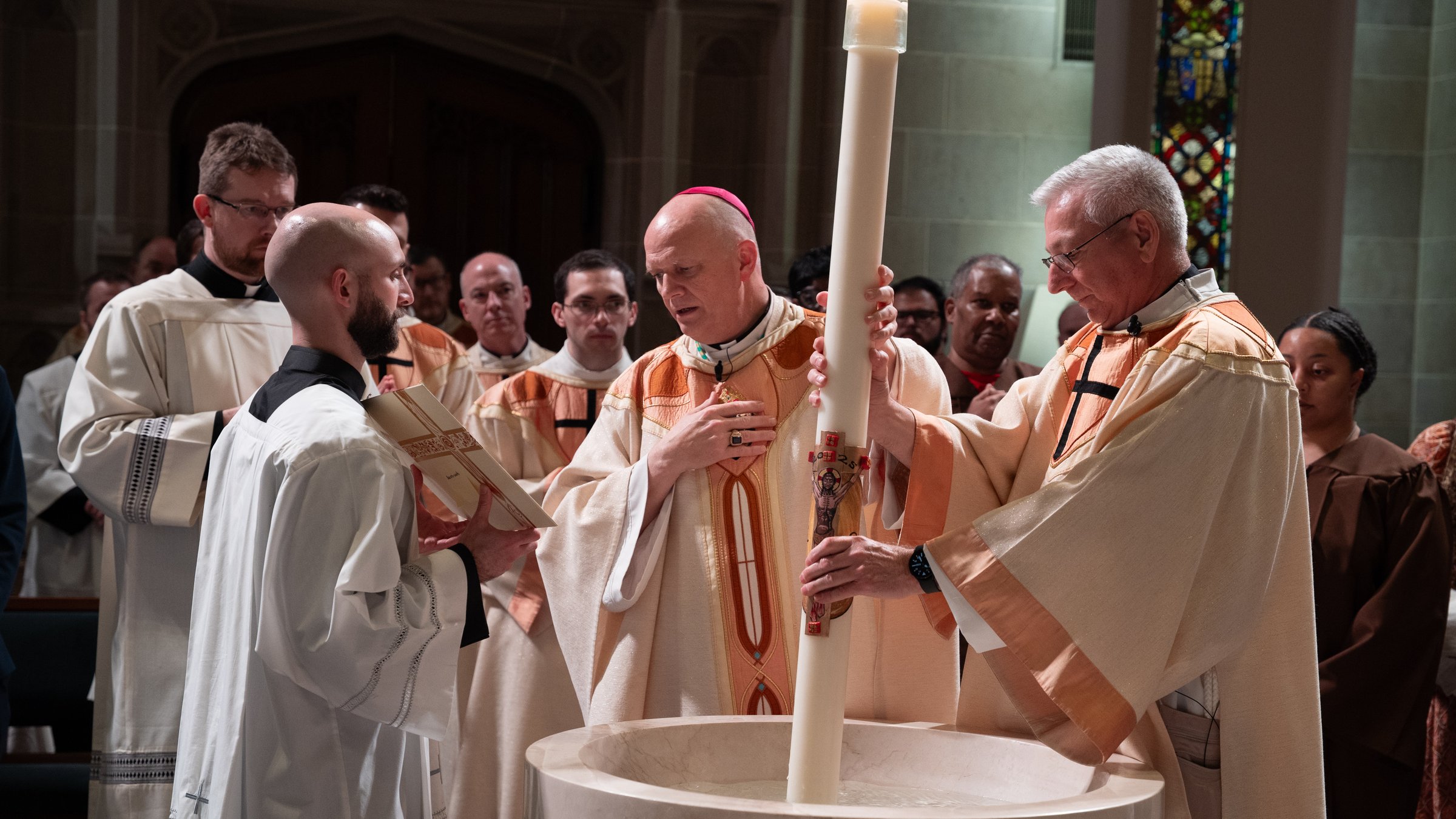
Catholic Christianity (Roman Catholic)
For many people, “Catholic” is what first comes to mind when they picture ancient Christian practice: a global church with a sacramental rhythm, formal liturgy, and a strong sense of continuity with the early centuries of Christianity.
Worship style
Typically liturgical and structured. The Mass centers on Scripture readings, prayers, and the Eucharist. You will often see kneeling, spoken responses, and seasonal traditions like Advent and Lent.
Authority
Catholics hold Scripture and sacred tradition together, taught authoritatively through the church’s teaching office (the Magisterium). The Pope, as Bishop of Rome, has a unique role in unity and teaching.
Sacraments
Seven sacraments, with the Eucharist at the heart of weekly worship. Catholic teaching holds that Christ is truly present in the Eucharist, and that sacraments are real means of grace, not only symbols.
Core theological notes you will hear
- Grace and cooperation: salvation is by God’s grace, and the Christian life involves an ongoing, grace-enabled response.
- Communion of saints: honoring saints as witnesses and praying for the dead are part of the spiritual imagination for many Catholics.
- Mary: devotion to Mary ranges from quiet to very prominent, with specific teachings about her role in salvation history.
Eastern Orthodox Christianity
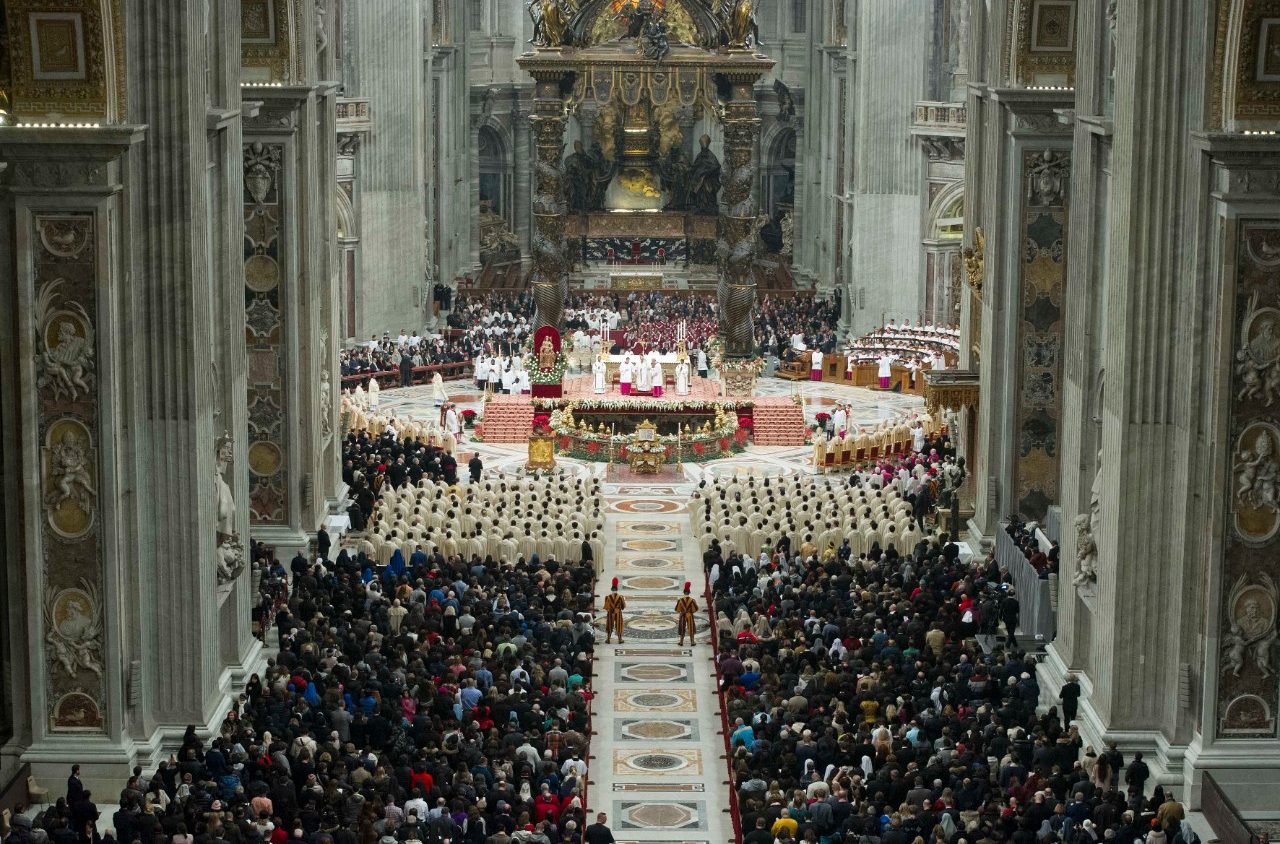
Orthodoxy often feels like stepping into an ancient river that is still flowing. Many Orthodox Christians describe their faith less as a set of ideas and more as a lived worshipping tradition, received and practiced.
Worship style
Deeply liturgical and sensory. Services may include chanted prayers, incense, icons, and long periods of standing. The Divine Liturgy is centered on the Eucharist. Visitors often notice reverence and beauty, and also that participation is learned over time.
Authority
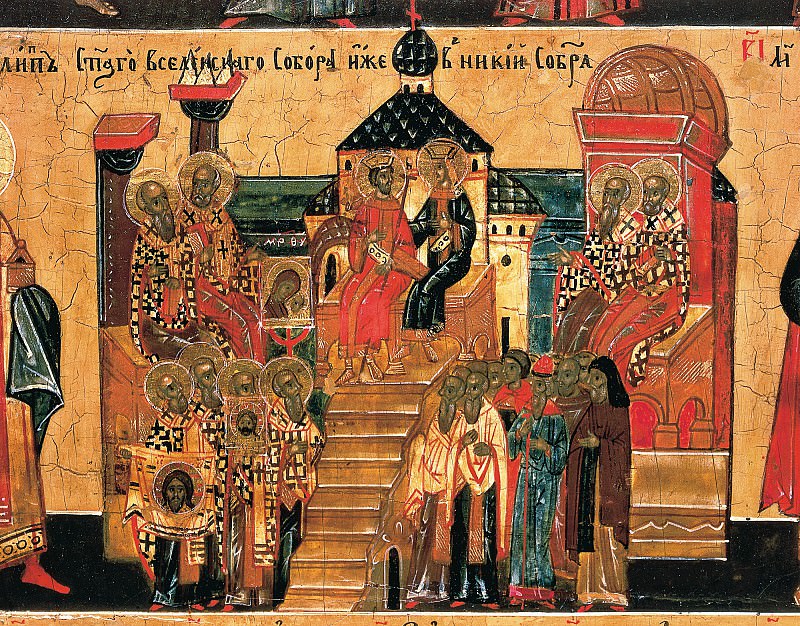
Orthodoxy emphasizes Holy Tradition: Scripture, the early creeds, the writings of the church fathers, ecumenical councils, and the liturgical life of the church. Authority is conciliar, meaning bishops lead together rather than under a single worldwide pope.
Sacraments
Orthodox churches celebrate the sacramental life of the church (often called “mysteries”). Many Orthodox catechisms list seven central mysteries, including baptism and chrismation (confirmation), which are commonly given together, often to infants.
Core theological notes you will hear
- Theosis: salvation includes transformation, becoming by grace what God intends, sometimes described as “participation in the divine life.”
- Resurrection-centered spirituality: the victory of Christ over death shapes prayer, fasting, and hope.
- Icons: veneration of icons is practiced as a way of honoring Christ and the saints, not worshiping the wood and paint.
Oriental Orthodox Christianity
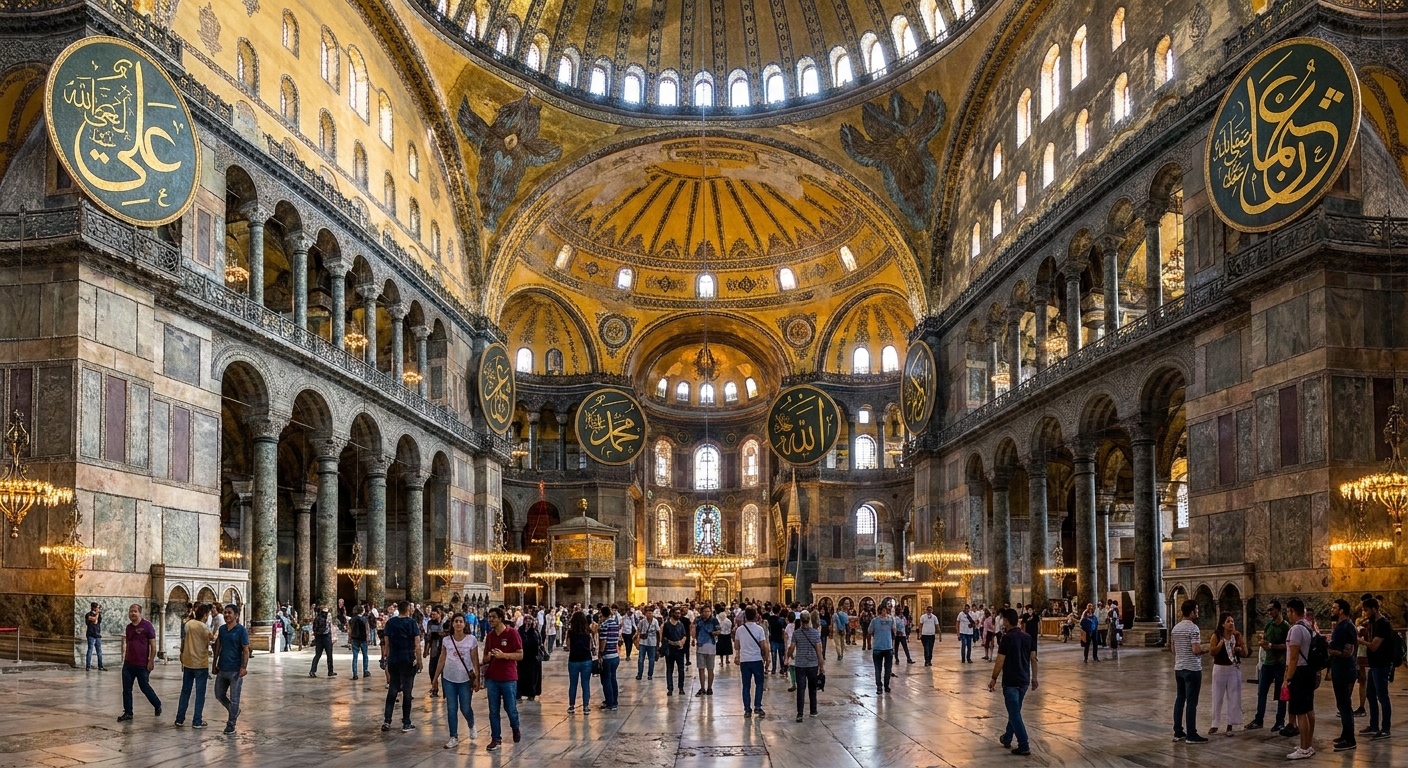
Oriental Orthodoxy is often confused with Eastern Orthodoxy. These churches share ancient roots, rich liturgy, and a sacramental life, but they separated after early church debates in the fifth century. You will find them across the Middle East, Africa, and global diaspora communities.
Worship style
Liturgical, chant-rich, and deeply shaped by local languages and cultures. Services can be long, reverent, and full of sung prayer.
Authority
Scripture within Holy Tradition, guided by bishops and ancient councils recognized within their communion.
Sacraments
A sacramental life centered on baptism and Eucharist, with mysteries often spoken of in ways similar to other ancient churches.
Mainline Protestant traditions
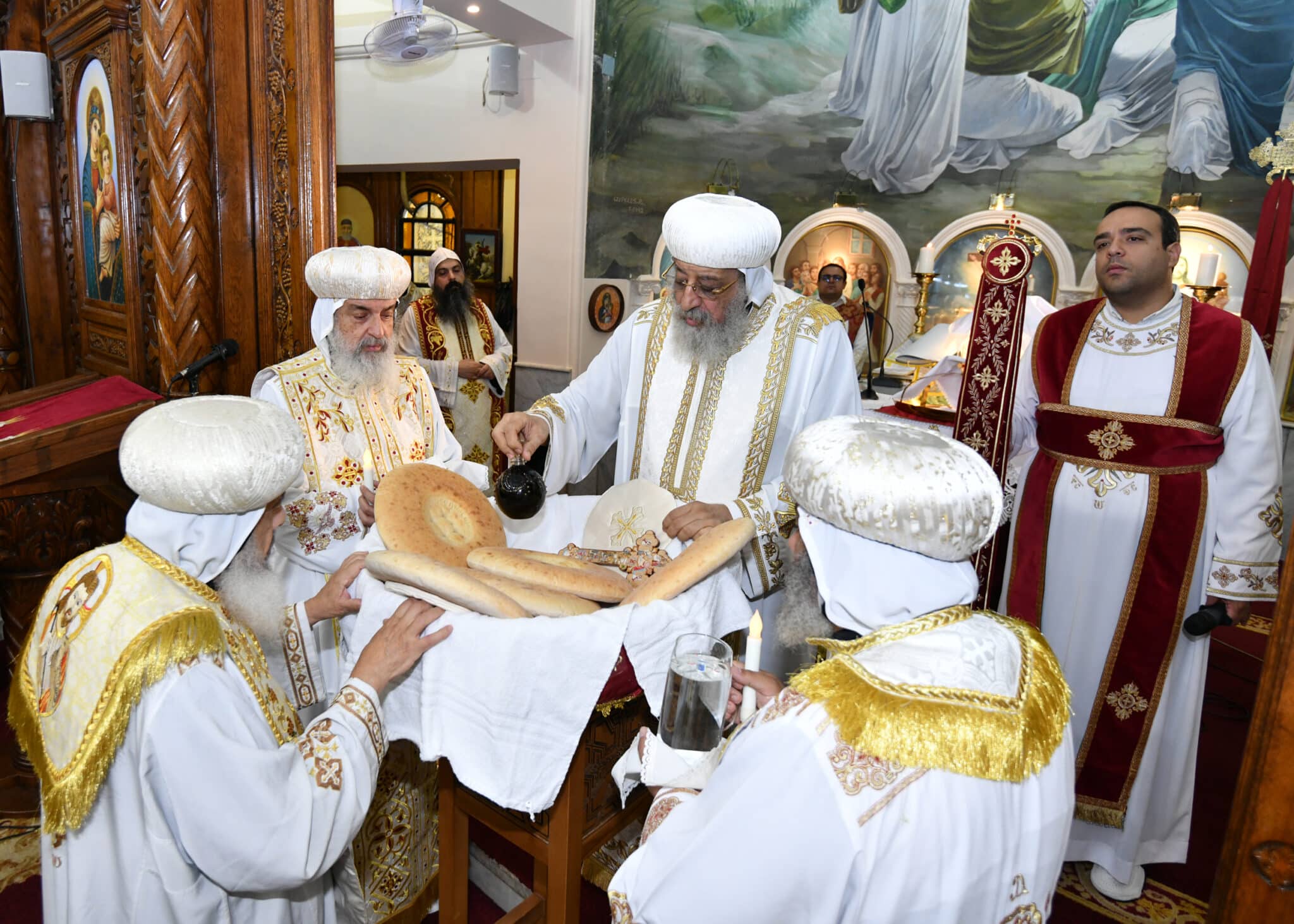
“Mainline Protestant” is a broad umbrella that includes several historic denominations in the West. Many are rooted in the Reformation yet maintain liturgy, sacraments, and creeds in recognizable ways. Congregations range from very traditional to fairly contemporary.
Anglican and Episcopal
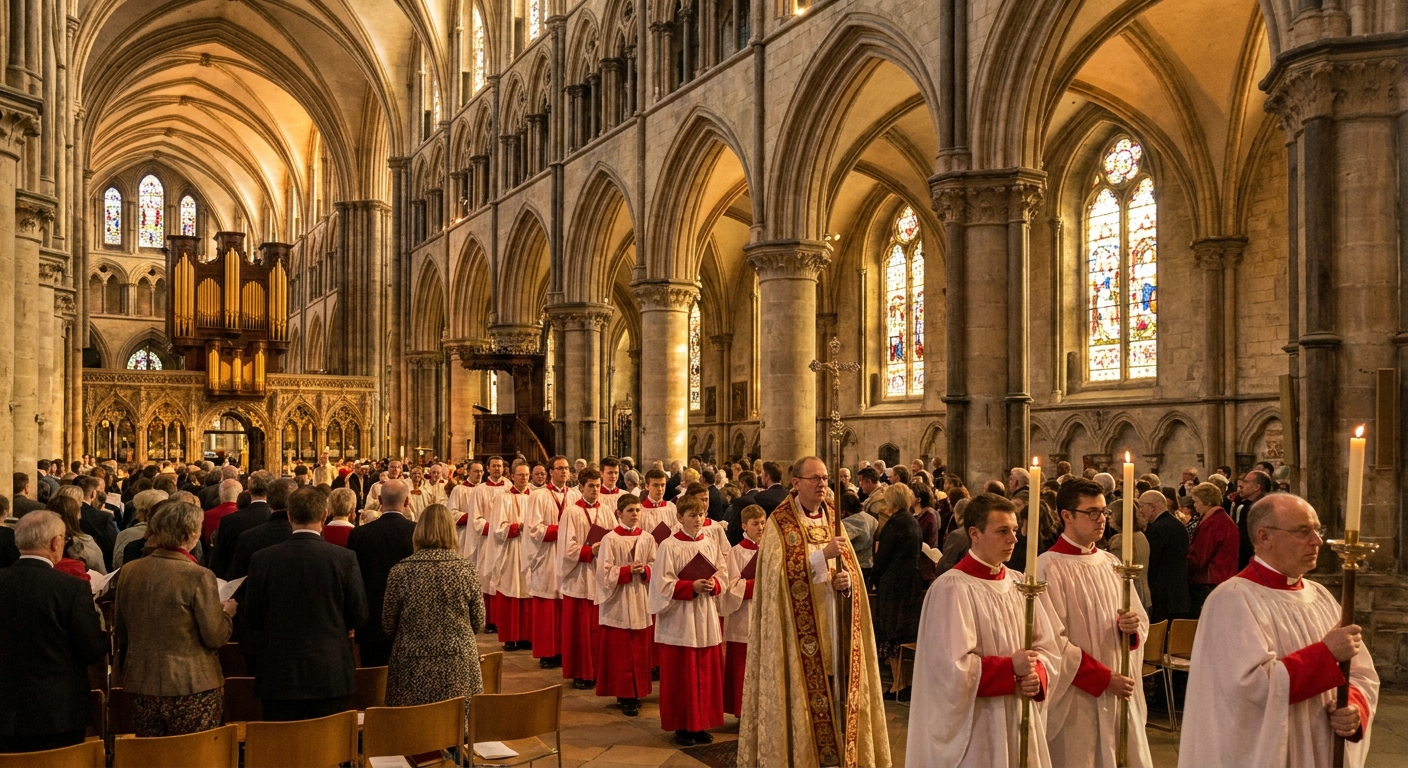
Anglicanism often holds together elements that feel Catholic and Protestant at the same time: structured worship and sacraments, paired with Reformation-era theology and an emphasis on Scripture in public prayer.
- Worship: usually liturgical, using set prayers and Scripture readings, often from the Book of Common Prayer.
- Authority: Scripture is central; a common shorthand describes Anglican discernment as drawing on Scripture, tradition, and reason, though different Anglican bodies explain this in different ways.
- Sacraments: baptism and Eucharist are central; other sacramental rites are practiced as well.
Lutheran
Lutheran churches tend to be Christ-centered in preaching and often retain liturgical worship, with a distinctive emphasis on grace.
- Worship: frequently liturgical, centered on Word and Sacrament.
- Authority: Scripture is primary; confessions like the Augsburg Confession shape doctrine in many bodies.
- Sacraments: baptism and communion are central. Many Lutherans affirm a real presence of Christ in the Eucharist, described in different ways.
- Core note: justification by faith is a defining emphasis, salvation as God’s gift received by faith.
Methodist
Methodism grew out of a renewal movement focused on heartfelt faith and practical holiness, often expressed through community care.
- Worship: can be liturgical or contemporary; hymns and preaching are central.
- Authority: Scripture is primary, often summarized in Methodist circles through the lenses of tradition, reason, and experience (sometimes called the Wesleyan Quadrilateral).
- Sacraments: baptism and communion.
- Core note: sanctification and “social holiness,” meaning growth in love of God and neighbor, often tied to acts of mercy and justice.
Presbyterian and Reformed
These traditions emphasize God’s sovereignty, thoughtful theology, and ordered church governance.
- Worship: often simpler in style, centered on Scripture reading and preaching, though this varies by congregation.
- Authority: Scripture interpreted through confessions (such as the Westminster Standards in many streams).
- Governance: presbyterian structure with elders and regional councils.
- Core notes: covenant theology is common; beliefs about predestination range from strongly emphasized to more gently held, depending on the branch.
Evangelical Protestant traditions
“Evangelical” is less a single denomination and more a family resemblance: a focus on the good news of Jesus, the importance of personal faith, and the Bible as a guiding authority. You will find evangelicals across many denominational labels.
Worship style
Often contemporary and sermon-centered, with modern music, spontaneous prayer, and informal dress. Many churches prioritize small groups, Bible studies, and missions.
Authority
Strong emphasis on the Bible and personal conversion. Many communities also stress the believer’s direct relationship with God and the priesthood of all believers.
Sacraments or ordinances
Usually baptism and the Lord’s Supper. Interpretations vary from symbolic memorial to spiritually significant encounter. Many evangelical churches practice believer’s baptism (baptism following a personal profession of faith), though not all.
Core theological notes you will hear
- Born again: a conscious turning to Christ, often connected with assurance of salvation.
- Evangelism: sharing faith is seen as central to Christian discipleship.
- Atonement language: many evangelicals highlight Jesus’ death as dealing decisively with sin and reconciling humanity to God, with different churches favoring different biblical images.
Non-denominational churches
“Non-denominational” usually means a church is independent rather than part of a formal denomination. In practice, many non-denominational churches end up resembling a Baptist or Pentecostal background in governance and theology, or a blend of both, but there is real variety. A church’s statement of faith and worship style will tell you more than the label on the sign.
Baptist (within the evangelical world)
Baptists are diverse, but many share congregational autonomy and believer’s baptism by immersion.
- Worship: ranges from traditional hymns to contemporary bands.
- Governance: congregational, with significant local independence.
- Distinctives: baptism after profession of faith and strong emphasis on preaching and Bible study.
Pentecostal and charismatic
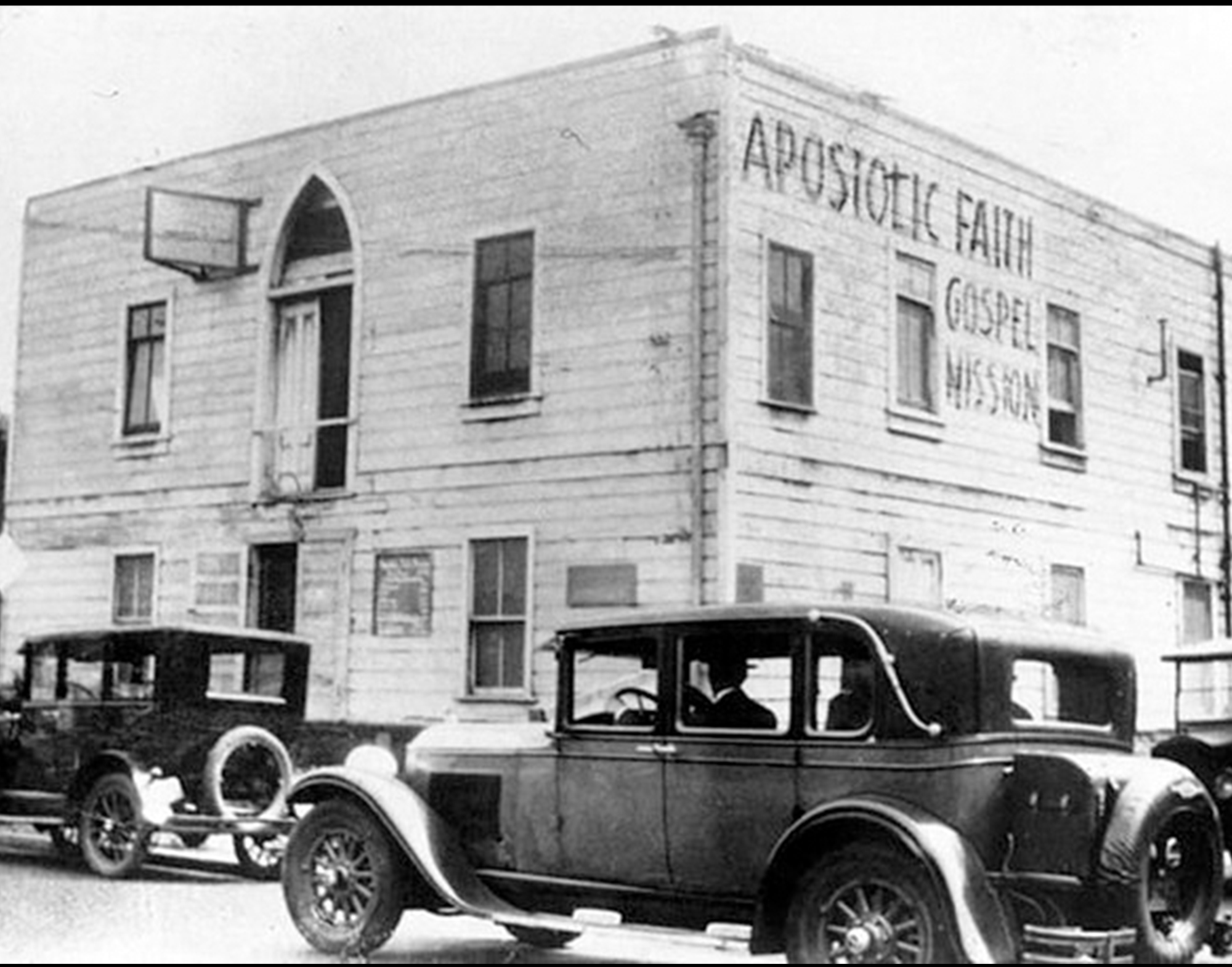
Pentecostal and charismatic Christians emphasize the active work of the Holy Spirit. This can show up in expressive worship and practices associated with spiritual gifts .
- Worship: energetic music and extended prayer are common.
- Distinctives: openness to gifts of the Spirit such as healing, prophecy, and speaking in tongues, with beliefs and practices differing by church.
- Theology: typically evangelical on salvation and Scripture, with added focus on Spirit-empowered living.
Anabaptist traditions
Anabaptist churches began in the Radical Reformation and are best known for emphasizing discipleship as a way of life. In many communities, this includes commitments to peace, simplicity, and mutual aid.
Worship style
Often simple and community-focused. Depending on the group, worship can range from plain meetinghouse services to more contemporary Mennonite congregations.
Authority
Strong emphasis on Scripture, especially the teachings of Jesus, interpreted in community.
Baptism and communion
Baptism is often connected to a conscious commitment to follow Christ. Communion is practiced, with meaning and frequency varying by group.
Restorationist traditions
“Restorationist” can be a broad label, but here it refers to movements within historic, Trinitarian Christianity that sought to restore the faith and practice of the early church without later additions. One well-known stream is the Stone-Campbell movement, which includes Churches of Christ and the Christian Church (Disciples of Christ), alongside independent Christian Churches and Churches of Christ.
Worship style
Often focused on Scripture, preaching, and congregational participation. In Churches of Christ, instrumental music is traditionally absent in many congregations, while other Stone-Campbell churches may include full bands.
Authority
Strong emphasis on the Bible and on modeling church life after New Testament patterns, though interpretations differ across the movement.
Baptism and communion
Baptism is commonly practiced as believer’s baptism. Communion may be celebrated weekly in many congregations, especially within the Stone-Campbell tradition.
Non-sacramental traditions
A few traditions are Christian in identity and deeply rooted in Scripture but do not practice sacraments in the usual way.
- Quakers (Religious Society of Friends): historically emphasize inward, Spirit-led worship, and many do not practice water baptism or formal communion.
- The Salvation Army: historically does not practice baptism and communion as rites, emphasizing lived holiness and service instead.
How communion and baptism differ
If you are visiting different churches, communion and baptism are two places where differences are not only theological, but practical.
Communion (Eucharist, Lord’s Supper)
- Catholic: believes Christ is truly present. Communion is ordinarily for Catholics who are properly disposed (including being in a state of grace and observing the Eucharistic fast), with limited exceptions in specific situations.
- Orthodox: also affirms real presence. Communion is generally for Orthodox Christians, and preparation often includes fasting and confession, though expectations vary by jurisdiction and pastor.
- Mainline Protestant: many practice open communion (often inviting baptized Christians, and sometimes all who seek Christ). Views range from symbolic to real presence.
- Evangelical Protestant: practices and beliefs vary widely. Some churches celebrate weekly and others monthly or less; some emphasize memorial remembrance and others describe a deeper spiritual participation.
Baptism
- Infant baptism: Catholic, Orthodox, and many mainline Protestants (Anglican, Lutheran, Methodist, Presbyterian) commonly baptize infants as a sign of God’s covenant grace and incorporation into the church.
- Believer’s baptism: common in Baptist and many non-denominational traditions, emphasizing personal faith and conscious commitment.
- Method: baptism may be by immersion, pouring, or sprinkling depending on tradition and setting.
If you are unsure what a church practices, it is normal to ask an usher or pastor. In most communities, the question is received as a sign of respect.
Scripture, creeds, and spoken faith
Some churches regularly recite ancient creeds like the Apostles’ Creed or the Nicene Creed. Others rarely do. This difference can feel surprisingly emotional, especially if you were raised with one practice and suddenly find yourself in another.
- Catholic and Orthodox: creeds are central in worship; liturgy carries much of the theology.
- Anglican/Episcopal and many Lutherans: creeds are commonly recited and shape public prayer.
- Reformed/Presbyterian and Methodist: may use creeds, confessions, and liturgy in varying degrees.
- Many evangelical churches: may affirm creedal faith but express it through sermons, worship songs, and statements of faith rather than weekly recitation.
Saints, Mary, and the family of faith
One of the biggest culture shifts for visitors is how different traditions relate to saints and Mary.
- Catholic: saints are honored as models and intercessors; Marian devotion can be significant and varied.
- Orthodox: saints and Mary are deeply woven into worship and iconography; veneration is understood as honor, distinct from worship.
- Most Protestants: honor saints as faithful examples, but do not typically ask for their intercession. Mary is respected, but devotional practices are usually minimal compared to Catholic and Orthodox life.
It helps to remember that even when language sounds unfamiliar, people are often trying to express a shared intuition: the spiritual life is not meant to be solitary, and holiness has a history.
If you visit a different kind of church
If you grew up in one Christian setting and visit another, the surprises are often practical before they are theological.
- Evangelical visitors in a Catholic or Orthodox church often notice scripted prayers, standing and kneeling, and how central communion is. You may also notice that worship feels less like a lecture and more like a shared act.
- Catholic or Orthodox visitors in an evangelical church often notice the informality, the length of the sermon, contemporary music, and how rarely communion may be celebrated in some congregations.
- Liturgical visitors in a free church may miss the calendar rhythms and the creeds, while free church visitors in a liturgical setting may feel lost without cues. In both cases, it is normal to observe first and learn slowly.
What to expect when you visit
If you are new, the most practical questions are often the most human: What should I wear? Will I be singled out? Can I take communion?
- Dress: most congregations range from casual to business casual. Some liturgical churches lean more formal, but visitors are rarely judged for simplicity.
- Participation: it is fine to sit and observe. In liturgical churches, you can follow along as you feel comfortable.
- Communion: when in doubt, you can remain seated. In some churches you can go forward with arms crossed for a blessing, but customs vary, so asking quietly beforehand is wise.
- Children: norms vary. Some welcome children’s noise as part of life; others have a nursery or children’s church.
A gentle rule of thumb: if something feels confusing, you are not failing. You are learning a language that took communities centuries to form.
At a glance
- Catholic: global unity under the Pope; sacramental life at the center; Scripture and tradition together; seven sacraments.
- Eastern Orthodox: ancient liturgy; conciliar leadership; Scripture within Holy Tradition; strong emphasis on transformation (theosis).
- Oriental Orthodox: ancient liturgy in diverse cultures; distinct historical communion from Eastern Orthodoxy; sacramental life centered on worship.
- Mainline Protestant: historic denominations with varied worship styles; Scripture as primary authority, often guided by creeds and confessions; typically two sacraments.
- Evangelical Protestant: emphasis on personal conversion, preaching, missions, and Bible study; typically two ordinances; wide range of governance and worship styles.
- Anabaptist: discipleship and community life emphasized; often peace-focused; baptism commonly tied to conscious commitment.
FAQ
Are Catholics and Orthodox Christian?
Yes. Catholic, Eastern Orthodox, and Oriental Orthodox churches are among the oldest Christian traditions and affirm core Christian beliefs such as the Trinity, the divinity of Christ, the resurrection, and the authority of Scripture.
Why are there so many denominations?
History matters: language, geography, political change, reform movements, revivals, and new cultural contexts have all shaped the church. Sometimes divisions formed over doctrine, sometimes over governance or practice, and sometimes over painful social conflicts. Many Christians today also participate in ecumenical efforts that seek greater understanding and unity.
Do all Christians believe the same things about salvation?
Christians broadly agree that salvation is rooted in God’s grace through Jesus. Differences often show up in how faith, sacraments, spiritual growth, and assurance are described. In real life, two churches that use different vocabulary may still share a similar spiritual aim: to live reconciled to God and shaped by love.
What is the difference between denomination and non-denominational?
A denomination is a structured family of churches with shared governance and doctrine. “Non-denominational” usually means a church is independent, though many still resemble a particular tradition in theology and worship, and may partner informally with networks or associations.
A closing thought
It is easy to assume the goal is to find one “right” Christian expression and treat everything else like wrong answers on a test. But many seekers discover something steadier: differences can be real and significant, and still invite humility and careful listening.
If you are exploring, you do not have to master everything at once. Visit, listen, ask gentle questions, and pay attention to what helps you grow in compassion, honesty, and courage. For many people, that is where the map becomes a path.