The word Trinity can feel like a puzzle the first time you hear it. How can Christians say there is one God, and also speak of the Father, the Son, and the Holy Spirit? If you have ever felt like you need an advanced theology degree to understand it, you are not alone.
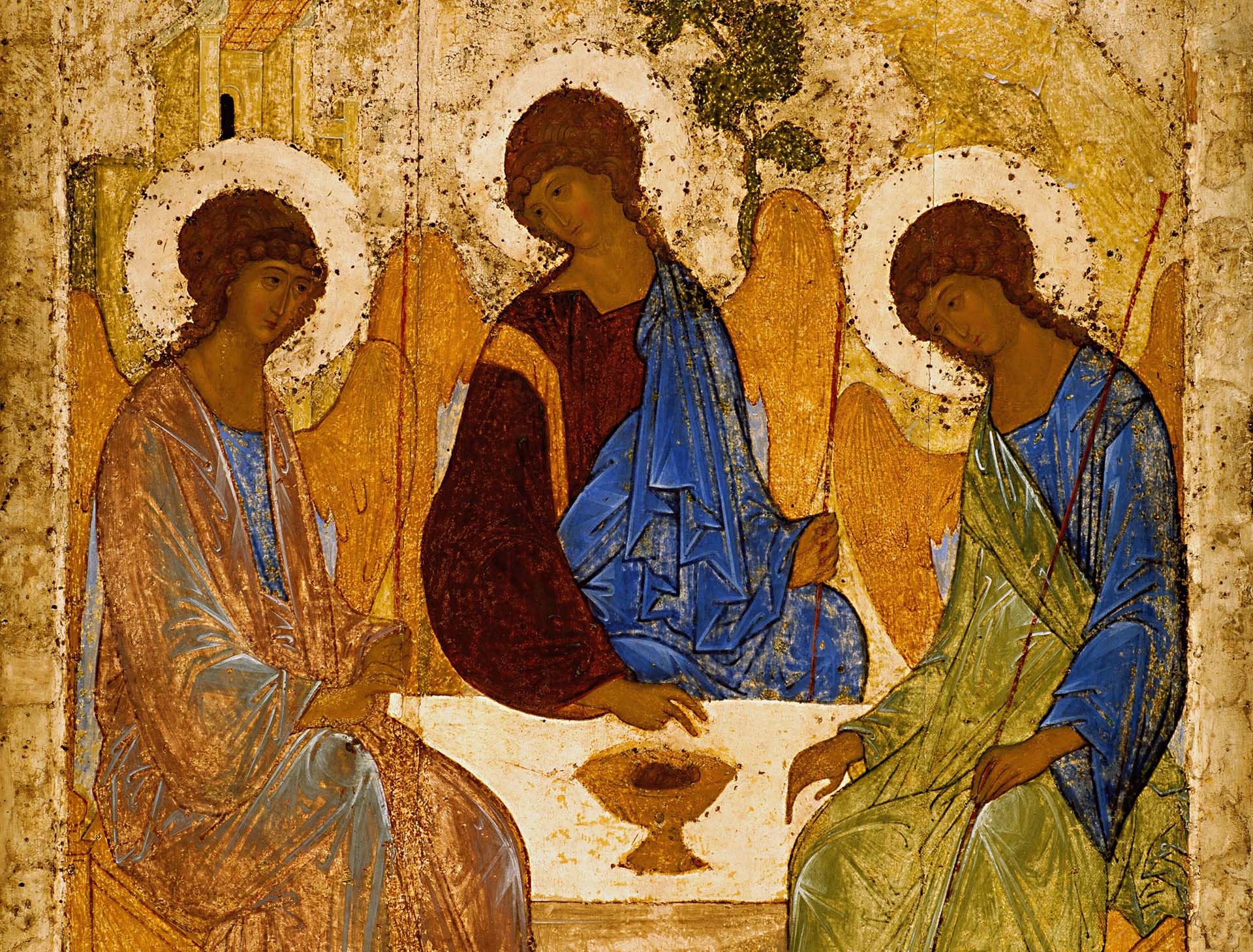
In simple terms, the Trinity is the classic Christian way of describing who God is: one God who eternally exists as three distinct persons, the Father, the Son (Jesus Christ), and the Holy Spirit. Not three gods. Not one God who simply plays three roles. One divine being, eternally existing as three persons.
Why Christians say “one God”
Christianity grows out of the deep monotheism of ancient Israel. The Bible’s story consistently affirms one Creator, not a divided universe of rival deities. Christians keep that foundation.
So when Christians speak of the Trinity, they are not adding gods. They are trying to be faithful to how God is encountered in Christian Scripture and prayer: as Father, as Jesus the Son, and as Holy Spirit, all while affirming that God is one.
One God, three persons
People often get stuck on the word person. In everyday English, a “person” usually means an individual human being with a separate body. In Trinitarian language, “person” is used differently. It points to a real distinction in how God exists and relates, without dividing God into parts or into three separate beings.
Historically, Christians have used “person” as a translation for older theological terms (like hypostasis and persona). The point is not modern individualism. It is a way of naming real, eternal relationships within the one God.
A gentle way to say it is:
- God is one in being, essence, and divinity.
- God is three in personal relationship: Father, Son, and Spirit.
This is why you may hear Christians summarize the Trinity like this: one “what,” three “whos.” God is one “what” (one divine reality), and three “whos” (Father, Son, Spirit).
Father, Son, and Holy Spirit
The Father
In Christianity, “Father” is not a claim that God is male. It is relational language. Christians use it to speak about God as source, creator, and the one Jesus addresses with intimate trust. When Jesus prays, he prays to the Father, and Christians believe that prayer reveals something true about God’s inner life.
The Son (Jesus Christ)
In historic, Nicene Christianity, the Son is not a created being and not a lesser deity. The Son is fully God, eternally. In the Incarnation, the Son takes on human life as Jesus of Nazareth. That is why Christians can say things like “God entered our suffering,” without meaning that the Father became human, or that a mere prophet was promoted to divine status.
In plain terms: Jesus is God-with-us, genuinely human and genuinely divine.
The Holy Spirit
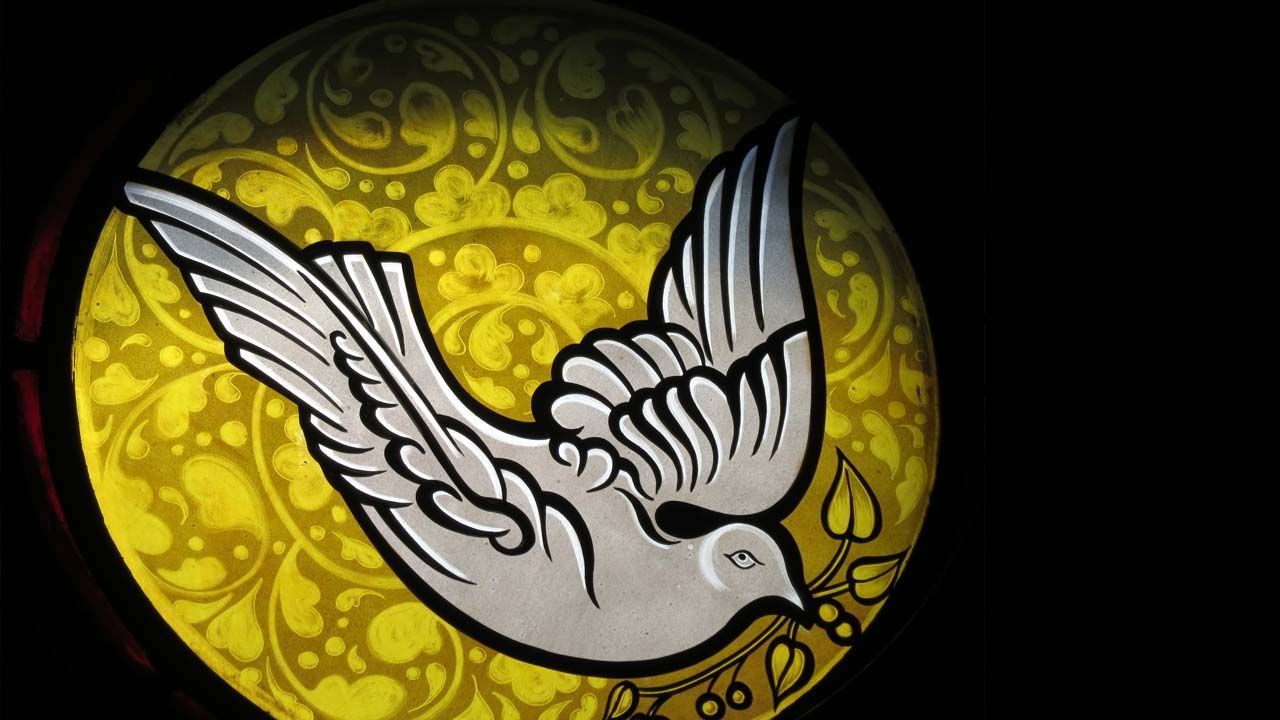
The Holy Spirit is not an impersonal force or simply human emotion. In Nicene Christian belief, the Spirit is fully God, present and active in the world. The Spirit comforts, convicts, guides, empowers, and draws people toward love of God and neighbor.
If the Father is often spoken of as Creator, and the Son as Redeemer, the Spirit is often experienced as the One who brings God’s life into us, shaping hearts, communities, and worship.
How can three be one?
Christians are not claiming that three equals one in the same sense. They are saying “one” and “three” in different ways.
- One: one God, one divine essence, one ultimate reality.
- Three: three distinct persons, eternally in relationship.
Many Christians also speak of the Trinity as a mystery, not as a surrender of reason, but as an honest admission: God is not small enough to fit comfortably inside our categories. The goal is not to solve God like a riddle, but to speak carefully about how God is revealed and encountered.
Scripture and creeds
Christians did not invent the Trinity as a philosophical puzzle. They arrived at Trinitarian language by reflecting on the Bible’s patterns of worship and prayer. For example, Jesus tells his followers to baptize “in the name of the Father and of the Son and of the Holy Spirit” (Matthew 28:19), and an early Christian blessing speaks of Jesus Christ, God, and the Holy Spirit together (2 Corinthians 13:14).
The teaching is also summarized in historic creeds, especially the Nicene Creed (formulated at Nicaea in AD 325 and expanded at Constantinople in AD 381), which became a shared touchstone for what “mainstream” Christian faith teaches about God.
Common misunderstandings
“Christians worship three gods”
This is a very common assumption, especially from the outside looking in. Classical Christian teaching is clear: Christians worship one God. The Father, Son, and Spirit are not three separate beings. They are one God.
“God is one person who wears three masks”
This idea says God is sometimes Father, sometimes Son, sometimes Spirit, like switching roles. But Christian teaching rejects this because it does not match the way Christians understand the relationships shown in Scripture, such as Jesus praying to the Father and promising to send the Spirit.
In Christianity, the Father, Son, and Spirit are simultaneously real and eternally distinct, not temporary “modes.”
“Jesus is less divine than the Father”
Some imagine a hierarchy where the Father is fully God and Jesus is a semi-divine helper. Traditional Nicene Christianity says the opposite: the Son is fully God, sharing the same divine nature as the Father. The difference is not “how much God” they are, but their relationship: the Son is the Son, the Father is the Father.
“The Holy Spirit is just a symbol for God’s power”
Christians do speak of the Spirit as powerful, but not impersonal. In historic Trinitarian teaching, the Spirit is understood as a divine person who acts, guides, and relates, not merely an energy or metaphor.
Where it shows up in daily life
Even if someone cannot explain the Trinity in detail, they may still live inside its rhythms. The Trinity is woven into Christian worship and prayer more than many people realize.
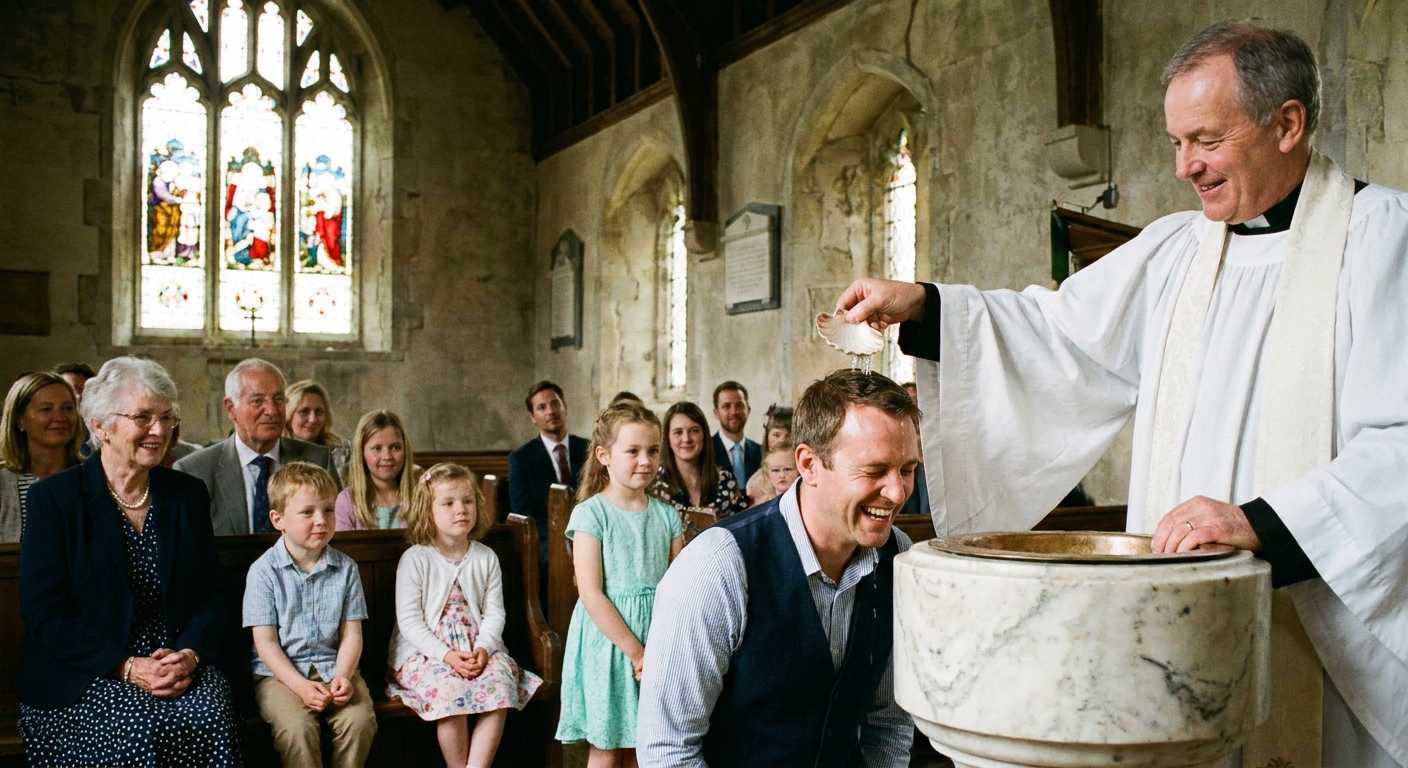
- Baptism: Many churches baptize “in the name of the Father, and of the Son, and of the Holy Spirit.”
- Prayer: A common pattern is praying to the Father, through the Son, in the Holy Spirit.
- Blessings: Some services end with a Trinitarian blessing, naming Father, Son, and Spirit as the source of grace and peace.
For many Christians, the Trinity is not just a doctrine to memorize. It is a way of saying that God is eternally relational, and that human life is meant to be transformed by that love.
A simple way to hold it
Analogies can help for a moment, but many common ones break down quickly. Water as ice, liquid, and steam can make God sound like one person changing forms. The sun as star, light, and heat can make the Son and Spirit sound like mere extensions.
If you want a simple, safer takeaway, try this:
Christians believe God is one. The Father, Son, and Holy Spirit name the eternal relationships within the one God, revealed in creation, in Jesus, and in God’s living presence among us.
You do not have to force the Trinity into a neat mental picture. You can treat it like learning the shape of a relationship you are stepping into: slowly, reverently, with room for wonder.
FAQ
Is the word “Trinity” in the Bible?
The word itself is not in the Bible. The belief is drawn from the Bible’s language and patterns, especially the way Father, Son, and Spirit are each spoken of with divine weight, and how Christian worship and baptism name them together.
Do all Christians believe in the Trinity?
Most major Christian traditions do, including Catholic, Eastern Orthodox, and most Protestant churches. Some groups that identify as Christian reject or redefine the Trinity, including Jehovah’s Witnesses, Oneness Pentecostals, and The Church of Jesus Christ of Latter-day Saints. In everyday conversation, it is still fair to say that the Trinity is a central belief of historic, mainstream Christianity.
Does believing in the Trinity mean you understand it?
No. Many faithful Christians would say they trust the Trinity as a true description of God while also admitting it remains mysterious. Understanding often grows through prayer, worship, and lived experience, not just definitions.
Why does it matter?
For Christians, it matters because it shapes who they believe God is, not solitary and distant, but eternally living in communion. It also shapes how Christians understand Jesus, not merely as a teacher, but as God drawing near. And it shapes how they experience spiritual life, not as self-improvement alone, but as communion with God’s presence.
A gentle closing thought
For many Christians, the Trinity is less like a math problem and more like a doorway. Christians keep returning to these three names because they are trying to stay honest about how God has been known: as the One Jesus calls Father, as Jesus himself, and as the Spirit who still breathes life into fragile hearts.
If you are new to Christian ideas, you are allowed to take your time here. The Trinity is not a test you have to pass. For many believers, it is an invitation to discover that the heart of God is communion, and that you are not asked to stand outside of that love looking in.