There is a particular kind of loneliness that can show up when you open a sacred text and feel… nothing but distance. The language is unfamiliar. The stories jump around. Everyone else seems to have a map.
If that is you, please know this is not a sign you are doing it wrong. In many traditions, sacred texts were not designed to be consumed quickly, alone, and without guidance. Often they were meant to be heard aloud, discussed in community, and revisited over a lifetime.
This is a simple method I return to when I want to read scripture, sutras, hymns, or wisdom literature (short sayings about how to live) without getting lost. It is gentle on busy schedules, friendly to beginners, and sturdy enough to grow with you.

A simple method: C-R-A-N-E
I use a five-part rhythm you can remember as C-R-A-N-E: Context, Read, Annotate, Notice, Engage again (revisit). Think of it as building a footbridge across a wide river. Each step gives you something stable to stand on.
- Context: a few minutes of orientation so the passage has a place to land
- Read: a small portion, slowly
- Annotate: a light touch of notes, not a term paper
- Notice: what is happening in you as you read
- Engage again: return to the passage, and let it ripen over time
Where to start
If you are not sure what to open first, choose something short and commonly taught in your tradition. Many people do well with a curated daily reading, a short chapter, a set of prayers or psalms, or a brief teaching text that comes with notes.
If you are reading across traditions, it helps to remember that “scripture,” “sutras,” and “hymns” can carry different kinds of authority and be used in different ways. That difference is not a problem. It is part of the landscape.
1) Context
Context is not a hurdle. It is the doorway into the room.
Before you read, spend two to five minutes with one or two of these anchors:
- Where am I in the larger work? (What comes before and after?)
- Who is speaking, and to whom? (A prophet to a community, a teacher to students, a poet to the Divine, a narrator to the listener?)
- What genre is this? (Law, poetry, story, proverb, letter, commentary, parable, prayer, philosophical dialogue.) Genre changes how we read.
- What is the setting? (Time period, culture, conflict, ritual setting, exile, pilgrimage, festival.)
Beginner tip: use a reputable study edition, a trusted commentary, or the introduction at the front of the text. You are not “cheating” by using guides. You are practicing humility, which is a spiritual virtue in many traditions.
2) Read small
Overwhelm usually comes from trying to read sacred texts like modern novels. Instead, make your default portion short enough to hold in your mind.
How much should you read?
- Scripture with chapters and verses: 5 to 15 verses, or half a page
- Poetry or prayers: 1 poem, or 6 to 12 lines
- Wisdom sayings: 1 to 3 sayings
- Longer philosophical passages: 1 paragraph, or one key argument
Read it once straight through. Then read it again more slowly. If you can, read aloud. Sacred language often becomes clearer when it passes through the body, not just the eyes.
When you slow down, you stop asking, “Do I understand everything?” and start asking, “What is this asking of me?”
3) Annotate lightly
Many people either take no notes and drift, or take too many notes and burn out. Try a middle way.
After reading, write three quick notes in a notebook or the margin:
- One word or phrase that shimmers or irritates you
- One question you honestly have
- One connection to daily life (a relationship, a choice, a fear, a hope)
Your question can remain unanswered. Some of the most faithful reading is simply staying in the room with the question.
A tiny example: Say your line is, “Do not be afraid.”
- Phrase: “Do not be afraid” (why does this keep repeating?)
- Question: Afraid of what, exactly, in this passage?
- Connection: The conversation I am avoiding, because I want to control how I am seen

4) Notice
In many traditions, sacred reading is not only informational. It is formational. So part of the practice is noticing what is happening inside you.
Pause and ask:
- What do I feel in my body right now? (tightness, warmth, resistance, ease)
- What emotion is here? (comfort, boredom, anger, longing, relief)
- What is this text asking me to face?
This is especially helpful when you encounter difficult passages. Sometimes the “lost” feeling is not confusion but protection. Go gently. You can take breaks.
5) Engage again
Most sacred texts are meant to be revisited. Repetition is not failure. It is how meaning ripens.
Simple ways to revisit
- Reread the same passage for three days, noticing something new each time
- Choose one line to carry into your day, returning to it at meals or transitions
- Write the passage by hand once a week, slowly
- Listen to an audio version while walking, then read it on the page later
If you want a sustainable habit, make it small enough that you can keep your promise on a hard day.
When it is confusing
Confusion is not a dead end. It is often a sign you have met something older, larger, or culturally distant. Here are a few ways to respond without spiraling.
Mark and move
When you hit a sentence you do not understand, put a small mark next to it and keep reading. Often the surrounding lines clarify it. If not, your mark becomes a breadcrumb for later study.
Switch versions
Sometimes the problem is not you. It is the distance between ancient language and modern speech. Trying another translation or a more accessible edition can completely change your experience.
Look up one thing
Resist the urge to open ten tabs. Choose just one question to research: a place name, a key term, or a cultural practice. Then return to reading.
Read with someone
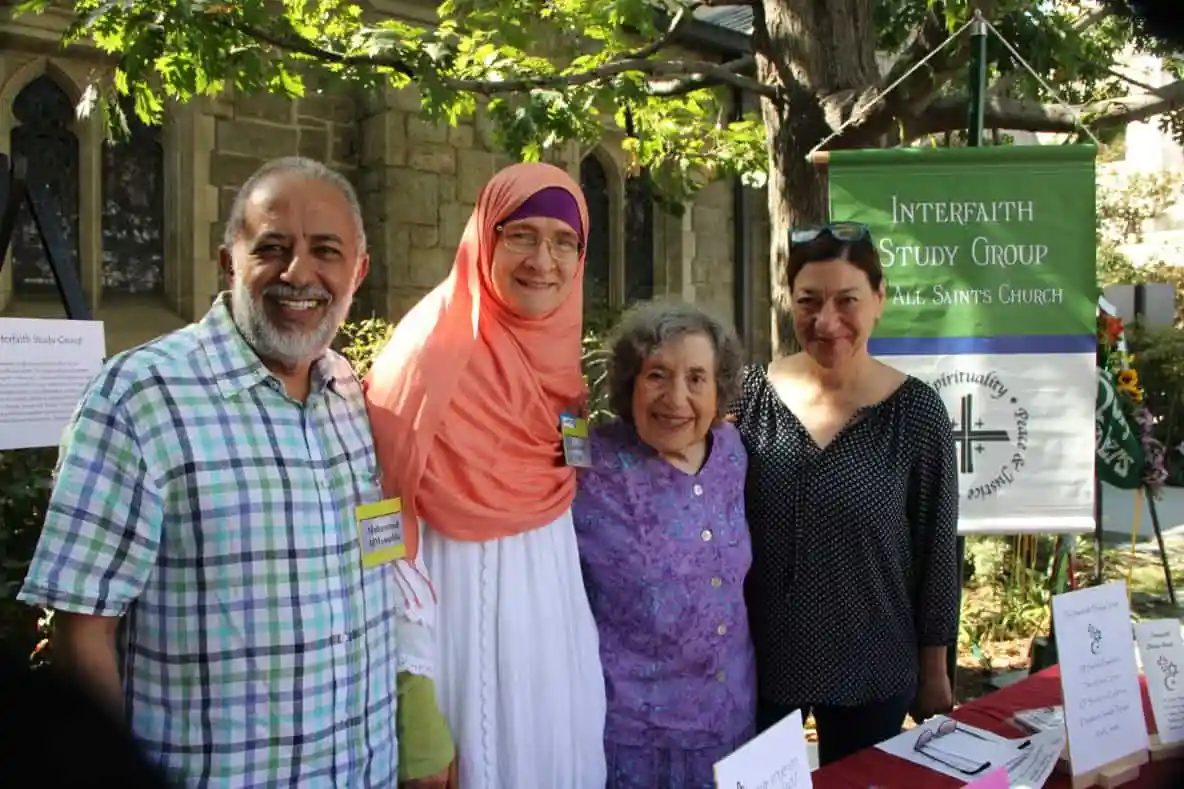
This can be a study group, a clergy member, an interfaith book club, or a friend who is simply curious. Sacred texts often function as social documents as well as spiritual ones. Many passages make more sense in conversation.
When it feels harmful
Some passages can stir grief, anger, or memories of spiritual harm. If that is your experience, you are not overreacting, and you do not have to force intimacy with a text.
- Give yourself consent to pause. Stepping back is allowed.
- Change your angle. Try reading with a compassionate commentary, a trauma-informed guide, or a community known for careful interpretation.
- Widen the lens. Many traditions hold multiple voices inside their canon: law and poetry, lament and praise, protest and trust. Let the full chorus speak.
- Seek support. A therapist, spiritual director, or wise mentor can help you stay grounded while you sort what belongs to the text, what belongs to history, and what belongs to your own story.
A simple 10-minute routine
If you want something you can do tomorrow morning, here is a gentle structure:
- 1 minute: settle your body, set an intention (one sentence)
- 2 minutes: context (where you are, who is speaking, what genre)
- 4 minutes: read the passage twice, slowly
- 2 minutes: three-note practice (phrase, question, connection)
- 1 minute: reflection or prayer (one honest response)
That is it. Ten minutes that can actually be lived.

Reflection prompts
When people tell me they feel lost, it is often because they are trying to squeeze a final answer out of a living text. Try questions that invite relationship instead of perfection.
- What word or image follows me after reading?
- Where did I feel resistance, and what might it be protecting?
- If this passage is an invitation, what is the smallest step I can take today?
- Who would I be if I truly lived one line from this text?
- What would compassion look like in this passage?
FAQ
Do I need to read the whole book in order?
Not necessarily. Some texts reward sequential reading, especially narratives. Others are better approached thematically or in small daily portions. If reading straight through makes you quit, choose a smaller unit and build consistency first.
What if I do not believe what I am reading?
You can still read respectfully. Try reading with the posture, “What did this mean for the people who carried it?” and “What human longing is this addressing?” Belief is not the only doorway to learning. Curiosity is also a form of reverence.
How do I know which interpretation is correct?
Many traditions hold multiple interpretive streams. A helpful question is not only “Is it correct?” but also “Is it responsible?” Look for interpretations that are grounded in context, consistent with the broader ethical heart of the tradition, and compassionate in their impact.
Is it okay to use study guides or audio?
Yes. Tools can reduce shame and increase access. In fact, many sacred traditions have long used aids: oral teaching, chanting, commentaries, and community discussion. Modern formats are simply the newest vessels.
A closing blessing
May you be patient with yourself as you learn the landscape. May you find one phrase that feels like clean water. May your questions become companions instead of enemies. And may your reading, little by little, become less about proving something and more about becoming someone: kinder, steadier, more awake to the sacred in ordinary life.