
In my childhood home, scripture showed up in more than one language and more than one rhythm. A Psalm might be read at the kitchen table, while a verse from the Bhagavad Gita was quoted during a hard week, and a Buddhist chant floated softly through the hallway like a steadying hand.
If you are here, you might be curious about what these texts actually say, or how to read them without feeling lost, overwhelmed, or pulled into someone else’s arguments. My hope is to offer something simpler: a curated set of sacred texts that have shaped millions of lives, along with gentle, practical ways to meet them as a modern reader.

How to read sacred texts
Before we dive into the list, a few grounding practices I use when I read across traditions. These are small, but they change everything.
- Choose a trustworthy translation, then read slowly. Many sacred texts were composed in layered languages and oral cultures. Reading them like a modern novel often leads to confusion.
- Ask, “What is this text trying to do?” Is it law, poetry, philosophy, mythic story, meditation manual, or communal memory? A proverb and a legal code need different kinds of attention.
- Use a commentary like a flashlight, not a cage. Good notes illuminate context, genre, and key terms. They should not replace your own honest encounter.
- Read in small daily portions. Ten minutes a day with a notebook beats an occasional marathon that leaves you burnt out.
- Practice “two questions.” 1) What did this mean in its world? 2) What might it mean in mine?
- Let discomfort be information. Confusion can point to missing context. Resistance can reveal a tender spot. Neither requires panic.
1) The Christian Bible
Why it matters: The Christian Bible, shaped by both the Old Testament (received through Jewish scripture) and the New Testament, has influenced theology, ethics, art, politics, and personal devotion across centuries. Even if you are not Christian, you live in a world marked by its stories and symbols.
How to read it today: Start with one book, not the whole library. For a first pass, many readers find the Gospel of Luke (narrative and compassionate) or the Gospel of Mark (spare and urgent) accessible. Then consider Acts (for early community life) or Romans (for theology that has shaped a great deal of Western Christianity). Notice how genre changes meaning: parable is not the same as policy, and a letter is not the same as a hymn.
If you read the Old Testament in a Christian context, it helps to remember you are entering texts that have their own Jewish life and interpretive tradition. Christians often read them through the lens of the New Testament, but the writings themselves come from a deeper and older world. Also, “Old Testament” is a Christian term. In Jewish settings, you will hear Tanakh and Torah instead.
Translations to consider
- NRSV Updated Edition (NRSVue): A strong, widely respected choice for study, often used in universities and many churches.
- NIV: A widely used evangelical translation with a smooth, readable style.
- ESV: A more literal-leaning option favored in some conservative settings.
Commentaries and study helps
- The New Oxford Annotated Bible (strong academic notes, great for careful readers)
- The Bible Project (video overviews that clarify genre and themes)
- A good one-volume Bible dictionary: Useful for places, names, and historical context without drowning you.

2) The Qur’an
Why it matters: For Muslims, the Qur’an is revelation recited, memorized, and lived. It is not only a book to read but a cadence to return to, shaping prayer, ethics, and community life across the globe.
How to read it today: The Qur’an is not arranged as a linear narrative, so it can feel surprising at first. Consider reading with a brief guide to context, and allow repeated themes to build slowly: mercy, accountability, justice, compassion, surrender. If possible, listen to recitation while reading along. The sound is part of the experience.
Translations to consider
- The Clear Quran (Mustafa Khattab): Very readable modern English with helpful clarity.
- Saheeh International: Widely used and relatively straightforward.
- M.A.S. Abdel Haleem (Oxford World’s Classics): A respected, smooth literary translation.
Commentaries and study helps
- The Study Quran (edited by Seyyed Hossein Nasr): A substantial scholarly study edition with notes drawing across multiple classical traditions. It is not a single, one-school tafsir.
- Approach with context: When you meet verses that seem sharp, look at historical setting, literary flow, and interpretive tradition rather than isolating a line.

3) The Bhagavad Gita
Why it matters: The Gita sits inside the epic Mahabharata as a dialogue on duty, devotion, action, and liberation. It speaks to the interior struggle many of us know: How do I live ethically in a complicated world?
How to read it today: Read a chapter at a time, then pause. The central tension is not abstract. It is intimate: fear, responsibility, grief, identity, and the longing for guidance. Track recurring ideas like dharma (duty, order), karma (action and consequence), and bhakti (devotion).
Translations to consider
- Eknath Easwaran: Warm, accessible, and spiritually grounded for personal practice.
- Barbara Stoler Miller: A clear, literary translation often used in classrooms.
- Radhakrishnan: More philosophical and detailed, useful if you like depth.
Commentaries and study helps
- Read with a note on schools: Some commentaries emphasize nondualism, others devotion or disciplined action. Knowing the lens prevents confusion.

4) The Upanishads
Why it matters: The Upanishads are philosophical meditations on ultimate reality, selfhood, and liberation. They ask big questions with quiet insistence: Who am I beneath roles and fear? What is real?
How to read it today: Think of them as spiritual conversations, not systematic textbooks. Read a short passage, then sit with it. Many sections are meant to be contemplated. It helps to keep a small glossary for terms like Atman, Brahman, and maya.
Translations to consider
- Patrick Olivelle: Highly respected for scholarly reliability and clarity.
- Eknath Easwaran: A devotional, approachable gateway for newcomers.
- Juan Mascaró (Penguin Classics): Poetic and beloved, though less technical.
Commentaries and study helps
- Pair with gentle lectures: A short course or reputable talks can keep the symbolism from feeling opaque.

5) The Dhammapada
Why it matters: Buddhist scripture is vast. In Theravada Buddhism, the core canon is the Tipitaka (also spelled Tripitaka), traditionally described as three “baskets”: discipline (Vinaya), teachings (Sutta), and philosophy and analysis (Abhidhamma). For many readers, the Dhammapada is a compact doorway into Buddhist ethics and mind training. Its verses are practical and piercing, like stones placed carefully on a path.
How to read it today: Choose one verse a day and practice it. Buddhism often treats reading as a form of training, not mere information gathering. Let the text become a mirror: What is my mind doing? Where do craving and aversion run my day?
Translations to consider
- Gil Fronsdal’s Dhammapada: Clear, accessible, and widely appreciated.
- Thanissaro Bhikkhu’s translations: Freely available and grounded in Theravada practice.
Commentaries and study helps
- Start small: If you want to go beyond the Dhammapada, read curated selections from the Tipitaka with a reputable teacher or guide.

6) The Tao Te Ching
Why it matters: The Tao Te Ching (also commonly rendered Dao De Jing) is short, paradoxical, and endlessly reread. It invites a way of being that values humility, simplicity, and alignment with the Tao, the unforced flow of reality.
How to read it today: Read it like poetry. Do not rush to pin down a single meaning. Choose one chapter and carry it through your day. Notice how it changes your relationship with effort, control, and the desire to “win” at life.
Translations to consider
- Stephen Mitchell: Readable and popular, though more interpretive than literal.
- D.C. Lau (Penguin Classics): More scholarly and careful.
- Ursula K. Le Guin: Gentle, wise, and accessible, especially for reflective readers.
Commentaries and study helps
- Use multiple translations: Comparing two versions can reveal the text’s range without overwhelming you.

7) The Analects
Why it matters: The Analects is a collection of sayings and conversations attributed to Confucius and his students. It shaped East Asian moral philosophy, education, governance, and the everyday practice of becoming a humane person.
How to read it today: Read it as guidance for character formation. Confucian wisdom is often relational: how you speak, how you learn, how you hold responsibility, how you treat elders and friends. If you feel weary of abstract spiritual talk, the Analects can feel refreshingly concrete.
Translations to consider
- Edward Slingerland: Highly readable with strong notes and historical context.
- Burton Watson: Clear and elegant.
Commentaries and study helps
- Keep a “virtue journal”: Choose one concept like ren (humaneness) and track how it appears in daily life.

8) The Guru Granth Sahib
Why it matters: The Guru Granth Sahib is scripture and living guide within Sikh tradition, woven through with poetry meant to be sung. It emphasizes devotion, humility, service, and the oneness of the divine.
How to read it today: Because this text is deeply musical and communal, listening can be a respectful entry point. Seek recordings of kirtan and read translations alongside. Notice the recurring invitation toward remembrance of the divine Name and compassionate living. If you can, learn in community through a gurdwara or Sikh friends. Sikh scripture is often encountered in sangat, the shared life of worship and service.
Translations to consider
- Srigranth.org translations: Accessible online, often used as a starting point.
- Khalsa Consensus Translation (where available): A modern effort toward consistent English rendering.
Commentaries and study helps
- Learn a little about key terms: Words like seva (service) and hukam (divine order) open the text up.
- Consider community context: Reading about the Sikh practice of langar can illuminate the scripture’s ethic of equality.

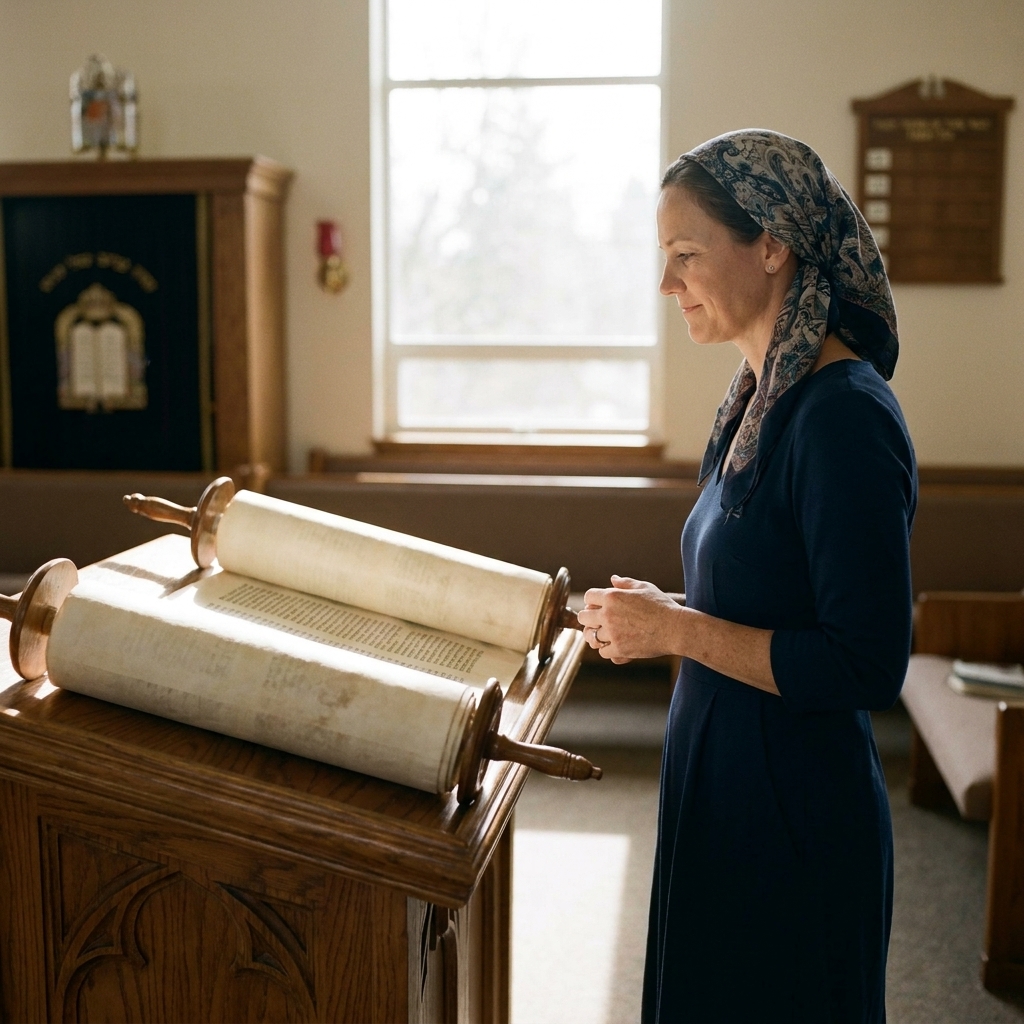
9) The Tanakh and Torah
Why it matters: The Tanakh, and especially the Torah, is central to Jewish life, shaping ritual, ethics, memory, and identity. Reading it through Jewish interpretive tradition can feel like joining a centuries-long conversation rather than extracting a single “answer.”
How to read it today: Read in weekly portions if you like structure. Pay attention to the text’s patterns: repetition, covenant language, law intertwined with story. If something troubles you, that is not a sign you have failed. It may be a doorway into deeper study and moral wrestling. Jewish reading often expects questions and argument, not silent agreement. If you can, try learning with a partner (hevruta) or joining a community Torah study. The conversation is part of the method.
Translations to consider
- Jewish Publication Society Tanakh (JPS): A standard, respected Jewish translation.
- Robert Alter (Torah and Hebrew Bible): Especially strong for narrative artistry and Hebrew resonance.
Commentaries and study helps
- The Jewish Study Bible (strong notes and essays, excellent for context)
- Rashi (classic commentary): Often included in study editions and referenced widely.
- A parashah commentary: A modern weekly Torah commentary can help you see how interpretation stays alive in real time.
- A Talmud primer: If you are curious about that “conversation,” a short introduction to Talmud and midrash can clarify how Jewish interpretation works.
10) The Avesta
Why it matters: Zoroastrianism is among the world’s oldest living religions, and its texts have influenced broader religious history in subtle ways. The Gathas, traditionally attributed to Zarathustra, carry hymns and teachings centered on truth, good mind, and ethical choice.
How to read it today: Approach with patience. The Avesta is not as commonly encountered as the Bible or Qur’an, and good introductions matter. Read the Gathas as hymns, not as a modern systematic theology. Let the ethical emphasis come forward: truthfulness, responsibility, the shaping of the world through choices.
Translations to consider
- Mary Boyce (introductory works): Not a direct translation volume for everyone, but an excellent gateway for context from a major scholar.
- Stanley Insler (Gathas translation): Known and referenced in academic study.
Commentaries and study helps
- Start with a reputable introduction: A short primer on Zoroastrian history and practice can prevent the text from feeling abstract.
Build a reading practice
If you want to read these texts for personal growth rather than debate, here is a rhythm I often suggest on retreat:
- Pick one primary text for 4 to 6 weeks. Keep it simple.
- Read a small portion. A paragraph, a verse, a page.
- Write three lines: What stands out? What confuses me? What can I practice today?
- Close with one minute of silence. Let the reading settle into the body.
If you are reading across traditions, a gentle ethic helps: read with reverence, cite sources carefully, and remember that living communities still pray, argue, sing, and weep with these words. When possible, read in community, even occasionally. A Torah study circle, a Qur’an recitation gathering, a kirtan, a church lectio group, a meditation sangha. These texts were not formed for isolated consumption.
FAQ
Do I have to belong to a religion to read its sacred text?
No. But it helps to read with humility and context. A good translation and a reputable commentary can keep you from accidentally flattening what a community holds sacred.
Should I read multiple scriptures at the same time?
You can, but many people do better with one anchor text and one companion text. For example, the Dhammapada alongside the Psalms, or the Tao Te Ching alongside the Bhagavad Gita. Keep your daily portions small.
What if a passage feels violent or morally troubling?
Pause and add context before forming conclusions. Ask about genre, historical setting, and how interpreters within the tradition have wrestled with that passage. You do not need to force agreement, but you can refuse shallow readings.
What is the best beginner sacred text?
It depends on your temperament. If you like poetry, try Psalms or the Tao Te Ching. If you want practical mind training, try the Dhammapada. If you want a spiritual dialogue about duty and purpose, try the Bhagavad Gita.