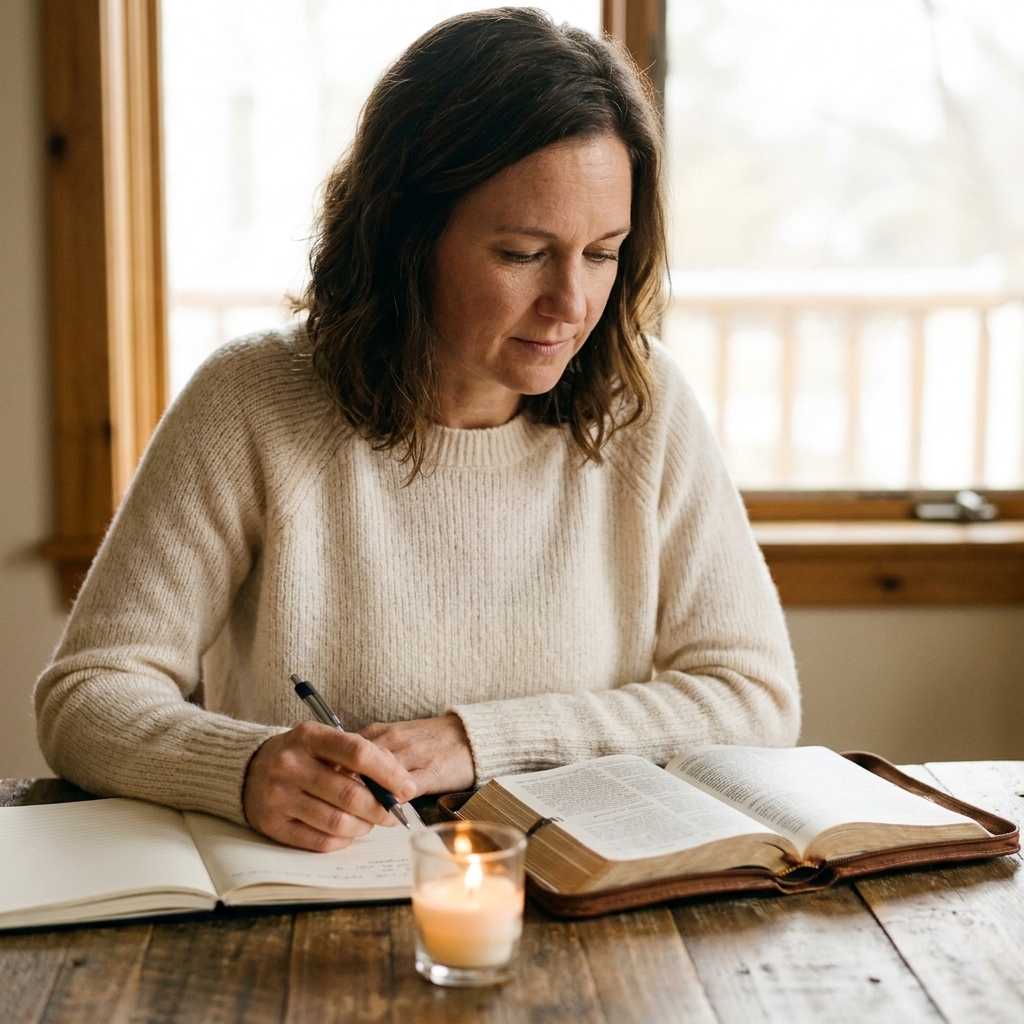
Some books feel like they were written with a locked door between you and the author. The sentences run long. The footnotes breed like rabbits. A single paragraph can hold four centuries of debate. If you have ever closed a theological classic and thought, I must not be smart enough for this, I want to offer a gentler truth.
Complex theological texts can end up difficult, not because the writers were trying to exclude you, but because they often prioritize precision about mysteries that do not fit neatly into everyday language. The good news is that “getting it” is less about brilliance and more about practice. Here are eight ways to begin reading dense theology and philosophy with steadier footing and a softer heart.

1) Start with the context
Before you wrestle with what a text says, spend ten minutes learning why it was written and what world it came from. A little context can turn an opaque argument into a human conversation.
What to look up in 10 minutes
- Who wrote it and what community they belonged to
- When it was written and what major events shaped that era
- What problem the author was responding to, such as heresy debates, colonial upheaval, scientific change, or a pastoral crisis
- What kind of text it is: sermon, commentary, polemic, meditation, lecture, letters
This matters because theology is rarely written in a vacuum. A treatise on grace, for example, may be less about abstract ideas and more about wounded people, contested authority, or an anxious church trying to make sense of suffering.
2) Read for the question
Dense writing often becomes readable when you identify the driving question. Many classic works are essentially one long attempt to respond to a few pressing concerns.
A simple practice
At the top of your notes, write: “The author is trying to answer…” Then take a guess. You can revise later.
- “What does it mean to say God is good when the world is not?”
- “How do divine freedom and human freedom relate?”
- “What is the purpose of prayer if God already knows?”
- “How should a community live faithfully under pressure?”
When you read with a question in hand, you stop drowning in details and start tracking the current.
3) Make friends with key terms
Theological and philosophical works often hinge on a small handful of terms used in very specific ways. If you define those terms clearly, the whole page relaxes.
Build a working glossary
- Choose 5 to 10 recurring words and define them in your own language.
- Note whether the author means something different than modern everyday usage.
- Keep your definitions flexible. Let them mature as you read.
Words like substance, nature, spirit, law, salvation, enlightenment, or emptiness can carry technical meanings that shift across traditions and centuries. A dictionary can help, but a good glossary is built by watching how the author actually uses the term.
A tiny example
If an author keeps using the word nature, your first draft might be: “what something is.” Later you might refine it to: “what something is in itself, not just what it does,” or “the shared essence of a kind.” Let the text teach you its own vocabulary.

4) Choose a good edition
Sometimes the difficulty is not you or the author. It is the edition.
What to look for
- A respected translation for your tradition or academic setting. When in doubt, compare two translations of the same short passage and see which one reads more clearly without feeling thin.
- Helpful notes that explain references and define technical terms, without turning the book into a second book.
- An introduction that gives you the lay of the land: themes, structure, historical setting, and why the work matters.
- A shorter on-ramp if the original is extremely technical, such as curated excerpts or a reputable abridgment.
If you have been “failing” at a classic, try a different translation before you blame your mind.
5) Read slowly in small doses
We often approach difficult texts like a treadmill: faster, longer, more. But complex theology is more like steep trail hiking. Slow is not failure. Slow is what the terrain requires.
Try a three-pass read
- Pass 1: Skim the section to see the shape of the argument.
- Pass 2: Read carefully, sentence by sentence, marking what you do not understand.
- Pass 3: Read a few lines out loud and paraphrase them in your own words.
Reading aloud reveals where the logic bends. It also helps when translations feel stiff. Many theological classics were meant to be heard in community settings, whether lectured, preached, chanted, or debated, though some were also written for quiet study. Your voice can still be a bridge.
A simple marking system
- ? = I do not understand this yet
- * = likely thesis or key claim
- → = implication or “so what”
- Def = term needs a glossary entry
6) Map the argument
When a paragraph feels impenetrable, it is often because you are trying to hold the whole structure in your mind at once. Instead, externalize it.
A simple mapping template
- Claim: What is the author asserting?
- Reason: Why do they think it is true?
- Support: What sources are they using: scripture, tradition, logic, experience?
- Objection: What counterargument do they anticipate?
- Response: How do they answer it?
A mini example
Claim: Prayer changes the person who prays.
Reason: Because it trains attention and desire toward the good.
Objection: If God already knows, why ask?
Response: Asking is not informing God, it is forming us.
This is especially helpful with scholastic writing, classical philosophy, and any text that uses formal disputation. You are not just reading sentences. You are following an argument through time.
7) Use companions wisely
There is a quiet myth that “real” reading means doing it alone. In most religious traditions, sacred and theological texts are often read with companions: teachers, elders, communities, and commentaries. Solitary reading has its place too, but you do not have to make this harder than it already is.
How to choose helpful supports
- Start with one reliable guide, not five. Too many voices can blur the original text.
- Decide when to consult it. If you tend to lean on helpers too quickly, read the primary text first, then check the guide. If you tend to get lost and quit, skim a short overview first, then return to the text.
- Prefer companions that quote the primary text and stay close to it.
- Seek a diversity of perspectives if the text has been used to harm. A single tradition of interpretation can be both a gift and a limitation.
If you can, read with another person, even casually. A friend who asks, “What do you think that meant?” can do more for understanding than another hour of solitary struggle.

8) Move toward practice
Theology is not only an intellectual exercise, even when it is intensely intellectual. Many of these texts were written in the hope that truth would shape a life.
Three questions to bring it home
- What is the text revealing about God, reality, or the human heart?
- What is it asking me to notice in myself?
- What would change in my daily life if this were true?
Some readers pray before they read. Others sit in silence afterward. In Buddhist contexts, you might pause for mindful breathing and let the concepts settle in the body, not just the mind. In Jewish study, you might wrestle with the text, argue with it, and let the wrestling itself be devotion. Different practices, same humility: we are not consuming a text. We are letting it work on us.
If a page leaves you more compassionate, more honest, or more awake, you have understood something essential, even if a few sentences still resist you.
Troubleshooting
If you keep rereading one paragraph
- Stop and paraphrase each sentence in plain language.
- Identify the single key term that is doing the most work.
- Skip ahead one page to see where the author is going, then come back.
If the text feels spiritually cold
- Ask what problem the author was trying to heal or protect against.
- Pair it with a devotional or poetic text from the same tradition.
- Read one page, then practice one small act of compassion that day.
If the text triggers anger or grief
- Name what is happening in you without shame.
- Seek a wider interpretive community, especially voices that have been marginalized.
- Give yourself permission to pause. Not every book is safe for every season.
Closing
Complex theological texts can be frustrating, yes, but they can also be unexpectedly intimate. When you slow down, define your terms, map the argument, choose a good edition, and let the ideas touch real life, a difficult book becomes something else: a long conversation with a sincere seeker from another time and place.
Choose one text you have been avoiding. Set a small goal, like two pages with notes. Bring patience, a pencil, and a little compassion for yourself. The door is not locked. It just opens slowly.