I first met Martin Luther as a teenager in a crowded bookshelf moment, wedged between a hymnbook and a battered world history text. In my multi-faith home, we were used to holding differences without panic, but Luther’s story felt uniquely combustible: a sincere, anxious monk whose questions did not stay safely inside a monastery.
Luther was not a modern celebrity or a one-note rebel. He was a late medieval Christian shaped by fear of judgment, love of Scripture, and the intense politics of the Holy Roman Empire. His life includes the famous episodes people remember, like the 95 Theses and the Diet of Worms, but also quieter turning points: teaching students, translating the Bible into German, building a household with a former nun, and, in later years, writing words that still trouble readers today.
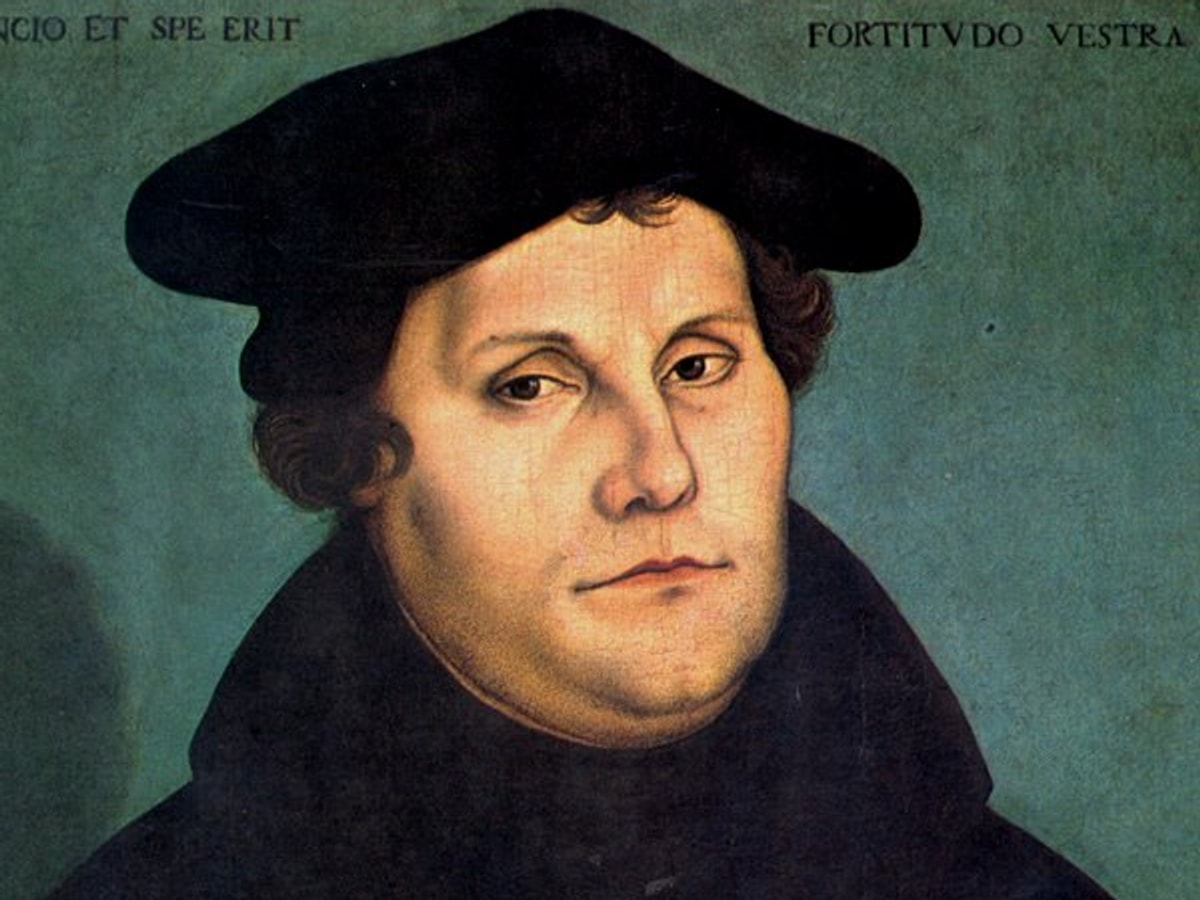
Luther in his world
Martin Luther was born in 1483 in Eisleben, in what is now Germany. He lived at the edge of the medieval and early modern worlds: a time of deep popular piety, fear of purgatory, local devotion to saints and relics, and a Church that was both a spiritual authority and a major political and economic institution.
Europe was also changing rapidly. Universities were producing new scholarship. The printing press made ideas travel faster than bishops could contain. Princes, popes, and emperors competed for power. Luther’s life cannot be separated from that world, because his theology became public conflict, and public conflict became history.
From law student to monk
Luther’s father wanted him to study law, and Luther enrolled at the University of Erfurt, earning a master’s degree. But in 1505, after a frightening incident during a thunderstorm, Luther vowed to become a monk. He entered the Augustinian order, a decision that would shape everything that followed.
In the monastery, Luther pursued holiness with fierce intensity: prayer, fasting, confession, and meticulous self-examination. He later described being tormented by the question of how a sinful person could stand before a righteous God. This was not academic curiosity for him. It was spiritual dread.
He was ordained a priest in 1507. Not long after, his superiors recognized his intellectual gifts and steered him toward university work, setting the stage for his role as professor and public theologian.
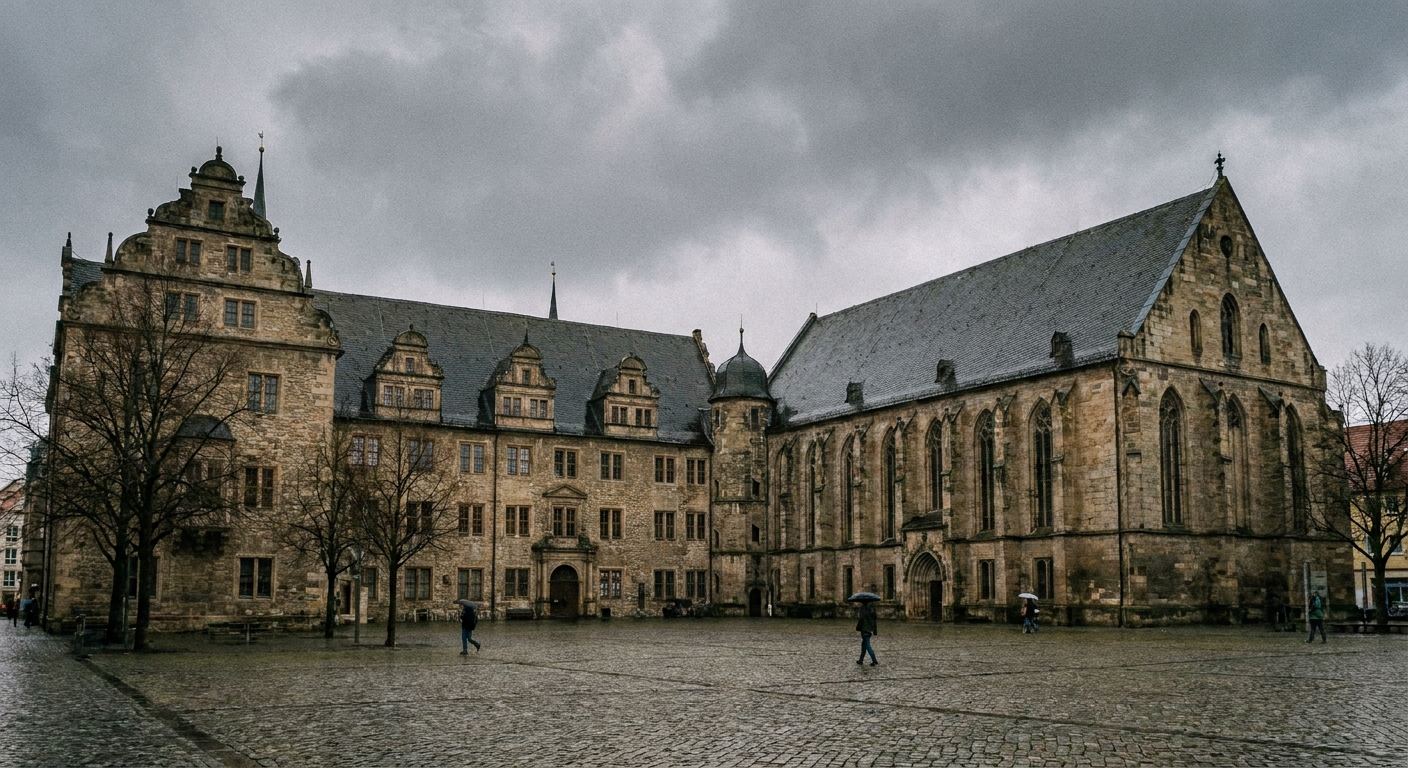
Professor at Wittenberg
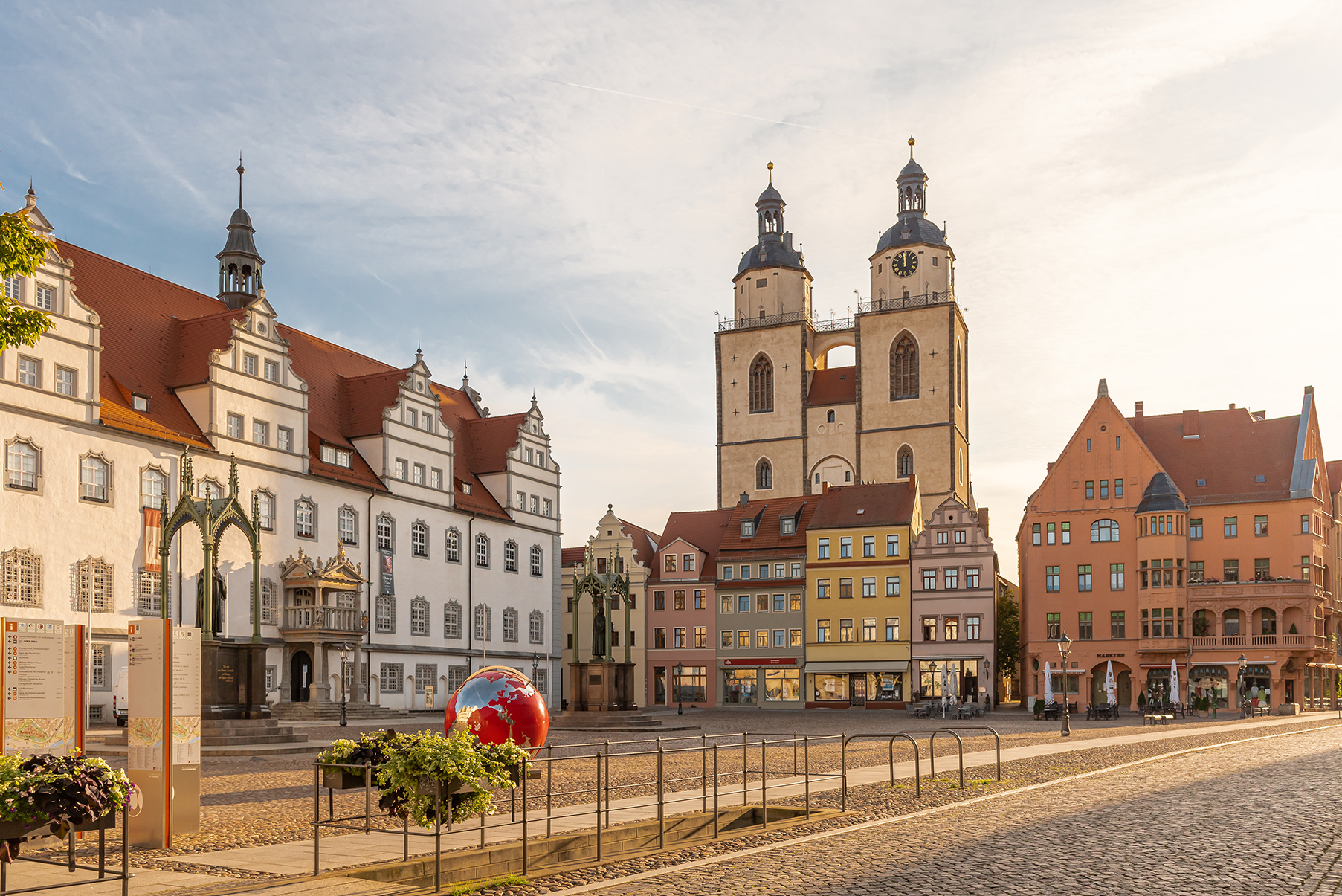
In 1508, Luther began teaching at the University of Wittenberg. He earned a doctorate in theology in 1512 and became a professor of biblical studies. His lectures on Psalms, Romans, Galatians, and Hebrews pressed him deeper into Scripture’s language about grace, faith, and God’s initiative in salvation.
Over time, Luther became convinced that many Christians, including many clergy, had come to treat salvation as something that could be managed through spiritual transactions rather than received as a gift. The indulgence and penance system could easily be heard, especially by anxious ordinary people, as a kind of spiritual economy: debts measured, payments offered, receipts implied. This conviction did not make him anti-Christian or anti-Church in his own mind. Early on, he saw himself as calling the Church back to the gospel.
Historians often point to Luther’s developing understanding of “justification” as central: the idea that people are made right with God not by accumulating merits, but by trusting in God’s promise in Christ. Luther’s emphasis is one reason later Protestants would summarize their convictions with phrases like “faith alone” and “grace alone.” Luther did not invent the words “Five Solas”, but his work helped set the stage for the Reformation slogans that came after him.
Indulgences and the 95 Theses
The flashpoint most people know about is indulgences. In late medieval Catholic practice, an indulgence was connected to the Church’s teaching about penance and the remission of temporal punishment for sin. In theory, indulgences were tied to repentance and spiritual restoration. In practice, indulgence preaching could sound like a shortcut around genuine contrition, especially when money entered the picture.
In 1517, Johann Tetzel, a Dominican friar, preached a major indulgence campaign tied to the Archdiocese of Mainz and fundraising arrangements that reached into neighboring territories. Frederick the Wise barred Tetzel from Saxony, but people could and did travel to purchase indulgences elsewhere. Luther was alarmed by what he believed was pastoral harm: people gaining false assurance, treating forgiveness as purchasable.
An episode inside the life: the 95 Theses (1517)
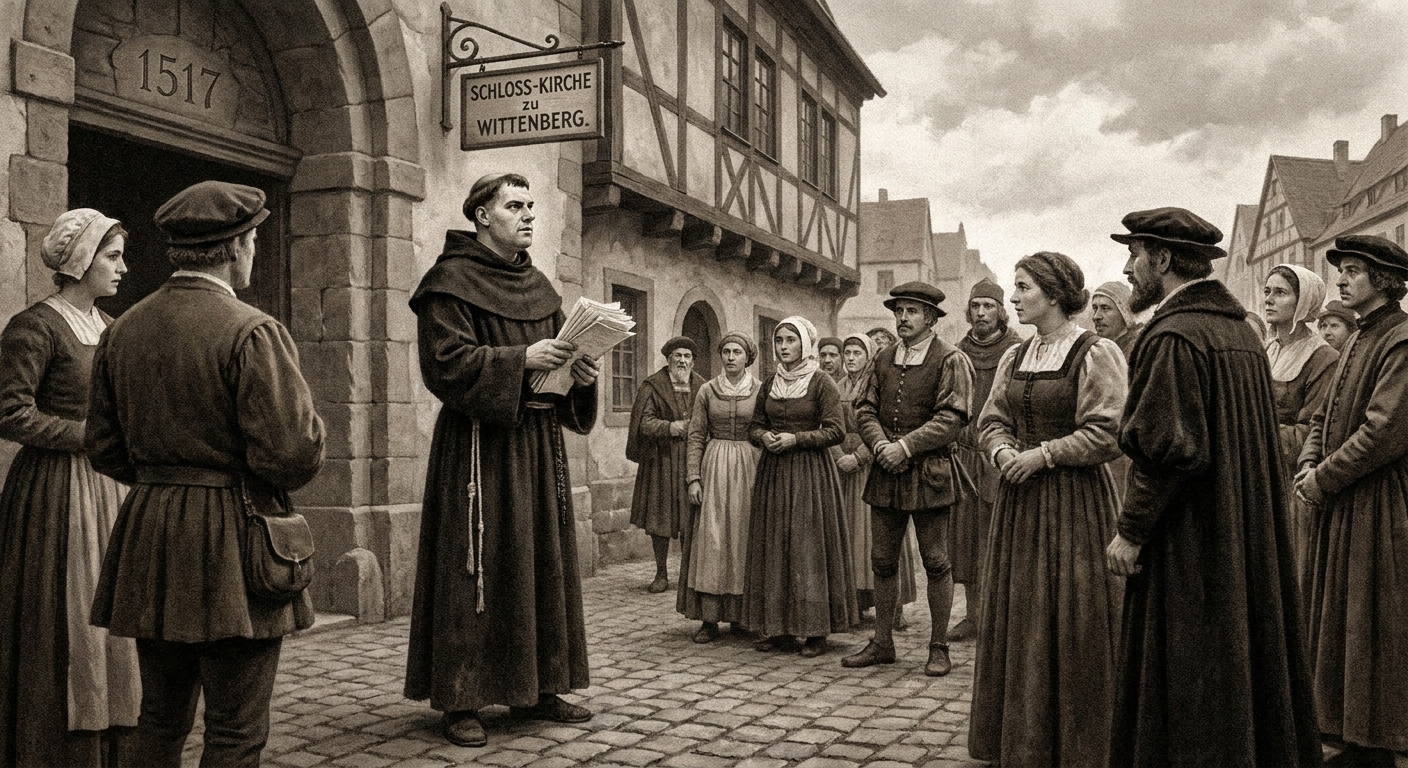
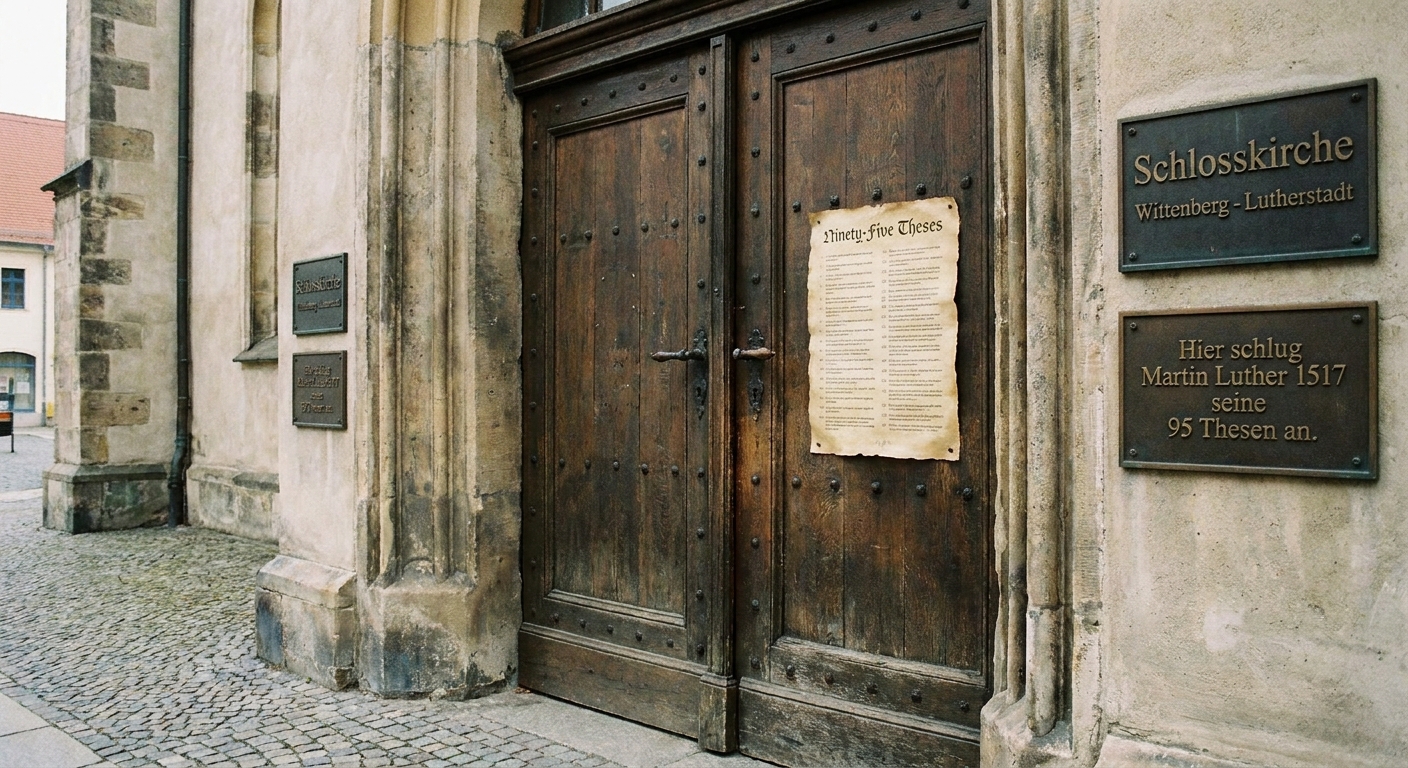
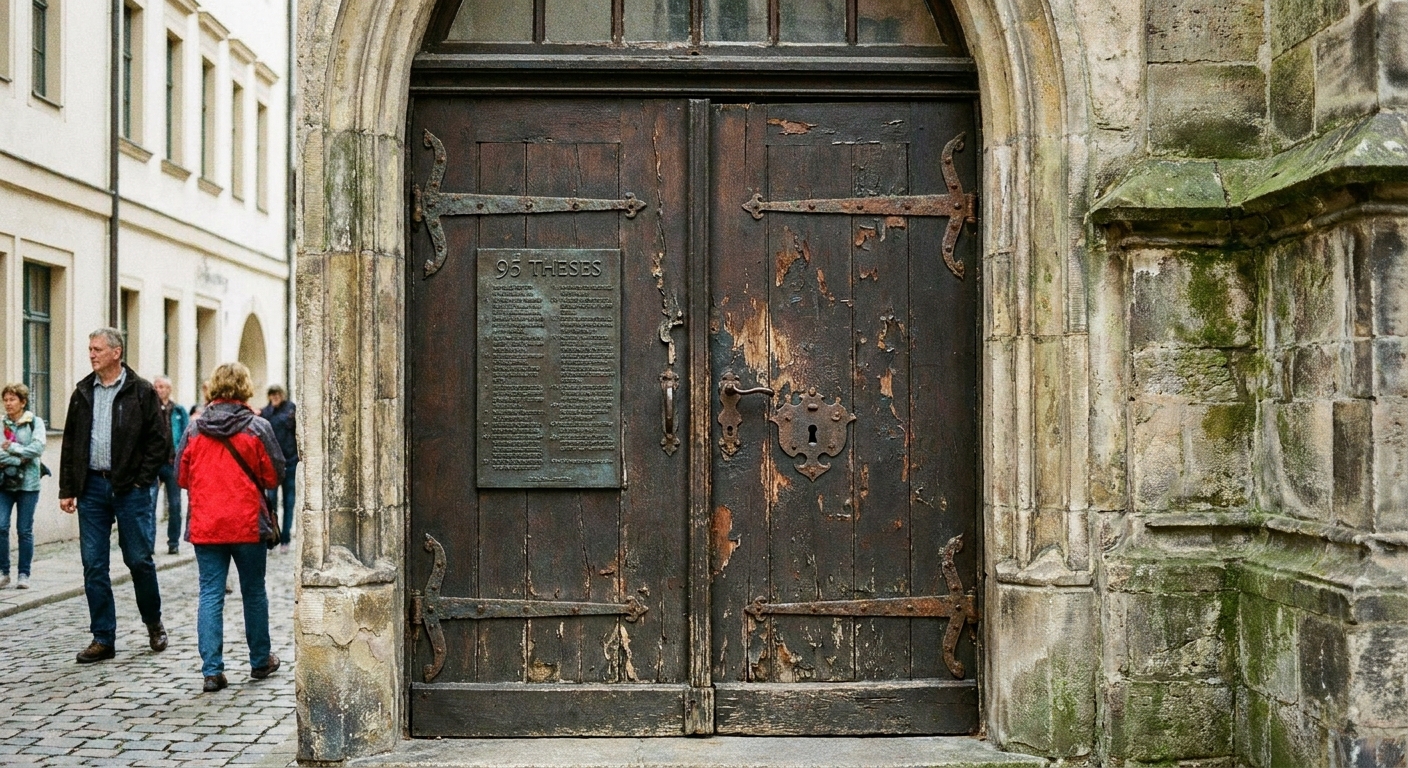
On October 31, 1517, Luther circulated his “Disputation on the Power and Efficacy of Indulgences,” later known as the 95 Theses. Whether he physically nailed them to a church door in Wittenberg is debated, but the larger point is not: the theses quickly moved beyond an academic invitation to debate. They were translated, printed, and spread widely.
The 95 Theses criticize abuse and misunderstanding. They also reveal Luther in transition: still speaking within Catholic categories at points, but already insisting that repentance is a whole-life turning, not a fee paid to quiet the conscience.
Debates and a widening break
Once Luther’s critique went public, responses came swiftly. Church officials investigated him. He debated other theologians. The conflict expanded from indulgences to broader questions: papal authority, councils, Scripture’s role in doctrine, and what it means to be the Church.
By 1520, Luther published major works that pushed the conflict into open rupture. He argued that Scripture should stand above church tradition when the two conflict, and he attacked what he saw as the captivity of the gospel under systems that turned grace into a managed transaction.
Rome responded. In 1520, Pope Leo X issued the bull Exsurge Domine, condemning a set of propositions drawn from Luther’s writings and warning him to recant within a set time. Luther refused. The dispute had moved from internal reform critique to a public confrontation over authority.
Worms and outlawry
In January 1521, Luther was excommunicated. That same year he was called before the imperial assembly at Worms, a gathering of political and religious leaders of the Holy Roman Empire under Emperor Charles V.
An episode inside the life: the Diet of Worms (1521)
At the Diet of Worms, Luther was asked to retract his writings. His stand, later summarized by the famous words “Here I stand, I can do no other,” has become iconic. The exact phrasing is disputed, but the historical core remains: Luther refused to recant unless convinced by Scripture and clear reason. He did not see himself as choosing independence for its own sake. He believed conscience was bound to God’s Word.
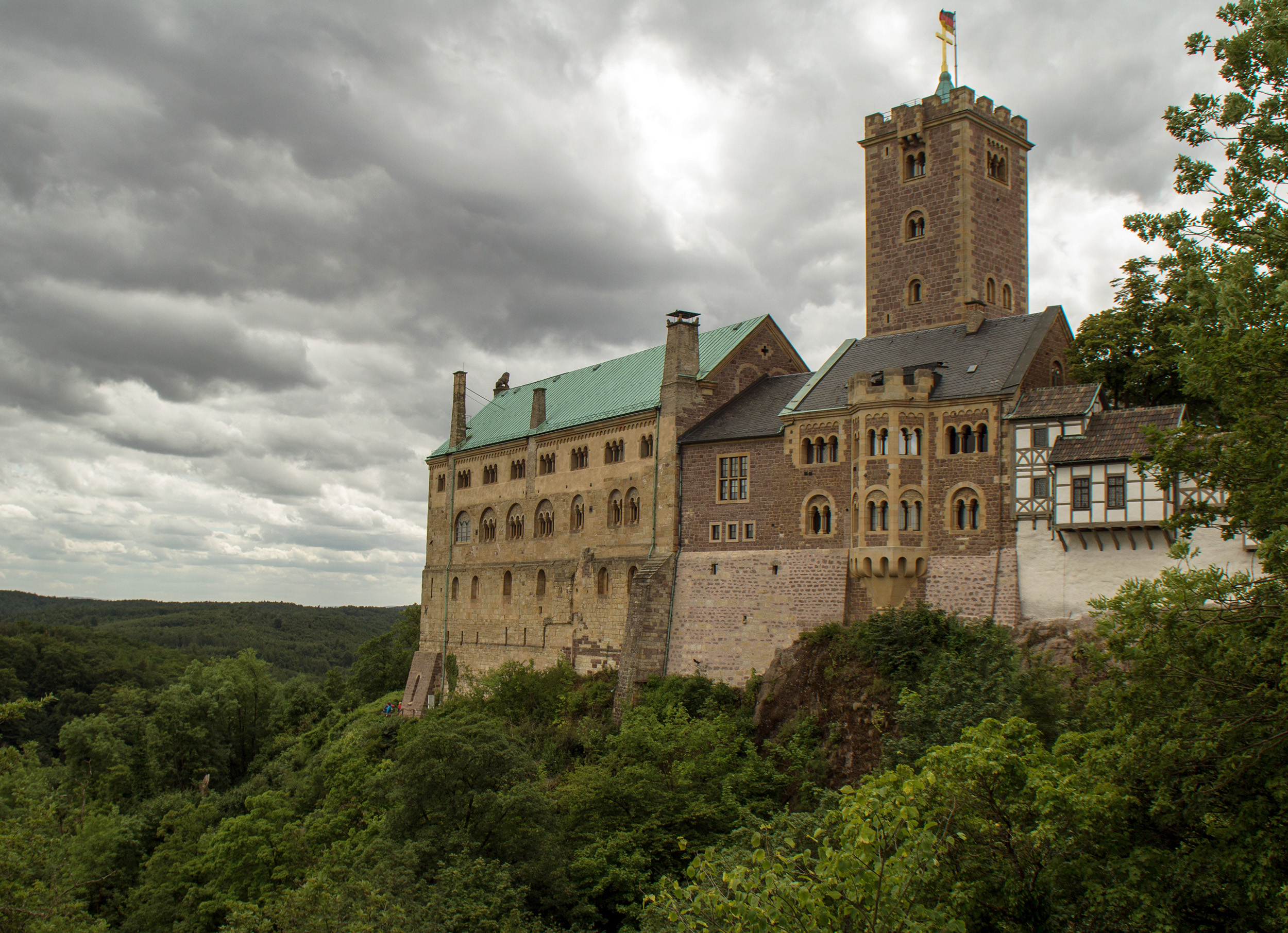
The result was the Edict of Worms, an imperial ban that made him an outlaw. Friends and protectors helped him. Frederick the Wise, Elector of Saxony, arranged for Luther to be taken into protective custody at Wartburg Castle.
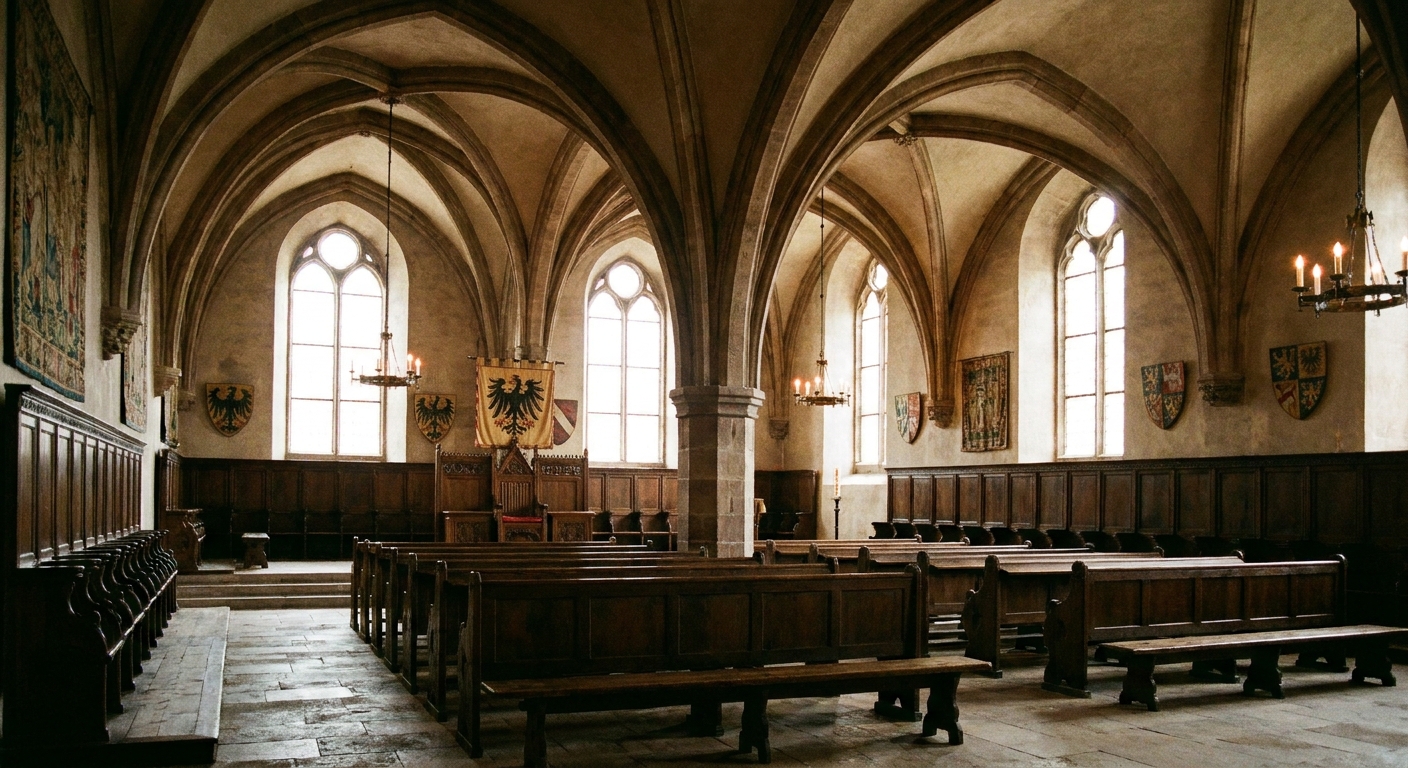
Wartburg and Bible translation
Luther spent months in seclusion at Wartburg Castle in 1521 and 1522. This “captivity” proved extraordinarily productive. Among other writings, he translated the New Testament from Greek into German, a version published in September 1522.
This translation mattered for more than private devotion. It helped shape the German language and gave ordinary people access to Scripture in their own tongue. Luther’s German was vivid, earthy, and shaped by how people actually spoke. The translation was later expanded into a full Bible with collaborators.
Printing made this work widely available. For supporters, it was a gift. For critics, it was dangerous: Scripture interpreted outside official structures could become a wildfire of competing claims. Both were true.
Reform in motion
When Luther returned to Wittenberg in 1522, the Reformation there was already moving, sometimes in directions he considered reckless. Luther supported reform, but he also preached against forced or violent change. He wanted reforms grounded in teaching and persuasion.
As the movement grew, it became entangled with political power. Local rulers decided whether to protect reformers, enforce old church structures, or choose some combination of both. Luther’s work was theological, but it unfolded within the choices of princes, city councils, and imperial pressures.
Luther also developed distinctive teachings that shaped Protestant life: emphasis on preaching, congregational song, and a rethinking of vocation. For Luther, ordinary work could be holy service, not just monastery prayer. The spiritual life moved from cloister to kitchen, workshop, and field.
Katharina von Bora
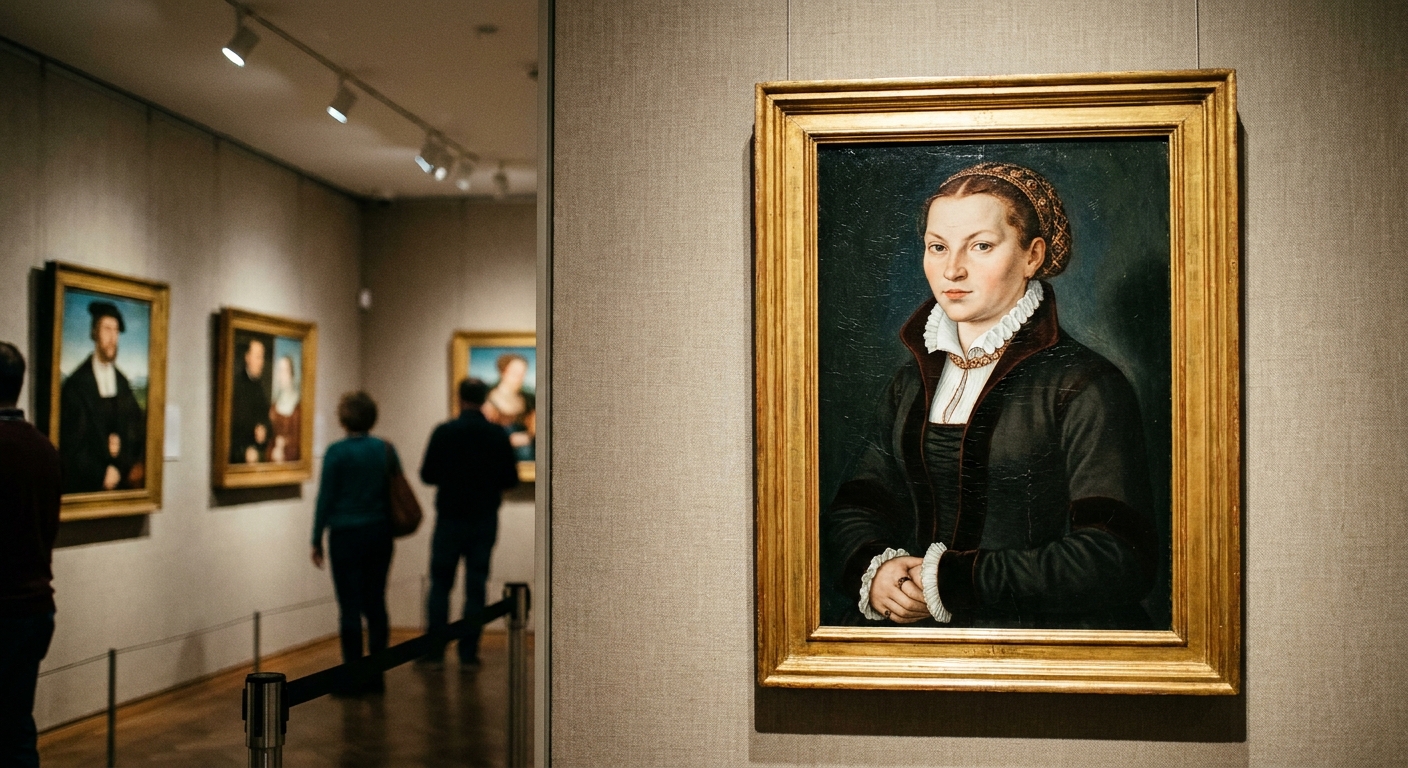
Luther’s own life embodied this shift. In 1525, he married Katharina von Bora, a former nun who had left her convent. Their marriage was both personal and symbolic. It challenged clerical celibacy and modeled a new kind of household for Protestant clergy.
Katharina was not a supporting character with a quiet smile. She managed their home, property, and finances, hosted students and guests, and built stability around Luther’s public work. Their “Black Cloister” in Wittenberg became a hub of conversation, meals, and theological exchange.
They had children and also cared for others. Luther’s writings include affectionate, sometimes playful references to family life, and also grief, including the death of their daughter Magdalena in 1542.
“A Mighty Fortress”
Luther wanted worship to be participatory and deeply rooted in theology. Music became one of his tools for teaching and comfort. He wrote hymns and encouraged congregational singing.
An episode inside the life: “A Mighty Fortress Is Our God”
His best-known hymn, “A Mighty Fortress Is Our God” (German: Ein feste Burg ist unser Gott), is often associated with Psalm 46. Scholars debate its precise date and original context, but it belongs to Luther’s mature years as a reformer. The hymn’s power is not only poetic. It is pastoral: a sung declaration that God is refuge amid spiritual struggle and social upheaval.
In many Protestant traditions, the hymn became an anthem of identity. Like much of Luther’s legacy, its later use has ranged from sincere devotion to political symbolism. The hymn is best understood first as a theologian’s attempt to put courage into the lungs of ordinary worshipers.
Later controversies
It is tempting to end Luther’s life story at the heroic moments: the bold refusal at Worms, the Bible translation, the hymns. But Luther lived long enough to become a complicated elder of a movement he helped ignite.
The Peasants’ War
In 1524 and 1525, unrest among peasants erupted into widespread conflict, often called the German Peasants’ War. Many peasants appealed to Christian language and, at times, to Luther’s teachings as support for grievances against oppressive structures.
Luther condemned the injustices peasants suffered, but he also strongly opposed the rebellion once it turned violent. In the most infamous stretch of his response, including the tract often translated as Against the Robbing and Murdering Hordes of Peasants, he used harsh language and urged authorities to restore order. Historians and theologians continue to debate his responsibility and the moral shape of his counsel in a time of chaos.
Struggles over reform direction
Luther did not agree with all reformers. He debated other Protestant leaders, especially over the Lord’s Supper, where he insisted on a real presence of Christ in the sacrament and resisted symbolic-only interpretations. These disputes remind us that “the Reformation” was never one unified program.
Anti-Jewish writings
One of the most painful parts of Luther’s later years is his anti-Jewish writing. Early in his career, he argued against mistreatment of Jews, hoping, wrongly and arrogantly, that they would convert if the gospel were preached without what he saw as Catholic distortions. In later years, he wrote violently hostile works against Jews, urging repression.
These texts are not a footnote. They are a grave moral failure with real historical consequences, including later appropriation by anti-Semitic movements. To tell the truth about Luther is to hold both realities: his theological influence and his capacity for destructive speech. Responsible remembering does not excuse, minimize, or use his sins as a weapon. It names them plainly.
Death and impact
Luther died in 1546 in Eisleben, the town of his birth. By then, the movement associated with him had reshaped large parts of Europe. New church structures had formed. Confessions of faith were being written, including the Augsburg Confession of 1530, which helped define the emerging Lutheran tradition. Political alliances were hardening.
The Reformation did not end with Luther, but his fingerprints remained everywhere: in preaching-centered worship, in vernacular Scripture, in debates over authority, and in the enduring Protestant insistence that salvation is gift rather than wage.
If you are looking for a single sentence to summarize him, I would offer this: Martin Luther was a monk and professor whose struggle for a merciful God became a public argument about the Church, and that argument changed the world.
Quick timeline
- 1483: Born in Eisleben.
- 1505: Enters the Augustinian monastery.
- 1507: Ordained a priest.
- 1512: Doctorate in theology; professor at Wittenberg.
- 1517: Circulates the 95 Theses amid the indulgence controversy.
- 1521: Excommunicated; appears at the Diet of Worms; outlawed under the Edict of Worms; taken to Wartburg.
- 1522: Publishes German New Testament translation.
- 1525: Marries Katharina von Bora.
- 1530: Augsburg Confession presented.
- 1546: Dies in Eisleben.
FAQ
Was Martin Luther Catholic?
Yes. Luther was a Catholic monk, priest, and professor. He did not begin with the goal of founding a new church. Over time, conflict over doctrine and authority led to a break with Rome and the emergence of Lutheran and other Protestant traditions.
Did Luther start the Protestant Reformation?
He is often described that way, and his actions in 1517 and beyond were catalytic. Historically, the Reformation had multiple streams and causes, but Luther’s role was central in the German lands and far beyond.
What did Luther believe about salvation?
In broad terms, Luther emphasized that people are justified by God’s grace through faith, not by earning salvation through works. Different Christian traditions nuance this in different ways, but that core emphasis became foundational for many Protestants.
Why did Luther translate the Bible?
He believed Christians should hear Scripture in their own language and that the gospel should be accessible beyond clergy and scholars. His German translation helped shape both religious life and the German language itself.
What is the significance of the Diet of Worms?
It was the moment Luther publicly refused to recant before imperial and church authorities, insisting he could not go against conscience bound to Scripture. It made him an outlaw under the Edict of Worms and solidified the break between Luther and the institutions demanding submission.