Why this hymn endures
“O Come, O Come, Emmanuel” is one of those Advent hymns that feels older than most of the songs around it. It is spare, minor-key, and insistent, like a prayer that has been prayed so many times it has worn a path in the floor. Its staying power comes from two deep roots: a set of early medieval texts known as the “O Antiphons,” and a later hymn that gathered those texts into a single song for ordinary worshipers.
The O Antiphons
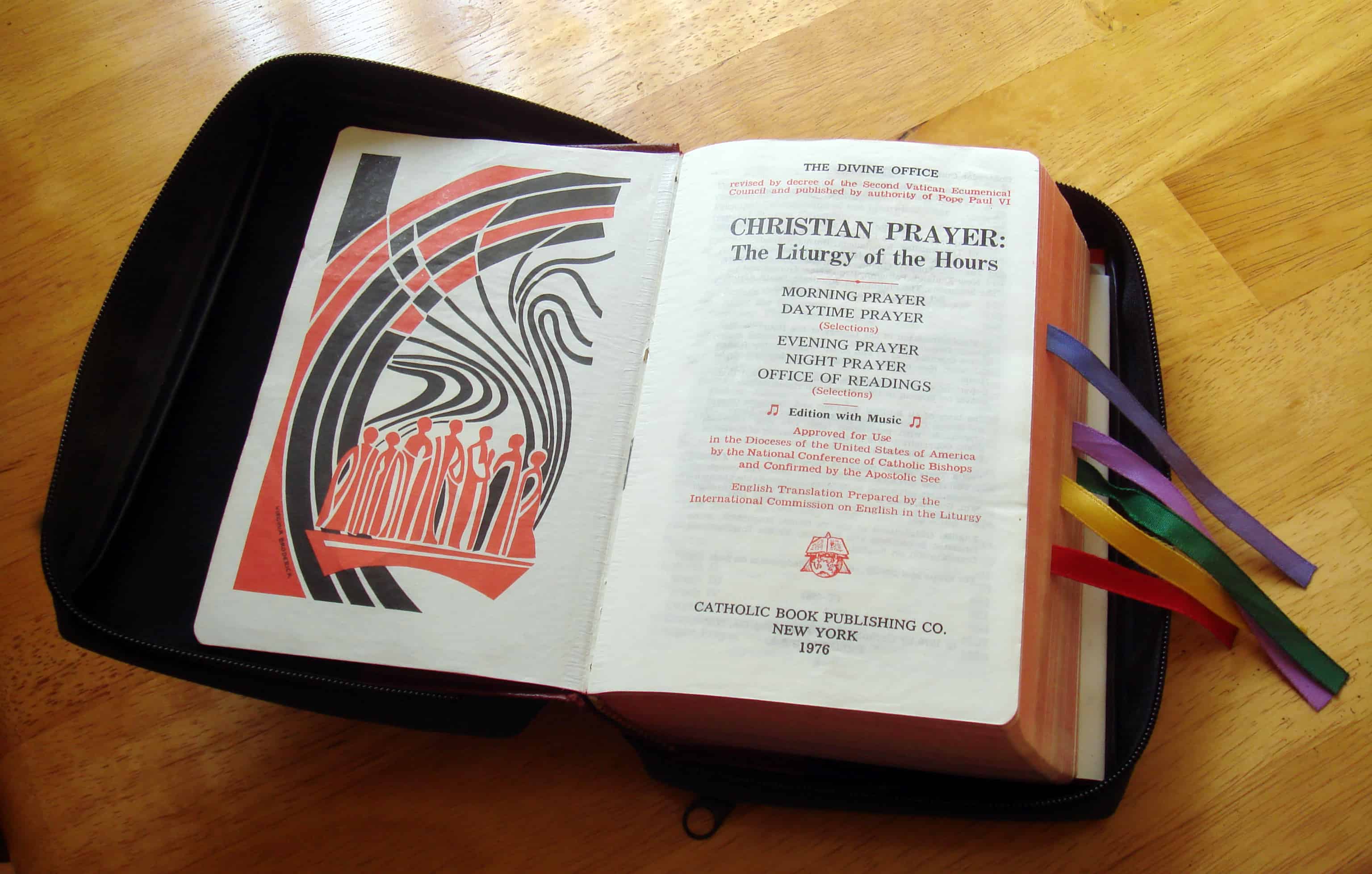
The story begins not with a hymnal, but with the daily rhythm of the church’s evening prayer. In the final days of Advent, the Western church traditionally sings or recites seven short refrains before the Magnificat. Each one starts with the exclamation “O” and addresses the promised Messiah by a different biblical title, drawing especially from Isaiah.
These are commonly listed as:
- O Sapientia (O Wisdom)
- O Adonai (O Lord)
- O Radix Jesse (O Root of Jesse)
- O Clavis David (O Key of David)
- O Oriens (O Dayspring, or Rising Dawn)
- O Rex Gentium (O King of Nations)
- O Emmanuel (O God-with-us)
These antiphons are ancient. They are clearly attested by the 8th century, and they almost certainly reflect even older patterns of praying Scripture as Christmas approaches. What matters for the hymn is not a single “author” as much as a long tradition of praying with a particular urgency: Come. Deliver. Ransom. Set us free.
From antiphons to hymn
Centuries later, those antiphons were gathered and paraphrased into a Latin hymn commonly known by its opening line, Veni, veni, Emmanuel. The text’s trail is a little complicated. It is medieval in origin and often dated, in later sources, to around the 12th century. Much of what we can point to with confidence comes through later compilations and printings that preserved and reshaped the material for wider use.
However you map its textual history, the logic of the hymn is clear: each stanza takes up one of the antiphon titles and turns it into a petition. In summary, the stanzas ask:
- Emmanuel: come and ransom captive Israel
- Wisdom: come and teach us the way of prudence
- Lord: come with might, and bring the law and rescue
- Root of Jesse: come and free your people from the tyrant’s hand
- Key of David: come and open what is shut, and set prisoners free
- Dayspring: come and cheer our spirits, and scatter the clouds of night
- King of Nations: come and bind hearts in peace
The refrain most of us know, “Rejoice! Rejoice! Emmanuel shall come to thee, O Israel,” captures the tension Advent does so well: longing and hope held at the same time.
If your memory does not include all seven titles, you are not imagining things. Hymnals vary in which stanzas they include, and in what order. Some traditions also add or omit lines as editors adapt the hymn for congregational singing.
The tune
The melody associated with “O Come, O Come, Emmanuel” is often called Veni Emmanuel. It is frequently traced to a 15th-century French Franciscan processional, later brought into the world of English hymnody in the 19th century. That move matters: a melody shaped for procession and prayer turned out to be sturdy enough for congregations, carrying the hymn’s repeated “come” like a steady footfall.
In the form most English speakers know, the tune was published and popularized by Thomas Helmore in 1851 in The Hymnal Noted, using a source he described as coming from a French missal. From there, it became the sound of Advent for countless churches.
English words
The most influential English translation is by John Mason Neale, an Anglican priest and hymn writer who had a gift for making ancient texts sing in English. Neale’s mid-1800s translation work helped place “O Come, O Come, Emmanuel” into the mainstream of English-speaking worship. Like many hymn translations, it then went through revisions, additions, and small shifts as editors shaped it for different traditions and hymnals.
ERO CRAS
There is a small piece of craft tucked inside the original antiphon cycle. If you take the initial letters of the Latin titles in reverse order, Emmanuel, Rex, Oriens, Clavis, Radix, Adonai, Sapientia, they form an acrostic: ERO CRAS, meaning “Tomorrow I will come” or “Tomorrow I will be there.” It is the kind of quiet, learned wink medieval liturgy sometimes contains: the prayers themselves point forward to the coming feast.
What it is saying
It can be tempting to treat this hymn as seasonal atmosphere, beautiful but vague. It is not vague. It is specific about captivity and sorrow, about exile and darkness, about locked doors and waiting people. It speaks in the plural, too. “Ransom captive Israel” is not only about an individual’s private spiritual mood. It is about a community that knows it cannot rescue itself.
That is why it still lands. The hymn gives voice to a longing most of us recognize, whether we name it theologically or not: the desire for the world to be put right, and for our own hearts to be steadied by something more solid than our own resolve.
Listening tip
If you want to hear the hymn’s structure, pay attention to the titles in each stanza. Each one is an address, then a petition. It is like ringing the same bell seven times, each strike catching a slightly different overtone. By the end, “Rejoice” does not erase the ache. It answers it.