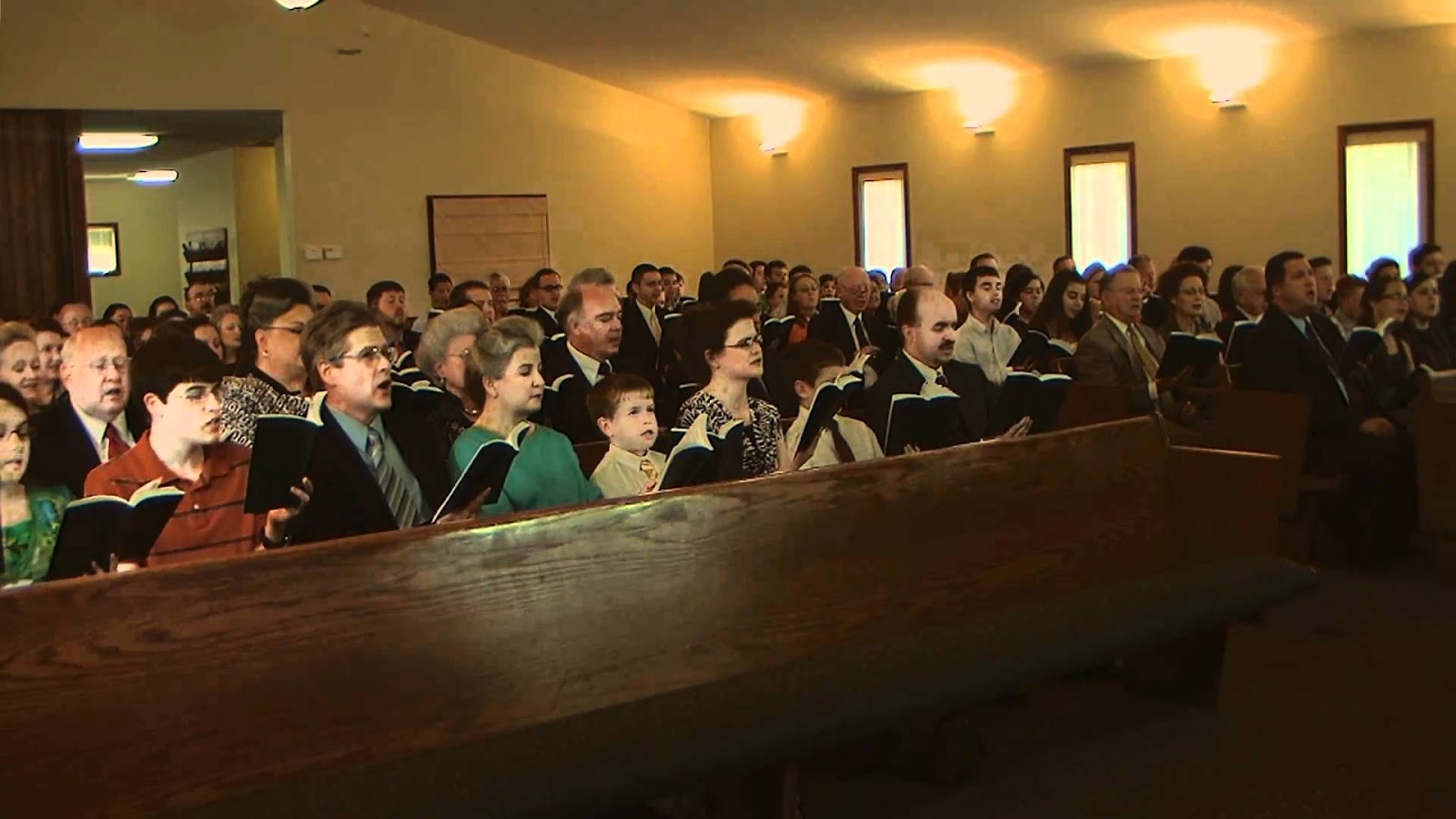
Some hymns arrive in our lives like a door we did not know was there. I have heard “Holy, Holy, Holy” in soaring cathedral acoustics, in a small seaside chapel where the windows rattled in the wind, and once in a living room where someone played it a little too fast on an out-of-tune upright piano. Every time, the hymn feels larger than the room it is sung in.
Its staying power is not an accident. The words were shaped by a pastor poet with a deep love of Scripture, and the melody that carried them into congregations has its own story of careful craft. Follow the text from Trinity Sunday roots to a tune named for an ancient creed, and you start to see why this hymn keeps finding its way back into our mouths.
Heber and Trinity Sunday
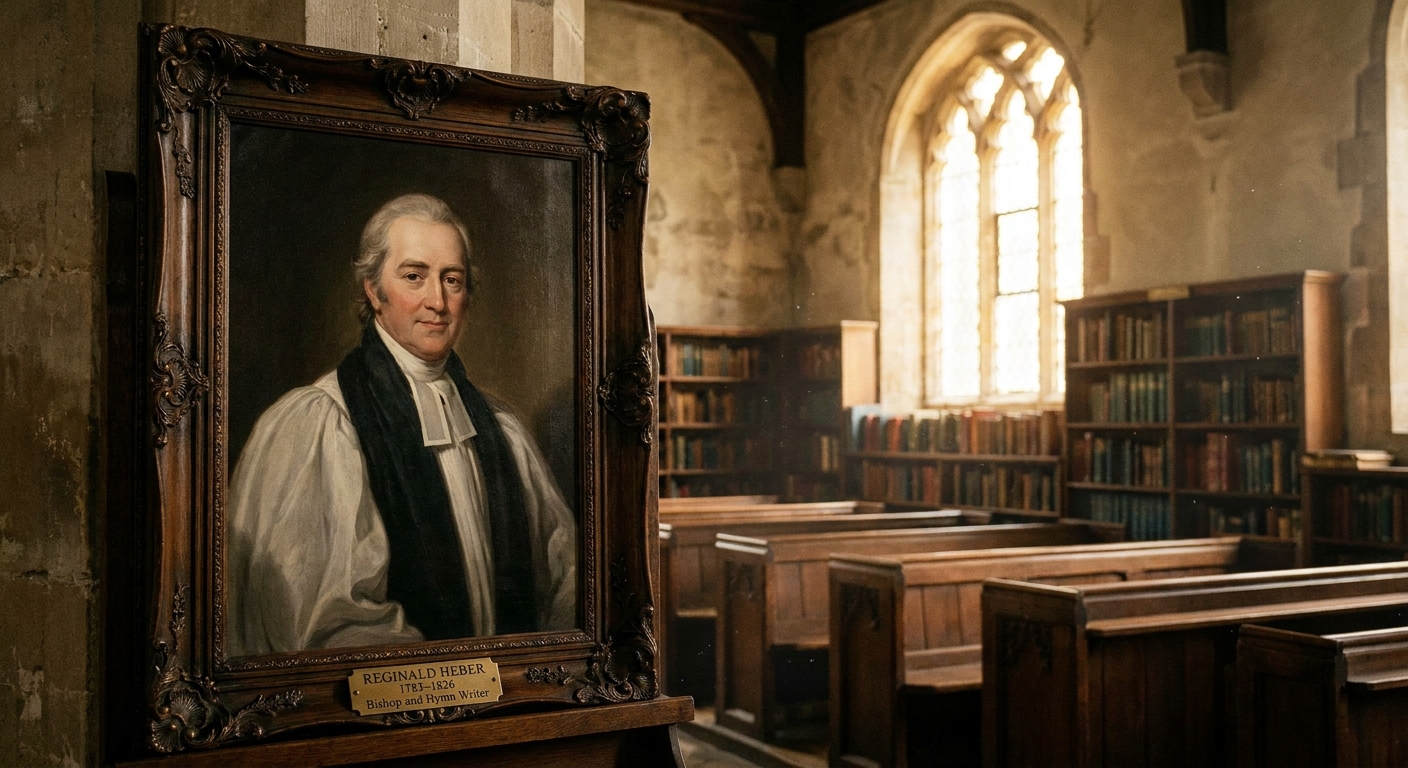
Reginald Heber (1783 to 1826) was an Anglican priest and writer known for a gift that is rare and pastoral at once: he could take complex theological language and make it singable, memorable, and humane. He is remembered not only for “Holy, Holy, Holy” but for other hymns as well, including “From Greenland’s Icy Mountains.” Later, his ministry carried him far from English parish life. He became Bishop of Calcutta, serving in India until his early death.
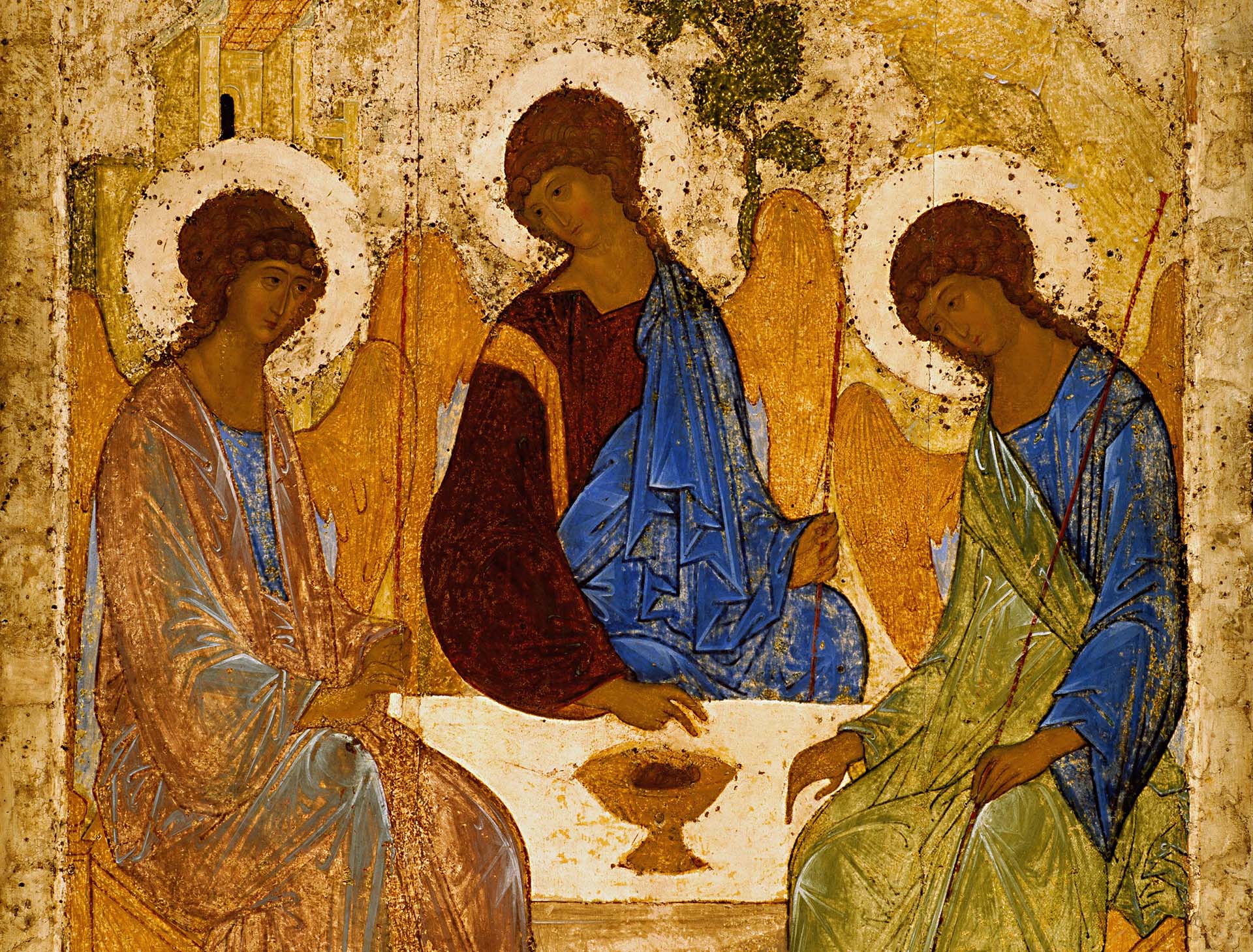
“Holy, Holy, Holy! Lord God Almighty!” is widely associated with Trinity Sunday, and hymn histories commonly describe it as written with that day in mind and published after Heber’s death. In the church year, Trinity Sunday falls on the Sunday after Pentecost, and it invites Christians to praise God’s mystery rather than solve it. That tone matters because Heber’s lyric is devotional before it is explanatory. Instead of arguing about doctrine, the hymn gives a congregation language for adoration, simple enough to sing and spacious enough to mean what it says. Even the phrase “God in three Persons, blessed Trinity” arrives as worship, not as a lecture.
Heber’s opening is strikingly direct. The hymn begins in praise, not in analysis. Morning light, singing saints, and the sweep of creation all become part of the same act: blessing the Holy One.
Scripture in the lyric
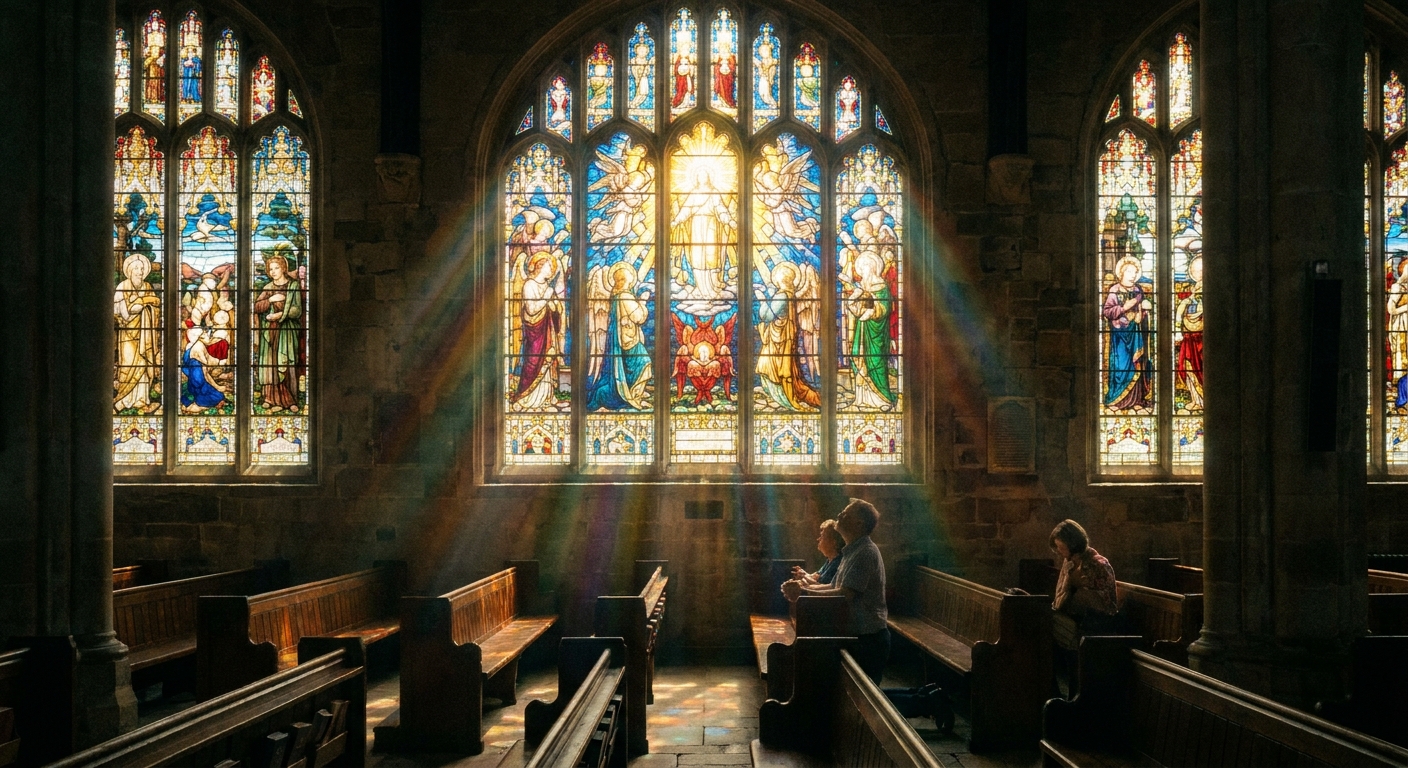
If you have ever wondered why the phrase “holy, holy, holy” feels both familiar and weighty, it is because it echoes some of the Bible’s most vivid worship scenes.
Isaiah 6
In Isaiah’s call narrative, the prophet sees the Lord high and lifted up, and hears seraphim calling to one another with a threefold cry of holiness as the earth fills with God’s glory (Isaiah 6:3, wording varies by translation). The triple holy is not a casual poetic flourish. It intensifies the word the way a bell tolling three times changes the air in a room.
Heber’s hymn borrows that sense of awe, then gently translates it into congregational speech. You do not have to be Isaiah. You can be a tired person on a Sunday morning, and still join the song.
Revelation 4
In Revelation’s vision of the heavenly throne room, living creatures praise without ceasing, naming the Lord God Almighty as the One who was, who is, and who is to come (Revelation 4:8, wording varies by translation). If Isaiah’s scene is blazing and disruptive, Revelation’s is steady and cosmic, like waves that never stop arriving.
That combination, Isaiah’s shock and Revelation’s ongoing praise, helps explain why “Holy, Holy, Holy” can feel both stirring and settling. It is awe you can live inside.
Dykes and the tune
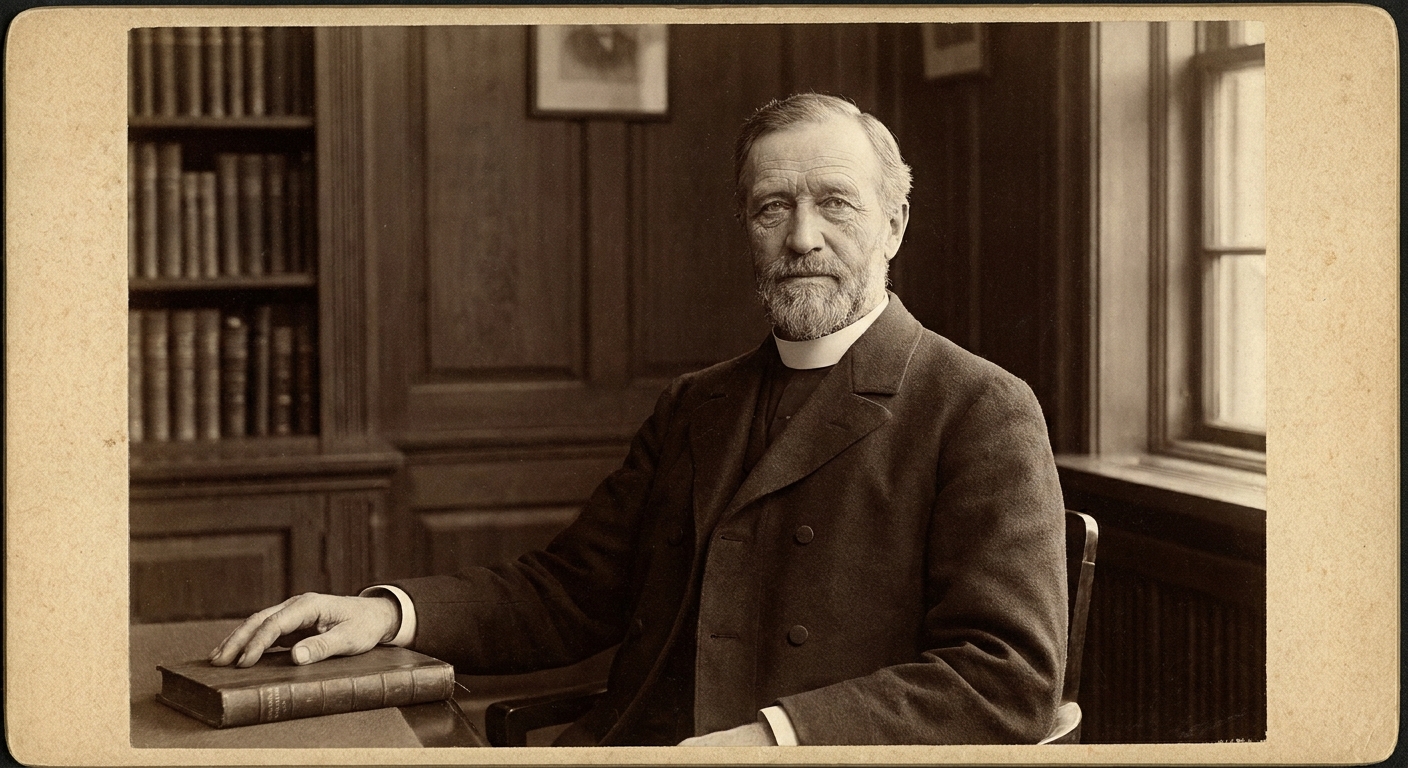
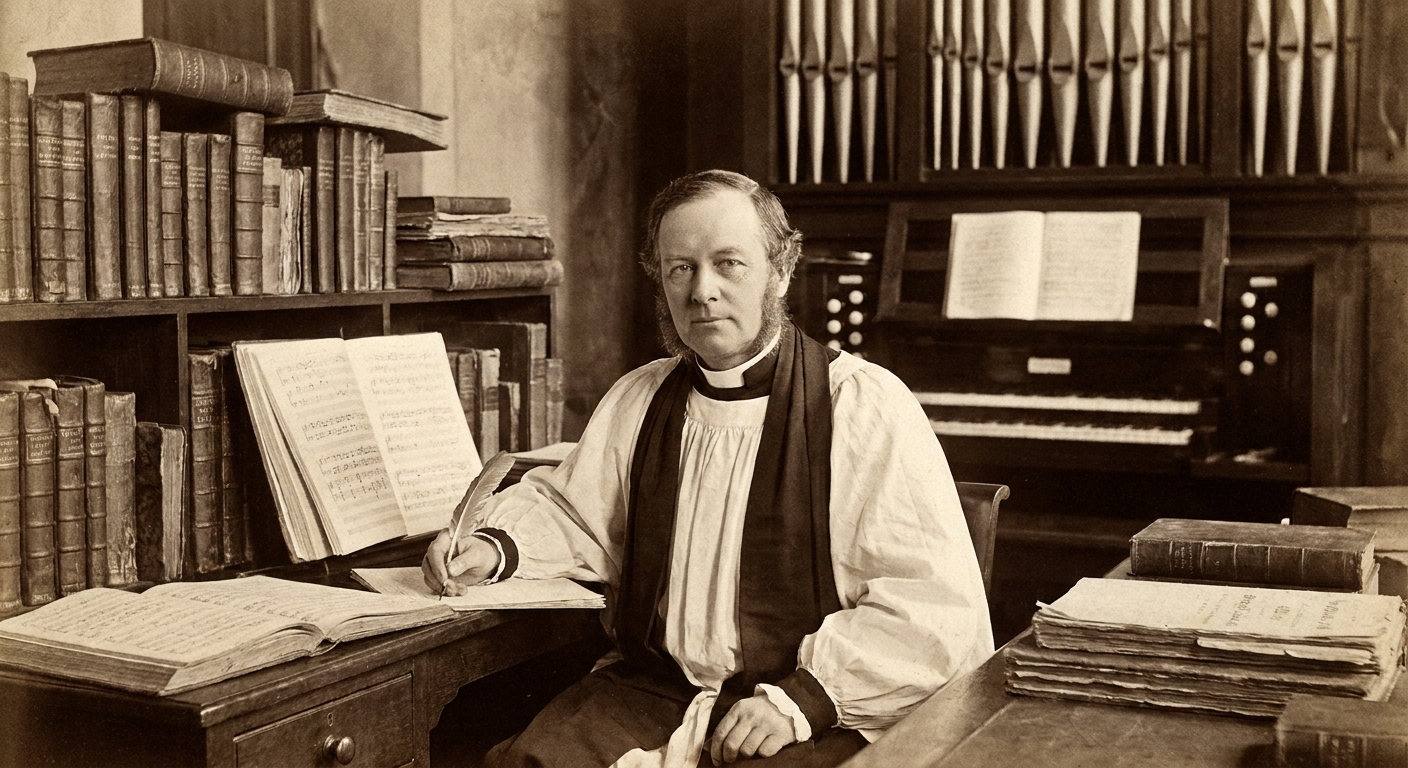
Many people first meet this hymn through its melody, not its history. The tune most widely paired with Heber’s text is called Nicaea, composed by John Bacchus Dykes (1823 to 1876), an English church musician and priest.
Dykes wrote Nicaea in the 19th century, decades after Heber composed the text. That gap is part of what makes hymn history so interesting: a hymn is often a collaboration across time. A text may exist quietly on the page, known in smaller circles, until a composer gives it a musical body that fits its spirit.
Nicaea is sturdy and singable, but it is not plain. It rises with a kind of spacious confidence, then opens into broader phrases that feel made for communal breath. When a congregation sings it well, you can hear why it endured. The tune does not merely support the words. It lifts them.
The title Nicaea gestures toward the Council of Nicaea and the creed that became a central summary of Trinitarian faith. You do not need to know the history to sing the hymn, but the name quietly signals what the music is doing: it is dignified, public, and built for worship that faces outward.
How it became a staple
Heber’s original intention, a hymn suited for Trinity Sunday, found its most lasting expression once Nicaea became its regular companion. Together, text and tune created a kind of liturgical shorthand. When Trinity Sunday arrives, many churches do not need to ask what to sing. This hymn is already waiting in the memory of the congregation.
It also travels well beyond that one Sunday. The hymn’s imagery is broad enough for ordinary time, for morning worship, for seasons of gratitude, and for moments when people simply need to be reminded that faith can be praise, not problem-solving.
I have seen it used as a processional, a closing doxology-like sending song, and sometimes as a gentle anchor when a community is grieving. The triple holy can hold sorrow as easily as it holds celebration because it points beyond the self without denying what the self carries into the room.
What to listen for
Even if you already know every verse, it can be meaningful to listen as if you are hearing it for the first time. Here are a few details that often get lost in familiarity.
- The time of day. The hymn begins in the morning, which gives it a tone of first light and fresh attention. It is praise that wakes up with you.
- The widening circle. It moves from personal devotion to saints and angels, and then to “all thy works” throughout creation. The hymn keeps enlarging the room.
- The threefold holy. The Trinity remains mostly in the background. What comes forward is wonder, and the steady insistence that God is worthy of it.
- The steadiness of the tune. Nicaea feels like it is built for congregations with mixed confidence levels. It is dignifying to sing, even if you are unsure of your voice.
Taught by praise
There are days when I want faith to feel like a clear set of answers. And there are days when what I need is permission to be small under something vast and good. “Holy, Holy, Holy” gives that permission.
Heber offered the church a text that draws from Scripture’s most luminous praise, and Dykes gave it a melody that can be carried by ordinary people, week after week. The result is a hymn that does what the best hymnody does: it forms the heart quietly, through repetition, through beauty, and through shared breath.