There is a kind of prayer that does not begin with a sudden burst of inspiration, but with a clock. Not the harsh, hurried kind of time that rules our inboxes, but the steady, humane kind that simply says: pause here. Breathe. Remember what matters.
That is the heart of the Liturgy of the Hours, also called the Divine Office: a set of prayers, psalms, and readings prayed at different times of day. It is an ancient Christian practice that turns ordinary hours into invitations to reconnect with God, with gratitude, and with the needs of the world.
In plain language
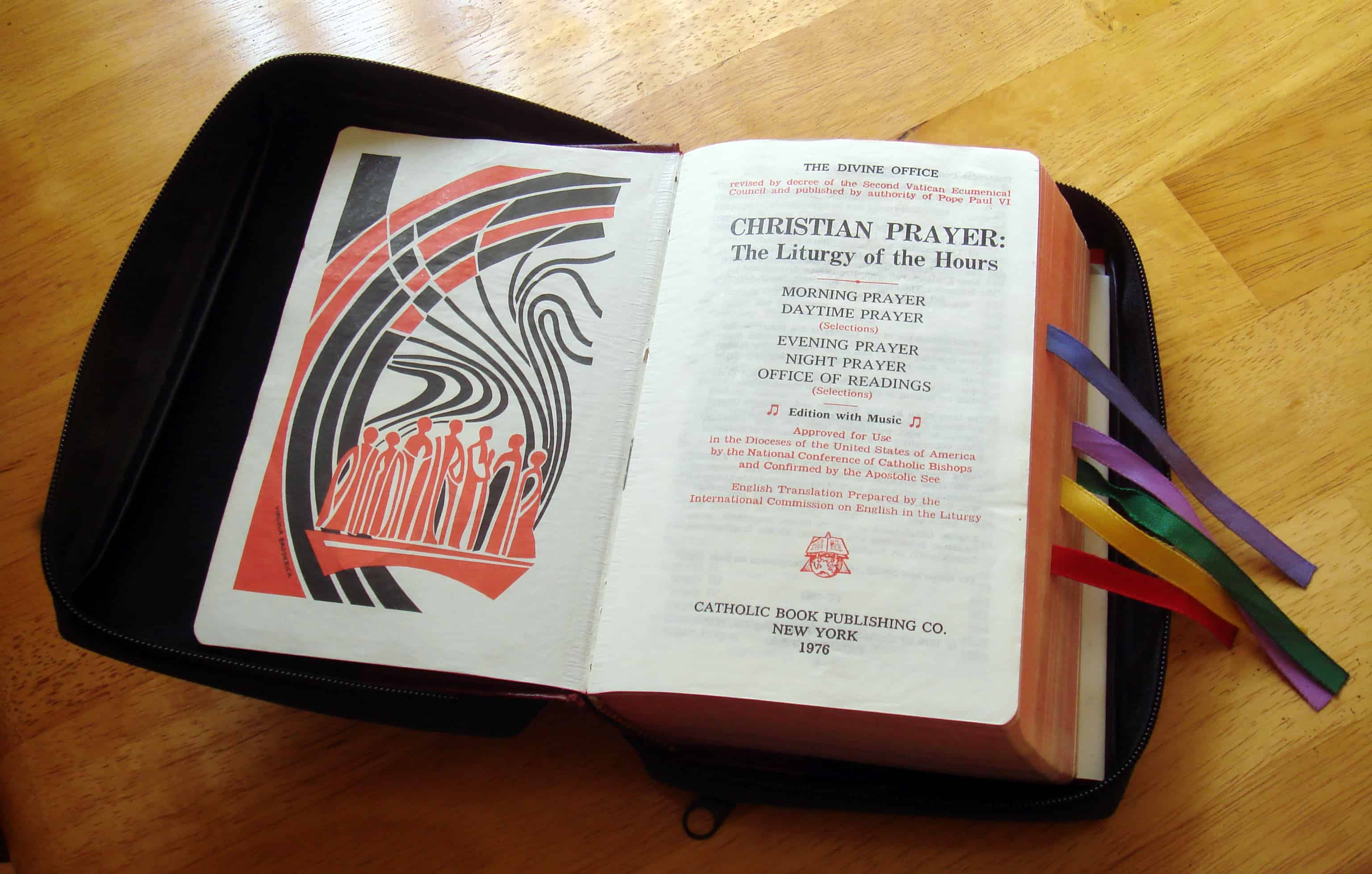
The Liturgy of the Hours is a daily cycle of prayer that follows the rhythm of the day. Instead of improvising what to say, you pray words that generations have carried, especially the Psalms, along with short Scripture readings, intercessions, and hymns.
In the Catholic tradition, it is one of the Church’s official public prayers, meaning it is not only personal devotion. It is meant to be the prayer of the whole Church offered on behalf of the whole world. Many other Christian communities also pray some form of a “daily office,” sometimes with different books or structures, but often with the same basic instinct: to sanctify time by returning to prayer again and again.
If you have ever wished for a spiritual practice that is both steady and spacious, the Hours can feel like a handrail.
Who prays it
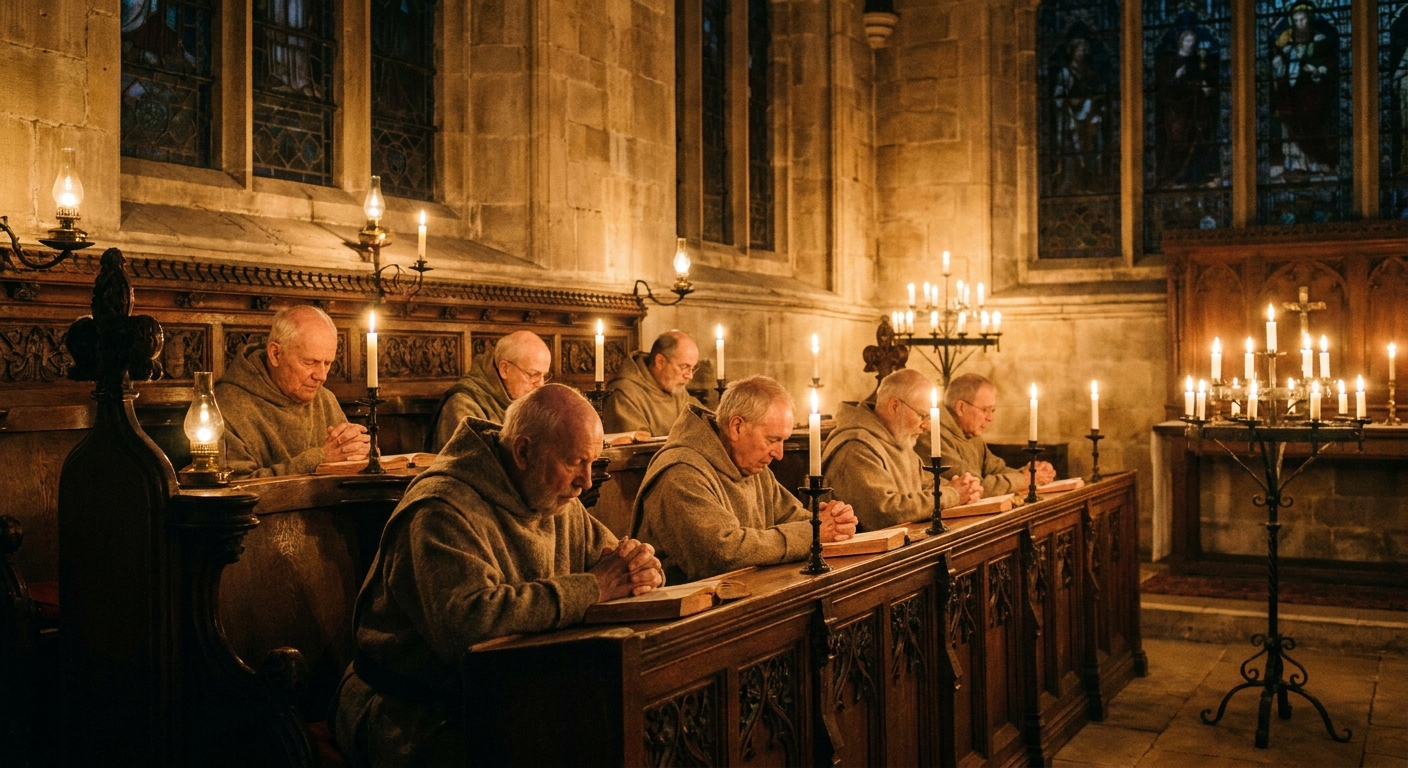
Traditionally, the Liturgy of the Hours has been closely associated with monks and nuns, who structure their entire day around prayer. But it is not only for monasteries.
People who commonly pray the Hours
- Bishops and priests (in the Roman Catholic Church, they are obliged to pray the Liturgy of the Hours each day, though the details of what is required can vary by law and circumstance).
- Deacons (many deacons are also bound to pray part of the Hours, depending on their state in life and the norms of the Church).
- Religious communities (monasteries, convents, and communities with a shared prayer schedule).
- Laypeople (many pray one or two Hours a day at home, during a commute, on a lunch break, or with family in the evening).
The “when” is flexible in real life. The Hours are connected to times of day, but you are not failing if you pray Evening Prayer at 9 p.m. You are simply praying it when your life finally gives you room to be present.
The Hours at a glance
The Liturgy of the Hours includes several prayer times. Depending on your vocation, schedule, and energy, you might pray all of them, or just one.
- Office of Readings: longer Scripture and spiritual readings. Often prayed early, but it can be prayed at any time.
- Morning Prayer (Lauds): the Church’s morning offering, centered on praise and beginning the day with God.
- Daytime Prayer (one or more of: Midmorning, Midday, Midafternoon): short pauses to re-center during work and responsibilities.
- Evening Prayer (Vespers): a prayer of thanksgiving and reflection as the day closes.
- Night Prayer (Compline): a gentle, brief prayer before sleep, often the easiest Hour to begin with.
In many households, a simple and sustainable start is Morning Prayer and Evening Prayer. If you add one more, Night Prayer often fits beautifully.
Inside an Hour
While each Hour has its own flavor, most follow a familiar pattern. The details change day to day, but the shape is recognizable.
A typical flow
- Opening: an invitation like “God, come to my assistance” (or a similar opening) and often a brief doxology.
- Invitatory (often): especially if you begin with Morning Prayer or the Office of Readings, you may start with an opening psalm that invites you into the day’s prayer.
- Hymn: a simple hymn that matches the time of day or season.
- Psalmody: psalms and canticles prayed with antiphons. In Morning and Evening Prayer, this is typically two psalms plus a Scripture canticle.
- Reading: a short passage of Scripture.
- Responsory: a brief call-and-response line.
- Gospel Canticle: in Morning Prayer, the Benedictus (Zechariah’s song). In Evening Prayer, the Magnificat (Mary’s song).
- Intercessions: prayers for the Church and the world, often with a repeated response.
- The Lord’s Prayer: the Our Father.
- Closing prayer and blessing: a concluding prayer that gathers it all up.
You do not need to master every term to begin. If you can pray a psalm slowly and speak honest intercessions, you are already doing the essential thing.
A quick example
Here is what a simple moment can look like in practice:
- Antiphon: “Lord, open my lips, and my mouth will proclaim your praise.”
- Psalm: a few verses prayed slowly, even whispered.
- Reading: one short paragraph of Scripture.
- Intercession: “For those who feel alone today, Lord, be near.”
Morning and Evening Prayer
Morning Prayer (Lauds)
Morning Prayer is built to feel like opening the curtains. It tends to emphasize praise, renewal, and offering the day to God.
- Often includes a “morning” tone in the psalms.
- Features the Benedictus, a canticle about God’s faithful guidance and mercy.
- Leaves you with a clear sense of beginning, even if you are beginning again.
Evening Prayer (Vespers)
Evening Prayer feels like setting things down. It leans toward gratitude, review, and entrusting what you could not finish.
- Often includes psalms of trust and reflection.
- Features the Magnificat, Mary’s song of hope and reversal, a favorite for generations.
- Creates a natural bridge into family time or quiet.
If you only ever pray two Hours, these two can hold your day like bookends.
The calendar, simply
One reason the Liturgy of the Hours can feel intimidating is that it follows a calendar. Pages shift depending on:
- Season (Advent, Christmas, Lent, Easter, Ordinary Time)
- Day of the week (the psalms are arranged on a repeating four-week cycle, often called the four-week psalter)
- Saints and feasts (solemnities and feasts can replace more of the usual texts; memorials often change less, sometimes just a few parts)
Here is the permission many beginners need: you can start with a version that chooses the pages for you. Many apps and simplified books do this automatically. The goal is not to prove you can navigate ribbons and tabs. The goal is to pray.
How to start at home
If you are curious, begin small. The Hours are a way of life, not a one-time project. Here are three gentle starting paths that I have seen work for ordinary, busy people.
Option 1: Night Prayer for one week
Night Prayer is short, tender, and repeatable. You can pray it sitting on the edge of your bed. If you miss a day, you simply return the next night.
- Choose a consistent time, even if it is late.
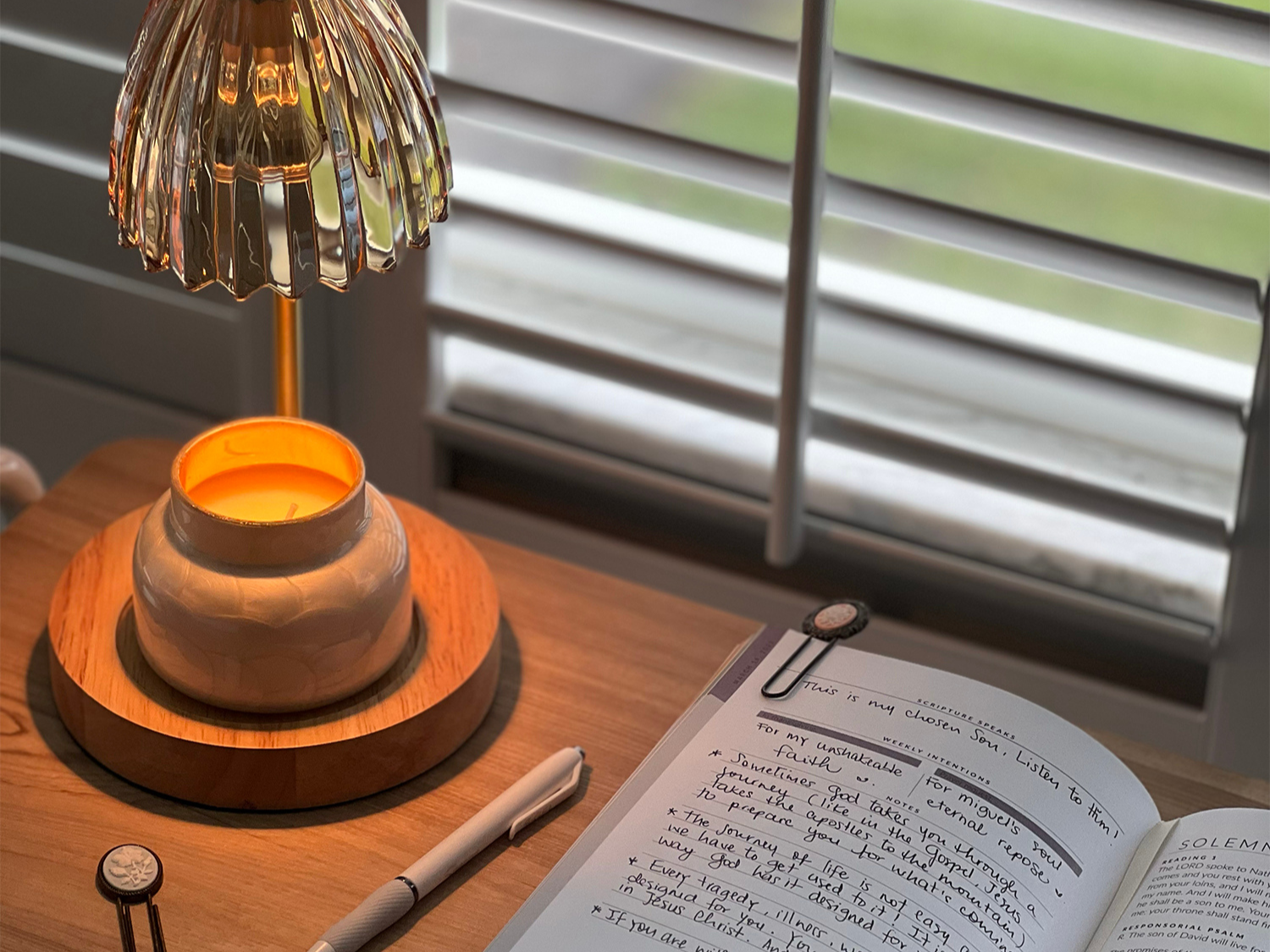
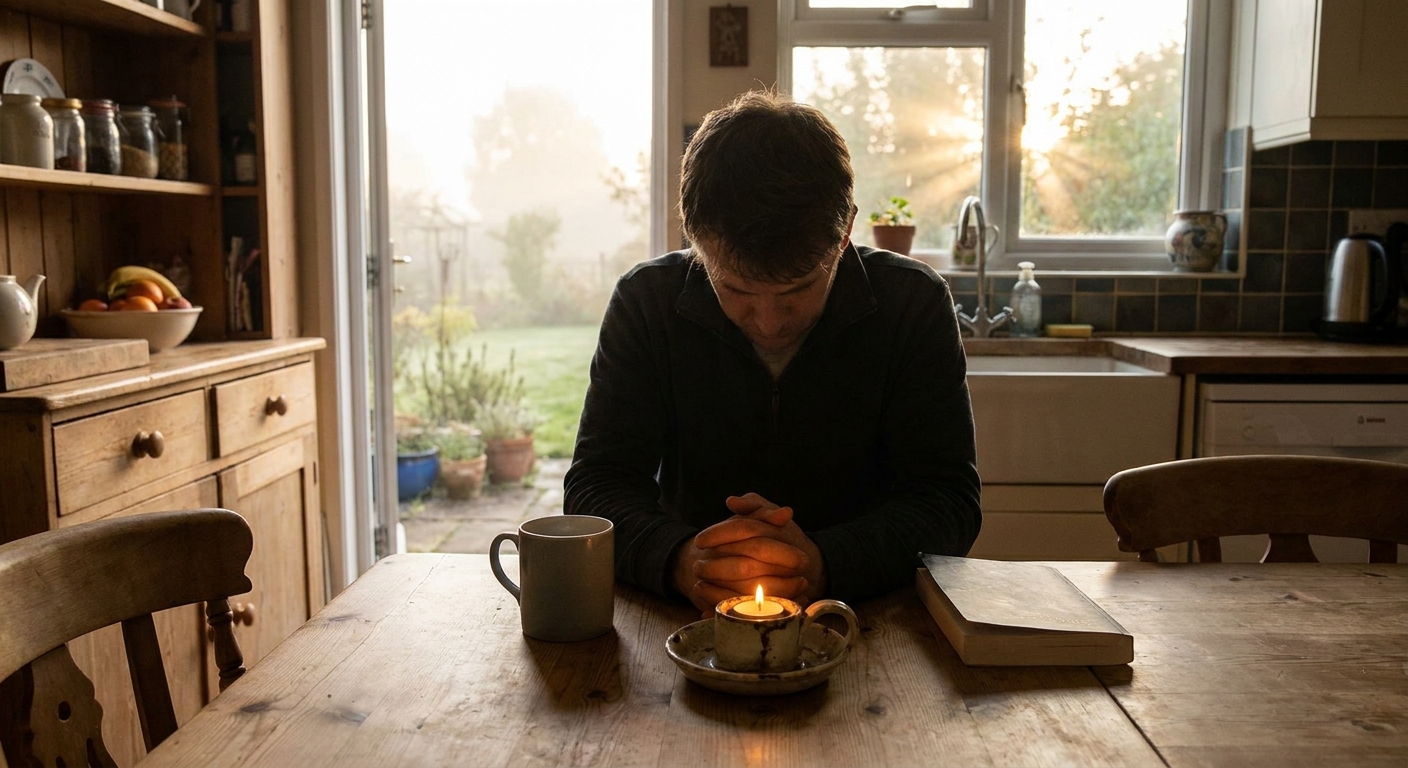
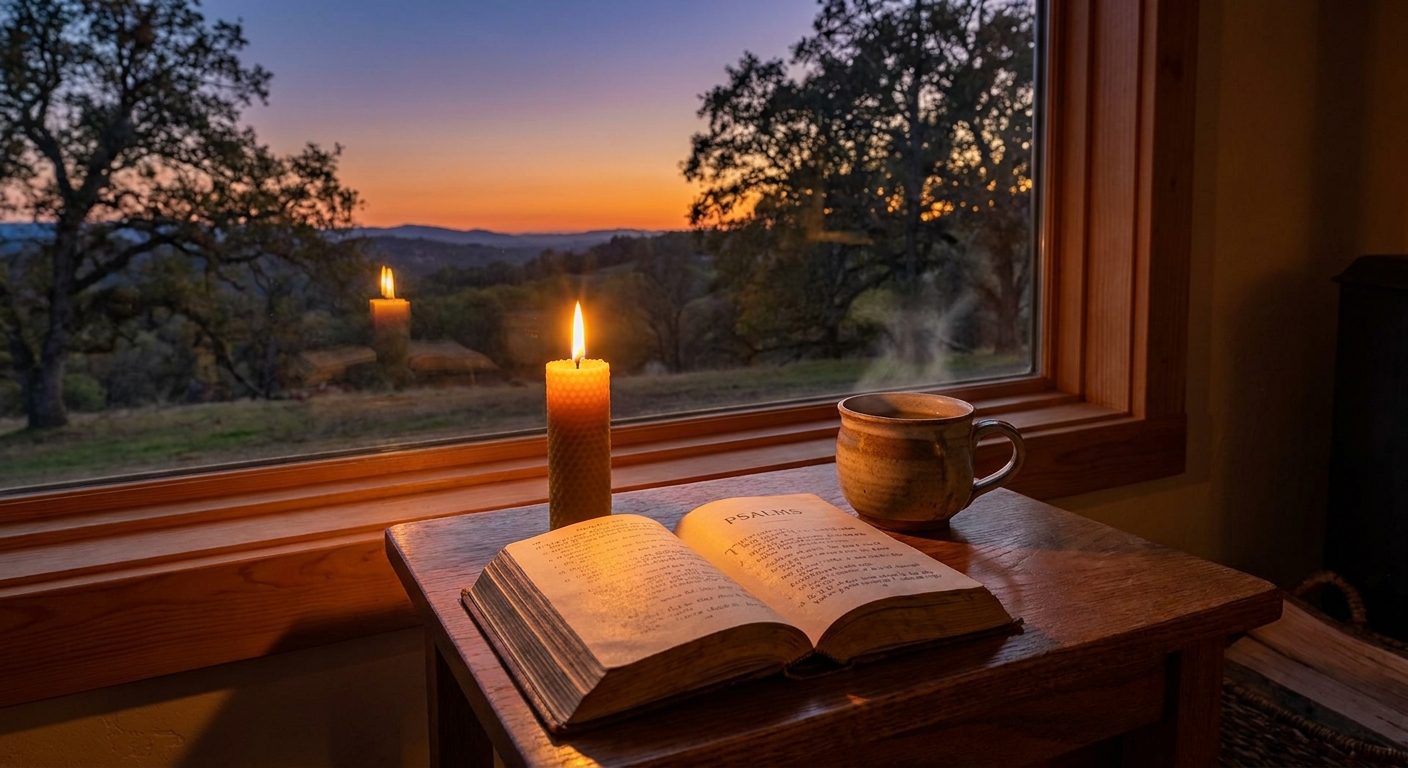
- Light a candle if that helps you slow down.
- End with a moment of silence before sleep.
Option 2: Evening Prayer three days a week
Evening Prayer pairs well with the moment you transition out of work mode. Many people pray it right before dinner, or right after the dishes are done.
- Keep it realistic: pick three evenings.
- Include one intention for someone else. It widens the heart.
Option 3: Morning and Evening Prayer, simplified
A simplified approach might look like this:
- Opening: one sentence inviting God into the moment.
- One psalm: prayed slowly, without pressure to “perform” it.
- Short Scripture: a few lines.
- Intercessions: 2 to 4 intentions from your own life and the world.
- Our Father.
- Closing: a simple “Amen.”
This is not cheating. It is learning to walk before you run.
What you will need
You can pray the Hours in several ways. The best option is the one you will actually use.
- App: often the easiest for beginners because it automatically assembles the prayers for the day. Common options include iBreviary, Universalis, and DivineOffice (availability and translations vary).
- Full print set: in many regions, the complete Liturgy of the Hours is a multi-volume set designed to cover the whole liturgical year.
- Single-volume editions: some are complete for a particular use case, but many are abridged or select certain Hours. They can be a wonderful way to begin, especially if you want something portable.
- Simplified or family-friendly editions: some focus on Morning and Evening Prayer, or on a smaller selection of psalms.
If you use an app, consider placing your phone on airplane mode while you pray. The Hours are meant to gather your attention, not fracture it.
Common questions
Do I have to be Catholic to pray the Liturgy of the Hours?
No. While the Liturgy of the Hours is an official Catholic liturgy, many non-Catholic Christians also pray daily office forms as a disciplined way to engage Scripture and the psalms. If you are outside the Catholic tradition and you use Catholic texts, you can receive them with respect, while understanding that your prayer is a personal devotion rather than the Church’s public liturgy in the technical sense.
What if I do not like praying from a script?
That is a real concern. Scripted prayer can feel stiff at first. Over time, many people discover the opposite: the words begin to hold them on days when they feel empty, distracted, or sorrowful. You can always add a minute of spontaneous prayer at the end.
What if I miss an Hour?
You are not behind. The Hours are not a test. They are a bell. When you hear it again, you return.
How long does it take?
As a rough guide, many people find:
- Night Prayer: 5 to 10 minutes
- Morning or Evening Prayer: 10 to 20 minutes
- Office of Readings: 15 to 30 minutes
Your pace may be different. If you read slowly and let silence in, it may take longer, and that can be a gift.
A closing invitation
One of the quiet miracles of the Liturgy of the Hours is that it teaches you to pray without waiting for the “right mood.” It gives you something steady to step into, morning and evening and in between, until prayer becomes less like a performance and more like companionship.
If you want to start today, choose one Hour. Choose a time. Keep it simple. And when you forget, begin again. The whole practice is built for that.