I first heard “Be Thou My Vision” sung softly at the end of an interfaith retreat, the kind where people linger in their seats because leaving feels like breaking a spell. The melody was familiar, but what held me was the language: “Heart of my own heart, whatever befall.” It sounded ancient and intimate at the same time, like a prayer carried across centuries and set gently into modern hands.
That is not far from what actually happened. “Be Thou My Vision” did not begin as an English hymn at all. It began as an Irish religious poem, traveled through two women who loved the Irish language deeply, and then found a home in churches through a traditional melody now commonly called “Slane.”
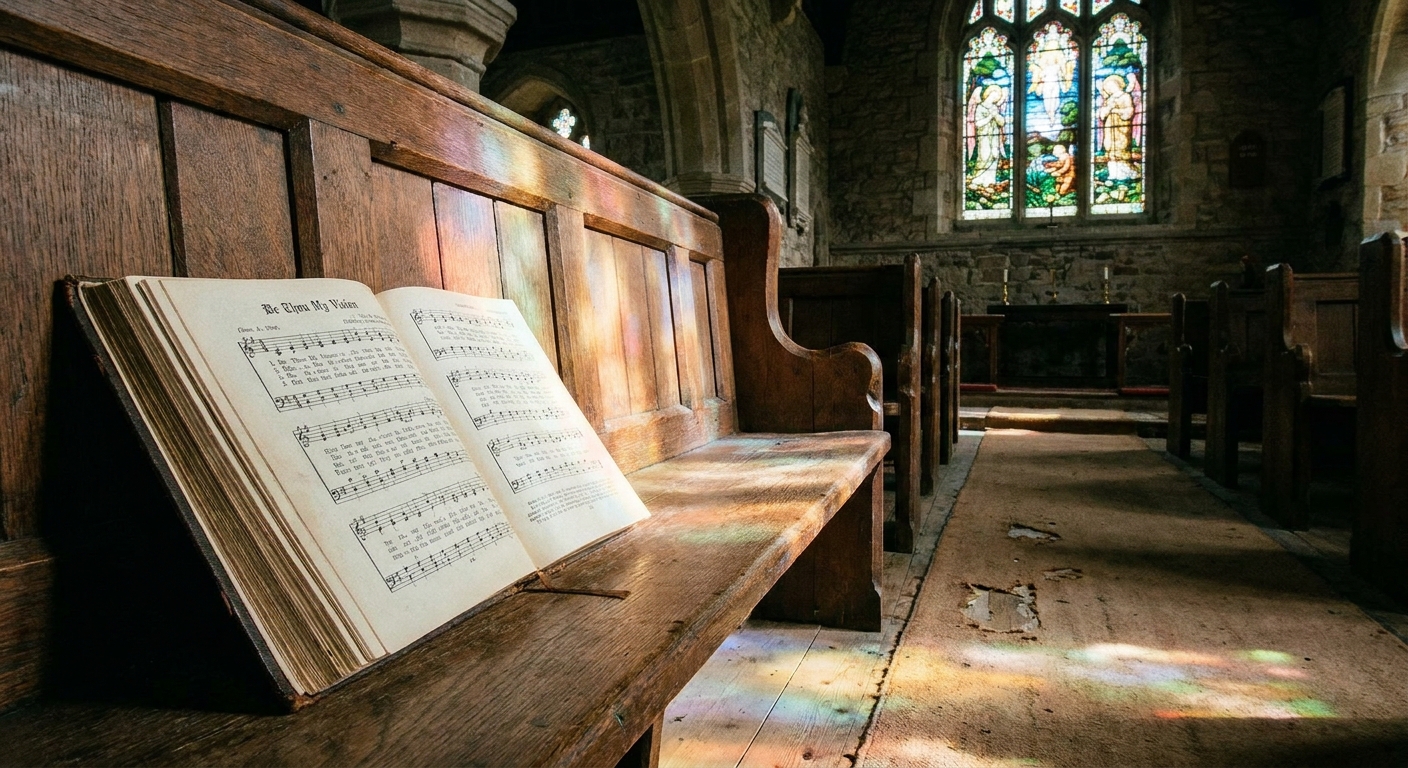
An early Irish prayer-poem
The text behind “Be Thou My Vision” is rooted in early Irish Christian spirituality, a world where prayer was woven into daily life and where poetry often carried theology in a more felt, lyrical way than formal treatises did. The original is commonly known by its opening words in Irish, Rop tú mo baile (also frequently spelled Rop tú mo bhaile). It is often dated by scholars to around the 8th century, though estimates vary and the manuscript record complicates any clean certainty.
What matters for the hymn’s story is that it was preserved and handed down in Irish sources and then, centuries later, became part of a cultural and spiritual revival of interest in Ireland’s older literature. The poem reads like a layered prayer: personal devotion, royal imagery, and a steady insistence that God is not simply a belief but the organizing center of perception and desire.
Even in English, you can still sense the original’s devotional movement. It starts with attention, moves through companionship and guidance, and ends with the hope of heaven. It is a whole life prayed as longing.
Mary Byrne’s prose (1905)
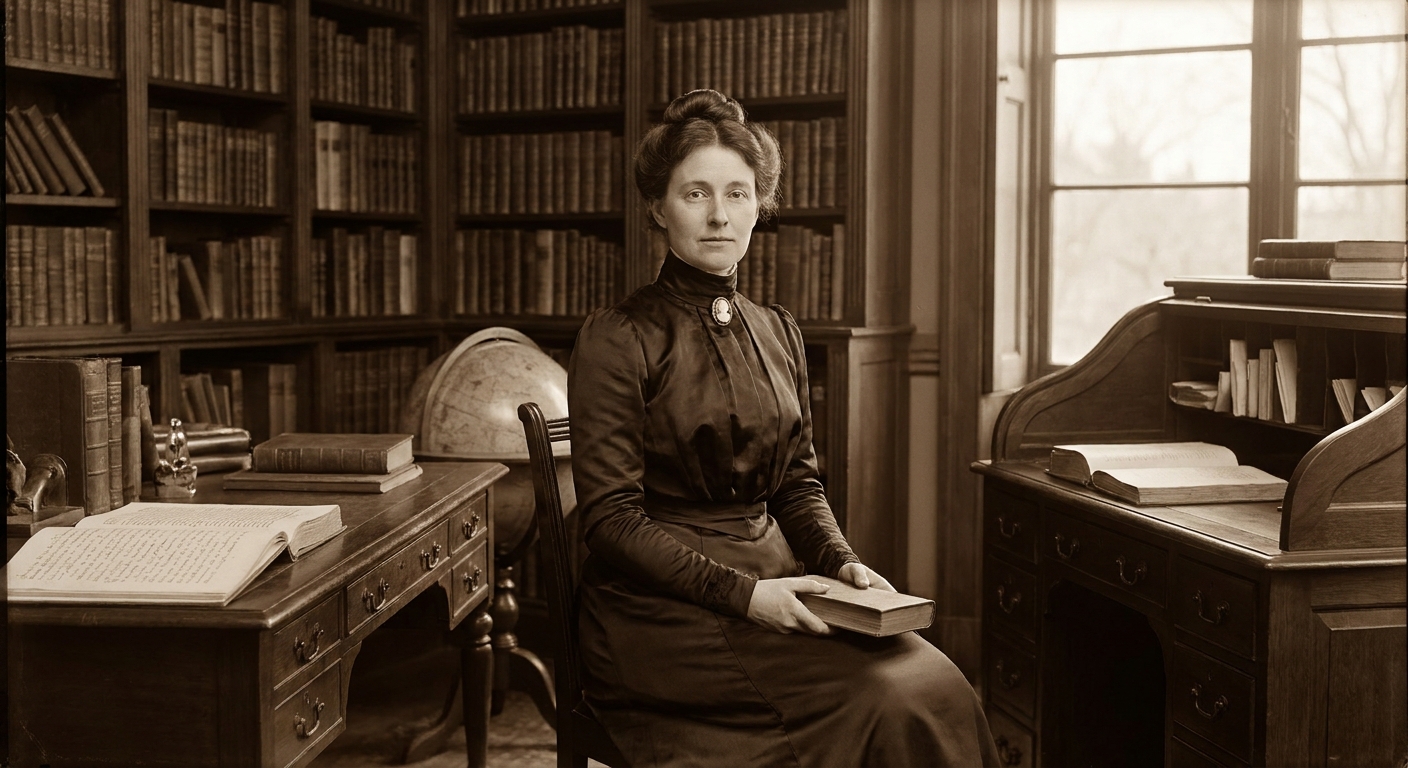
The first key step in the hymn’s English life came through Mary Elizabeth Byrne (1880 to 1931), an Irish scholar and teacher associated with the study and preservation of Irish-language texts. In 1905, she published an English prose translation of the poem in the Ériu journal under the title “A Hymn of the Early Church.”
That detail matters: Byrne did not write it as hymn-meter poetry. She translated to convey meaning, not to fit a tune. Prose translations can feel like a doorway. They let readers step close to the original text’s sense, imagery, and spiritual tone without immediately forcing it into the constraints of rhyme and rhythm.
Byrne’s translation made the poem accessible to English readers and, crucially, to other writers who could then attempt a singable version. In the transmission of hymns, this is a common pattern: an older text is translated for understanding first, and only later adapted for congregational use.
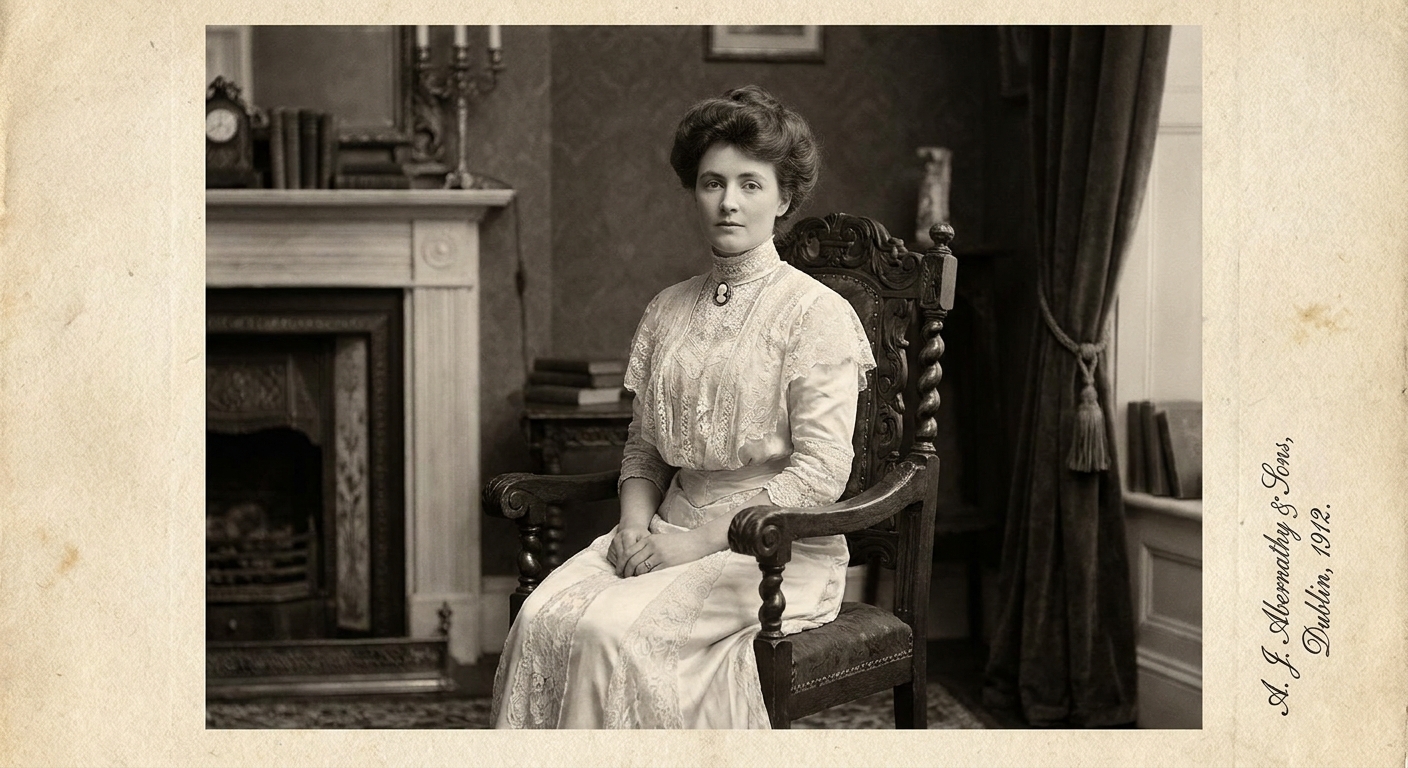
Eleanor Hull’s verse (1912)
The second key figure is Eleanor Henrietta Hull (1860 to 1935), a writer, scholar, and active contributor to the Irish literary revival. Hull took Byrne’s prose rendering and created the metrical, rhymed English verse that most churches sing today.
Hull’s version appeared in 1912 in her collection The Poem-Book of the Gael. In other words, the English hymn was not a direct, one-step translation from medieval Irish to modern hymnals. It was a carefully mediated journey: Irish poem to Byrne’s prose, then Byrne’s prose to Hull’s hymn meter.
This layered process helps explain why the English text feels both old and surprisingly immediate. Hull was not only translating words. She was translating a devotional posture into the kind of lyric form that could be memorized, sung, and carried in the body.
The “Slane” tune
Many people assume the melody was composed for “Be Thou My Vision.” In most hymnals today, however, the text is paired with a traditional Irish melody widely known as “Slane” (sometimes printed as “Old Irish melody”). The tune circulated as an Irish air in printed collections and arrangements before it became the hymn’s common partner, and its now-familiar name is generally treated as an association with Slane, rather than a claim we can prove in a straight line of origin.
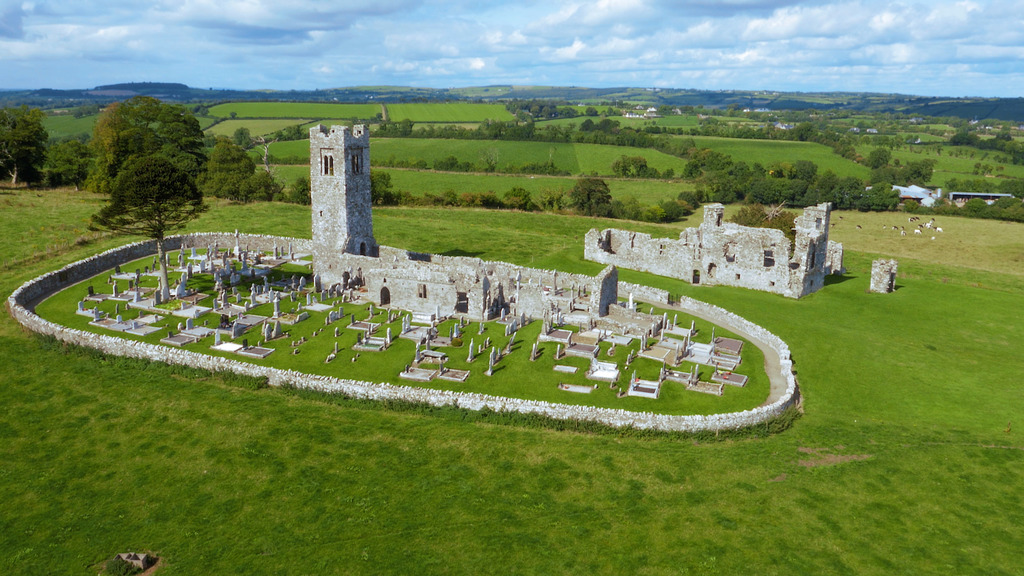
The name is often linked, by tradition, to the Hill of Slane in County Meath, a place associated in Christian memory with Saint Patrick and the symbolism of faith spoken out loud in a royal landscape. Whether or not that is the full story of the title, the pairing feels almost inevitable once you have heard it. The “Slane” tune has a spacious, steady rise that suits the hymn’s inward focus. It can be sung tenderly in a small chapel or triumphantly in a full sanctuary without losing its contemplative center.
Historically, texts and tunes in congregational singing often meet each other after the fact. A powerful poem is given a melody that fits its meter and mood. Over the early to mid 20th century, as Hull’s text spread through English-language hymnals, “Slane” increasingly became the standard setting most people now assume was original.
What “vision” means
In everyday speech, “vision” can mean a personal dream, a plan for the future, or even a mystical experience. In this hymn, it is closer to spiritual perception, the shaping of what the heart attends to and what the mind considers ultimate.
When we sing “Be Thou my vision, O Lord of my heart” the prayer is not simply “help me see.” It is “be what I see by.” Vision here is a compass for desire. The hymn asks God to become the inner light by which everything else is evaluated: success and failure, love and loss, even life and death.
That is why the next lines matter so much: “Naught be all else to me, save that Thou art.” This is not a rejection of the world. It is a re-ordering of the world. Everything else is still present, but it is no longer the final authority.
“High King of Heaven”
Some modern singers stumble over the phrase “High King of Heaven.” It can feel distant, feudal, or overly masculine to contemporary ears. In the world behind the poem, though, kingship language was a way of speaking about ultimate sovereignty and protection.
Early Irish Christian poetry frequently uses imagery familiar to its culture, then bends that imagery toward devotion. Calling God “High King” is not a claim that God behaves like every earthly ruler. It is a prayer that the highest loyalty of the heart will belong to the One who cannot be toppled by time, violence, or decay.
And notice the hymn’s emotional logic: it pairs kingship with tenderness. “Heart of my own heart” is not the voice of a subject groveling before a tyrant. It is the voice of someone seeking to belong, safely and fully, to the love at the center of reality.
What “inheritance” means
Another phrase that deserves a closer look is the hymn’s talk of inheritance, especially in lines like “Thou my inheritance, now and always.” Inheritance, in biblical and classical Christian language, is not mainly about money. It is about belonging and lasting treasure.
To call God one’s inheritance is to say: “What I receive at the end of all striving is not merely a reward but a relationship.” It echoes the scriptural motif that the deepest promised gift is God’s own presence. The hymn holds this in a beautifully paradoxical way: God is both the One who gives and the gift itself.
This is also why the hymn can comfort people in seasons of uncertainty. When life becomes unstable, inheritance language quietly asks: “What cannot be taken from me?” The hymn’s answer is not a concept. It is communion.
Why it still travels
“Be Thou My Vision” crosses denominational lines with unusual ease. Part of that is musical. The “Slane” tune feels like it has always existed, the way ocean tides do. But part of it is textual. The hymn is deeply Christian and also broadly human in its spiritual psychology.
It names what so many of us are doing, consciously or not, every day: choosing what to focus on, deciding what deserves our loyalty, and trying to live with a steadier center than our shifting moods.
I have heard it sung in small rural churches, at funerals, at weddings, and once, memorably, in a circle of people from multiple faiths who simply received it as a prayer for clear seeing. Its transmission story is Irish, scholarly, and specific. Its lived story is communal and ongoing.
One small, practical note for readers who compare hymnals: Hull’s text often appears with minor variations, whether from editorial modernization (for example, “thee/thou” updates) or from slightly different line traditions in print. The heart of the hymn, though, stays remarkably intact.
Transmission map
- Early Irish poem (Rop tú mo baile / Rop tú mo bhaile), preserved through manuscript tradition and later scholarship.
- 1905: Mary Elizabeth Byrne publishes an English prose translation, “A Hymn of the Early Church,” in Ériu.
- 1912: Eleanor Henrietta Hull reshapes Byrne’s prose into the metrical English verse in The Poem-Book of the Gael.
- 20th century: Hull’s text is increasingly paired in hymnals with the traditional Irish melody “Slane”, which becomes the best-known setting.
Frequently asked questions
Who wrote “Be Thou My Vision”?
The earliest author is unknown. The hymn’s text originates in an early Irish religious poem. The English hymn as commonly sung comes through Mary Elizabeth Byrne’s prose translation (1905) and Eleanor Henrietta Hull’s metrical verse adaptation (1912).
Is “Be Thou My Vision” Catholic or Protestant?
It is sung widely in both Catholic and Protestant contexts today. Its roots are in early Irish Christian spirituality, and its modern English form entered hymnals across traditions because its themes are broadly resonant within historic Christianity.
What does “Be Thou my vision” mean in plain language?
It means: “God, shape what I pay attention to. Guide my inner sight. Be the center that helps me interpret everything else.”
Why is the tune called “Slane”?
“Slane” is the name commonly given to the traditional Irish melody paired with the hymn in many hymnals. The title is often associated by tradition with the Hill of Slane in Ireland, though the tune’s printed history is broader than any single location story.