Some hymns feel as if they have always been with us, as familiar as breath. “Rock of Ages” is one of those. I have heard it at funerals where the room seemed to exhale together, and at small evening services where the last line hung in the air like a candle’s warmth. It is a hymn of refuge, but also of radical honesty, because it refuses the idea that we can save ourselves through effort alone.
And like many beloved hymns, it comes wrapped in a story. One version is dramatic and cinematic: a preacher caught in a storm at Burrington Combe, sheltering in a cleft of rock, words pouring out as thunder cracks above. Another version is quieter and better documented: a text associated with 1776, written by an Anglican priest named Augustus Toplady, later paired in America with a tune by Thomas Hastings that helped carry the hymn into countless churches and homes.
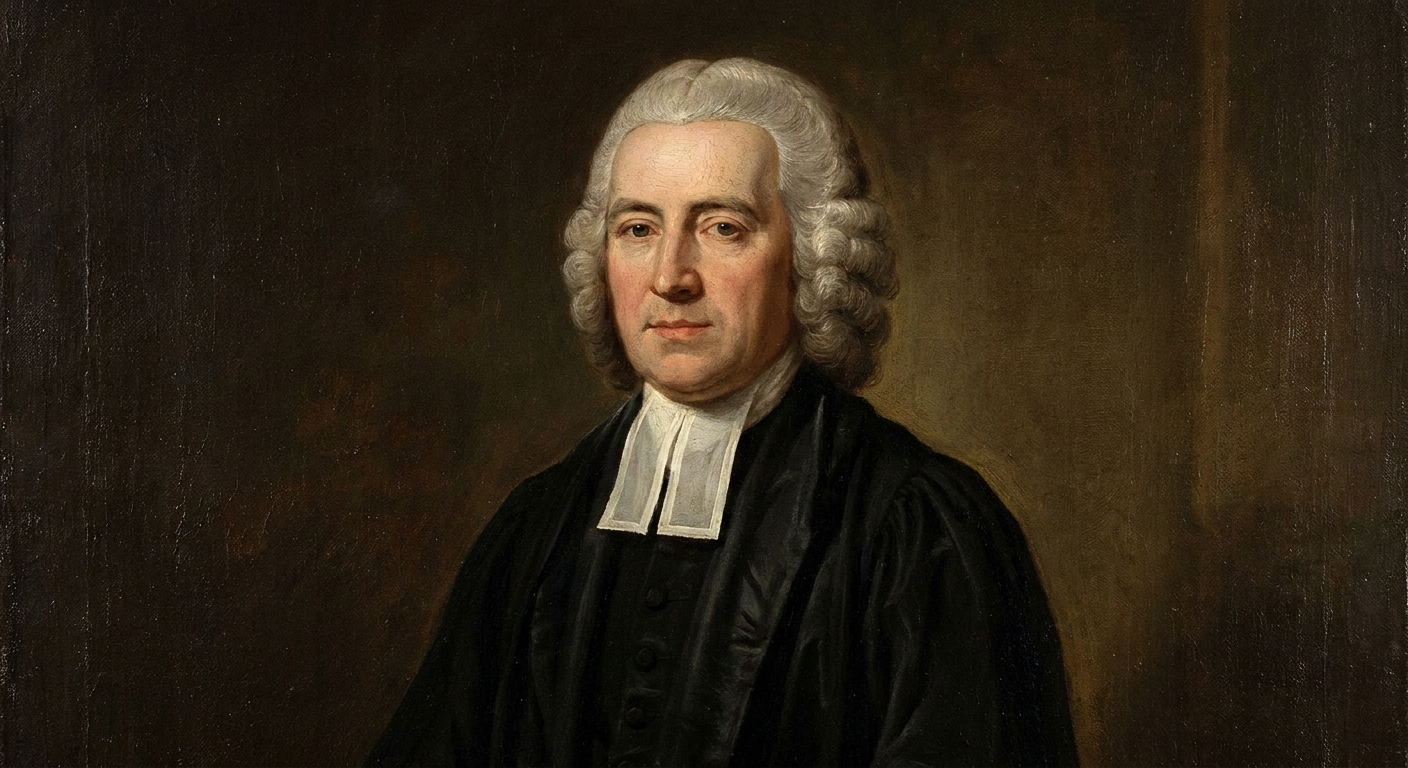
Both versions have shaped how people remember the hymn. Here is what we can actually trace with confidence, and where the cherished legend begins.
Who wrote “Rock of Ages”
“Rock of Ages” was written by Augustus Montague Toplady (1740 to 1778), an Anglican clergyman and theologian associated with the Calvinistic wing of the Church of England. Toplady is sometimes remembered for controversy, because he argued fiercely against John Wesley’s theology in print. But the hymn that outlived all those debates is tender rather than combative.
The text is commonly dated to 1776 and is often printed with the long original heading “A Living and Dying Prayer for the Holiest Believer in the World.” Different hymn histories describe the earliest print appearances and later republications in slightly different ways, but the larger point holds steady. Toplady framed these lines as a prayer that fits both breathing days and final ones.
One reason “Rock of Ages” keeps finding new generations is that it speaks to a familiar inner moment: the realization that your goodness is real but limited, your motives mixed, your strength not enough for the weight you are carrying. The hymn does not shame that moment. It makes it the doorway into grace.
Cleft of the rock
The hymn opens with the line:
Rock of Ages, cleft for me,
Let me hide myself in Thee.
In the Christian imagination, the “cleft rock” imagery draws on several biblical resonances. The most direct is Exodus 33:22, where Moses is placed in a cleft of the rock while God’s glory passes by. Over centuries, Christian writers and preachers also connected the “rock” with Christ, using the language of refuge, shelter, and spiritual safety.
Toplady’s genius is how he intensifies the metaphor. The rock is not merely a strong place to stand. It is cleft, opened, made a hiding place through a wound. That language naturally echoes the crucifixion. The “rock” is a refuge precisely because it has been broken open in love.
When I sit with this image in prayer, I notice how it differs from many modern self-improvement instincts. We tend to look for a rock we can climb. Toplady offers a rock that receives us, covers us, and makes space for us when we have run out of pretenses.
What we can trace
Here is the backbone of the story as hymn historians generally tell it, based on early printings and the way the text later spreads through collections.
1) The text appears in print in the 1770s
The hymn’s earliest life is on the page. Many accounts place it in 1776, and some discussions connect it to Toplady’s writing in evangelical periodicals of the era before it is republished in other collections. The exact “first printing” details are worth checking in any serious hymn history, but the takeaway is simple. “Rock of Ages” belongs to the late 18th century, an era of revival, theological conflict, and deep concern about what it means to stand before God with a clean conscience. Toplady answers that concern with a repeating insistence. The shelter is not in us.
2) The hymn spreads through hymnals
Once in circulation, the text traveled the way hymns often do, not by a single dramatic debut, but by repeated inclusion. Hymnals and collections carried it across congregations in Britain and, in time, into America. The words proved portable: intimate enough for private devotion, sturdy enough for public worship.
3) The text is sung to more than one tune
In the 18th and 19th centuries, a hymn text often lived with more than one melody. “Rock of Ages” is no exception. Different denominations and hymnals have favored different settings, and multiple pairings have remained in use.
Burrington Combe
If you grew up with hymn stories, you have likely heard the Burrington Combe version: Toplady traveling through the Mendip Hills in Somerset, caught in a sudden storm, taking shelter in a cleft rock, and writing “Rock of Ages” on the spot. The landscape is real. Burrington Combe is a limestone gorge, striking and steep, full of natural nooks and openings. It is an easy place to imagine seeking shelter.
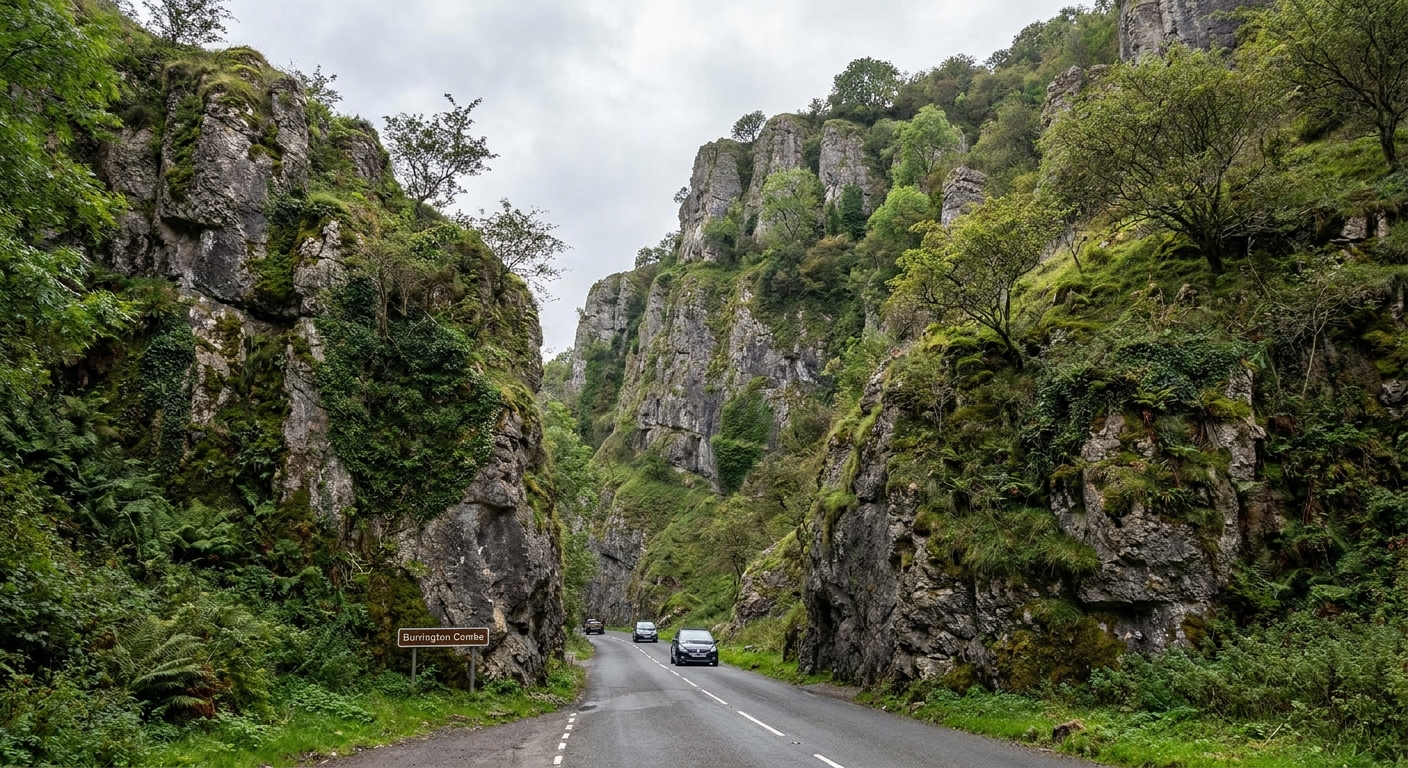
But the specific claim that Toplady composed the hymn there in that moment is best treated as tradition rather than documentation. Many hymn histories note that the tale appears later than the hymn’s earliest print life, and it is difficult to verify from primary sources. That does not make the legend meaningless. It tells us how people feel the hymn: as something written under pressure, offered from inside a storm.
I hold it the way I hold many spiritual stories. Beautiful, possible, spiritually true in tone, but not something I would present as proven fact.
What the hymn says
“Rock of Ages” is often summarized as a hymn about salvation, but that can sound abstract until you listen to how personal the language is.
Not the labor of my hands
One of the most quoted stanzas pushes directly against the idea of spiritual achievement:
Not the labor of my hands
Can fulfill Thy law’s demands.
Toplady is not dismissing good works. He is naming their limitation. Compassion, service, discipline, and repentance matter. But they are not the currency that purchases belonging.
Nothing in my hand I bring
The famous line:
Nothing in my hand I bring,
Simply to Thy cross I cling.
has endured because it describes an experience many people recognize, including those who do not use traditional theological vocabulary. There are moments when you arrive empty handed: after a loss, after a moral failure, after a season where you tried everything you knew and still could not fix what hurt. Toplady puts language to that emptiness, and then dares to call it a place where grace can meet you.
Be of sin the double cure
The hymn also includes a subtle theological distinction, asking to be saved “from wrath and make me pure.” In other words: not only forgiven, but healed. Not only acquitted, but renewed. Even if you are not steeped in the doctrinal language, the human longing underneath is clear. We want to be released from shame, and we want to be changed.
Hastings and the tune
Text and tune are like two hands clasping. Sometimes a hymn’s words are strong, but it takes the right melody to help a congregation carry them together.
In America, “Rock of Ages” has often been paired with a tune associated with Thomas Hastings (1784 to 1872), a prolific church musician and composer who helped shape early American hymnody. Hastings wrote and arranged many melodies designed for congregational singing: memorable, dignified, and emotionally direct. In some hymnals this pairing is labeled with tune names such as TOPLADY, though tune naming and attribution can vary by collection.
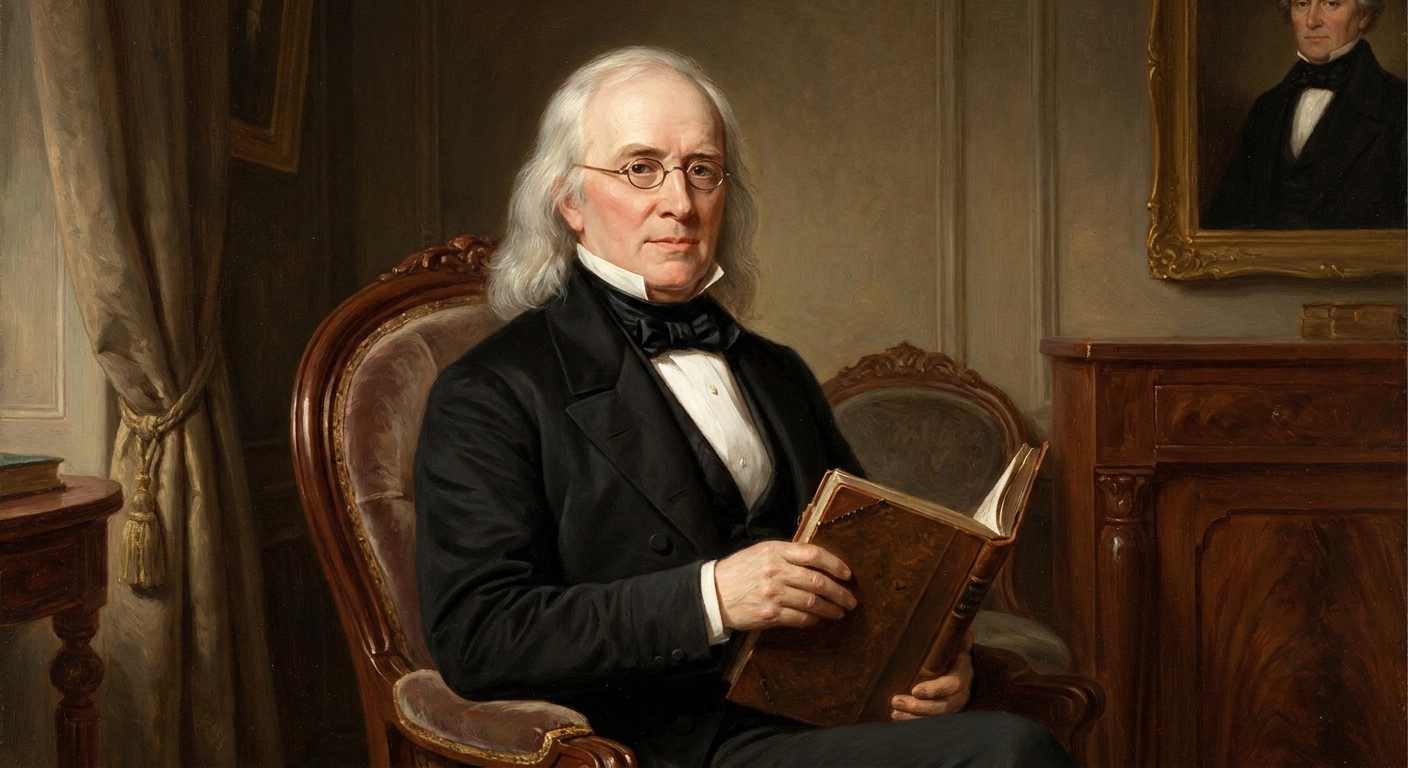
It is also worth saying plainly that Hastings is not the only musical home this text has found in the United States. Many congregations know “Rock of Ages” through other common settings, and the dominant melody often depends on denomination and hymnal tradition. Still, Hastings’s setting is one of the better known American pairings, and it helped anchor the hymn in a distinctly American worship soundscape as hymnals circulated and standardized choices.
Something quietly powerful is happening here. The hymn’s long life is a collaboration across time. A priest in 18th-century England writes a prayer. Decades later, an American musician gives it a melody many congregations can hold onto. The result becomes part of people’s most sacred moments.
Why it endured
Some hymns persist because they are doctrinally useful. Others persist because they are emotionally accurate. “Rock of Ages” is both.
- It names human limits without humiliation. It does not pretend we can grit our way into wholeness.
- It offers refuge rather than performance. The dominant posture is hiding, clinging, resting.
- It fits both life and death. Toplady frames it as a living and dying prayer, and the text truly works at both thresholds.
- It is vivid. You can feel a cleft rock. You can picture shelter. You can hear the storm even when none is mentioned.
In my retreat work, I have watched people soften when prayers stop demanding that they be impressive. “Rock of Ages” gives permission to stop negotiating. It gives you a place to go.
Quick timeline
- 1740: Augustus Toplady is born.
- 1770s: The text begins its printed life and later circulates more widely in collections, commonly dated to 1776.
- 1784: Thomas Hastings is born.
- 19th century: American hymnals increasingly standardize text and tune pairings, including well known settings associated with Hastings alongside other musical traditions.
- Ongoing: The Burrington Combe story is retold as a beloved tradition, even as the hymn’s earliest print trail remains the firmest historical anchor.
FAQ
Was “Rock of Ages” written during a storm?
It is often said that Toplady wrote it while sheltering from a storm at Burrington Combe, but that story is best treated as a later tradition rather than a fully documented fact. What we can say with confidence is that the hymn belongs to Toplady’s late 18th-century published work and is widely dated to 1776.
What does “Rock of Ages, cleft for me” mean?
It pictures God, and in Christian reading, Christ, as a rock opened to become a place of refuge. The word “cleft” suggests an opening or split. Many Christians hear in that opening an echo of Exodus 33:22, and an echo of Christ’s wounds, with protection made possible through sacrificial love.
Who wrote the music many Americans sing?
Many American hymnals have paired Toplady’s text with a tune associated with Thomas Hastings, one of the important 19th-century American church musicians. Other tunes are also common, depending on the hymnal and denomination.
Is “Rock of Ages” the same as “Rock of Ages, Cleft for Me”?
Yes. That opening line is often used as an alternate title.
Why is it so common at funerals?
Because it speaks directly to vulnerability and mortality without panic. It is a prayer for shelter, forgiveness, and peace, and it was originally framed as a living and dying prayer.