I grew up in a household where prayer sounded different depending on who was leading it. Some evenings were quiet and contemplative, other nights were full of lively petition and song. What stayed consistent across every tradition was the same human ache: we do not only suffer in our bodies. We suffer in our minds, our relationships, our consciences, and our sense of meaning.
In Catholic life, the spiritual works of mercy are a way to respond to that deeper kind of need. They are concrete actions, not abstract sentiments, aimed at a neighbor’s inner life: their understanding, their hope, their moral direction, and their relationship with God.
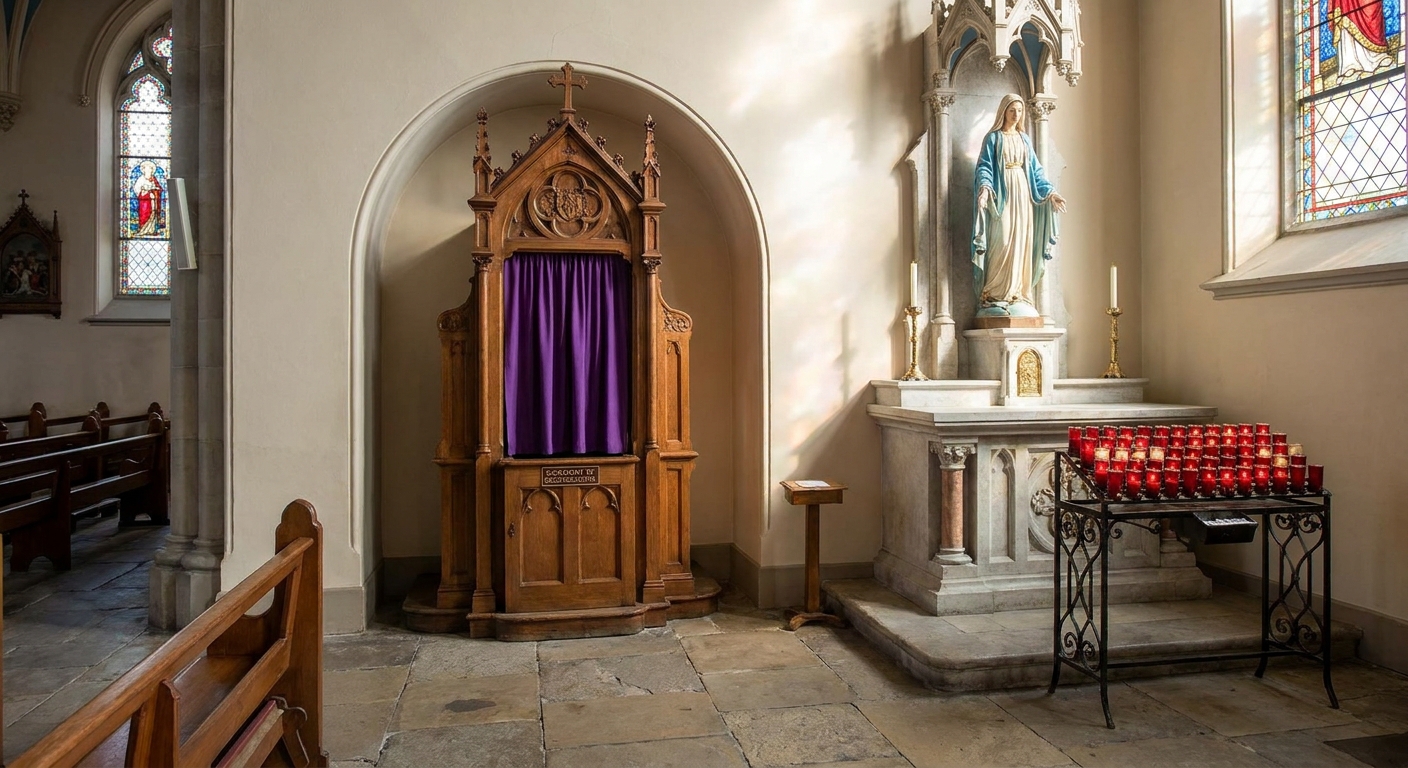
What are the spiritual works of mercy?
The spiritual works of mercy are seven traditional acts of charity that address another person’s spiritual and emotional needs. They are rooted in Scripture and developed through centuries of Catholic moral teaching and pastoral practice.
Most Catholics encounter them through catechesis, parish life, and especially through reflection on mercy, confession, and discipleship.
The seven spiritual works of mercy
- Instruct the ignorant
- Counsel the doubtful
- Admonish the sinner
- Bear wrongs patiently
- Forgive offenses willingly
- Comfort the afflicted
- Pray for the living and the dead
Different sources may phrase a few words slightly differently, but the meaning remains the same.
Spiritual vs. corporal works of mercy
The difference is not that one is “more important” than the other. It is about what kind of need is being met.
Corporal works: needs of the body
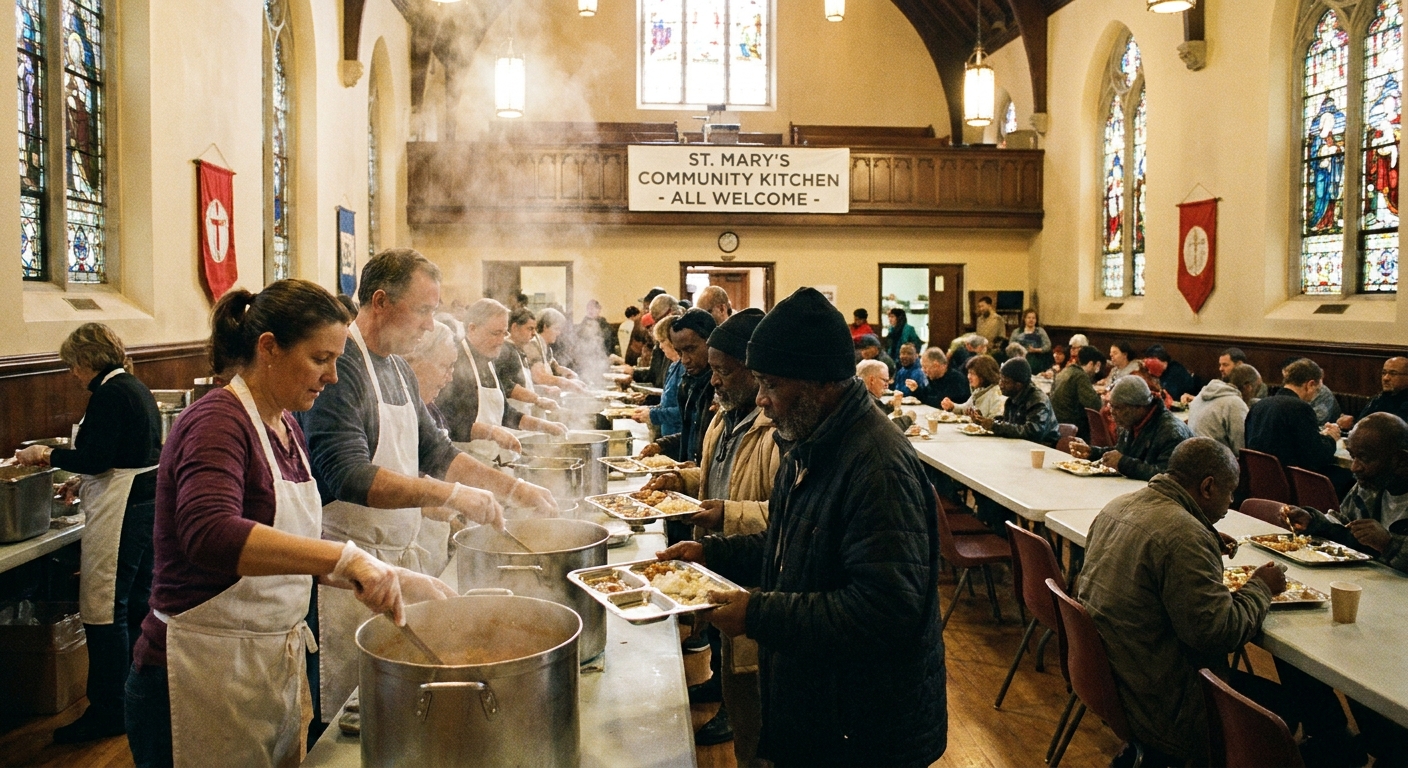
The corporal works of mercy focus on material and physical care, like feeding the hungry, giving drink to the thirsty, clothing the naked, welcoming the stranger, visiting the sick and imprisoned, and burying the dead. They train us to see Christ in bodily vulnerability.
Spiritual works: needs of the soul and mind
The spiritual works of mercy focus on interior suffering and moral confusion. They train us to see Christ in the unseen places: fear, grief, shame, loneliness, scrupulosity, anger, despair, or doubt.
In daily life, these two lists often overlap. Someone who is physically sick may also be spiritually discouraged. Someone who is materially stable may still be afflicted with anxiety or guilt. Mercy is attentive enough to notice both.
How Catholics practice each one
The spiritual works can sound intimidating at first, especially if you imagine them as formal, theological tasks. In practice, the Church understands them as ordinary, faithful acts, done with humility, prudence, and love.
1) Instruct the ignorant
What it means: Helping someone understand the truth, especially about faith and morals, when they genuinely do not know.
How it shows up in Catholic practice: Parents teaching children to pray, sponsors walking with RCIA candidates, a friend explaining what happens at Mass, a catechist teaching confirmation students, or someone gently correcting misinformation about Church teaching.
A grounded example: A coworker asks why Catholics “confess to a priest.” You offer a simple explanation about reconciliation, grace, and healing, without shaming them for asking.
2) Counsel the doubtful
What it means: Offering wise guidance to someone who is confused, uncertain, or spiritually stuck.
How it shows up in Catholic practice: Spiritual direction, pastoral counseling, a listening conversation with a trusted friend, or sharing discernment tools like examining motives, praying with Scripture, and seeking the counsel of the Church.
Important nuance: Counseling is not controlling. Sometimes the merciful response is to help someone slow down, pray, and seek clarity rather than telling them what to do.
3) Admonish the sinner
What it means: Warning someone who is doing harm to themselves or others, with the goal of repentance and restoration, not humiliation.
How it shows up in Catholic practice: Fraternal correction is part of Christian discipleship, but the Church consistently teaches it must be done with charity, appropriate timing, and a real relationship. It is also inseparable from self-examination.
A grounded example: A friend is spiraling into gossip that is damaging relationships. You name what you are seeing, ask what is going on underneath it, and invite them to a healthier way forward.
When to pause: If correction would inflame abuse, put someone at risk, or you lack the trust and prudence to speak well, the merciful choice may be to seek help, pray, or involve appropriate support.
4) Bear wrongs patiently
What it means: Enduring injuries, annoyances, and injustices without seeking revenge, while still honoring truth and appropriate boundaries.
How it shows up in Catholic practice: This is one of the most misunderstood works. Patience is not pretending harm did not happen. It is refusing to let resentment become your identity. Catholics often connect this work to Christ’s endurance in the Passion and to the practice of offering suffering in prayer.
A grounded example: You respond calmly to a cutting remark at a family gathering, and later you choose a private, honest conversation rather than retaliation in the moment.
5) Forgive offenses willingly
What it means: Choosing to release the debt you feel someone owes you, even when your feelings lag behind your decision.
How it shows up in Catholic practice: Forgiveness is woven into the Lord’s Prayer, the Sign of Peace at Mass, and especially the Sacrament of Reconciliation, where Catholics experience God’s mercy and are shaped to extend mercy to others.
Clarifying what forgiveness is not: Forgiveness does not always mean immediate reconciliation. It does not erase consequences, and it does not require staying in unsafe situations. Mercy can include distance and accountability.
6) Comfort the afflicted
What it means: Being present to those who are suffering emotionally, spiritually, or psychologically, offering compassion that does not rush to fix or explain.
How it shows up in Catholic practice: Visiting someone in grief, sitting with a friend after a diagnosis, bringing a meal, praying with someone who is anxious, or accompanying a person who feels spiritually dry.

A grounded example: Instead of saying “everything happens for a reason,” you say, “I’m here. Do you want me to sit with you, or pray with you, or just listen?”
7) Pray for the living and the dead
What it means: Interceding for others, trusting that love does not stop at distance, disagreement, or even death.
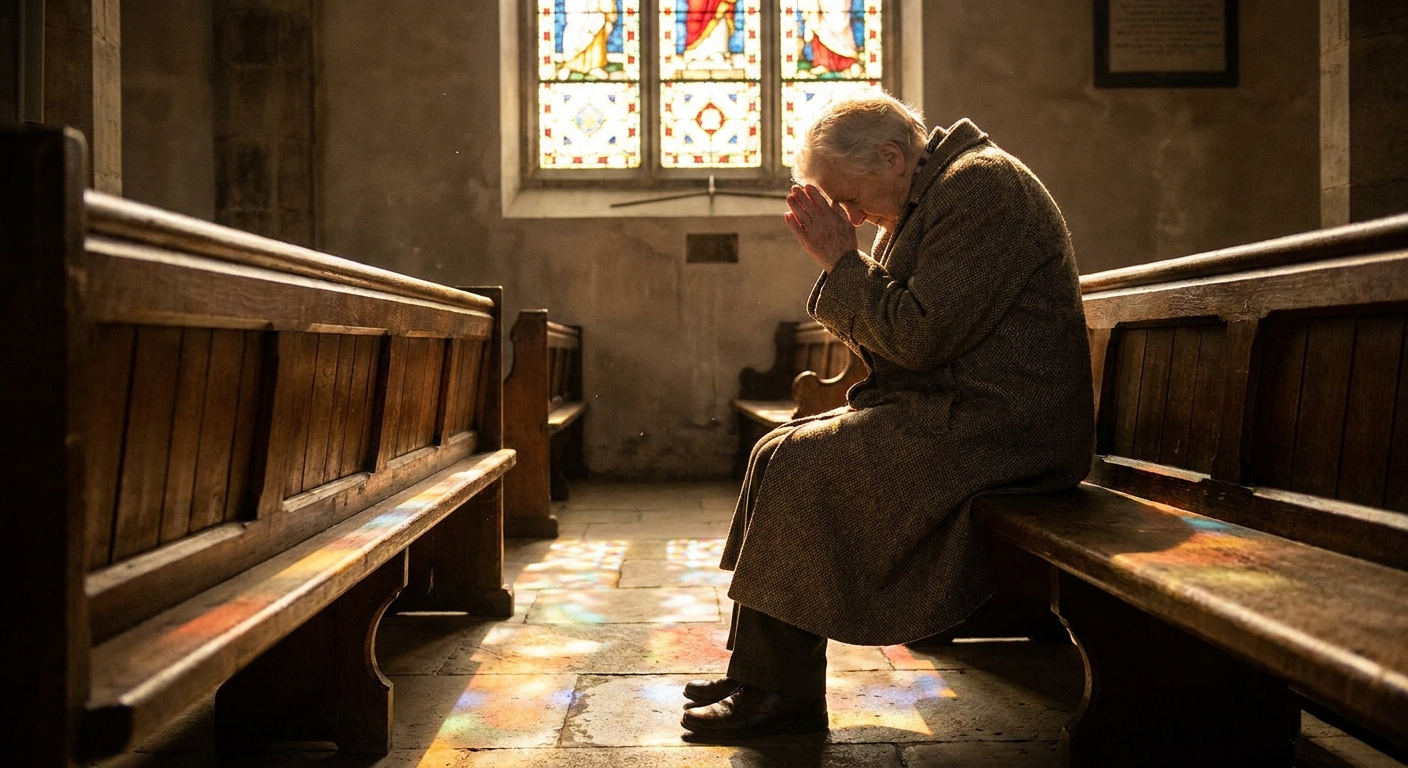
How it shows up in Catholic practice: Catholics pray for one another in daily prayer, parish intentions, Eucharistic adoration, the Rosary, and especially at Mass. Prayer for the dead is expressed through funeral liturgies, All Souls’ Day, and Mass intentions offered for those who have died.
A grounded example: You set a reminder to pray a decade of the Rosary for a friend’s recovery, and you also ask for prayers for a deceased neighbor whose family is grieving.
Where these works show up
In many parishes, the spiritual works of mercy appear most clearly in a few ordinary places:
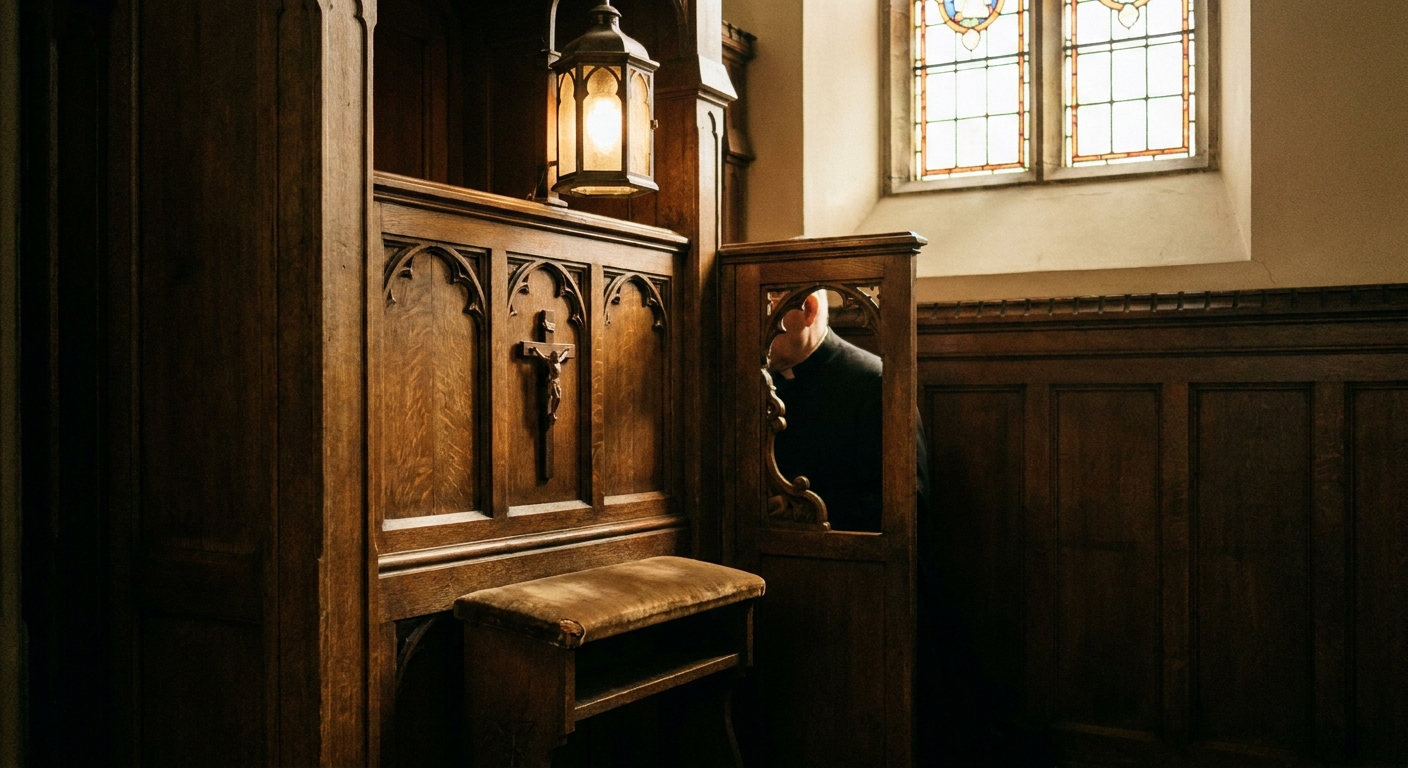
- Confession (Reconciliation): where Catholics learn both to receive mercy and to become merciful.
- Preaching and catechesis: homilies, RCIA, youth ministry, Bible studies, and faith formation classes.
- Pastoral care: hospital and prison ministry, grief support, marriage preparation, and spiritual direction.
- Prayer culture: praying for intentions, praying for the dead, and small acts of intercession in daily life.
If you have ever sat quietly after Mass and whispered, “Help them, Lord,” about someone you love, you have already stepped into this tradition.
A gentle way to begin
If the whole list feels like a lot, try starting with one question at the beginning of your day:
Who might need mercy for the heart today, not only mercy for the body?
Then choose one small, concrete act:
- Text someone who is struggling and ask how to pray for them.
- Hold your tongue in a tense conversation and return later with honesty and kindness.
- Explain one piece of the faith to someone who asked in good faith.
- Make a sincere apology, even if it costs you pride.
In Catholic spirituality, mercy is not a mood. It is a practice that slowly reshapes the person who gives it.
FAQ
Are the spiritual works of mercy in the Bible?
The exact list as “seven works” is a traditional formulation, but the actions themselves are deeply biblical: teaching, encouraging, correcting with love, forgiving, consoling the suffering, and praying for one another. Catholic teaching gathers these themes into a practical guide for discipleship.
Do Catholics have to do all seven spiritual works of mercy?
Catholics are called to be merciful as God is merciful, but how that looks varies by vocation, personality, and circumstance. Not everyone is called to teach in a classroom, for example, but everyone can pray, forgive, comfort, and seek the good of others.
What if admonishing the sinner feels judgmental?
That discomfort can be healthy. In Catholic moral theology, correction is meant to be humble, relational, and oriented toward the other person’s good. If it is fueled by contempt, it is not mercy. Often, the first step is to examine your own heart, then speak only if you can do so with real love and prudence.
How do spiritual works relate to grace?
Grace is God’s life and help given to us freely. Mercy is love meeting misery. The spiritual works of mercy are one way Christians cooperate with grace by letting God’s mercy flow through their choices, words, patience, and prayer.