Some hymns feel like they have always been in the air, as if they arrived fully formed with the scent of candle wax and old wood pews. “Nearer, My God, to Thee” is one of them. I first heard it as a child, sung slowly enough that the words seemed to climb their own invisible staircase. Years later, after studying the history behind it, I found something even more moving than the melody: the hymn’s origins are grounded in one woman’s pen, one biblical dream, and a set of tunes that traveled different paths across the Atlantic.
And then there is the Titanic. That association is real, but it belongs to the hymn’s later life, not its birth. The story starts earlier, in 1841, with Jacob’s ladder.
Jacob’s ladder
“Nearer, My God, to Thee” is rooted in Genesis 28, the moment when Jacob, traveling away from home toward Haran after conflict in his family, sleeps outdoors with a stone for a pillow and dreams of a ladder or stairway reaching from earth to heaven. Angels move upon it. God speaks. Jacob wakes startled and names the place Bethel, meaning “house of God.”
That image has endured for millennia because it holds two truths at once: the world can feel lonely and exile-like, and yet the divine can meet a person right there on the hard ground. Jacob does not reach heaven by personal heroics. Heaven comes near enough to be seen.
The hymn takes that scene and turns it into a spiritual desire: not simply to understand God, but to draw near, step by step, even through sorrow.

Sarah Flower Adams (1841)
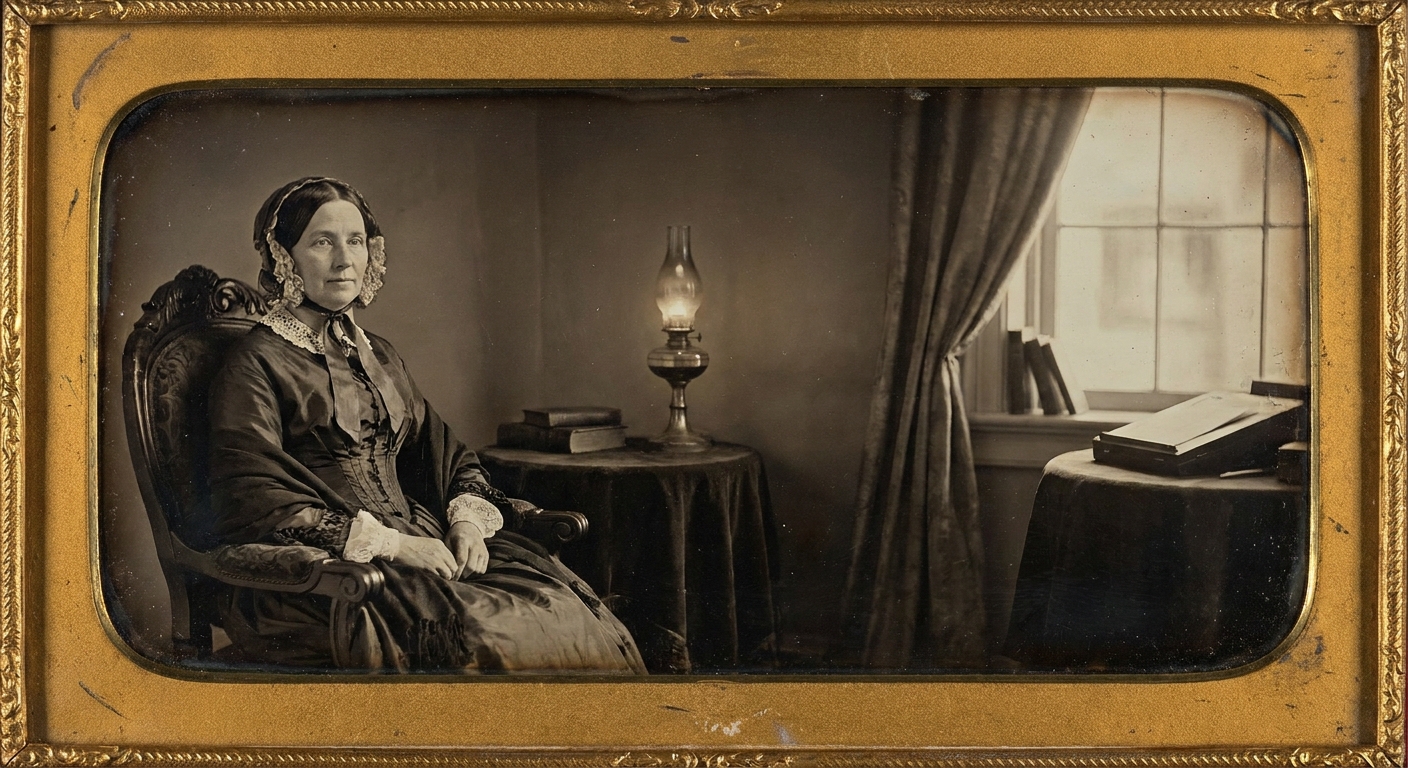
The text was written by Sarah Flower Adams (1805 to 1848), an English poet and hymn writer associated with Unitarian circles. The hymn is generally dated to 1841, and it is often linked to the ministry of the London preacher William Johnson Fox, for whom Adams and her sister Eliza Flower contributed to congregational life and worship materials.
Adams’s life was marked by both creative brilliance and fragile health. She wrote in a period when many women’s spiritual contributions were present in congregational life yet often lightly documented compared with their male contemporaries. Even so, the staying power of her hymn is its own testimony. The lines are plainspoken, intimate, and unsentimental. There is longing, yes, but also resolve:
“Still all my song shall be, nearer, my God, to Thee.”
What strikes me, reading her words closely, is how the hymn refuses to pretend that closeness to God is purchased by comfort. Adams frames hardship, even grief, as an unlikely teacher. The “cross” and “stone” are not romantic props. They are the landscape of real human life. And yet the direction is steady: nearer.
What the hymn is doing
Many modern listeners hear “Nearer, My God, to Thee” as a song about death. It can be used that way, and often is. But in its original theological logic, it is also a hymn about spiritual formation.
Notice how the ladder image works. A ladder implies movement by stages. It invites humility because no one leaps instantly to the top. It also invites hope because each rung is real progress. In my work facilitating retreats, I have seen how comforting that is for people who feel stuck. The hymn does not ask you to become luminous overnight. It asks you to take the next step, even if your pillow is a stone.
- It begins in need, not achievement.
- It reinterprets suffering as something that can draw the heart Godward.
- It ends in praise, with the soul still singing, still moving.
The tune many Americans know
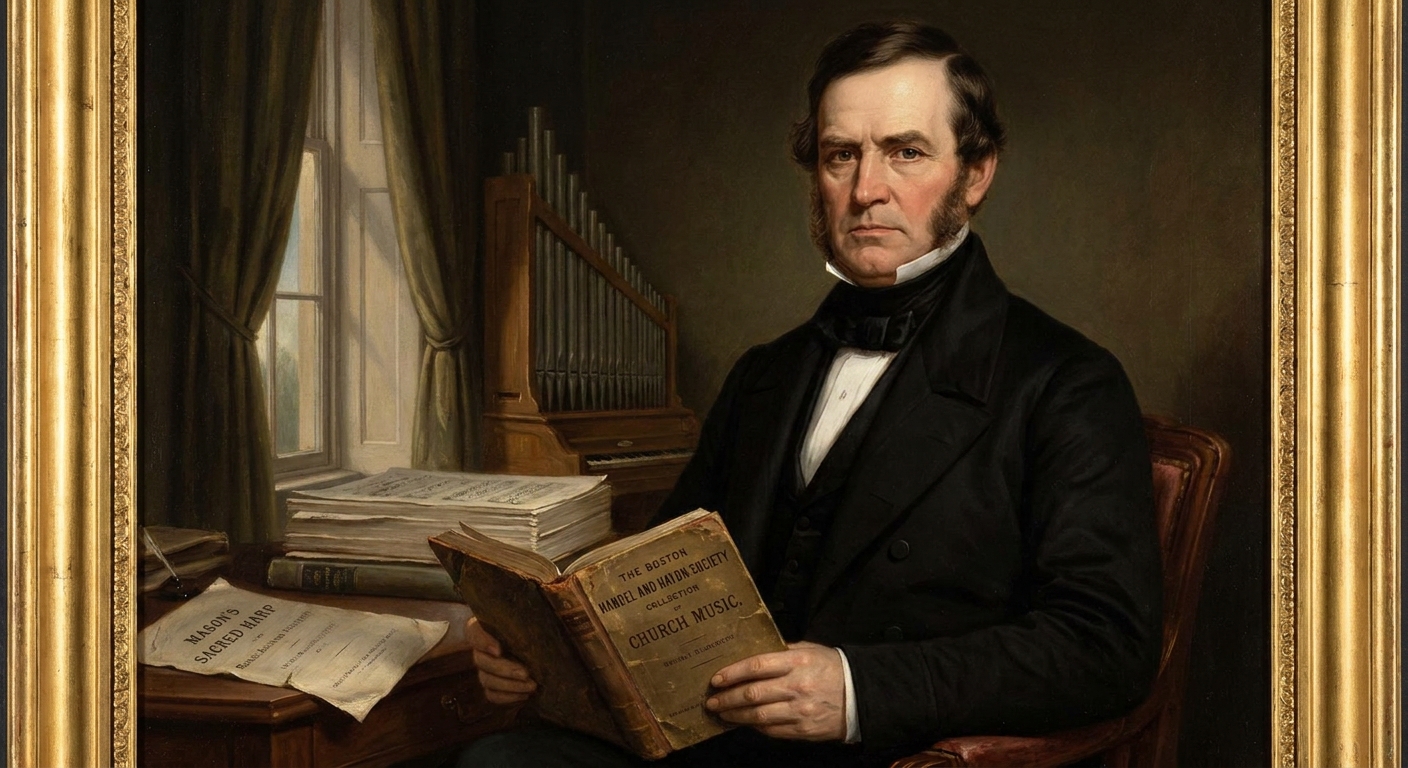
If you grew up in an American Protestant context, the tune you are most likely to recognize is “Bethany”. Many hymnals credit this melody to Lowell Mason (1792 to 1872) and typically date it to the mid 19th century.
The Mason musical world emphasized singable melodies and accessible harmonies. “Bethany” fits that ethos. It supports the text with a gentle upward pull, a sense of reaching without strain. Even when played slowly, it often feels steady rather than purely mournful, which is part of why it works both as a prayer and as a farewell.
It is also worth noting something simple but important: hymn texts and hymn tunes often have separate origin stories. A congregation might keep the same words and swap the melody, or keep the melody and pair it with different words. Over time, one pairing becomes “standard” in a region, and another pairing becomes standard somewhere else.
The British tune
In Britain, “Nearer, My God, to Thee” has often been sung to a different tune commonly known as “Horbury”, frequently credited to John Bacchus Dykes (1823 to 1876). If “Bethany” feels like a steady climb, “Horbury” can feel more like a stately procession, with a distinct character shaped by British hymnody and choral tradition.
This difference is not merely musical trivia. It changes the emotional weather of the hymn. The same words can feel intimate and personal with one melody, and communal and ceremonial with another. In my own listening, it is like hearing the same prayer spoken in a whisper one day and in a sanctuary full of voices the next.
For readers who wonder which tune is the “real one,” the honest answer is that the hymn has lived multiple faithful lives. The text belongs to Adams. The melodies belong to their own histories. Congregations adopted the pairing that best fit their sound and sensibility. Other tunes have carried the text, too, which only underlines how widely the words traveled.
Titanic came later
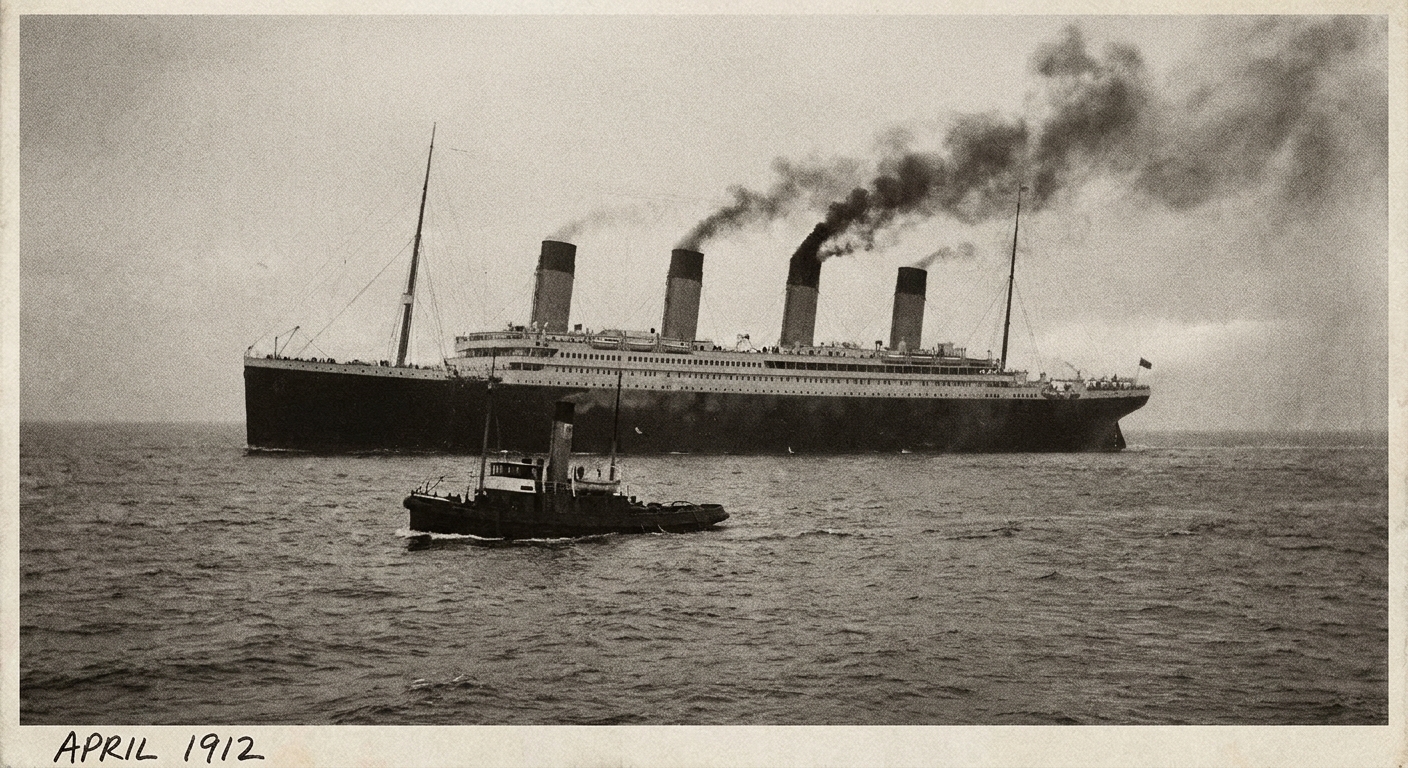
The Titanic association often looms so large that it can feel like the hymn was created for that moment. Historically, it was not. Sarah Flower Adams wrote the text in 1841, decades before the Titanic sailed.
What happened instead is something that happens to many beloved hymns: a later event adopts the hymn because the hymn already carries the emotional and theological language people need. “Nearer, My God, to Thee” is a song of yearning, courage, and ultimate trust. In the public imagination, those qualities became linked to the Titanic story, especially in retellings that describe the ship’s band playing hymns as the disaster unfolded.
It is also fair to say the historical record is not tidy. Survivors’ accounts vary, and the band’s last tune is disputed. One oft-cited possibility is “Autumn” (also known as “Songe d’Automne”). Whatever the final piece actually was, “Nearer, My God, to Thee” became the dominant cultural association later because it expressed, with stark simplicity, what people hoped they would have the courage to sing when the sea rose.
Why it still speaks
“Nearer, My God, to Thee” endures because it is spiritually honest. It does not deny pain. It does not rush past the stone pillow. It asks for nearness in the same breath as it names the hard ground.
In a culture that often treats suffering as a personal failure, this hymn offers a different posture: not “I must be fine,” but “Even here, I can move toward God.” That movement may look like prayer. It may look like forgiveness. It may look like asking for help. It may look like sitting quietly and letting the heart soften again.
For interfaith readers, too, the central intuition is widely recognizable: the Holy can feel nearer not when life is polished, but when the self is stripped down enough to be receptive. Different traditions name that mystery in different ways. The ache for nearness is nearly universal.
Quick facts
- Text: Sarah Flower Adams, 1841
- Context: Often linked to Unitarian worship life around William Johnson Fox in London
- Biblical inspiration: Genesis 28, Jacob’s dream of the ladder or stairway to heaven
- Common American tune: “Bethany,” commonly credited to Lowell Mason (mid 19th century)
- Common British tune: “Horbury,” commonly credited to John Bacchus Dykes
- Titanic connection: A later cultural association; historical accounts of the band’s last tune vary
FAQ
Who wrote “Nearer, My God, to Thee”?
Sarah Flower Adams wrote the hymn text in 1841. The words are inspired by Jacob’s ladder in Genesis 28.
Is Lowell Mason the author of the hymn?
No. Sarah Flower Adams wrote the words. In the United States, the hymn is commonly sung to “Bethany,” a tune widely credited to Lowell Mason.
What is “Horbury”?
“Horbury” is a different tune commonly used for “Nearer, My God, to Thee” in Britain and often credited to John Bacchus Dykes. Many hymn texts exist with multiple tunes, depending on regional tradition and hymnals.
Was “Nearer, My God, to Thee” played on the Titanic?
The hymn is strongly associated with Titanic retellings, but the hymn itself was written long before the disaster. Survivors’ accounts differ, and the band’s last tune is disputed. “Nearer, My God, to Thee” is best understood as a later chapter in the hymn’s cultural memory, not its origin.
What does the hymn mean spiritually?
At its heart, it is a prayer for closeness to God through every circumstance, including grief and hardship. Using Jacob’s ladder, it frames spiritual life as a steady ascent, one step at a time.