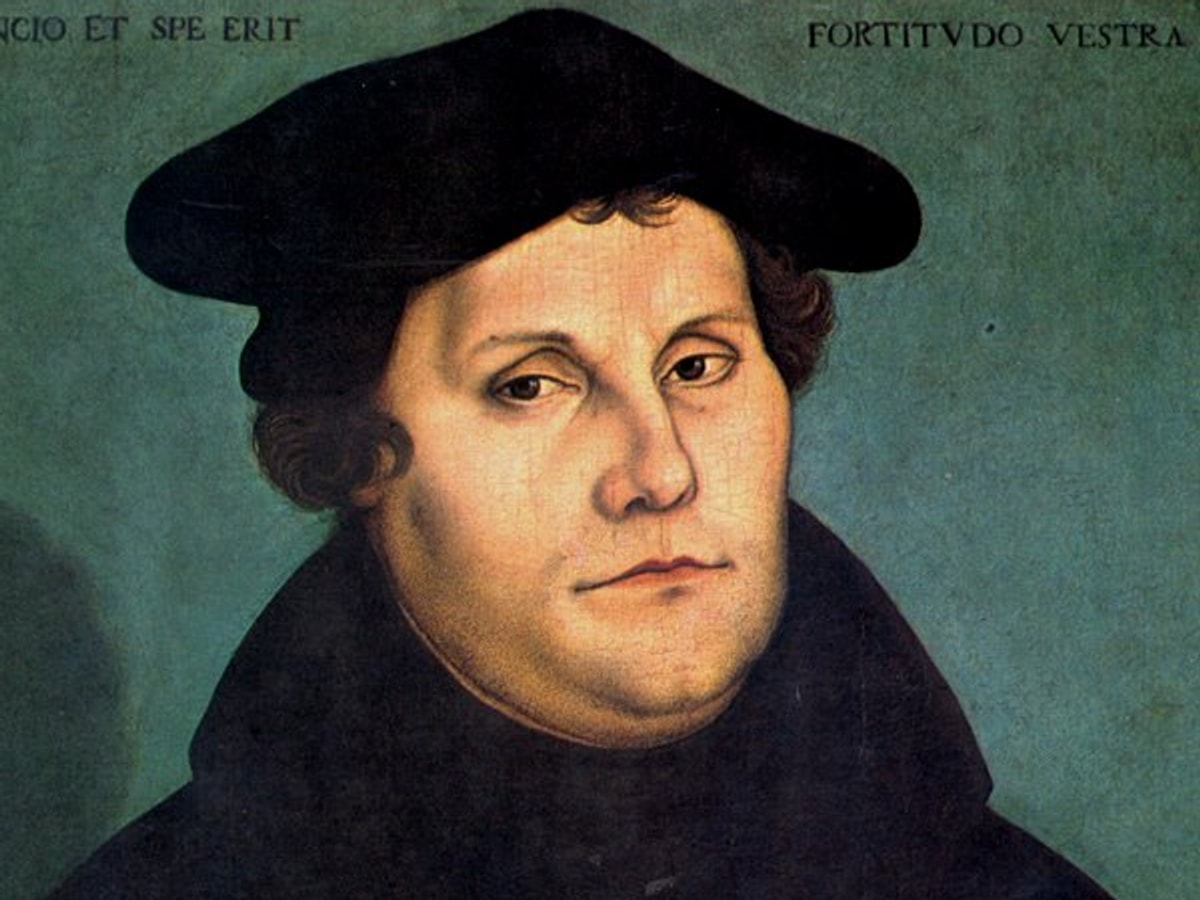
I used to think the Diet of Worms sounded like a medieval fast, or perhaps an ill-advised menu choice. Then I learned it was neither. It was a formal imperial assembly in the German city of Worms, and in 1521 it became the stage for one of the most consequential moments in Western Christian history: Martin Luther was ordered to take back what he had written, and he refused.
It is easy to tell this story like a courtroom drama, with a lone hero and a villainous empire. The truth is more human and, in a way, more spiritually unsettling. The Diet of Worms forces a question that still visits many of us in quieter forms: what do you do when conscience and authority collide?
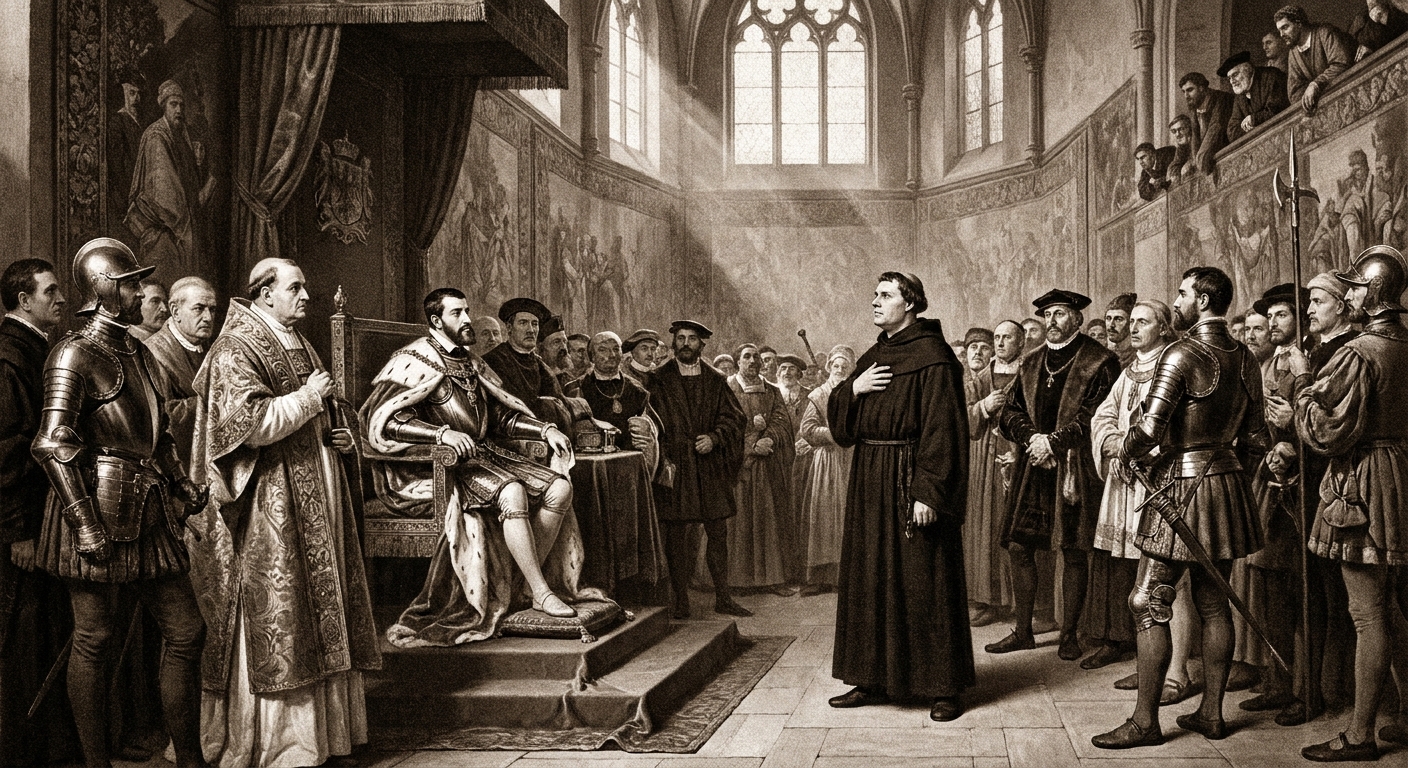
First, what does “Diet” mean here?
In the Holy Roman Empire, a diet was an official assembly, a meeting where the emperor and the empire’s political and religious leaders dealt with major issues. The Diet of Worms was not about food. It was about order: theological order, political order, and the unity of an empire trying to hold together under immense pressure.
Worms refers to the city on the Rhine River, in present-day Germany. In early 1521, people arrived there not for a festival but for deliberations with high stakes. The emperor himself would preside.
Why Charles V summoned Martin Luther
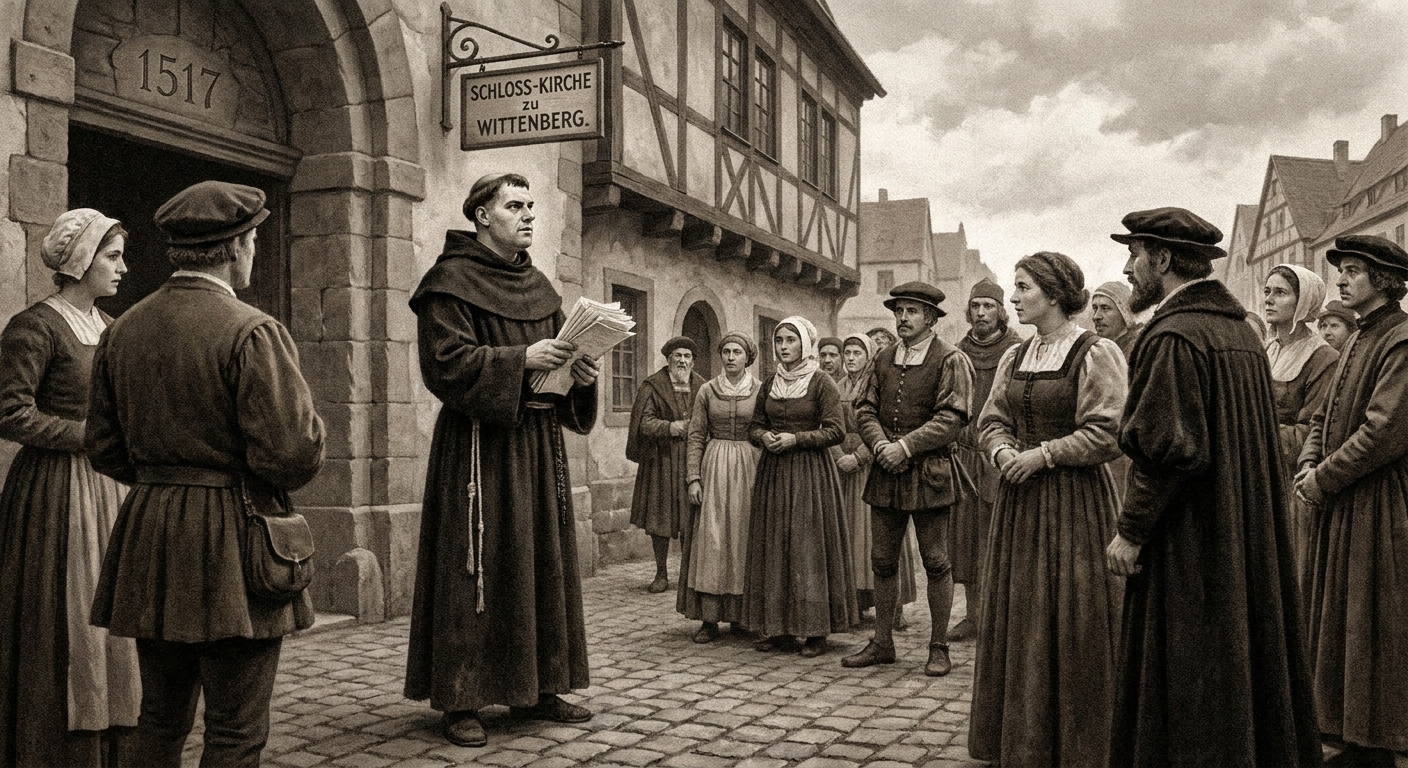
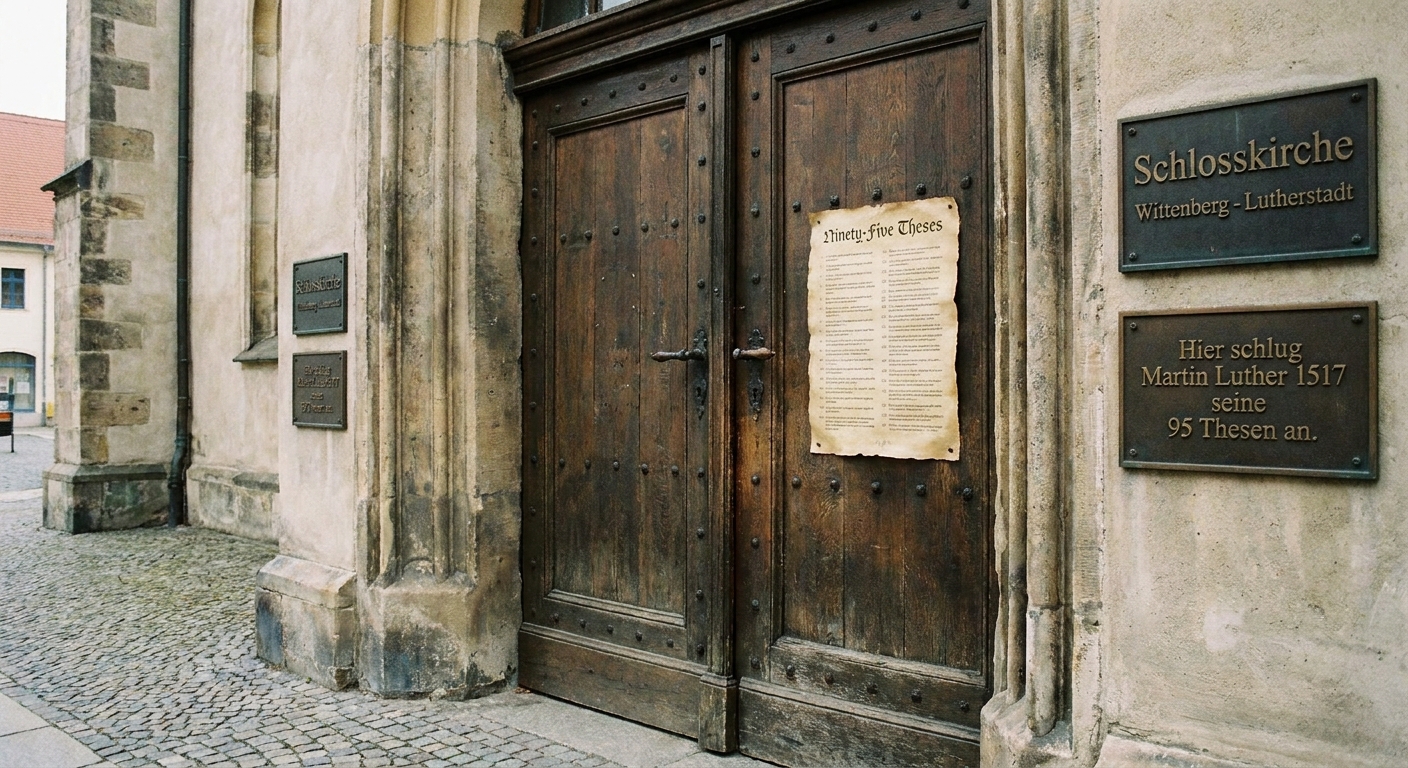
By the time Luther arrived in Worms, the conflict had been building for years. The famous 95 Theses (1517) were part of the background, but the situation had grown far beyond a scholarly dispute over indulgences.
A controversy that would not stay local
Luther’s writings were spreading quickly, helped by the printing press and by the hunger of ordinary Christians and reform-minded clergy for change. He was questioning not only abuses in practice, but also deeper assumptions about authority, repentance, and the church’s power to mediate salvation.
The empire’s unity was at stake
Charles V had just become Holy Roman Emperor. He inherited a sprawling realm with competing loyalties and external threats. A theological rupture could become a political fracture, especially when local princes and city leaders began taking sides.
Pressure from Rome and church authorities
In 1520, Pope Leo X issued the bull Exsurge Domine, condemning many of Luther’s teachings and warning him to recant. Luther publicly burned it in December 1520, an act that made reconciliation far less likely. His excommunication was then formalized in January 1521 in Decet Romanum Pontificem.
From the perspective of both the church hierarchy and imperial governance, the question became urgent: would Luther submit, or would he be treated as a destabilizing heretic?
Safe conduct and old betrayals
One of the details that always catches my breath is that Luther went to Worms under a promise of safe conduct. This was a formal guarantee that he could travel to the Diet, speak, and return without being harmed.
Still, the promise had a haunting precedent. A century earlier, Jan Hus had been granted safe conduct to the Council of Constance and was nevertheless arrested and executed. Many people feared Luther would meet the same fate.
Luther went anyway.
What happened at Worms (1521)
The Diet met in Worms in 1521, with Luther appearing in April. What took place was not a free-flowing debate in the modern sense. It was a controlled proceeding with a simple demand.
The books on the table
Luther was presented with a collection of his writings. He was asked two questions: were these books his, and would he retract what they contained?
According to accounts, Luther requested time to consider his answer. He was granted a day.
The next day, the question returned
When Luther returned, he acknowledged the writings. But rather than a blanket retraction, he made distinctions. Some works, he argued, were devotional and widely accepted. Others attacked abuses and oppression, and retracting them would strengthen wrongdoing. Still others contained harshness he did not defend, but the underlying issues remained.
The officials wanted a clear yes or no. The moment narrowed. Luther’s response became a hinge point in Christian history.
Luther’s most famous line is often paraphrased as: “Here I stand, I can do no other.” The exact wording varies by source, and some historians treat the phrase as possibly later embellishment. Even so, early accounts consistently preserve the substance of his stand: he would not recant unless convinced by Scripture and clear reason.
“Unless I am convinced…”
The core of Luther’s refusal was not framed as stubborn individualism, at least not in his own telling. He argued that popes and councils could err and had contradicted themselves. Therefore, he said, his conscience was bound to the Word of God, and he could not retract without being shown he was wrong.
Whatever one thinks of Luther’s theology, the spiritual intensity of this claim is hard to miss. He was placing ultimate authority not in institutional office but in Scripture as he understood it, and in conscience held accountable to God.
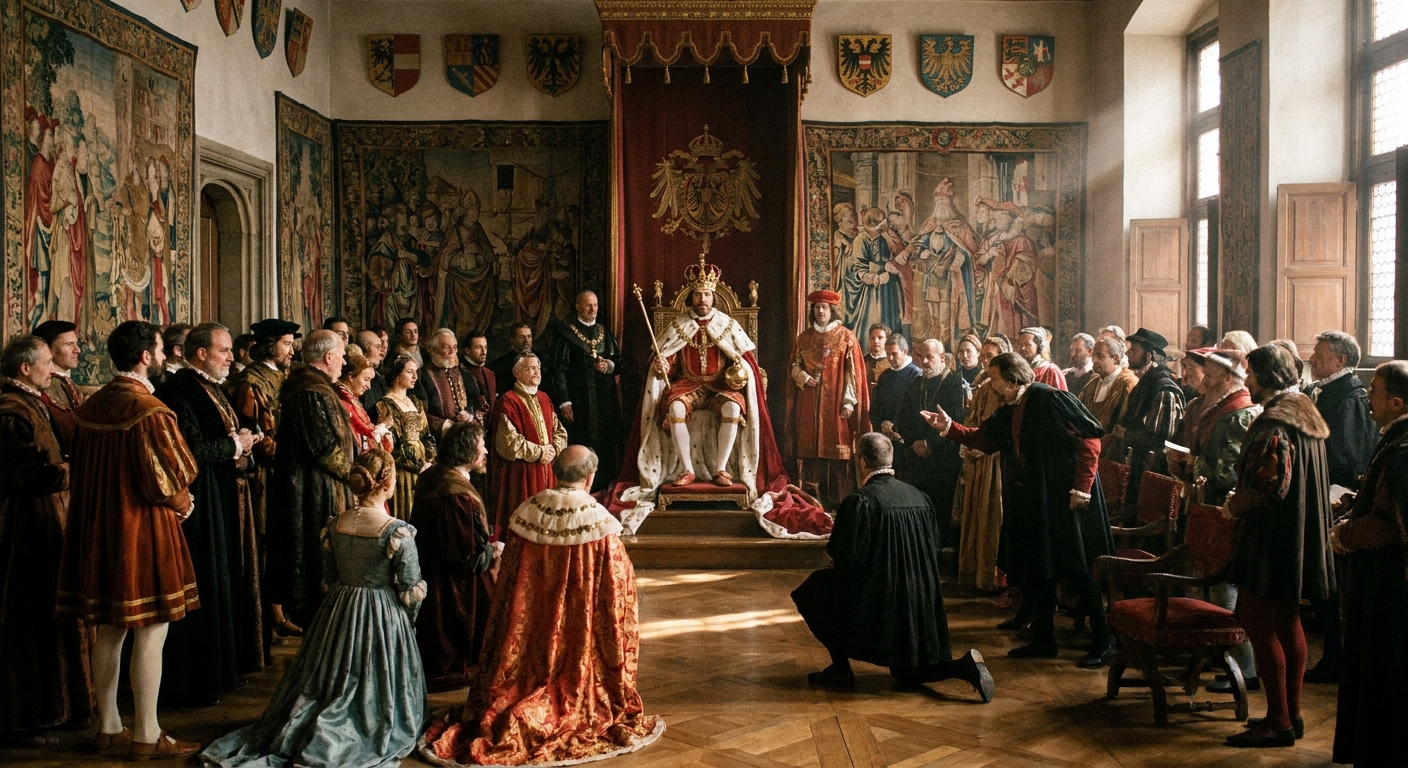
Why Luther’s refusal mattered
Many Christians today, across denominational lines, feel the ripples of this moment without realizing it. Luther’s stand at Worms did not singlehandedly create the Protestant Reformation, but it crystallized the crisis.
- Authority: Who has the final say in matters of faith, Scripture, church tradition, councils, or the papacy?
- Conscience: What does it mean to say conscience is accountable to God, and how do we discern responsibly rather than impulsively?
- Unity: How much diversity of teaching can the church hold before it becomes a different church?
- Power: How do political interests shape what looks like purely religious decision making?
At Worms, those questions were not theoretical. They were backed by law, livelihood, and the threat of force.
The Edict of Worms
After Luther’s examination, the Diet produced what is known as the Edict of Worms (1521). Issued by Charles V at the close of the Diet in May 1521, it declared Luther an outlaw under imperial law and condemned his writings.
Key effects of the edict
- Luther was placed under an imperial ban, meaning he could be arrested and punished, and anyone aiding him could face consequences.
- His writings were banned, and their printing and distribution were prohibited.
- The movement was marked as dangerous, at least in official imperial terms, even if enforcement varied by region.
Importantly, the Holy Roman Empire was not a modern centralized state. Local rulers held significant power, and enforcement depended on politics and protection networks. That reality became part of how the Reformation survived.
How Luther left Worms
Luther was permitted to leave Worms under the terms of the imperial safe-conduct, which was time-limited. It did not protect him from later outlawry, and it did not make the road home safe in any practical sense.
On the return journey, he was taken into protective custody by allies, most notably Frederick the Wise, Elector of Saxony. Luther was brought to Wartburg Castle, where he lived in hiding for a time.
This period mattered because Luther continued working. One of the most enduring fruits was his translation of the New Testament into German, which influenced the development and standardization of written German and helped shape Protestant spirituality.

Was it a trial?
It can feel like a trial, but it was not a modern legal proceeding with equal time, cross-examination, and an open debate on doctrine. It was an imperial hearing designed to secure a recantation and restore unity.
Luther’s critics saw him as disobedient to rightful authority. Luther and his supporters saw the demand to recant as a demand to deny truth. Two different visions of the church and the world were standing face to face.
Common misconceptions
“It was just about the 95 Theses.”
The 95 Theses were part of the origin story, but by 1521 the dispute involved a much wider body of Luther’s writings and the theological implications they carried.
“Everyone at Worms wanted Luther dead.”
There were certainly forces who wanted him silenced, but political realities were complex. Some leaders sought reform, some sought stability, and many sought to protect their own territories. Luther’s survival was tied to this web of interests.
“Luther invented freedom of conscience as we mean it today.”
Luther’s language about conscience is pivotal, but it was not a modern, anything-goes individualism. He claimed conscience bound to God’s Word. That is a narrower idea than contemporary slogans, and it came with its own strictness.
A gentle spiritual takeaway
I sometimes think about Worms when someone tells me they are afraid to ask hard questions in their faith community. Most of us will never stand in an imperial hall with the weight of an empire pressing down. But we may know the inner version of it: a moment when staying quiet feels safer, and speaking honestly feels costly.
The Diet of Worms does not hand us an easy moral. It does, however, invite a sober kind of courage, the kind that seeks truth carefully, refuses cheap certainty, and still tries to act with integrity.
And if you are someone who has been hurt by religious power, it can also be a reminder that institutions are not infallible, and that faith, at its best, is never only about compliance. It is also about conscience, humility, and the long work of reforming what we love.
FAQ
When was the Diet of Worms?
The Diet of Worms took place in 1521. Martin Luther appeared before the assembly in April of that year.
Who was present at the Diet of Worms?
Holy Roman Emperor Charles V presided, alongside imperial princes, political leaders, and church officials. Luther appeared to answer for his writings.
What did Luther refuse to do?
He refused to recant his writings unless he was convinced by Scripture and clear reasoning that he was wrong.
What was the Edict of Worms?
The Edict of Worms (1521) declared Luther an outlaw and banned his writings, making it illegal to support or shelter him under imperial law.
Did the edict stop the Reformation?
No. Enforcement varied, and Luther had powerful protectors. The Reformation continued to spread through preaching, printing, and political support in various territories.