When I was growing up in a multi-faith household, I learned early that different traditions have different ways of naming what breaks the heart of God and harms the human community. Some lists are about inner habits, some are about outward actions, and some are warnings meant to stop us in our tracks.
In Catholic moral teaching, “the sins that cry to heaven” are in that last category. They are not presented as the only serious sins, but as a small set of injustices so corrosive that Scripture depicts them as calling out to God for judgment.
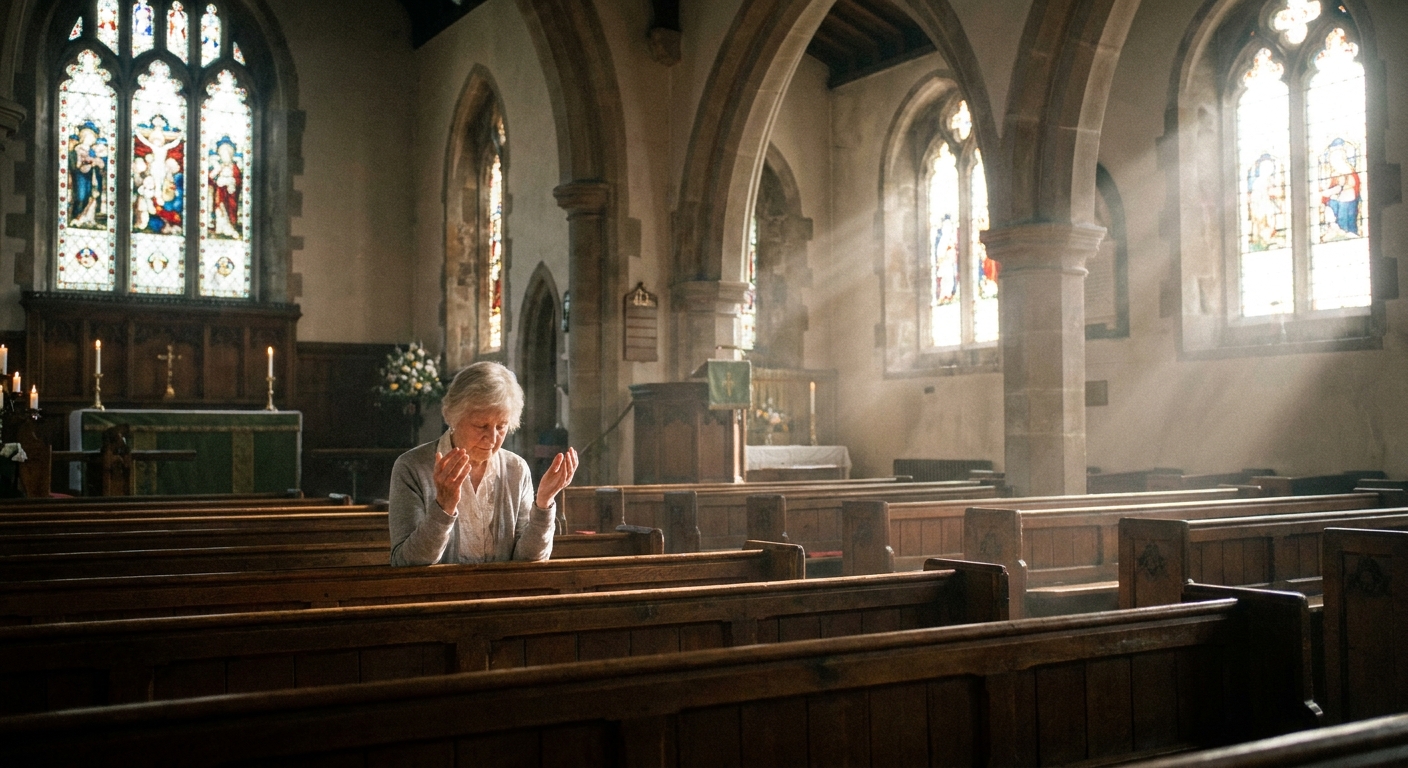
What does “cry to heaven” mean?
The phrase comes from the Bible’s way of speaking about certain wrongs as having a kind of moral weight that cannot be ignored. Think of it as an alarm bell. In these stories, God “hears” the cry because the suffering is real, public, and urgent.
This “cry” language is also biblical, human language for divine attention (anthropomorphic language). It does not mean God learns new information, but that God is portrayed as responding decisively to grave injustice.
The Catechism of the Catholic Church groups these wrongs under “sins that cry to heaven” within its broader discussion of sin and the moral law. In paragraph CCC 1867, it lists four:
- the blood of Abel
- the sin of the Sodomites
- the cry of the people oppressed in Egypt
- the cry of the foreigner, the widow, and the orphan
Below are the traditional Scripture passages associated with each one, along with what the Church is emphasizing morally. (As with many catechetical lists, these are representative prooftexts, not the only places Scripture speaks about the same realities.)
The four sins that cry to heaven (with Scripture)
1) Willful murder: “The blood of Abel”
Scripture: Genesis 4:10 (often read with Genesis 4:8–10)
“What have you done? The voice of your brother’s blood is crying to me from the ground.” (Gen 4:10)
Related passages: Genesis 9:5–6; Numbers 35:33
What this points to: the deliberate taking of innocent human life, and the violence that follows when envy, resentment, or dehumanization is allowed to harden into action.
Why the Catechism treats it as especially grave: life is foundational. To attack a person’s life is to attack the most basic good that makes any other human good possible. Genesis portrays the act as not merely private wrongdoing but as something that wounds the earth itself, staining the ground and rupturing communion between humans.
In everyday terms, this is a warning about the end of the road when we decide another person is disposable.
2) Grave sexual sin and cruelty: “The sin of the Sodomites”
Scripture: Genesis 18:20–21 and Genesis 19:1–29
“Because the outcry against Sodom and Gomorrah is great and their sin is very grave…” (Gen 18:20)
Related passages: Ezekiel 16:49–50; Jude 1:7
What this points to: In the Genesis narrative, the immediate scene is attempted sexual violence and humiliation of strangers. Across the broader biblical witness, Sodom becomes a symbol of entrenched, arrogant injustice that expresses itself in cruelty, exploitation, and abuse.
How Catholic tradition has read it: Catholic moral tradition has applied this heading broadly to grave sexual sin, and many traditional treatments also connect it to same-sex acts. At the same time, the Scriptural narrative foregrounds a community willing to violate and degrade the vulnerable, and the prophets explicitly name Sodom’s pride, neglect of the poor, and hard-heartedness.
Why the Catechism treats it as especially grave: the cry here is the cry of people endangered by a community that has normalized contempt for human dignity. However one parses the category, the moral center remains clear: God’s opposition to sexual wrongdoing and social patterns that treat persons as objects to be used, dominated, or discarded.
A needed pastoral note: this topic is often discussed with more heat than care. If you have been harmed sexually, the “cry” Scripture takes seriously includes yours. The moral center is God’s opposition to abuse and exploitation.
3) Oppression of a people: “The cry of the people oppressed in Egypt”
Scripture: Exodus 3:7–10
“I have witnessed the affliction of my people in Egypt and have heard their cry… I know well what they are suffering.” (Ex 3:7)
Related passages: Exodus 2:23–25; Isaiah 10:1–2
What this points to: systemic oppression, forced labor, and the crushing of a people through unjust power.
Why the Catechism treats it as especially grave: this is not a one-time offense. It is the repeated, organized denial of human freedom and dignity, often defended by ideology, economics, or fear. Exodus depicts God as the liberator who “comes down” in response to suffering that has become structural.
Many of us hear this and think immediately of history’s great atrocities. But it also invites a sober look at smaller patterns that become “normal”: workplaces that exploit, institutions that silence, policies that discard the vulnerable.
A “cry to heaven” is what happens when injustice is entrenched enough that victims have no earthly recourse.
4) Defrauding the vulnerable: “The cry of the foreigner, the widow, and the orphan”
Scripture: Exodus 22:20–23 (in many Bibles, 22:21–24)
“If you afflict them in any way and they cry out to me, I will surely hear their cry.” (Ex 22:23)
Related passages: Deuteronomy 10:18; Deuteronomy 24:14–15; James 1:27; James 5:4
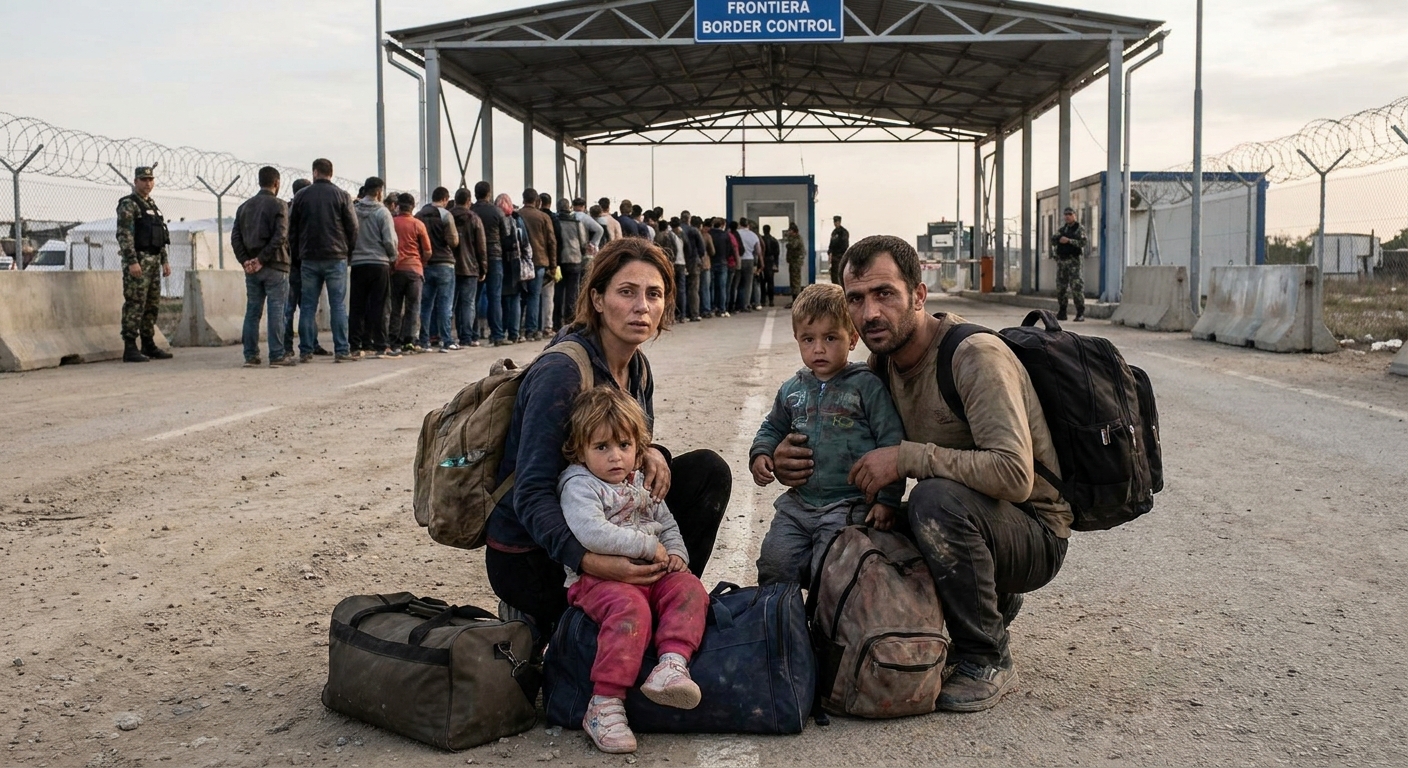
What this points to: exploiting those with the least protection: immigrants and outsiders (the “foreigner” or sojourner), widows, and orphans. In the ancient world, these were people especially at risk of poverty, legal powerlessness, and abuse.
Why the Catechism treats it as especially grave: Scripture repeatedly measures a society by how it treats those who cannot easily defend themselves. To defraud the vulnerable is not only theft or neglect. It is a betrayal of neighbor-love where the power imbalance is greatest.
Today, the “foreigner, widow, and orphan” can include refugees, the unhoused, the elderly, children in unstable situations, single parents, and anyone whose safety net is thin. The moral claim remains: God hears what we train ourselves not to hear.
Why these four are treated as uniquely grave
All serious sin damages our relationship with God and neighbor. But catechisms single out these four because they share a particular profile:
- They involve grave harm to others, not just private moral failure.
- They are often committed through power: physical strength, social dominance, legal advantage, economic leverage, or cultural entitlement.
- They create victims who “cry out” because ordinary protections fail them.
- They can become normalized, woven into a community’s habits until the community no longer recognizes its own cruelty.
It also helps to say plainly what this list is and is not. It is a catechetical grouping meant to sharpen conscience and moral imagination. It is not a separate “official category” of sin parallel to mortal and venial.
In other words, these sins are “loud” in Scripture because they are forms of injustice that multiply suffering and corrode the moral imagination of whole societies.
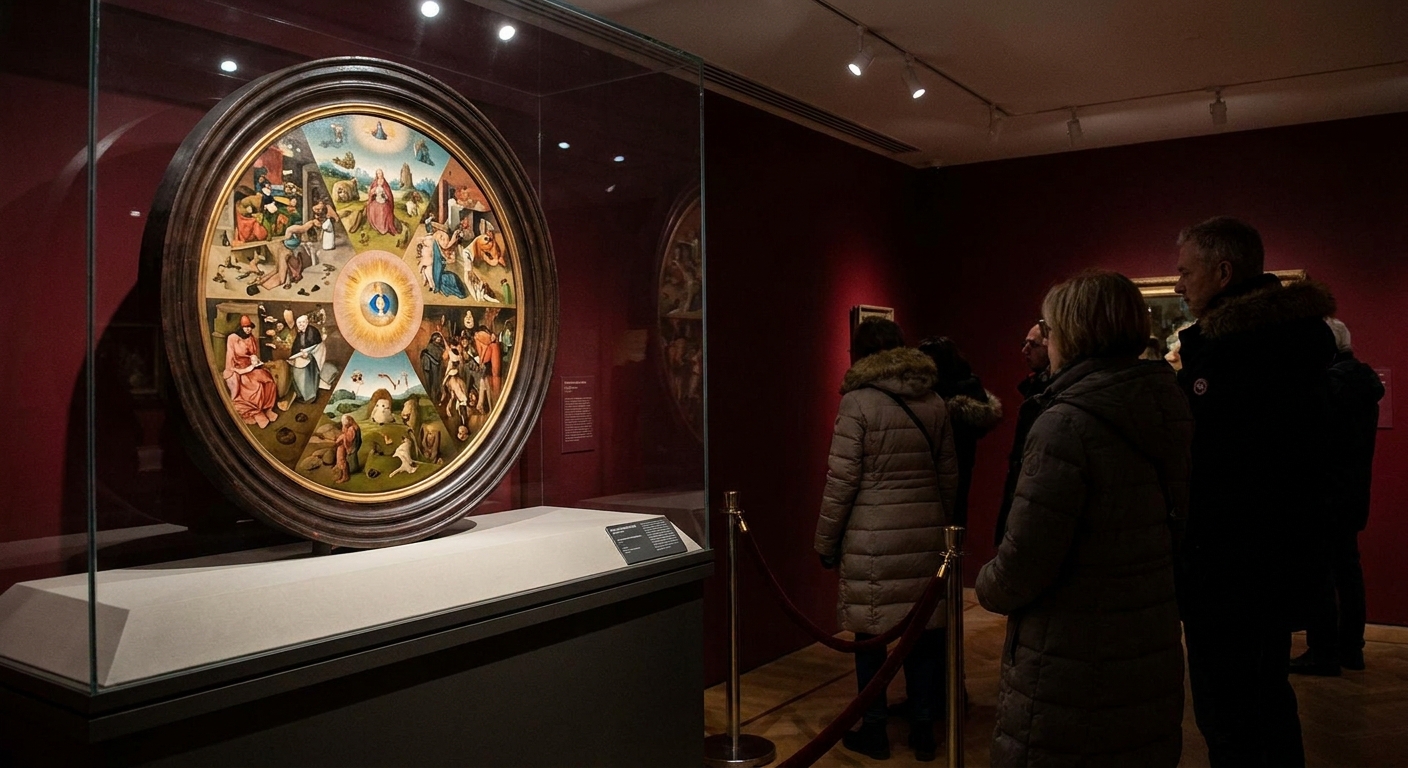
Seven capital vices vs. “cry to heaven” sins
This is where many people understandably get tangled. The “sins that cry to heaven” are not the same thing as the “seven deadly sins,” more accurately called the seven capital vices.
Cry to heaven sins
- What they are: specific, concrete injustices
- How they function: a prophetic alarm about serious harm and oppression
- Where they show up: anchored in particular biblical narratives (Genesis and Exodus)
Seven capital vices
- What they are: root dispositions that can generate many other sins
- Traditional list: pride, greed, lust, envy, gluttony, wrath, sloth
- How they function: a map of the heart, diagnosing spiritual patterns that lead us away from love
A helpful way to say it is this: capital vices describe the inner “engines” of sin, while the sins that cry to heaven highlight outward acts and systems that devastate human lives.
Are they always mortal sins?
In Catholic teaching, an action is mortal sin when three conditions are present: grave matter, full knowledge, and deliberate consent. The four “cry to heaven” sins are typically classified as grave matter because of the severity of the harm involved.
That said, moral responsibility can be affected by factors like coercion, severe fear, impaired judgment, or ignorance. None of that makes harm “fine” or unimportant. It simply acknowledges that God’s judgment sees deeper than external appearances.
If you are examining your conscience and feeling overwhelmed, you are not alone. Many people find it grounding to speak with a trusted pastor, confessor, or spiritual director who can help you name what happened, what you intended, and what healing or repair is possible now.
What repentance can look like
Because these sins involve deep harm to others, repentance is usually more than private sorrow. It often includes some form of truth-telling, restitution, and changed behavior. Not as a checklist to earn forgiveness, but as the ordinary shape of love when love has wounded someone.
- For violence: seeking accountability, renouncing dehumanizing attitudes, and protecting life.
- For sexual wrongdoing: naming harm honestly, pursuing real conversion, and centering the safety and dignity of others.
- For oppression: dismantling exploitative practices, advocating for the harmed, and refusing benefit that depends on cruelty.
- For defrauding the vulnerable: returning what was taken, repairing what can be repaired, and building habits of generosity and justice.
One of the quiet miracles of spiritual life is that we do not have to stay who we were. Grace does not erase consequences, but it can make transformation possible.
FAQ
Where does the phrase “sins that cry to heaven” appear?
The wording is drawn from Scripture’s repeated motif of “crying out” to God in cases of grave injustice. The Catholic list is found in Catechism of the Catholic Church 1867, which points to specific biblical episodes.
Are there only four?
In the catechetical tradition, the standard list is four. Scripture, however, contains many examples of grievous injustice that provoke divine concern. The list functions as a focused moral warning, not an exhaustive catalog.
Is this list the same as the “seven deadly sins”?
No. The seven capital vices are habitual inner tendencies. The “cry to heaven” sins are particular injustices, often involving violence or oppression, that Scripture depicts as crying out for judgment.
Why pair each sin with specific Bible passages?
Because the teaching is rooted in narrative, not abstraction. These are stories about real harm: a brother murdered, strangers threatened, a people enslaved, and vulnerable persons exploited. The passages keep the moral lesson anchored in lived reality.