I first learned “How Great Thou Art” the way many of us do: not from a hymnal footnote, but from the way a sanctuary seems to widen when the congregation reaches the chorus. It is one of those songs that feels like it has always been here, like it arrived already seasoned by centuries of prayer.
But its path is surprisingly specific, and remarkably human. It begins with a Swedish pastor-poet walking home after a storm. It passes through German and Russian Christian culture in the early 1900s. Then it lands, transformed, in the English phrasing that churches sing today, shaped by the missionary life of Stuart K. Hine.
A storm and a Swedish poem
The origin story most often told about “How Great Thou Art” is not romantic in the usual sense. It is elemental.
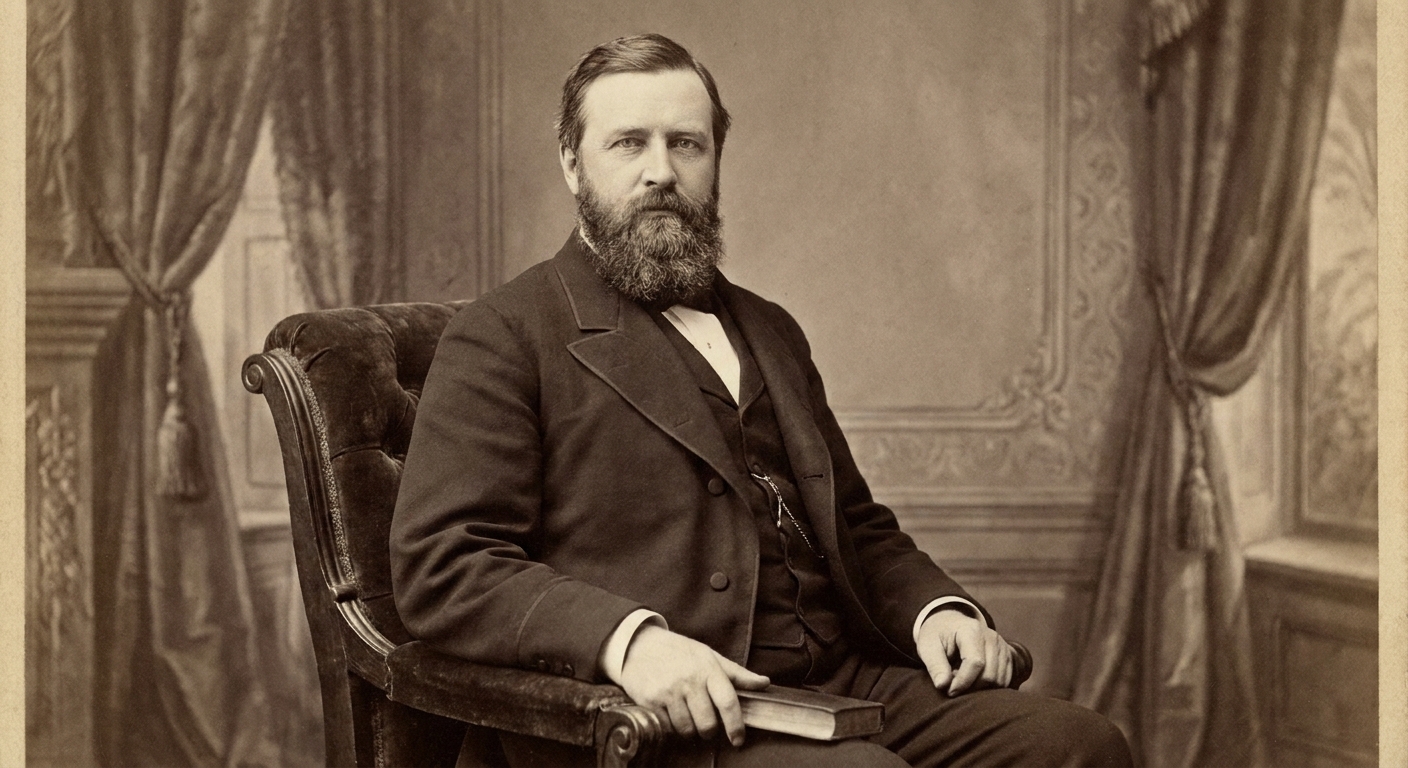
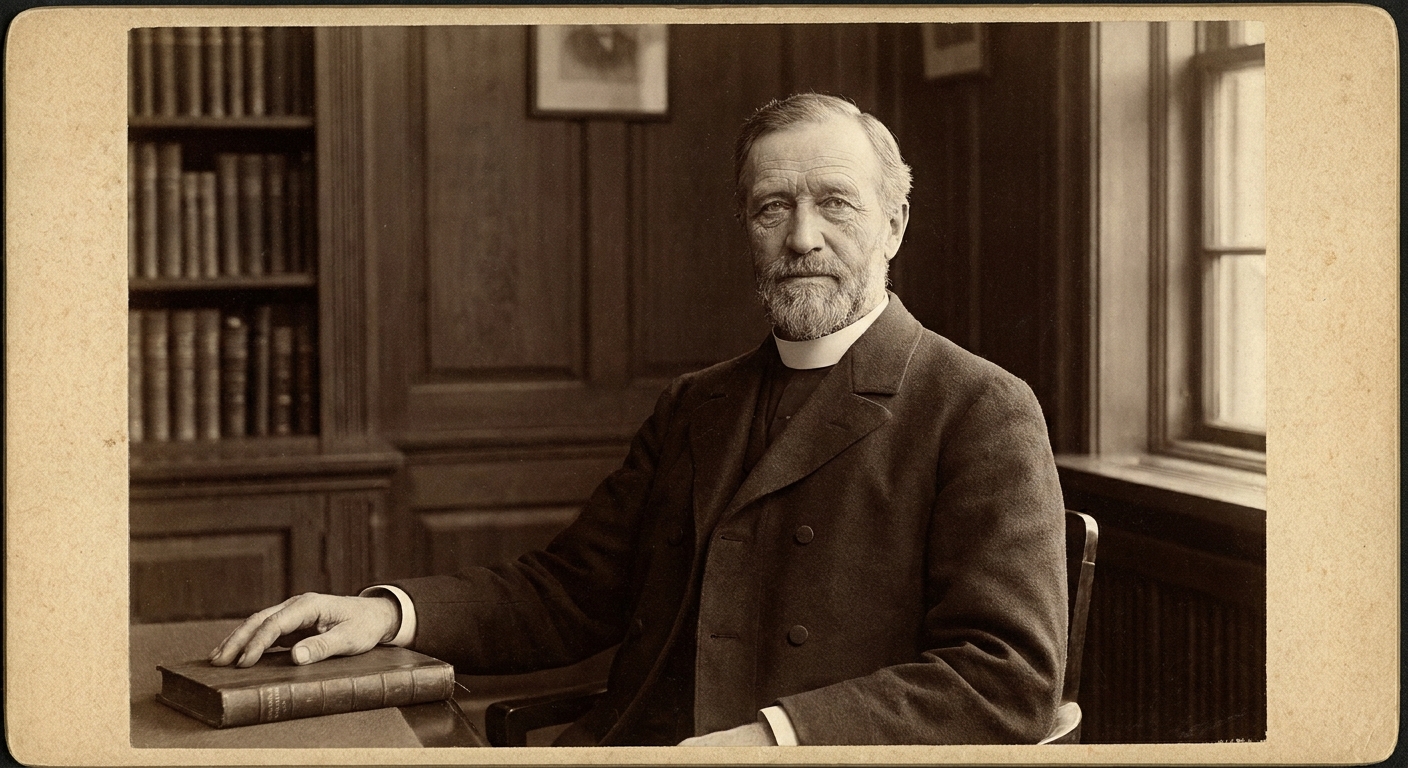
In the mid-1880s, Swedish pastor and parliamentarian Carl Boberg wrote a poem titled “O Store Gud” (“O Great God”). Many hymn histories date the writing to 1885 and the publication shortly after. And according to the traditional account repeated in those histories, Boberg had been out in nature when a thunderstorm broke, intense and loud. After it passed, the sky cleared, and the world returned to a kind of rinsed brightness. The swing from terror to tranquility became the spiritual hinge of his poem: creation’s power, creation’s beauty, and the human impulse to respond with worship.
Boberg’s original text is more than a nature lyric. It moves through three distinct layers of praise:
- The grandeur of creation, including wind, thunder, and the “mighty world.”
- The comfort of God’s nearness, experienced not as an abstract idea but as a presence felt in the world.
- The wonder of redemption, where awe before nature widens into awe before Christ.
Even in Swedish, you can hear the spiritual logic of it. The storm does not merely frighten, it awakens. The quiet afterward does not merely soothe, it invites reflection. The poem insists that the natural world can become a doorway into reverence.

The tune that carried it
One detail that often gets lost in the lyric-focused retelling is the music. In many hymnals, the tune is treated as a traditional Swedish folk melody that became closely associated with Boberg’s text as it spread. However your hymnal credits it, the point is simple: the hymn did not travel as words alone. It traveled because the words found a singable home.
Swedish to German
Poems travel when communities adopt them, and Boberg’s text did. Over the following decades, “O Store Gud” moved beyond Sweden through translation and musical setting.
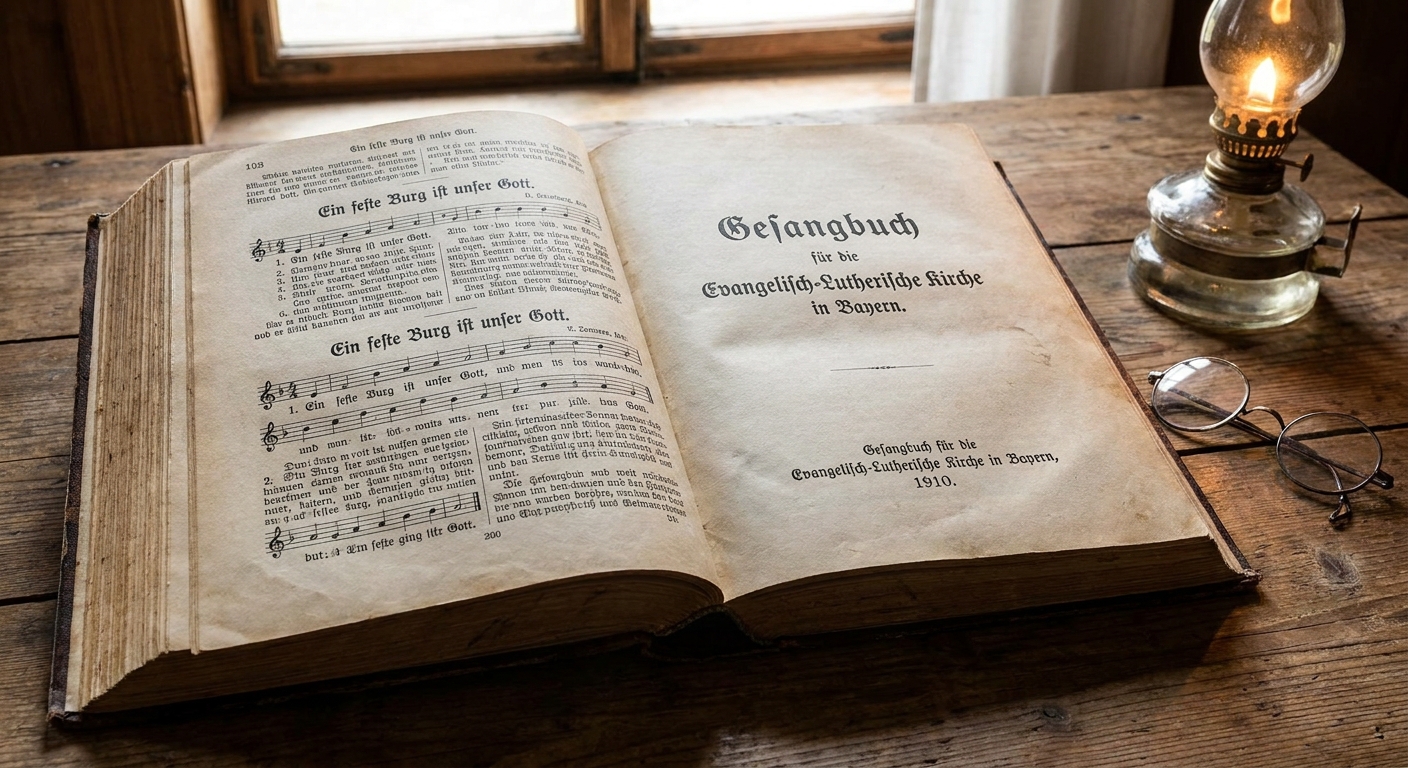
One key step was a German translation, commonly linked to Manfred von Glehn (often dated to 1907) and circulated under the title “Du großer Gott” (“You Great God”). This was more than a linguistic swap. In that era, German-language hymnody and Christian publishing were major conduits for devotional texts across Northern and Eastern Europe. German often functioned like a bridge language for religious materials on the move.
In the process, the piece begins to look less like a stand-alone poem and more like a hymn that can be carried by a congregation. Structure matters here: the steady, recurring refrain makes communal singing possible, even when the verses are detailed and poetic.
The Russian version
The story becomes even more unexpected when the text enters Russian Christian life.
A Russian version appeared that drew from the earlier Swedish and German streams. It is often associated with the Russian evangelical leader and hymn compiler Ivan S. Prokhanov, with many accounts dating that publication to 1912. In Russian-speaking Christian communities, translated hymns circulated through gatherings, song sheets, and later, choirs.
This Russian step matters for one reason above all: it is the version Stuart K. Hine encountered. Hine was not reading Swedish in an Oxford library. He was hearing a living song in worship, in the language of the people among whom he served.
Sometimes we imagine hymn history as neat paperwork. In reality, it is frequently carried by memory, voice, and small communities that love a song enough to keep singing it until it crosses borders.
Stuart K. Hine in English
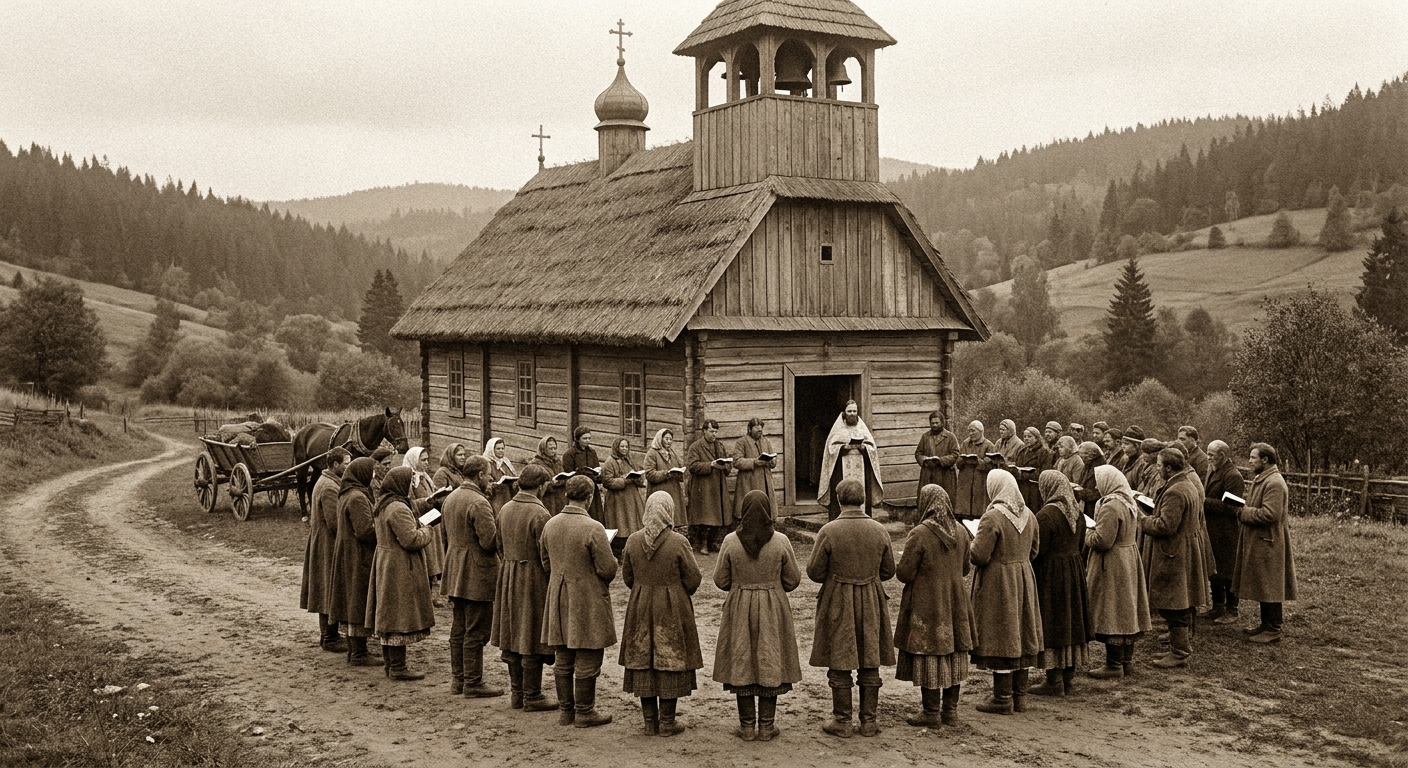
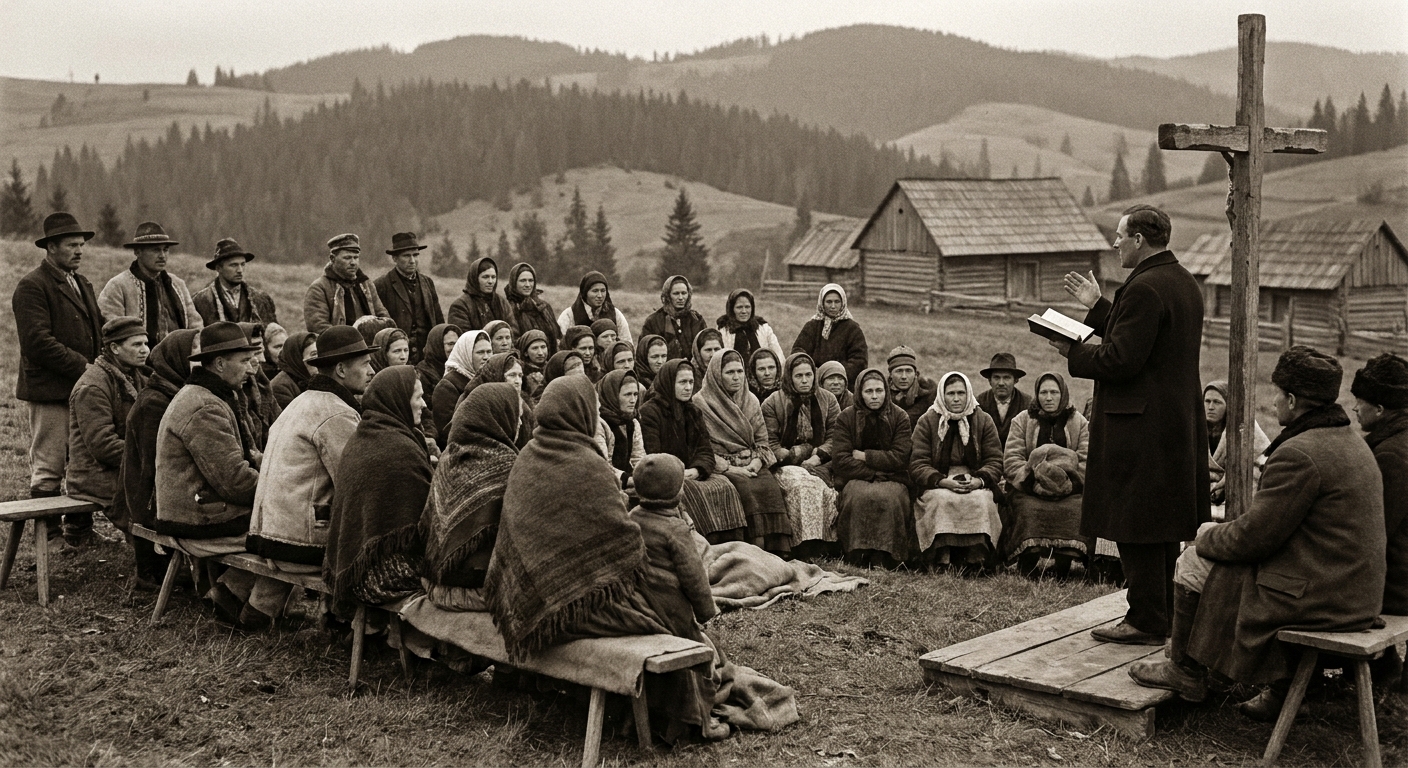
Stuart K. Hine (1899 to 1989) was a British missionary and hymn translator. In the 1930s, he and his wife served in the Carpathian region, in territory that is now in western Ukraine, working among local evangelical believers.
Hine heard the hymn in Russian, and he began shaping an English version that could be sung naturally, not merely read. That distinction is everything. A literal translation might preserve each noun and verb but fail the test of worship: singability, cadence, breath, and emotional honesty.
Hine’s English text kept the heartbeat of Boberg’s original awe, but it also expanded the hymn’s narrative arc. His work turned a powerful poem into the global hymn many churches recognize today.

What Hine added
If you only know the hymn from the most common verses sung in English, you might assume it has always been exactly this way: creation, cross, second coming. But that particular shape is, in large part, Hine’s, and he is commonly credited with writing and refining key English verses over time.
1) A verse about Christ’s return
One of the most distinctive contributions associated with Hine is the verse that looks toward Christ’s return: “When Christ shall come with shout of acclamation…” This forward-looking hope is not just doctrinal decoration. It reflects how many missionary communities, especially under social and political pressure, clung to the promise that history is going somewhere. That hope is not escapism. It is endurance.
2) A verse that preaches
Hine is also commonly credited with crafting lines that tie nature’s grandeur more explicitly to the gospel story, especially in the well-known verse: “And when I think that God, His Son not sparing…” That verse functions almost like a short homily set to melody. It gathers up awe and directs it toward the cross.
Missionary work, at its best, is not simply travel. It is translation in the deepest sense: listening for what a community fears, what it hopes, what it needs, and then speaking the faith in words that can be held. Hine’s additions feel like the fruit of that kind of listening.
How it went global
It is tempting to explain the hymn’s spread as a single moment of fame. In reality, “How Great Thou Art” became global because it traveled through several different kinds of faith communities, each one acting like a relay runner:
- Swedish Christians embraced Boberg’s poem as a sung confession of wonder.
- German-language channels helped the text circulate more widely in European devotional life.
- Russian-speaking believers carried it into worship settings where it was heard, not merely printed.
- Stuart K. Hine rendered it into English with an ear for congregational singing and a missionary’s instinct for testimony.
Then came the American gospel and revival world. In the 1950s, the hymn was famously popularized through Billy Graham crusades, where George Beverly Shea sang it to vast crowds. After that, it was not just a beloved hymn. It was a public anthem of faith, carried by radio, recordings, and the muscle memory of mass singing.
In other words, the hymn did not conquer the world through a marketing plan. It spread the way many spiritual treasures spread: because people sang it when they needed it.
Why the chorus still works
There is a reason the refrain feels at home in so many denominations and worship styles. It makes a single, spacious claim: “Then sings my soul, my Savior God, to Thee, how great Thou art.”
Notice what it does not demand. It does not require a detailed creed in the chorus. It does not specify a narrow ritual. It simply names a relationship (my soul, my Savior God) and responds with wonder (how great Thou art).
In mixed-faith community events and civic memorial services, I have watched people who do not share identical theology still recognize the human motion here: encountering grandeur, feeling small in a healthy way, and letting that smallness become praise rather than shame. The hymn has room in it.
Quick timeline
- Mid-1880s: Carl Boberg writes “O Store Gud”; the poem is published shortly after.
- 1907: A German translation, commonly attributed to Manfred von Glehn, circulates as “Du großer Gott.”
- 1912: A Russian version associated with Ivan S. Prokhanov circulates in Russian evangelical contexts.
- 1930s onward: Stuart K. Hine encounters the hymn in the Carpathian region and begins shaping an English version for congregational singing, continuing to refine and expand verses over time.
- 1950s: The hymn becomes widely known in the English-speaking world through revival and gospel platforms, including Billy Graham crusades featuring George Beverly Shea.
FAQ
Who wrote “How Great Thou Art”?
The hymn’s origin is a Swedish poem, “O Store Gud,” written in the mid-1880s by Carl Boberg. The English hymn most churches sing today is largely shaped by Stuart K. Hine, who translated and expanded the text after encountering it in Russian-speaking worship settings.
Was “How Great Thou Art” originally Swedish?
Yes. It began as Swedish poetry. Over time, it traveled through other languages, including German and Russian, before reaching its best-known English form.
Did Hine translate directly from Swedish?
Hine is commonly associated with translating from the version he heard and worked with in Russian contexts. His English text is not just a word-for-word rendering. It is a crafted hymn, shaped by the multilingual chain that came before it.
Did Boberg write the melody?
Boberg wrote the original Swedish text. In many hymnals, the tune used for “How Great Thou Art” is credited as a traditional Swedish folk melody, sometimes with later arrangement credits depending on the hymnal.
What did Hine add?
Hine is commonly credited with English verses that expand the hymn’s focus beyond creation into Christ’s saving work and the hope of Christ’s return. Those additions reflect both evangelical preaching themes and the lived realities of communities he served among.
A last reflection
Whenever I sing this hymn now, I picture that first thunderstorm not as a quaint anecdote but as a spiritual lesson, told and retold because it rings true. The world can be loud and frightening. Then it can turn luminous without warning. Both experiences can teach reverence, if we let them.
“How Great Thou Art” is, in that sense, a hymn with weather in its bones. It remembers the storm. It remembers the clearing. And it hands us words for the moment when awe rises in the chest and becomes prayer.