The first time I remember singing “When I Survey the Wondrous Cross”, I was a teenager wedged between relatives whose faith did not always align. One side of the family carried hymnals like heirlooms. Another side did not sing at all, at least not in church. Yet when the opening line rose, something in the room quieted. The hymn did not argue. It simply invited us to look.
That is the quiet strength of Isaac Watts’s text. It does not rush past the cross as a familiar symbol. It asks us to survey it, slowly, honestly, and with the kind of attention that changes the person doing the looking.
Who wrote it, and when?
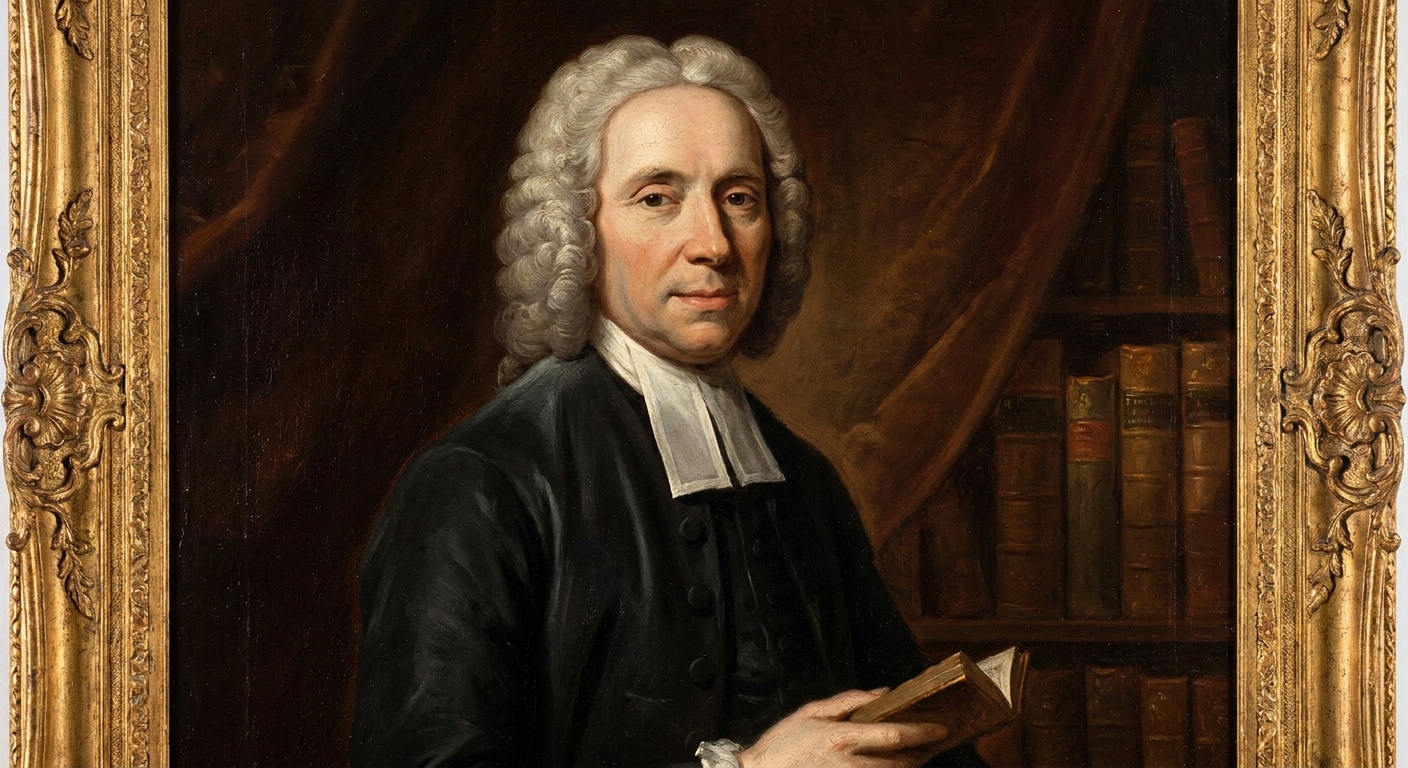
“When I Survey the Wondrous Cross” was written by Isaac Watts, the English Nonconformist minister and poet, and published in 1707 in Hymns and Spiritual Songs. It appears in Book III, a section especially associated with hymns for the Lord’s Supper.
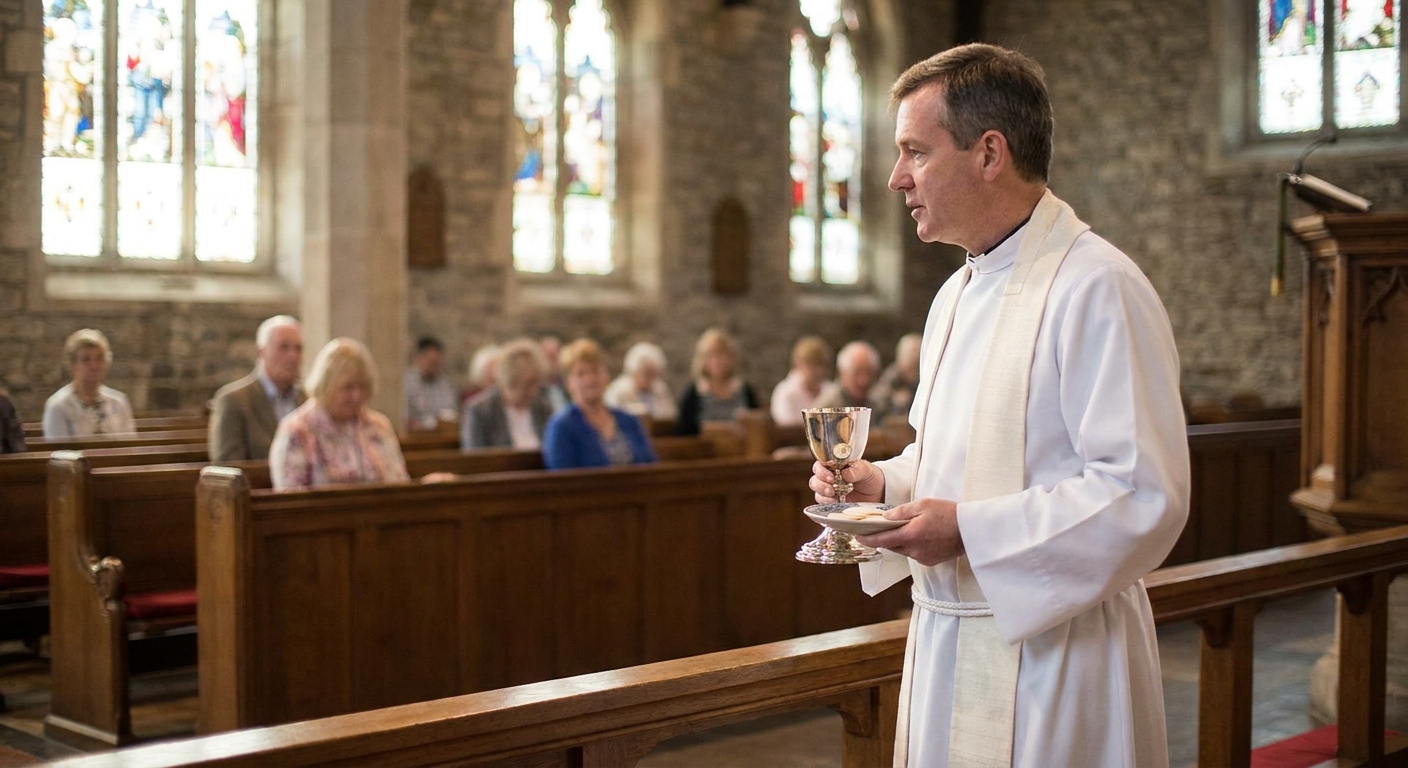
In many churches today, the hymn is sung throughout Lent and especially on Good Friday. But its first placement matters: Watts introduced it among communion-focused hymns, which helps explain the text’s intimacy. The words were meant to be prayed in the presence of bread and cup, with the Passion story not merely remembered but received.
Watts belonged to a stream of English Protestantism that sometimes worried about “human words” in worship. Yet Watts believed the church needed language that could speak directly, personally, and biblically to the heart. This hymn remains one of his clearest examples of that conviction.
What does it mean to “survey” the cross?
In modern English, survey can sound technical, like measuring a property line. But in Watts’s day, the word carried a richer sense: to look over carefully, to contemplate, to take in with attentive regard.
So when Watts asks singers to “survey the wondrous cross,” he is inviting more than a glance. He is calling for a spiritual practice. To survey is to:
- Stay with the scene, rather than moving quickly to explanation or resolution.
- Let the cross reinterpret “glory”, especially the glory we chase in status, accomplishment, or being right.
- Allow the gaze to become confession, as pride softens into humility.
That is why the opening line lands with such force. It sets the posture for the whole hymn: not performance, not certainty, but attention.
The hymn’s turning point
The hymn’s emotional center is a reversal of values that many singers feel in their bodies before they can explain it. Watts places two worlds side by side: the world that rewards ambition, and the world revealed at Calvary.
One of Watts’s most quoted lines comes early:
“When I survey the wondrous cross
On which the Prince of Glory died,
My richest gain I count but loss,
And pour contempt on all my pride.”
Notice how personal the language is. Watts does not say, “Human pride is wrong.” He says my pride. My richest gain. The cross becomes a mirror. It shows what the soul has been calling “profit,” and then quietly dismantles the illusion.
In spiritual direction, I have watched this happen in real time. Sometimes a person comes to prayer carrying a mental ledger of achievements, regrets, and fears. Then a text like this one slows them down long enough to see what they have been worshiping without meaning to. Watts is doing that kind of work here, training attention until the heart follows.
Why the imagery matters
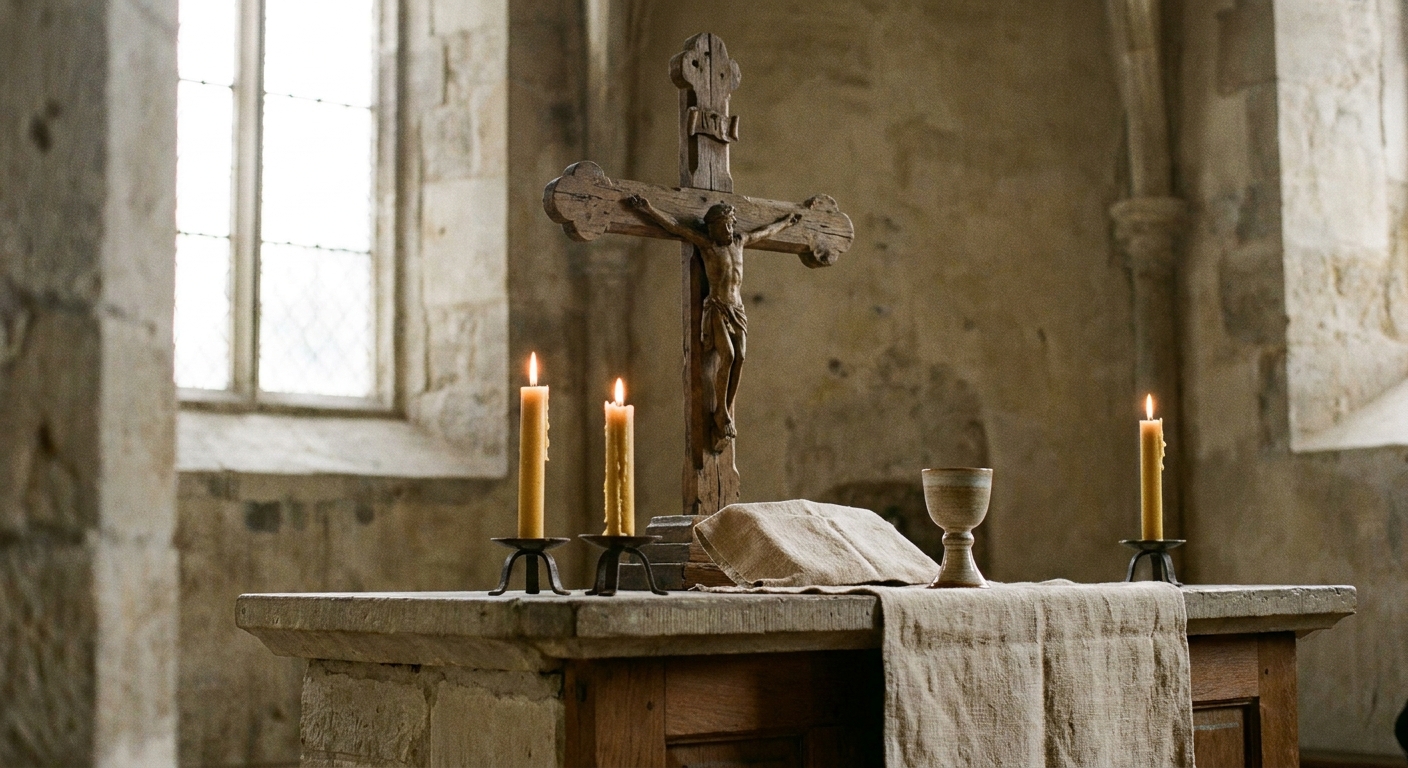
One reason this hymn remains so vivid is Watts’s use of concrete imagery. He does not keep the cross abstract. He directs the singer’s eyes:
“See, from his head, his hands, his feet,
Sorrow and love flow mingled down!”
Whether you approach the crucifixion through a high-church sacramental lens, a low-church evangelical lens, or a more questioning posture, the line still does something. It joins two realities we often separate:
- Sorrow, the honest naming of suffering and cost.
- Love, not as sentiment, but as self-giving.
Watts refuses to let the cross become either pure tragedy or pure triumph. It is both. That “mingled” feeling is, for many of us, where real faith lives.
“Love so amazing”: the final demand
The hymn culminates in a response that is both tender and demanding. Watts does not ask for vague appreciation. He moves toward a whole-life offering:
“Love so amazing, so divine,
Demands my soul, my life, my all.”
For some singers, the word demands can feel sharp. But Watts is not describing an abusive ultimatum. He is describing the moral weight of grace. If what the cross reveals is true, then the appropriate response is not minimal. It is total.
In my multi-faith family, I have watched people recoil from religious pressure, and I understand why. But this line lands differently when it is heard as an inner awakening. It is not “you must.” It is “how could my life remain untouched?”
Text variants you might notice
If you have sung this hymn in different churches, you may have noticed small differences across hymnals. The most common is the final stanza, often printed as:
“Were the whole realm of nature mine,
That were an offering far too small;
Love so amazing, so divine,
Demands my soul, my life, my all.”
Some hymnals modernize wording, adjust punctuation, or choose slightly different readings of a line. The heart of the text stays the same, but the variations can be a gentle reminder that congregational singing is a living tradition, shaped by editors, worshiping communities, and time.
Melodies and meter
Watts wrote words, not a definitive tune. Like many hymn texts, “When I Survey the Wondrous Cross” traveled through different musical settings until certain pairings became beloved.
Part of the reason it fits multiple melodies is its meter: it is written in Long Meter (LM), a common pattern in English hymnody. That shared structure makes it singable to several tunes that congregations already know.
Two melodies in particular have carried it into modern worship across denominations: Rockingham and Hamburg.
Rockingham
Rockingham is often linked to the 18th-century English tradition and is commonly attributed in hymnals to Edward Miller. Its steady, dignified movement supports the hymn’s reflective mood and gives space for the text to breathe, especially in lines that turn inward, such as “my richest gain I count but loss.” In many congregations, Rockingham feels like the “classic” sound for this hymn: measured, reverent, and communal.
Hamburg
Hamburg is widely associated with American hymnody and is commonly attributed to Lowell Mason in the 19th century. It tends to feel more expansive and lyrical, carrying the long arc of Watts’s phrases, particularly in the final stanza. When Hamburg is played slowly, it can feel like a procession. When played a touch more firmly, it can feel like a solemn vow.
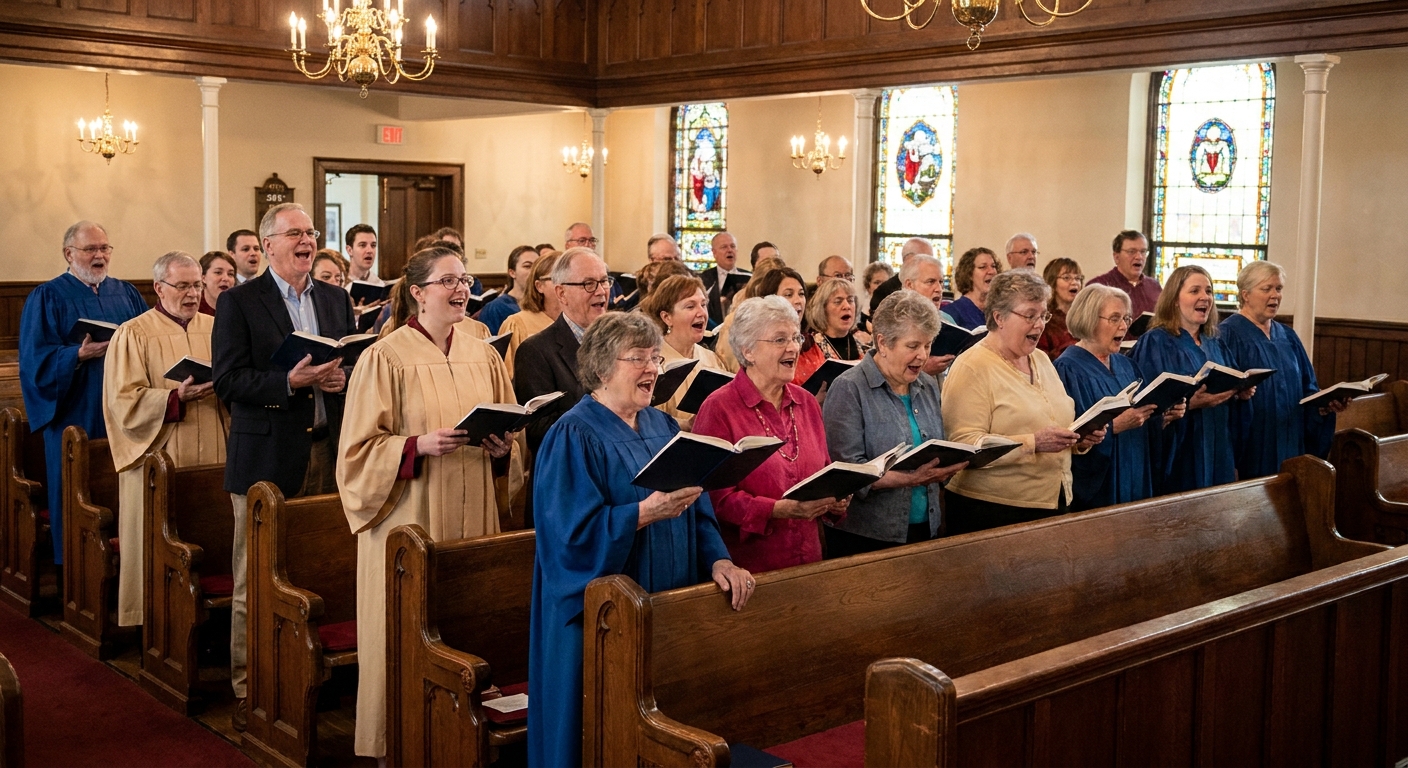
Neither tune changes the meaning of the hymn, but each one highlights different emotional colors. Rockingham often emphasizes quiet contemplation. Hamburg often emphasizes devotion that gathers momentum toward surrender.
Why it still speaks
We live with endless invitations to skim: headlines, feeds, hot takes, quick fixes. Watts offers a counter-invitation. Survey. Slow down. Look long enough that your inner compass can reset.
For Christians, the cross is not merely a historical instrument of execution. It is a revelation of what God is like, and of what love looks like when it refuses to abandon the suffering. For seekers on the edges of faith, the hymn can still function as a spiritual practice: a way of facing pain without glamorizing it, and a way of letting compassion have the final word.
Some hymns comfort us. This one also reshapes us. And that may be why it endures.
Common questions
Is it a communion hymn?
It is widely treated as one. Watts first published it in Hymns and Spiritual Songs (1707) within Book III, a portion of the collection associated with the Lord’s Supper. That origin helps explain the hymn’s intimacy and its emphasis on personal response.
What is it asking us to “survey”?
It is asking us to contemplate the cross carefully, to look with sustained attention at Christ crucified, and to let that vision reshape our values, pride, and priorities.
What are Rockingham and Hamburg?
They are hymn tunes commonly paired with Watts’s text. Rockingham is often attributed to Edward Miller, and Hamburg is often attributed to Lowell Mason. Congregations often have strong preferences because each melody carries a slightly different emotional weight.
Why can it be sung to more than one tune?
The text is in Long Meter (LM), a widely used hymn meter. Because many tunes share that metrical pattern, the same words can be sung to different melodies without forcing the phrasing.
Was Watts writing from a particular theological angle?
Watts writes from an English Protestant, Nonconformist context, with a strong emphasis on scripture, the meaning of the cross, and heartfelt devotion. The hymn is doctrinally rich, but its tone is prayerful rather than argumentative.