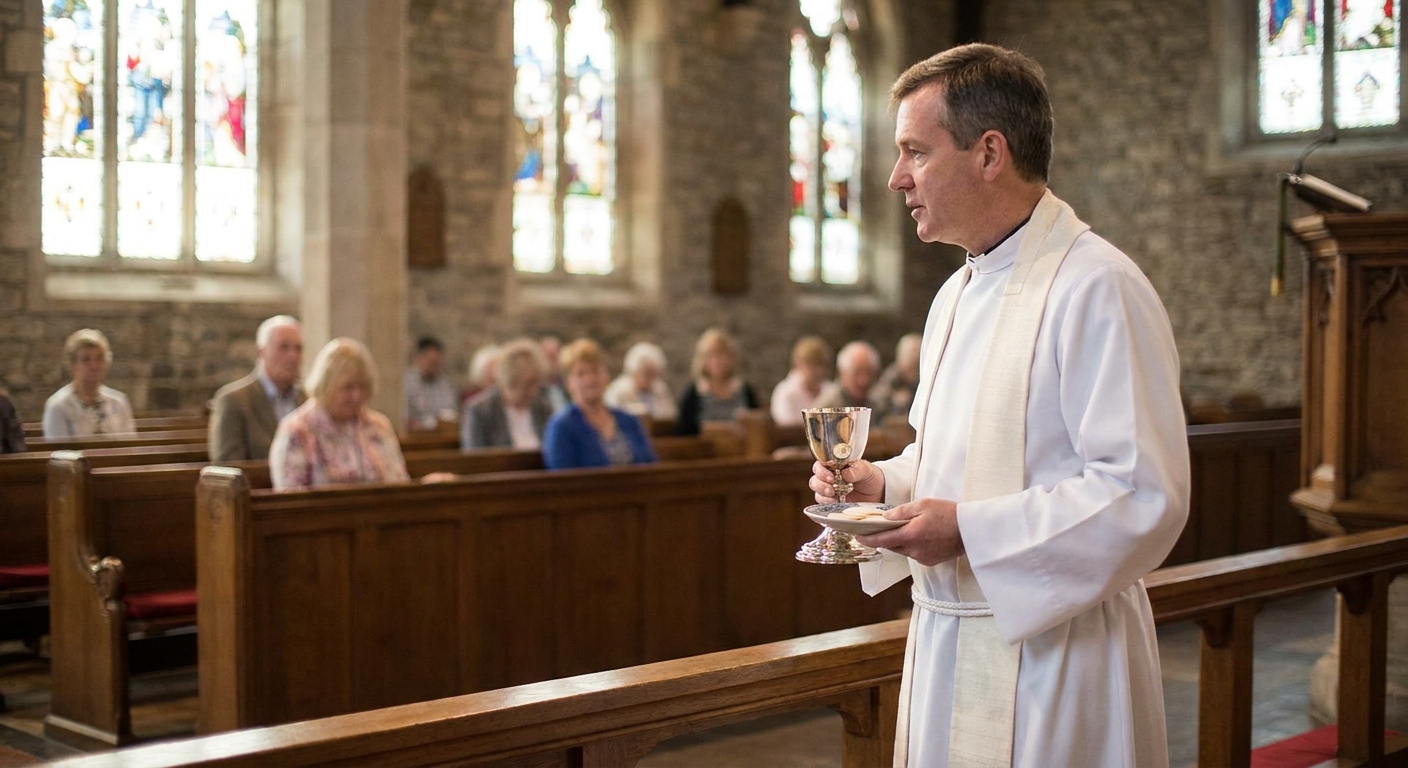
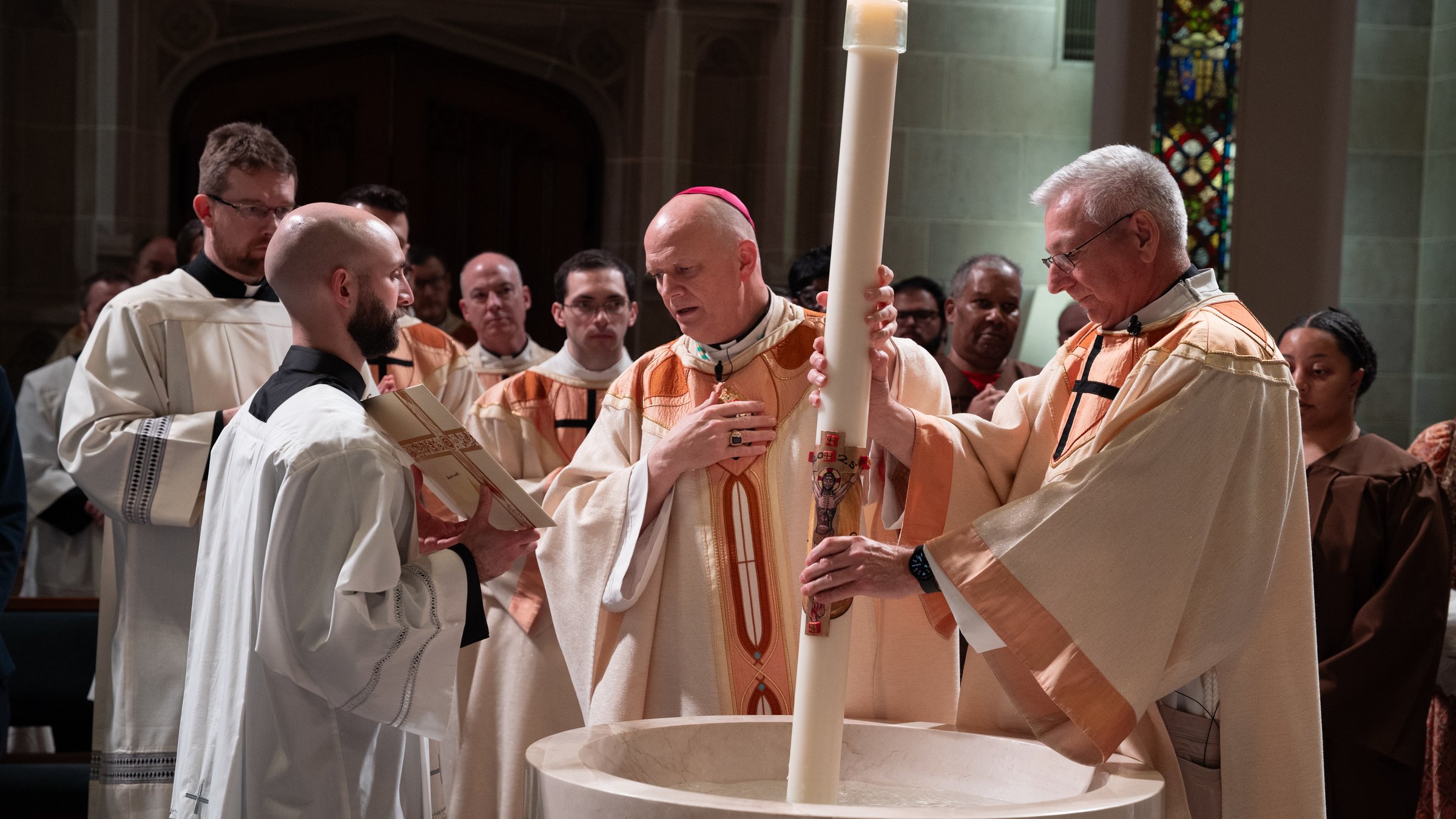
On a rainy evening in Oregon, I once sat at the back of a small church where the sanctuary smelled faintly of wax and wet wool. People moved forward in an unhurried line, hands open, faces soft. There was no spectacle. Just bread. Just a cup. Yet the air felt charged with tenderness, like a community exhaling together. That, in many ways, is the heart of the Eucharist.
In plain terms, what is the Eucharist?
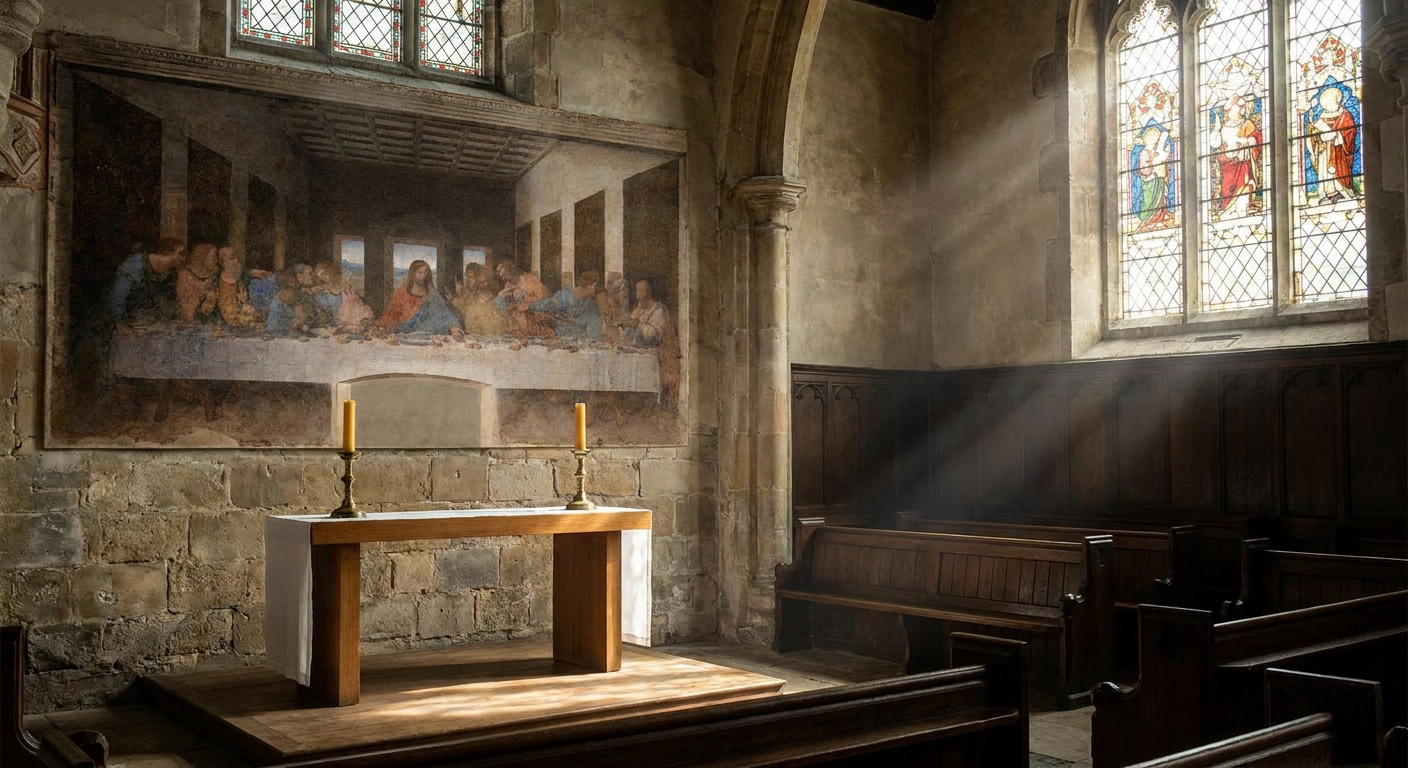
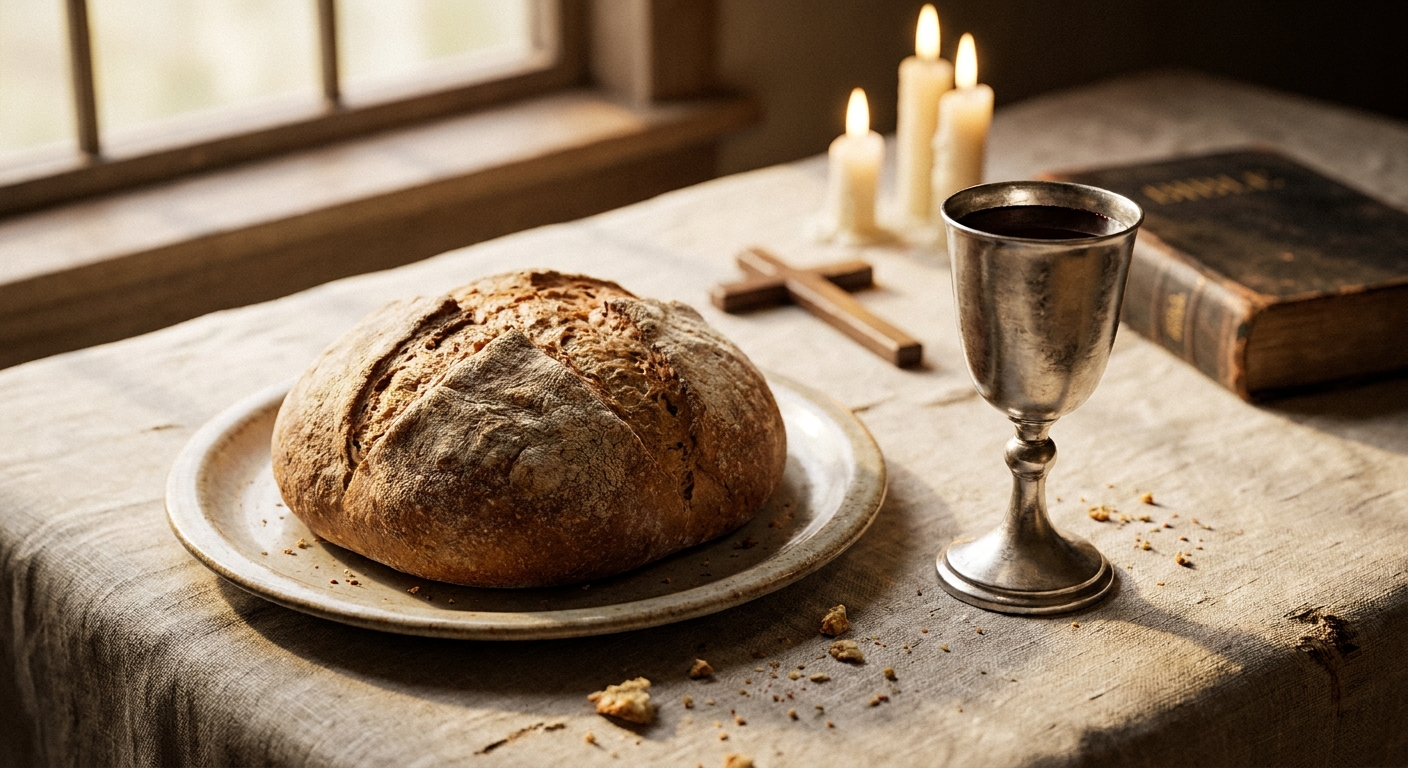
The Eucharist is one of the central Christian meals of bread and cup, celebrated in worship to remember Jesus Christ, to give thanks to God, and to share in the life of the church. Depending on the Christian tradition, it may be celebrated weekly, monthly, daily, or on other schedules. The meal is rooted in Jesus’ final meal with his disciples, often called the Last Supper.
Christians do not all explain the Eucharist in the same way, especially when it comes to how Christ is present in the bread and wine. Still, across Catholic, Orthodox, Anglican, Protestant, and many evangelical communities, the Eucharist is widely practiced and treated as an important act of Christian worship, even if its place in a church’s identity and weekly life differs.
Where does the Eucharist come from?
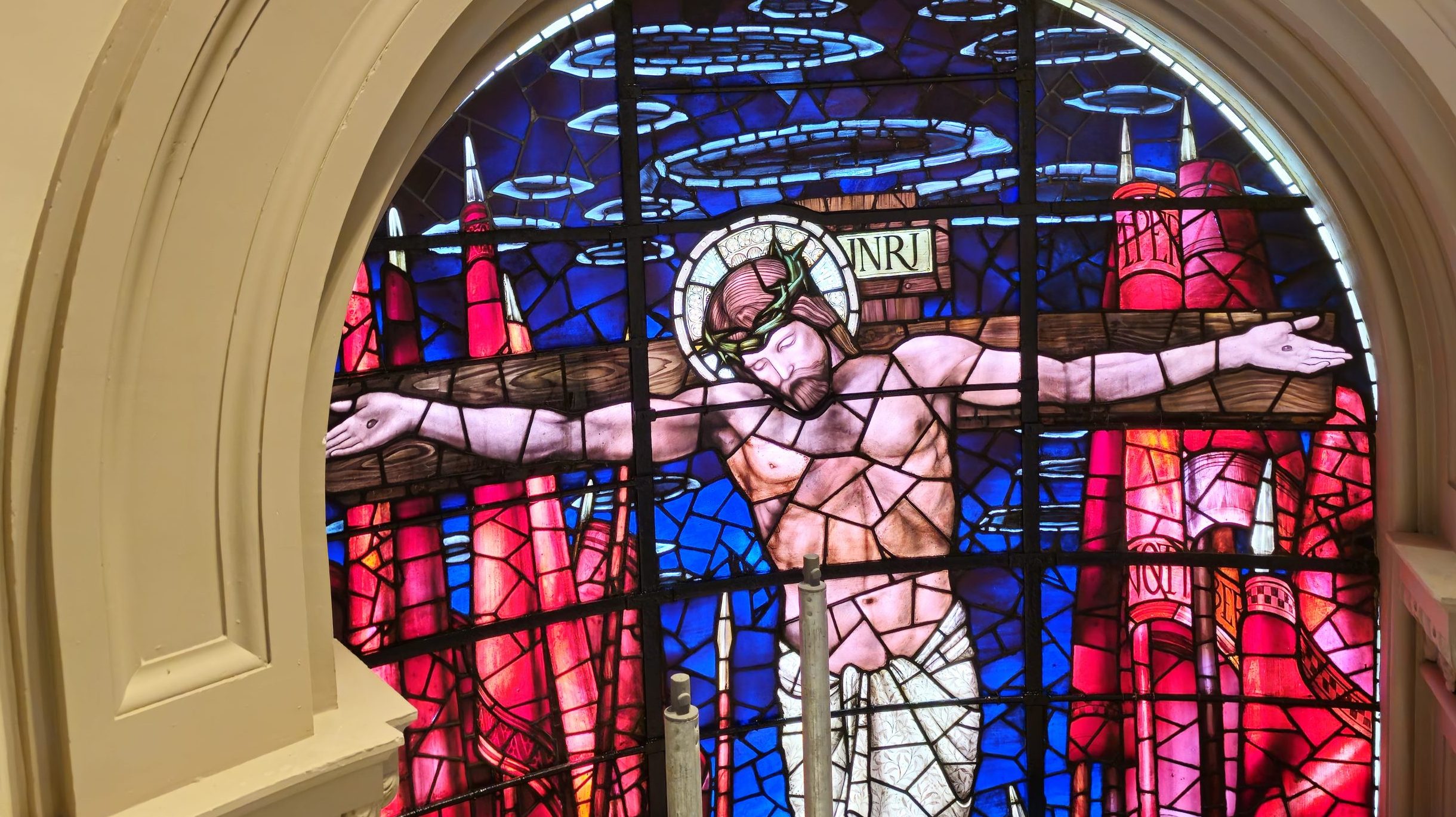
The Eucharist traces back to Jesus’ words and actions at the Last Supper. In the New Testament, Jesus takes bread, gives thanks, breaks it, and shares it with his disciples. He also shares a cup and connects both bread and cup to his coming death and to God’s covenant with his people.
Several passages are especially important in Christian memory of this meal, including accounts in the Synoptic Gospels and Paul’s teaching in 1 Corinthians 11, where he describes the tradition of the Lord’s Supper as something the early church received and handed on.
Why so many names?
If you have heard Christians use different terms, you are not alone. The meal is one reality, but its names highlight different layers of meaning.
- Eucharist: From a Greek word meaning thanksgiving. This name emphasizes gratitude to God and the act of praise at the heart of the meal.
- Holy Communion: Emphasizes communion, meaning a deep sharing or participation in Christ and a shared bond among believers.
- The Lord’s Supper: Points directly to Jesus’ final supper with his disciples and frames the meal as something the church receives from the Lord.
- Breaking of the bread: An early Christian phrase highlighting the simple, embodied action at the table.
- Divine Liturgy (common in Eastern Christianity) and Mass (in Roman Catholicism): Names for the Eucharistic service as a whole, with the meal at its center.
Different communities tend to prefer different names, but they are often speaking about the same core practice: bread and cup received in worship in response to Jesus’ command and promise.
What is it for?
Churches phrase this in different ways, but several purposes appear again and again across Christian history.
Remembering Jesus
Christians share the meal in obedience to Jesus’ instruction to remember him. This remembrance is not only mental recall. In many traditions, it is a communal act of re-centering life around Jesus’ self-giving love.
Thanksgiving and praise
The Eucharist is a prayerful act of gratitude. Bread and cup become a way for the church to say, with its whole body, “Thank you” to God for creation, mercy, and redemption.
Unity and belonging
Holy Communion is also about communion in a very practical sense: a people learning to receive from God side by side. Many churches connect the meal with reconciliation, shared identity, and the call to become one body in Christ.
Grace for the journey
However a church explains the mystery, many Christians understand the Eucharist as a means by which God strengthens, nourishes, and sustains believers. The meal is often described as spiritual food for ordinary weeks filled with work, grief, longing, parenting, loneliness, and hope.
Telling the gospel story
The Eucharist tells the Christian story in a concentrated form: Jesus’ life and teaching, his death, and the promise of new life. Paul even describes the church as “proclaiming the Lord’s death” through this act.
Is it a sacrament?
In many Christian traditions, yes. A sacrament is commonly understood as a sacred act Jesus instituted, in which God meets people through physical signs. The Eucharist is often treated as one of Christianity’s primary sacraments.
Some churches speak of two sacraments (typically baptism and the Lord’s Supper). Others speak of seven sacraments, notably in Roman Catholicism, while many Orthodox Christians more often speak of the mysteries and commonly count seven. Still others avoid the word “sacrament” but practice Communion as an ordinance or command of Christ. The vocabulary differs, but the meal remains profoundly important.
What does “Christ’s presence” mean?
This is the place where Christians have historically disagreed, and the disagreement matters. Some traditions speak of a profound change in the elements (often associated with transubstantiation), others speak of a real presence without using the same philosophical language, and others describe the meal primarily as memorial alongside spiritual communion with Christ.
Here, I am describing the Eucharist as Christians broadly practice it, without trying to resolve every debate about how Christ is present. If you are exploring a particular tradition, it can be helpful to learn how that community describes the mystery in its own words, with patience and respect.
What happens in the service?
In most churches, the Eucharist includes:
- Prayer and thanksgiving over the bread and cup
- Words recalling Jesus’ Last Supper and his command to remember
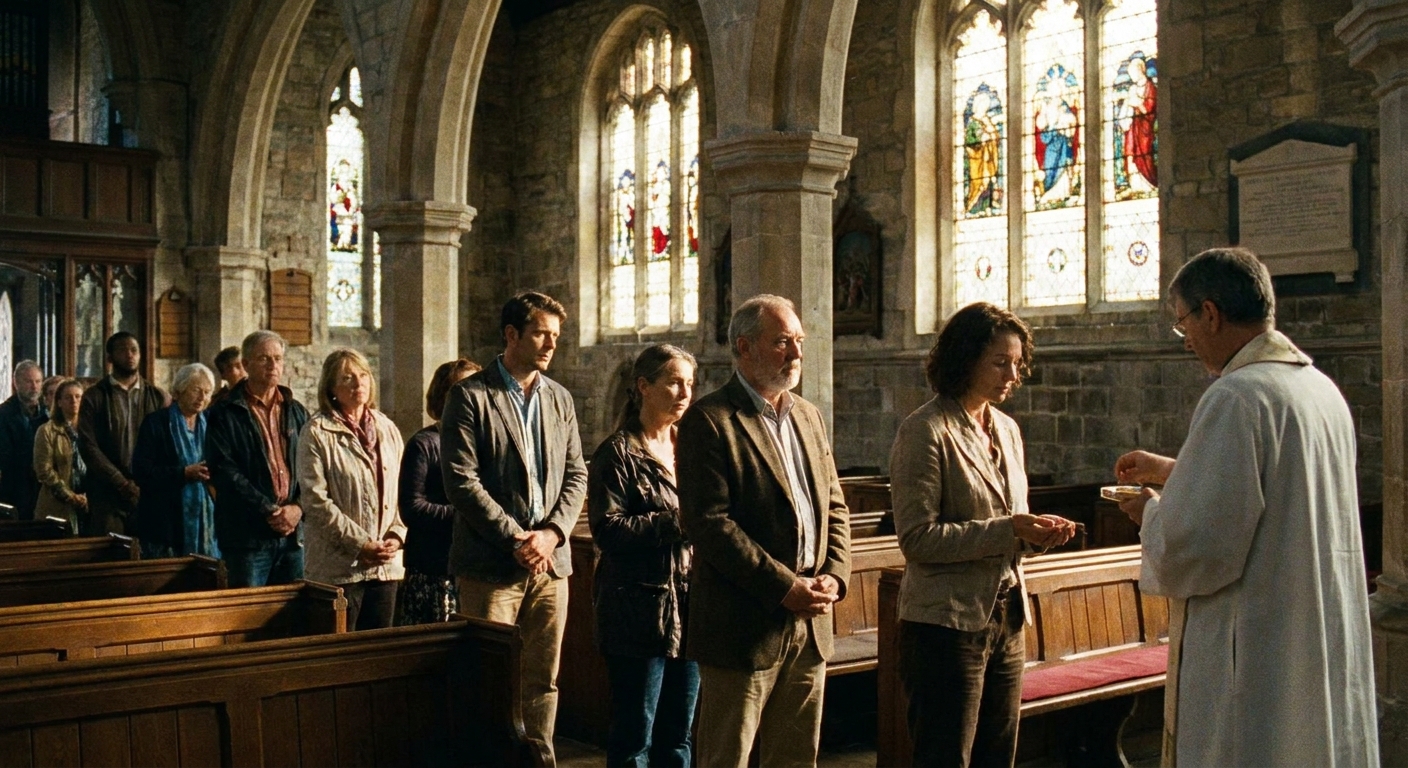
- Sharing the bread and cup among the gathered community
- Prayer after Communion, often asking that the meal shape the way people live
The details vary widely. Some churches use leavened bread, others use wafers. Some use wine, others use grape juice. Some receive both bread and cup, while others receive in one kind, such as bread alone, a dipped wafer, or a shared chalice offered in a particular way. Some kneel, some stand, some receive in the hand, some on the tongue. These differences are real, but they gather around the same central act: Christ’s people receiving bread and cup in worship.
Common questions
Is it only for Catholics?
No. Catholics celebrate the Eucharist at every Mass, but the practice is far broader than Catholicism. Orthodox churches, Anglicans, Lutherans, Methodists, Reformed churches, many Baptists, and many non-denominational communities also celebrate Communion, though not all with the same frequency or theology.
Is it the same as Communion?
In everyday conversation, yes. “Eucharist” and “Holy Communion” are often used interchangeably, along with “the Lord’s Supper.” A church’s preferred term usually reflects its history and emphasis.
Why weekly in some churches and rarely in others?
Frequency is shaped by tradition, theology, and local practice. Some communities see weekly Communion as central nourishment for Christian life. Others, especially in some evangelical settings, choose less frequent celebrations to highlight the seriousness of the act and to avoid what they fear might become routine.
Is it joyful or solemn?
Most traditions hold both together. The Eucharist remembers suffering and death, and it also expresses thanksgiving, love, and hope. Many communities experience it as a quiet joy, reverent rather than loud.
Who can receive?
This depends on the church. Some practice open communion, welcoming all who desire to follow Christ. Others practice close or closed communion, inviting baptized Christians, members of that denomination, or those prepared through confession, instruction, or fasting. If you are visiting a church, it is normal to check the bulletin, listen to the invitation, or ask an usher what that community practices.
A gentle way to think about it
In a multi-faith home, I learned early that meals are rarely “just meals.” They carry memory. Identity. Belonging. A table can become a place where a story is told again until it starts to live in your bones.
For Christians, the Eucharist is that kind of table. Bread and cup become a way of returning, again and again, to the center: Jesus’ self-giving love, God’s grace, and the invitation to become a people shaped by mercy.
If you are exploring Christianity, it is okay to begin with the simplest definition: the Eucharist is the church’s meal of bread and cup, given by Jesus, received in worship, and treasured as a place where grace is remembered and shared.