Years ago, while sitting on the back bench of a small coastal church, I watched a quiet rhythm unfold. A few people arrived early to pray. Someone placed a worn Bible on the lectern. The pastor practiced the opening lines of the sermon under their breath. Later there would be bread and cup, offered with trembling hands and steady words. Nothing flashy, nothing rare. And yet the whole room felt like it was being gently gathered up and held.
In many Christian traditions, this is what people mean when they talk about the means of grace. They are the ordinary ways Christians believe God gives grace, not as a reward for spiritual achievement, but as a gift God delights to share.
Means of grace, in plain language
Grace, in Christian theology, is God’s undeserved favor and active help. Depending on the tradition, Christians speak of grace as forgiveness, healing, strength for holy living, and the steady presence of God drawing people back to love.
The means of grace are the practices and communal “places” where Christians expect to meet that grace. “Means” simply refers to a channel or instrument. The point is not the practice itself, but God’s giving through it.
Different denominations name these channels a little differently, but the heart of the idea stays steady: God uses ordinary things to do extraordinary work.
Common channels
Below is a brief, big-picture map. Think of this as orientation rather than instruction. Each tradition has its own way of describing what these practices mean and how they should be carried out.
Scripture (reading and hearing the Bible)
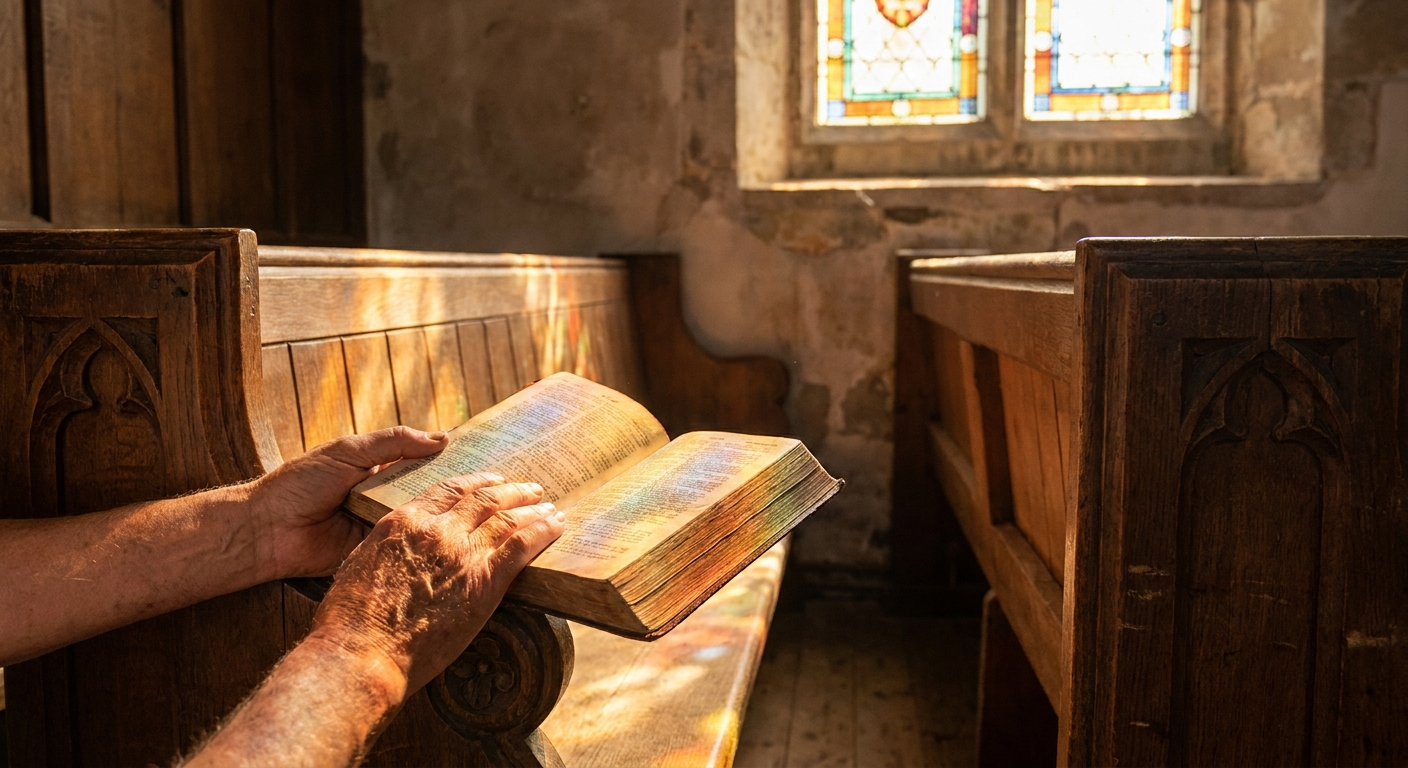
For many Christians, the Bible is a primary place where God addresses, corrects, comforts, and forms people. Grace is received as the words of Scripture reshape imagination, conscience, and hope.
Preaching and teaching
Across many Christian traditions, the proclaimed gospel matters. In some Protestant settings, preaching is described as a central means of grace, especially in churches that frame worship around the Word. Other traditions may not use the phrase “means of grace” as often, but still treat preaching, teaching, and catechesis as spiritually formative over time.
Prayer
Prayer is often named as a means of grace because it is both encounter and surrender: praising God, confessing, asking for help, listening, and aligning the heart with God’s love.
Worship and the gathered church
Christians frequently experience grace through corporate worship: singing, confession, mutual encouragement, lament, and the shared act of turning toward God. For some traditions, simply being present to the communion of saints is itself a channel of strengthening grace.
Baptism
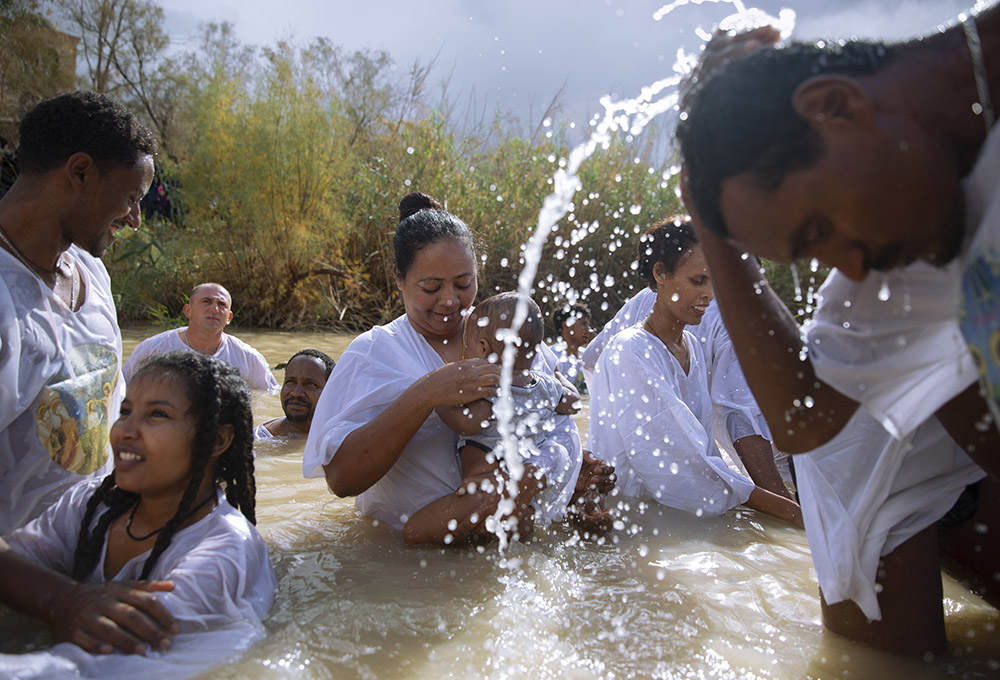
Baptism is commonly understood as a God-given sign and seal of belonging to Christ and being welcomed into the church. Traditions differ on timing, mode, and how baptism relates to regeneration, but many still speak of it as a key means of grace.
The Lord’s Supper (Holy Communion, Eucharist)
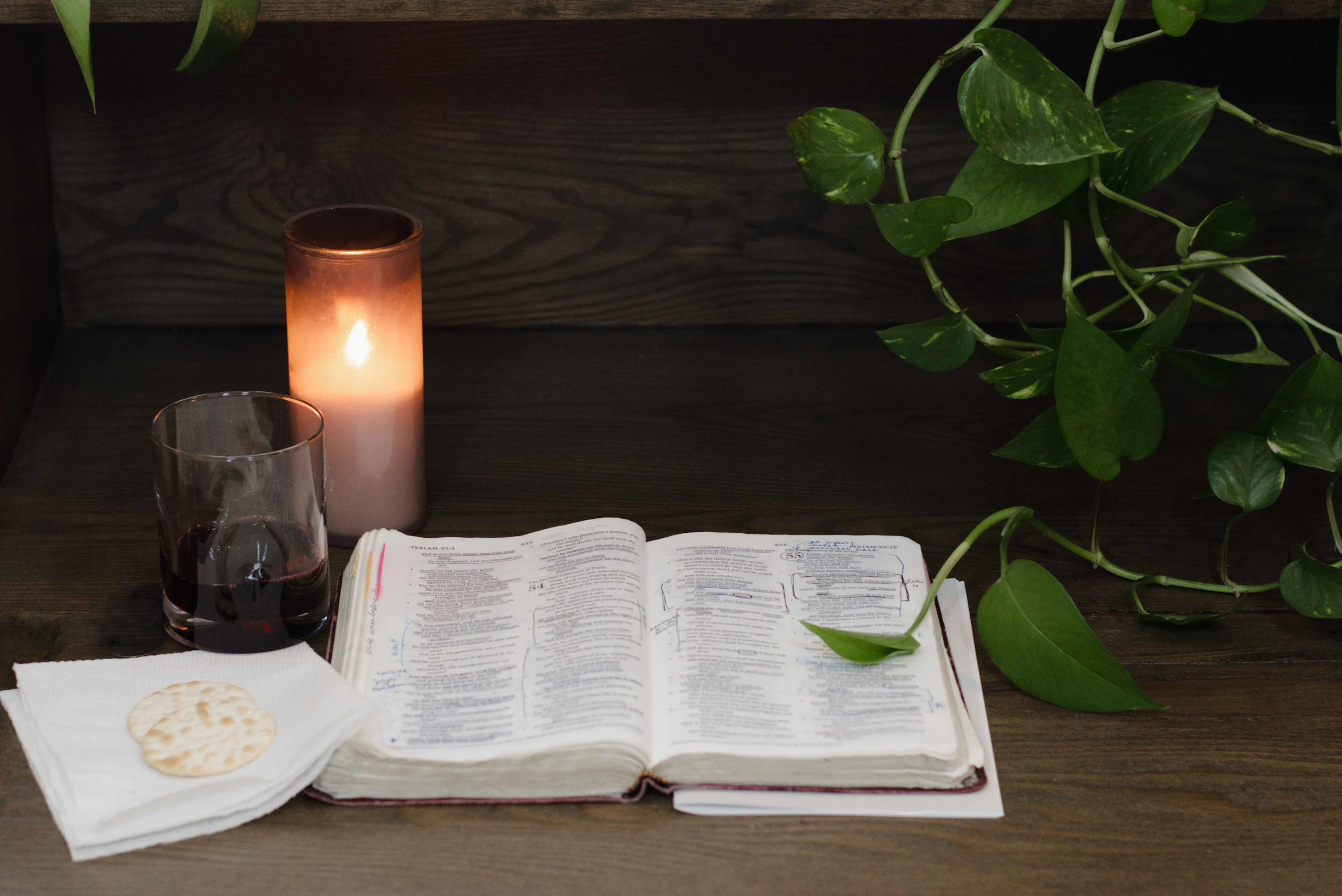
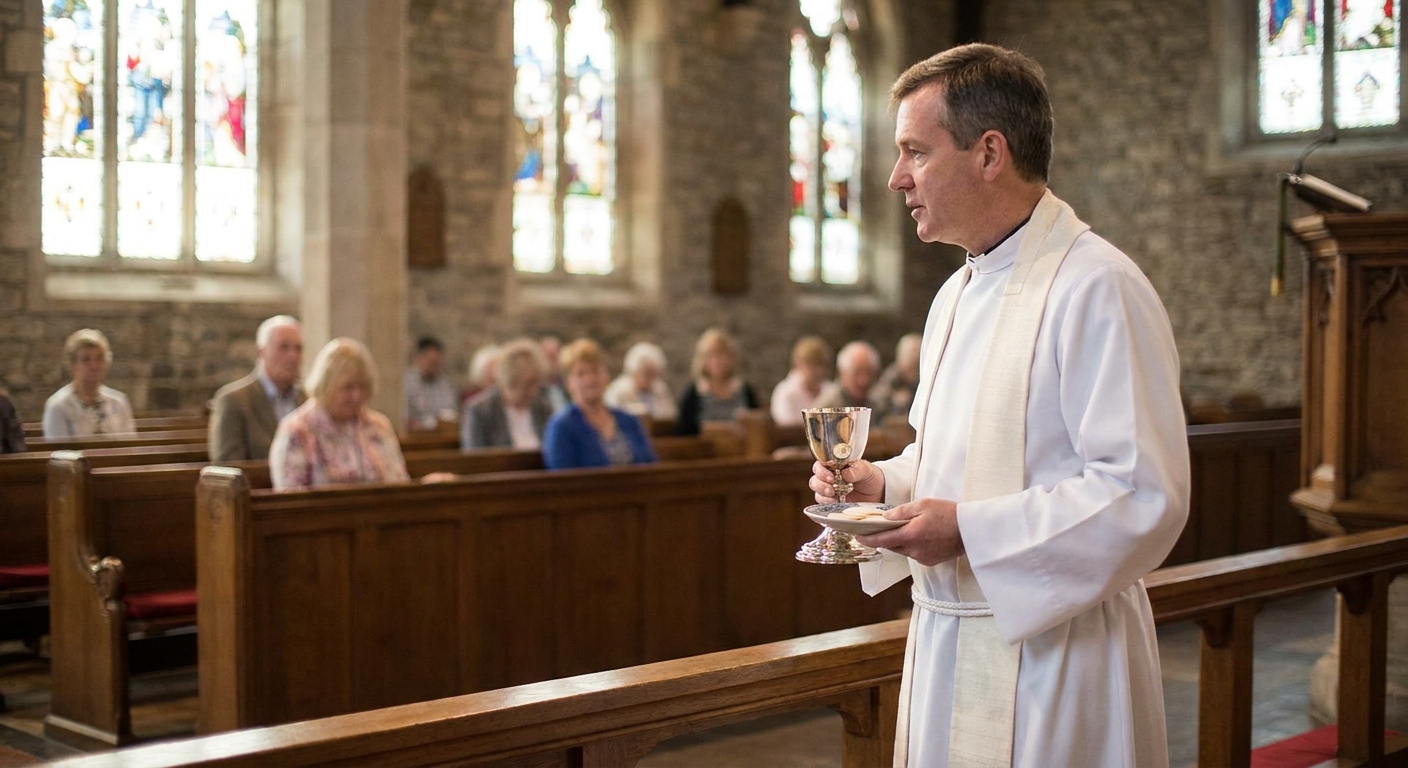
At the table, Christians receive bread and cup in remembrance of Jesus and participation in his life. Traditions vary widely in how they understand Christ’s presence and what is happening spiritually. Many call the meal a profound channel of grace, while some memorialist communities emphasize it primarily as obedience and remembrance, even as they still expect God to form faith through it.
Confession and absolution
In churches that practice formal confession, grace is received through honest naming of sin and the assurance of forgiveness. Even in less formal settings, confession in prayer or trusted community is often viewed as a pathway of healing and restoration.
Fellowship and mutual care
Grace is also encountered through the embodied love of the community: encouragement, accountability, bearing burdens, visiting the sick, and offering practical help. Many Christians would say grace is not only delivered to individuals, but woven among people.
Service and works of mercy
Some traditions explicitly name acts of mercy as means of grace, not because service earns God’s favor, but because God meets and forms people as they love their neighbor, especially the poor and suffering.
Protestant and Wesleyan views
You will hear the phrase “means of grace” most often in traditions that speak readily about Word and sacrament, including many Anglican, Lutheran, Reformed, and Wesleyan settings. In some evangelical and free-church communities, the phrase itself is less common, even when the underlying practices are deeply valued.
Many Protestant approaches
In many Protestant churches, the means of grace are commonly centered on:
- The Word (Scripture read and preached)
- The sacraments or ordinances (especially baptism and the Lord’s Supper)
- Prayer and worship in the life of the church
Some traditions emphasize the sacraments strongly, others prefer the term ordinances to highlight obedience to Christ’s command. Either way, the focus is usually on the gospel proclaimed and enacted within the gathered community.
Wesleyan and Methodist emphases
Wesleyans tend to offer a more explicit, carefully named list. In his sermon “The Means of Grace,” John Wesley described them as “outward signs, words, or actions, ordained of God, and appointed for this end, to be the ordinary channels whereby he might convey to men, preventing, justifying, or sanctifying grace.”
In practice, Wesleyan lists often group means of grace into:
- Works of piety, such as prayer, searching the Scriptures, the Lord’s Supper, fasting, and Christian conferencing (faithful conversation for mutual guidance)
- Works of mercy, such as feeding the hungry, visiting the sick and imprisoned, and acts of justice and compassion
This is one of the clearest differences: many Protestants affirm service as a fruit of grace, while Wesleyans frequently speak of certain forms of service as a means through which God continues to form and strengthen love.
Do they work automatically?
This is where tender misunderstandings can creep in. Some people fear the phrase means of grace implies a mechanical transaction: do the practice, receive the benefit. Most Christian traditions resist that framing.
Generally, Christians hold two convictions in tension:
- God is free. Grace is God’s gift, not a technique humans control.
- God is faithful. God has promised to meet people in particular places, especially through the gospel proclaimed and enacted in the church.
So the practices matter, not because they manipulate God, but because they place us where God has promised to be present, shaping us through time, repetition, and community.
How to approach them
If there is a single posture that fits the means of grace, it is open-handed attention. Come with honesty. Come with need. Come willing to be taught, corrected, comforted, and changed. And, as much as you can, come with others, because these channels are rarely meant to be lived as solo spiritual projects.
Some days will feel bright. Others will feel like routine. The promise, as Christians tell it, is not that every prayer will feel electric, but that God meets people faithfully in these simple places.
Why ordinary channels matter
When I was leading retreats in my twenties, I met many people who believed grace should feel like lightning. A sudden transformation. A spiritual high that proves God is near.
Sometimes those moments happen. But more often, grace arrives like weather, slowly changing the landscape: returning to Scripture when you feel numb, praying when you feel distracted, showing up to worship when you would rather hide, receiving communion when you feel unworthy, serving someone when you feel empty.
Means of grace dignify the small faithfulness of daily life. They remind us that spiritual growth is often less about intensity and more about continued openness.
Quick list
If you just want a compact map, here are the channels you will most often see named across Protestant and Wesleyan contexts. Lists vary by denomination, but these are the usual anchors.
- Scripture (reading and hearing the Bible)
- Preaching and teaching
- Prayer
- Worship and gathered fellowship
- Baptism
- The Lord’s Supper (Holy Communion, Eucharist)
- Confession and assurance of forgiveness
- Christian fellowship and mutual encouragement
- Works of mercy and service (especially emphasized in Wesleyan traditions)
- Fasting (especially emphasized in Wesleyan and some evangelical contexts)
FAQ
Are the means of grace only for “serious” Christians?
In most traditions, no. They are for ordinary people with ordinary struggles. In fact, the whole point is that grace is not reserved for spiritual experts.
Are baptism and communion always included?
In most historic Christian traditions, yes, though some communities use different terms or hold different theological views about what happens in those rites. Many Protestants and Wesleyans still treat both as central channels of grace, even when they explain them differently.
Is serving others really a means of grace?
Many Christians would say service is a result of grace. Wesleyans often go further and say that works of mercy are also places where God meets us and shapes us, especially by enlarging compassion.
What if I do these things and feel nothing?
That experience is more common than people admit. Many pastors and spiritual directors encourage gentle perseverance: showing up without forcing a feeling. Within Christian spirituality, grace is not always loud. Sometimes it is simply the strength to keep turning toward love.
Final reflection
If you are new to Christian language, “means of grace” can sound technical. But at its core, it is a deeply human idea: that God meets people through touchable, repeatable practices and through community, not only through rare mountaintop moments.
Scripture, preaching, prayer, baptism, the Lord’s Supper, worship, confession, fellowship, and acts of mercy are not hoops to jump through. They are doors Christians have learned to keep open, trusting that grace is the One who walks through.