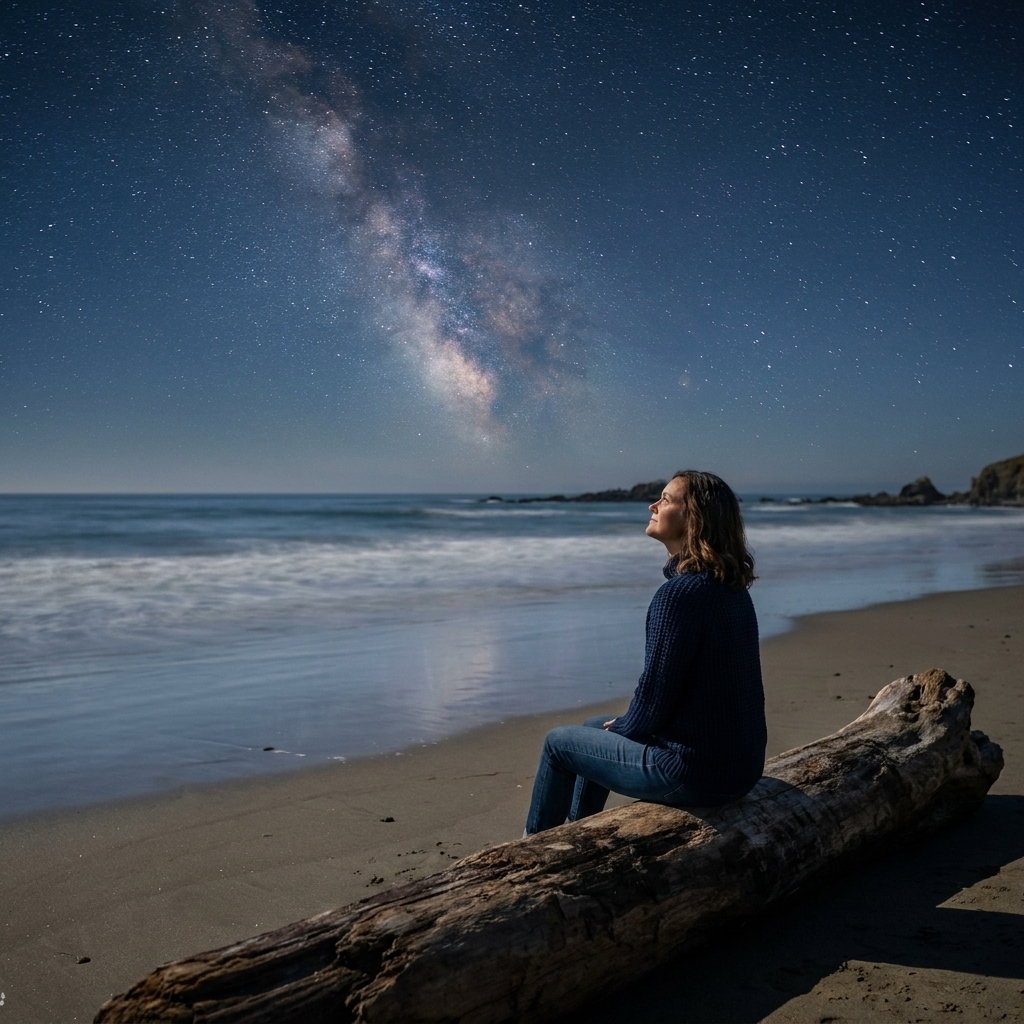
Some questions arrive quietly, like fog. Others crash in like a wave. The problem of evil tends to be the second kind. It is not only a puzzle for philosophers. It is the ache in the throat at a funeral. It is the tightness in the chest when the news cycles through war, famine, and cruelty. It is the private question we whisper at night: If God is good, why does this hurt so much?
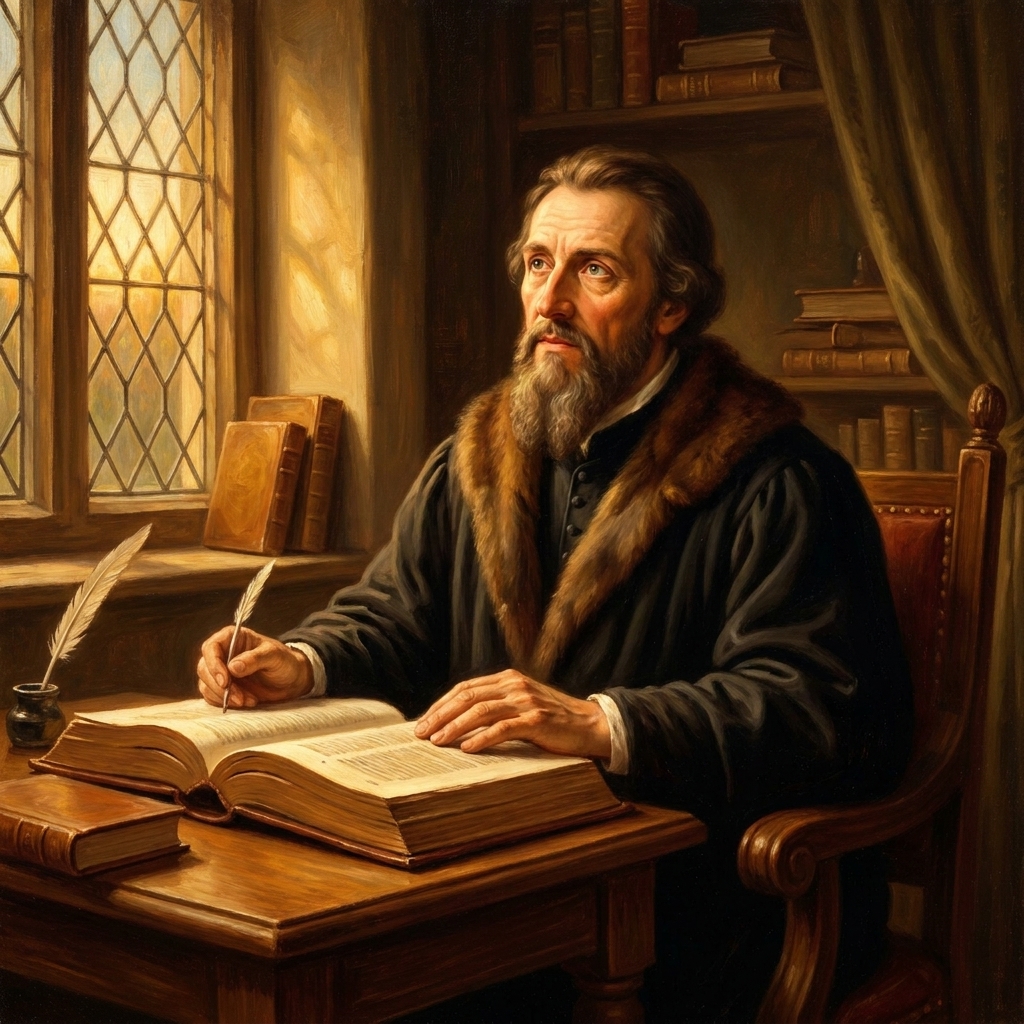
The tradition calls the attempt to respond to that question theodicy, a term from Greek (theos, God, and dikē, justice or right) and popularized in modern usage by Gottfried Wilhelm Leibniz in Théodicée (1710). The goal is not to justify evil or minimize grief. It is to ask, as honestly as we can, whether belief in a benevolent, powerful God can be held with intellectual integrity while we face a world that contains both beauty and brutality.
This guide walks through the major forms of evil people mean when they ask the question, the classic arguments that sharpen the problem, and the most influential theodicies offered across history, especially in Christian theology and philosophy. Along the way, I will also name the limits of tidy answers, because suffering is not an essay prompt. It is a lived reality.
What do we mean by evil?
In everyday speech, “evil” can mean anything from petty selfishness to unspeakable atrocities. In theodicy, it helps to distinguish a few categories, because different kinds of suffering raise different challenges.
Moral evil
This is suffering caused by human choices: violence, deceit, oppression, exploitation, abuse. Moral evil raises questions about freedom, responsibility, and the ways humans can misuse agency.
Natural evil
This is suffering not directly caused by human intent: earthquakes, disease, drought, genetic disorders, animal predation. Natural evil raises questions about creation itself. Why would a good God create a world with tectonic plates, viruses, and vulnerability?
Metaphysical evil
Some thinkers use “evil” in a broader sense to refer to the pain that comes simply from being finite: we get tired, we misunderstand one another, we grieve because we love. This category is not always labeled “evil” in modern usage, but it often sits quietly behind the bigger question: why is creation not already whole?
Many conversations get stuck because people are arguing about different categories without realizing it. A free will defense may speak powerfully to moral evil, but it can feel thin when a child develops cancer. That does not mean the defense is useless. It means the question is layered.
Why it feels so forceful
The “problem” has both an emotional edge and a logical edge. You can feel one without the other, but most of us encounter both at different times.
The logical problem
This version argues that the following claims cannot all be true at once:
- God is all-powerful.
- God is perfectly good.
- Evil exists.
If God wants to eliminate evil and has the power to do so, why is evil still here? Some philosophers have claimed a contradiction exists. Others argue there is no strict contradiction once you add plausible reasons God might allow suffering.
The evidential problem
Even if there is no airtight contradiction, the amount and kinds of suffering can feel like strong evidence against a benevolent God. Horrors that seem pointless, disproportionate, or hidden, such as long unseen suffering, can weigh heavily here.
The existential problem
This is the lived cry: “Where is God in this?” It is not solved by a syllogism. It asks for presence, meaning, and a path forward when trust has been shaken.
Theodicy tends to address the logical and evidential problems. Spiritual care tends to address the existential problem. We need both, and we should be honest about which one we are trying to hold at any given moment.
Three starting points
If you follow the river of Christian thought upstream, three landmarks appear again and again: Augustine’s view of evil as a lack of good, an “Irenaean” emphasis on growth and maturation (later developed into soul-making approaches), and the Book of Job’s insistence that suffering cannot always be explained in neat moral equations.
Augustine: privation
For Augustine of Hippo, evil is not a “thing” God created. It is a privation, a kind of absence or corruption of the good, like rot in an apple or blindness in an eye. Creation, in itself, is good. Evil arises when good things are disordered, misused, or diminished.
This helps protect the idea that God, as the source of being and goodness, is not the author of evil. But it also raises questions: if evil is a lack, how did that lack begin? Why was the created order vulnerable to such a rupture?
Irenaeus: growth and maturity
Irenaeus of Lyons is often associated, at least by trajectory, with the idea that humans were not created as finished spiritual products. We were made to grow, to mature, to be formed over time. Later thinkers, especially John Hick, develop this “Irenaean” thread into what is now commonly called a soul-making approach.
In this family of views, a world with challenge, risk, and real consequences becomes the arena where virtues like courage, compassion, patience, and faith can be formed. Yet it must be handled carefully. Not all suffering builds character. Some suffering crushes it. The danger is turning other people’s pain into a lesson plan.
Job: no simplistic moral math
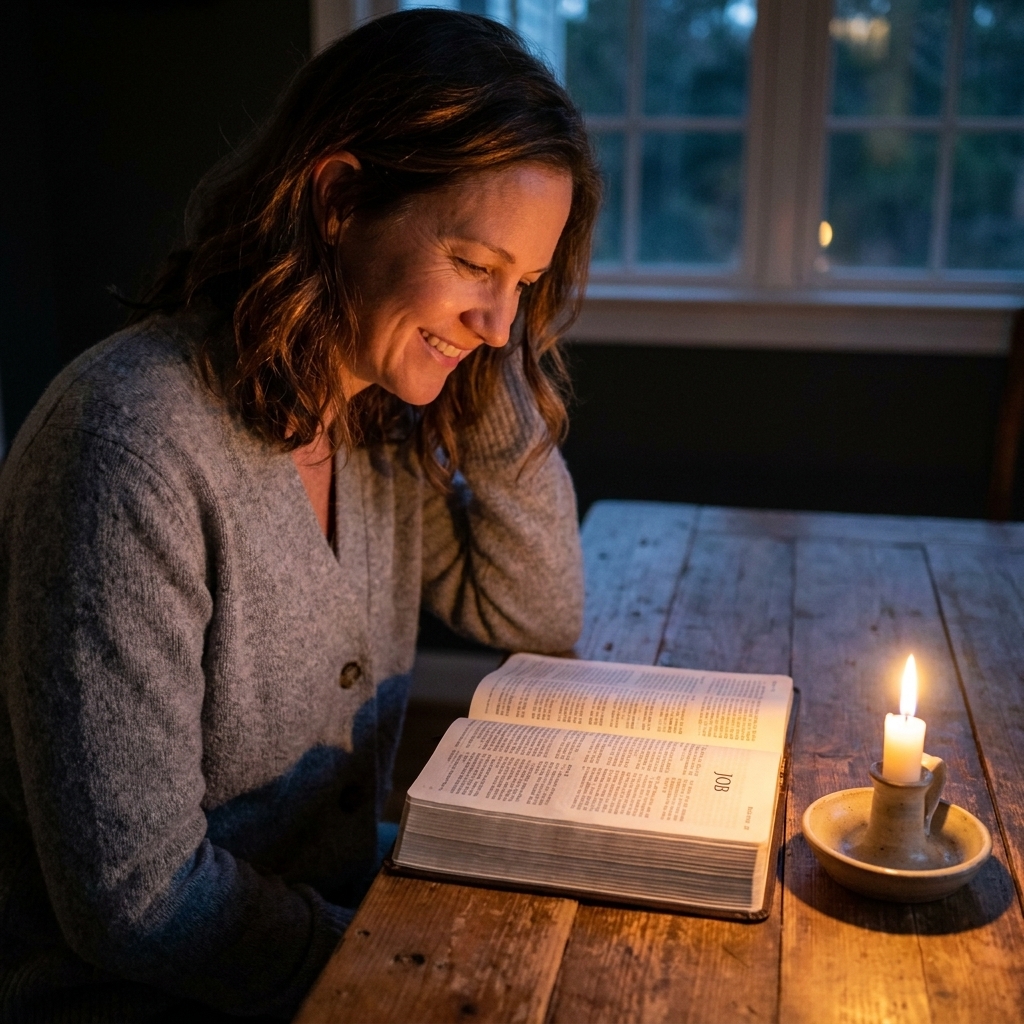
The Book of Job stands like a boulder in the stream, slowing down easy answers. Job suffers intensely, not because he deserves it, but because the world is more complex than a simple reward-and-punishment system. His friends offer tidy explanations, and the text explicitly rebukes them for speaking wrongly about God (see Job 42:7).
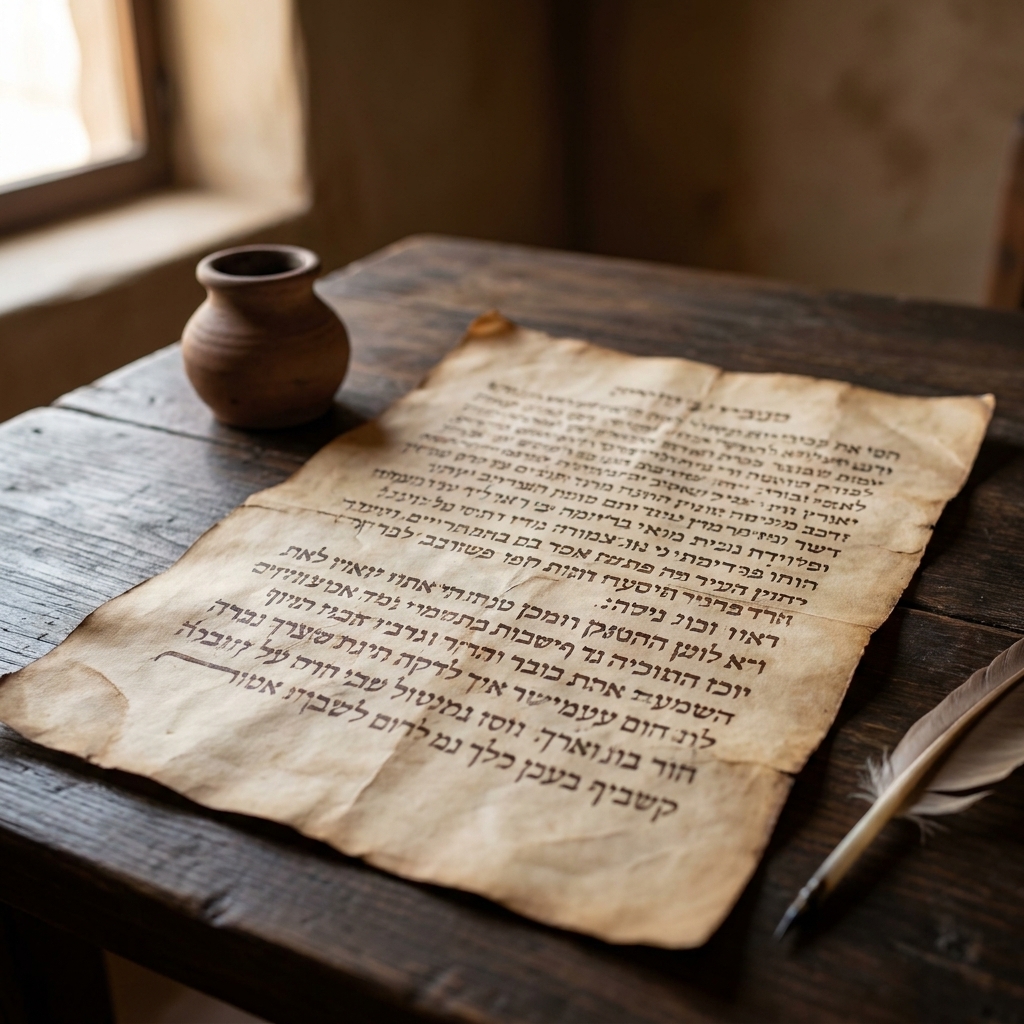
Job does not deliver a neat theodicy. It offers something else: permission to lament, to argue, to demand honesty. In many faith traditions, that is not a failure of belief. It is a form of relationship.
The free will defense
One of the most influential modern responses argues that much evil is the price of genuine freedom. Philosophically speaking, it is often framed as a defense rather than a full theodicy. It aims to show that God and evil are not logically incompatible, even if it does not claim to explain God’s actual reasons in each case.
The core idea
If God creates creatures who can truly love, trust, and choose the good, then those creatures must also be able to refuse the good. A world with meaningful freedom will be a world where betrayal and cruelty are possible. If God prevented every harmful choice, our “freedom” would be more like a puppet show.
In contemporary philosophy, thinkers such as Alvin Plantinga are associated with rigorous versions of this approach.
What it explains well
- Why moral evil exists without making God the direct author of it.
- Why a world with love, responsibility, and genuine relationships might involve risk.
Common objections
- What about natural evil? Earthquakes and disease do not look like human choices.
- Why not create free creatures who always choose good? The defense typically responds that forcing always-good choices would compromise the depth of freedom, or that certain worlds of free creatures may not be feasible even for God, depending on how one frames divine omnipotence.
- Why so much evil? The defense can explain possibility, but the scale and intensity of suffering remain a hard question.
For many people, this is a helpful starting point, especially when the pain they are facing was clearly caused by human wrongdoing. It is less satisfying when suffering is random, impersonal, or woven into biology.
Soul-making
Soul-making approaches, associated in modern form with philosopher John Hick, emphasize that a stable, law-governed world provides conditions for moral and spiritual development.
Why predictability matters
If the world is coherent, actions have consequences. Fire burns. Gravity pulls. Bodies are fragile. In a world where God constantly intervened to prevent every harm, we would not learn, plan, or take responsibility in any meaningful way. The same systems that make life possible also make injury possible.
Where it can fail
Soul-making can sound inspiring when we are talking about everyday trials. It can feel offensive when applied to extreme trauma. Any mature soul-making account must make space for protest. It must also refuse to pressure meaning out of another person’s wound.
Some theologians respond by emphasizing communal growth and social responsibility, not by insisting every pain has a private purpose, but by noticing how suffering can summon us to become healers.
Order and natural law
Another family of responses says that what we call “natural evil” is often the shadow side of a world ordered enough to support life.
Stability and habitability
Tectonic activity contributes to habitability in ways we do not often notice until it turns destructive, including shaping land, recycling nutrients, and playing a role in long-term carbon cycling. Biological systems that sustain life can also harm it. Evolution produces astonishing beauty and complexity, but it also includes predation, extinction, and suffering among creatures.
In this view, a world capable of sustaining embodied life may require processes that sometimes harm. God’s goodness is not shown by eliminating all risk, but by creating a reality where life, relationship, and meaning can exist at all.
The emotional snag
Even if this makes intellectual sense, the heart still asks: could it not have been otherwise? And this is where many believers move from “explanation” to “mystery,” not as a way to shut down thought, but as an acknowledgment of creaturely limits.
Process and open theism
Some responses to the problem of evil do not try to defend the world as it is. Instead, they revisit what we mean by God’s power.
Process theology
In process thought, God does not unilaterally control every event. God works persuasively within the unfolding of reality, luring creation toward greater harmony and love. Evil arises from genuine autonomy and unpredictability in the world process.
This can make sense of why God does not simply “override” suffering. But it comes with a cost: it revises classical ideas about omnipotence and providence.
Open theism
Open theists maintain divine goodness and power, but argue that the future is partly “open” because free decisions are not yet settled. On this view, God knows reality perfectly, including every possibility, but does not treat undetermined future free choices as fixed facts.
People often find these models either deeply relieving or deeply unsettling. They can feel like a more emotionally honest portrayal of a God who grieves with the world, but they also challenge traditional images of divine foreknowledge and control.
Greater-good claims
A common instinct is to say: “God allows this because it leads to something better.” Sometimes that feels true in our own stories. We grow, we reconcile, we discover vocation, we become tender where we were once hard.
But as a universal principle, “everything happens for a reason” can become spiritual wallpaper that covers real cracks without repairing them.
What a careful version might claim
- God can bring good out of evil without calling the evil good.
- Some goods are only possible in response to suffering, such as forgiveness, rescue, or solidarity.
What it should never claim
- That victims “needed” their suffering to become better people.
- That atrocities are justified because something good eventually followed.
- That grief is a sign of weak faith.
In mature spirituality, the point is not to explain evil away. It is to resist it, grieve it, and still dare to hope.
Skeptical theism
Some philosophers and theologians respond to the evidential problem of evil by stressing our limits. This approach is often called skeptical theism. The basic idea is not that suffering is meaningless, but that we should not assume we are well-positioned to see what reasons God might have, if God exists.
This can protect humility, especially when a neat explanation would be morally reckless. It also has risks. If handled poorly, it can sound like an excuse for passivity. Many people try to hold it alongside a practical commitment: even if we cannot map God’s reasons, we can still name evil as evil and work to lessen it.
After trauma
In my work with retreat groups, I have noticed a pattern. People do not usually need a new argument when they are in acute pain. They need permission to be human.
Lament as honesty
Lament is not the opposite of faith. In many traditions, it is faith refusing to go numb. The Psalms are full of questions, anger, and tears. Jesus weeps. These are not footnotes. They are central.
When we lament, we are not announcing that God has failed. We are refusing to pretend that suffering is normal.
Solidarity and the cross
Christian theology often answers the problem of evil not only with arguments, but with a center of gravity: the crucified Christ. A theology of the cross does not claim to decode every tragedy. It claims that God’s love enters suffering from the inside, not from a safe distance.
Even when we cannot fully explain suffering, we can choose what we become in response to it. Communities that feed the hungry, protect the vulnerable, tell the truth, and refuse revenge become a kind of lived reply.
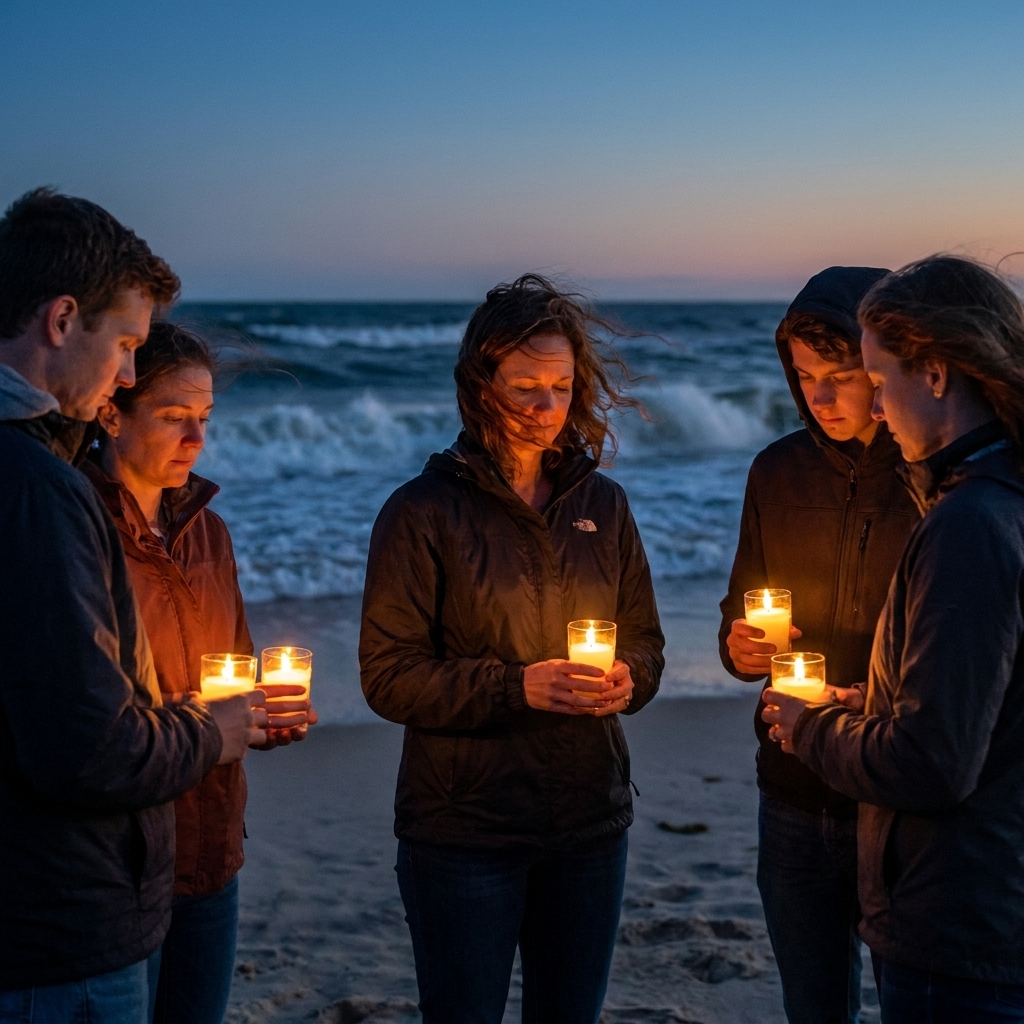
For readers who are not sure what they believe anymore, this can be a bridge: you do not have to solve the universe to practice mercy today.
Common questions
Is theodicy the same as defending God?
Not exactly. A defense aims to show that God and evil are compatible in principle. A theodicy aims to give an account of why God might allow evil in the actual world. In practice, writers sometimes blend the two, but the distinction can help clarify what a claim is trying to do.
If God can bring good from evil, is evil necessary?
Not necessarily. Many traditions distinguish between God willing evil and God permitting evil, and between redeeming suffering and requiring it. The claim is often that God can weave meaning and healing even after devastation, not that devastation was needed.
What about hell and judgment?
Those topics overlap with theodicy because they raise questions about divine justice and mercy. Different traditions answer differently, including views emphasizing restorative justice, retribution, universal reconciliation, or mystery. If this is your pressing question, it may help to treat it as its own conversation rather than folding it into every discussion of suffering.
Does science make this worse?
It can sharpen it in new ways, especially around evolution, animal suffering, and randomness. But it also can deepen wonder, and it can shift the question from “Why did God do this?” to “What kind of world would allow life to emerge at all?” For many believers, theology and science become partners in seeking humility rather than enemies in a debate.
How to hold it
If you came here looking for a single answer, I want to be kind and truthful: there is no one theodicy that heals every wound or satisfies every mind. There are, however, wiser and less wise ways of carrying the question.
- Stay honest. If an explanation makes you less compassionate, it is probably not spiritually healthy.
- Keep categories clear. Ask whether you are facing moral evil, natural evil, or the ache of finitude.
- Let lament be part of faith. The tradition is bigger than cheerful certainty.
- Practice solidarity. When answers fail, presence still matters.
The problem of evil is often framed as a courtroom drama: God on the stand, humanity as prosecutor, philosophy as judge. But in lived spirituality, it looks more like a bedside vigil. Someone is suffering. Someone stays. Someone prays, even if the prayer is only, “Help.”
If there is a thread that runs through the best of these traditions, it is this: God is not most clearly known in the denial of suffering, but in the call to love within it, and in the stubborn hope that suffering does not get the last word.
Further reading
- G. W. Leibniz, Essays on the Goodness of God, the Freedom of Man and the Origin of Evil (Théodicée)
- Augustine, Confessions and The City of God (selected books on evil and providence)
- Irenaeus, Against Heresies (especially on creation, growth, and redemption)
- Alvin Plantinga, God, Freedom, and Evil
- John Hick, Evil and the God of Love
- Shelly Rambo, Spirit and Trauma (a trauma-informed theological approach)