There is a particular kind of spiritual ache that does not come from breaking a rule. It comes from staring at a life that looks “fine” on paper and still feeling hollow. It comes from the late-night question you cannot distract yourself away from: What am I doing with this one, fragile life?
Existentialist philosophers are often introduced as companions for despair. But the best of them are not merchants of meaninglessness. They are witnesses. They tell the truth about dread, loneliness, and choice, and then they ask something braver than optimism: Will you live honestly?
Before we begin, a simple clarification: “existentialism” here is less a tight club and more a family resemblance. It is a way of thinking that centers lived experience, freedom and responsibility, anxiety and finitude, and the hard work of making meaning without hiding behind slogans. Some of the voices below sit squarely inside existentialism; others overlap with it and carry its urgency into theology and spiritual practice.
In many faith traditions, the doorway to transformation is not certainty. It is sincerity. The thinkers below do not flatten spirituality into dogma or dismiss it as fantasy. Instead, they help us hold existential questions in one hand and profound hope in the other.
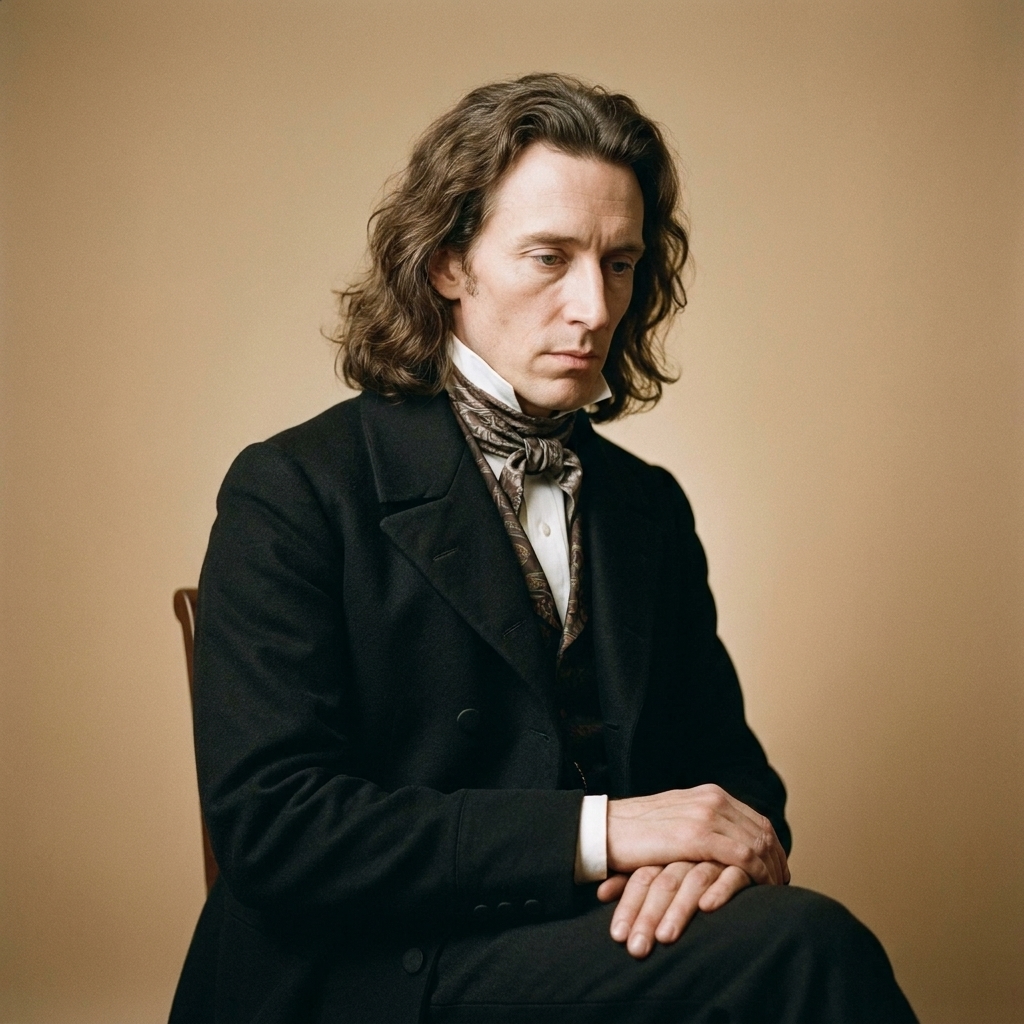
1) Søren Kierkegaard
The leap is lived
Kierkegaard is the patron saint of people who cannot pretend anymore. Writing in 19th-century Denmark, he challenged a comfortable, cultural Christianity that mistook familiarity for faith. He insisted that the spiritual life is not primarily an institution you belong to. It is a relationship you risk.
What many people call the “leap of faith” is often a shorthand for a set of themes in his work rather than a neat slogan he repeats on every page. Still, the point lands: the leap is not anti-intellectual. It is the moment you admit that no amount of analysis can substitute for living. At some point, you either entrust yourself to God, or you keep hovering above your life like a cautious spectator.
Kierkegaard’s core gift to spirituality is his insistence on subjectivity, not as selfishness but as personal responsibility. You cannot outsource your relationship with the divine to a crowd, a trend, or even a beloved teacher.
Try this
- Name your “crowd faith.” Where have you adopted beliefs to belong rather than because they feel true?
- Practice one honest prayer. Not polished, not “correct.” Just real. If all you have is “God, I am afraid,” start there.
- Choose one small leap. A conversation you have been avoiding, an apology, a commitment, a boundary. Faith becomes concrete in action.
Start here: Fear and Trembling; The Sickness Unto Death
Spirituality, for Kierkegaard, is not about being right. It is about being real.
2) Paul Tillich
The courage to be
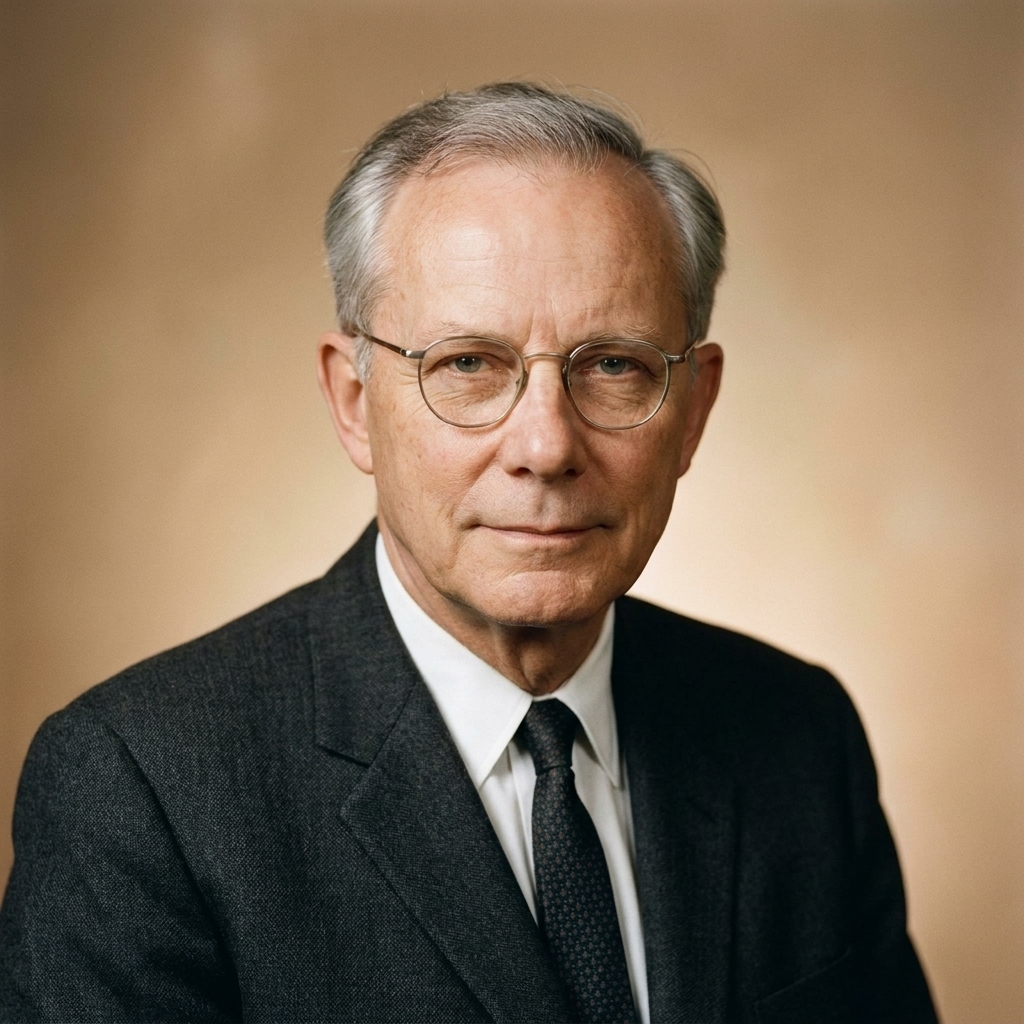
If Kierkegaard helps you stop pretending, Paul Tillich helps you stop panicking. A 20th-century theologian shaped by war and displacement, Tillich looked directly at anxiety and refused to treat it as a spiritual failure. For him, anxiety is part of what it means to be human. We are aware that we can lose what we love. We are aware that we will die. We are aware that we might waste our lives.
Tillich famously spoke of God not as “a being” among other beings, but as the Ground of Being, the depth beneath everything. That language has helped many people who struggle with a literal, person-like image of God, yet still sense that reality has depth, moral weight, and holy mystery.
His phrase “the courage to be” is not motivational fluff. It is spiritual grit. Courage, for Tillich, is self-affirmation in the face of nonbeing. It is showing up to your life even when you feel unsteady.
Try this
- Locate your anxiety. Is it fear of death and fate, fear of emptiness and meaninglessness, or fear of guilt and condemnation? Tillich names these as major forms of existential anxiety.
- Ask what you treat as ultimate. Tillich calls this your “ultimate concern.” What do you organize your life around when you are not thinking about it?
- Practice a grounding sentence. “I can feel anxious and still be faithful.” “I can feel doubt and still be held.”
Start here: The Courage to Be; Dynamics of Faith
Tillich does not offer escape from dread. He offers depth beneath it.
Note: Some anxiety is existential, and some is clinical. If your anxiety feels relentless or debilitating, consider spiritual practices alongside professional support.
3) Martin Buber
I and Thou
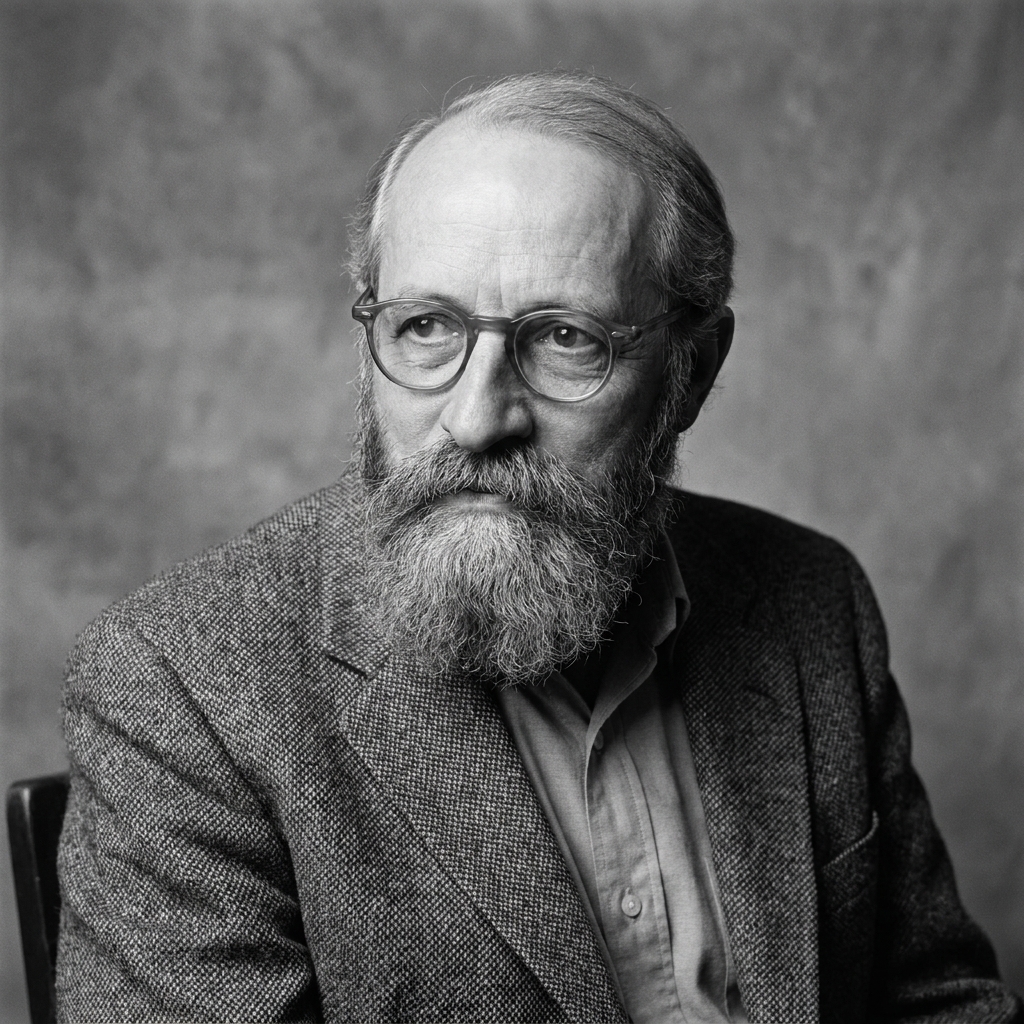
Martin Buber is not always filed under “existentialism” in the narrowest sense, but his work pulses with existential urgency: the quality of your life depends on the quality of your relationships. In I and Thou, Buber describes two primary ways we relate to the world.
In an “I-It” relationship, we treat others, and even ourselves, as objects to manage, use, categorize, fix. In an “I-Thou” relationship, we meet another being with presence and reverence. We do not reduce them. We encounter.
Here is the spiritual shock: Buber suggests that every genuine “Thou” encounter opens toward the Eternal Thou. In other words, God is not only found in private beliefs. God can be encountered in the sacredness of real meeting.
Try this
- Pick one “Thou” moment each day. Put your phone down. Make eye contact. Listen without preparing your reply.
- Practice reverent speech. Before you critique someone in your mind, try: “This is a whole life, not a problem to solve.”
- Bring Buber into prayer. Let prayer be less about requesting and more about meeting. “Here I am.”
Start here: I and Thou; Between Man and Man
Many of us are spiritually lonely because we are relationally absent.
4) Simone de Beauvoir
Freedom and ethics
Simone de Beauvoir is often introduced primarily through feminism and ethics, and rightly so. Yet her existentialism is spiritual in the way it presses the question of how to live with integrity when you cannot hide behind fate, roles, or easy answers.
For de Beauvoir, we are not born with a finished essence. We become. That sounds liberating until you feel the cost: you are responsible for what you make of your freedom, and your choices ripple into the lives of others.
In The Ethics of Ambiguity, she refuses the fantasy of purity. Human life is mixed, unfinished, and morally demanding. Meaning is not a private glow inside your chest. Meaning is tested in the world. It becomes real through solidarity, justice, and the daily practice of not treating other people as props in your self-improvement story.

Try this
- Audit your “spiritual bypass.” Where do you use spiritual language to avoid hard choices, hard conversations, or hard truths?
- Choose one freedom practice. Do one small act that aligns with your values, not your fear of disapproval.
- Add ethics to your mysticism. Once a week, ask: “Who benefits from how I am living? Who is harmed?”
Start here: The Ethics of Ambiguity; The Second Sex
De Beauvoir invites a spirituality that is compassionate, not cosmetic.
5) Albert Camus
Revolt and joy
Albert Camus did not offer theological hope in the usual sense. He is often remembered for “the absurd,” the tension between our hunger for meaning and a world that does not hand it to us neatly. But Camus is not a prophet of despair. He can be read as a teacher of dignity.
When he speaks of “revolt,” he does not mean constant anger. He means refusing to lie. Refusing to pretend you have answers you do not. Refusing to become cruel just because life is hard. In The Myth of Sisyphus, the image of Sisyphus pushing the boulder becomes, surprisingly, an invitation to a grounded joy: you can live fully even when life is unresolved.
For spiritual seekers, Camus can function like a cleansing wind. He strips away spiritual performance. He asks: Can you love life without requiring it to be tidy?

Try this
- Practice “one honest no.” No to self-deception. No to busywork that keeps you numb. No to cruelty dressed up as realism.
- Choose a faithful revolt. Show up for someone. Tell the truth kindly. Keep a promise. These are spiritual acts in an absurd world.
- Make room for simple joy. A walk by water, a meal cooked slowly, a page of poetry. Joy does not have to justify itself.
Start here: The Myth of Sisyphus; The Plague
Camus will not hand you meaning. He will help you stop abandoning your own life.
For modern seekers
If your spirituality has felt brittle, existentialism can soften it. Not by removing structure, but by re-centering sincerity. Across their differences, these five voices share a few invitations that feel especially healing right now:
- Let doubt become a teacher. Doubt can be a doorway into humility and deeper prayer.
- Stop outsourcing your soul. Traditions matter, teachers matter, communities matter. But you still have to live your own yes.
- Turn anxiety into attention. Often anxiety is misdirected spiritual energy, pointing toward what you love and fear to lose.
- Make faith ethical and embodied. Belief without compassion becomes ideology. Spirituality without presence becomes performance.
A gentle start
If you want to integrate existentialist wisdom without turning your life into an endless philosophy seminar, try this three-part practice for one week:
- Morning: Ask, “What is my ultimate concern today?”
- Midday: Create one “Thou” moment of real presence with a person, an animal, or the natural world.
- Evening: Journal one sentence: “Today I chose…” and name one real choice you made, even if it was small.
Spiritual transformation rarely arrives like lightning. More often, it comes like tidewater: steadily, quietly, reshaping the shoreline of who you are.
And if dread has been following you around lately, consider this: maybe it is not there to punish you. Maybe it is there to wake you up.