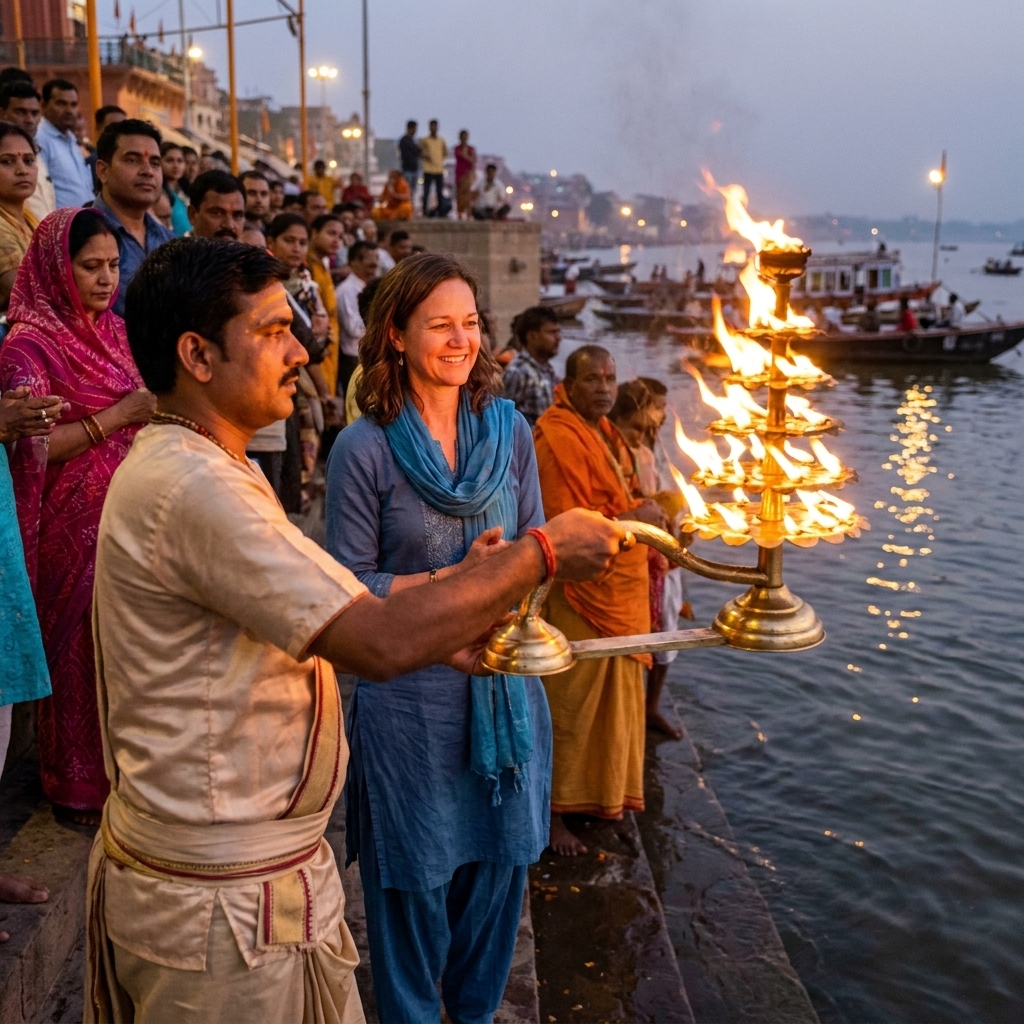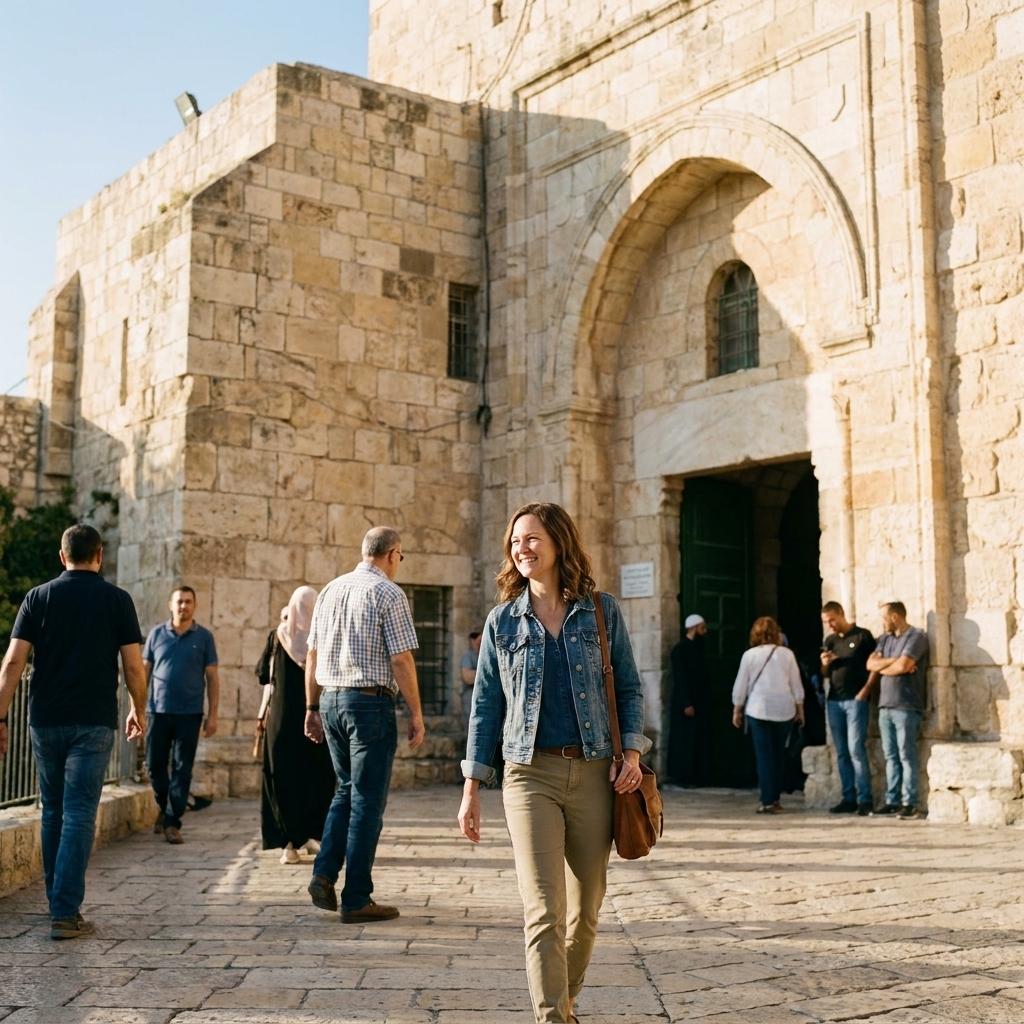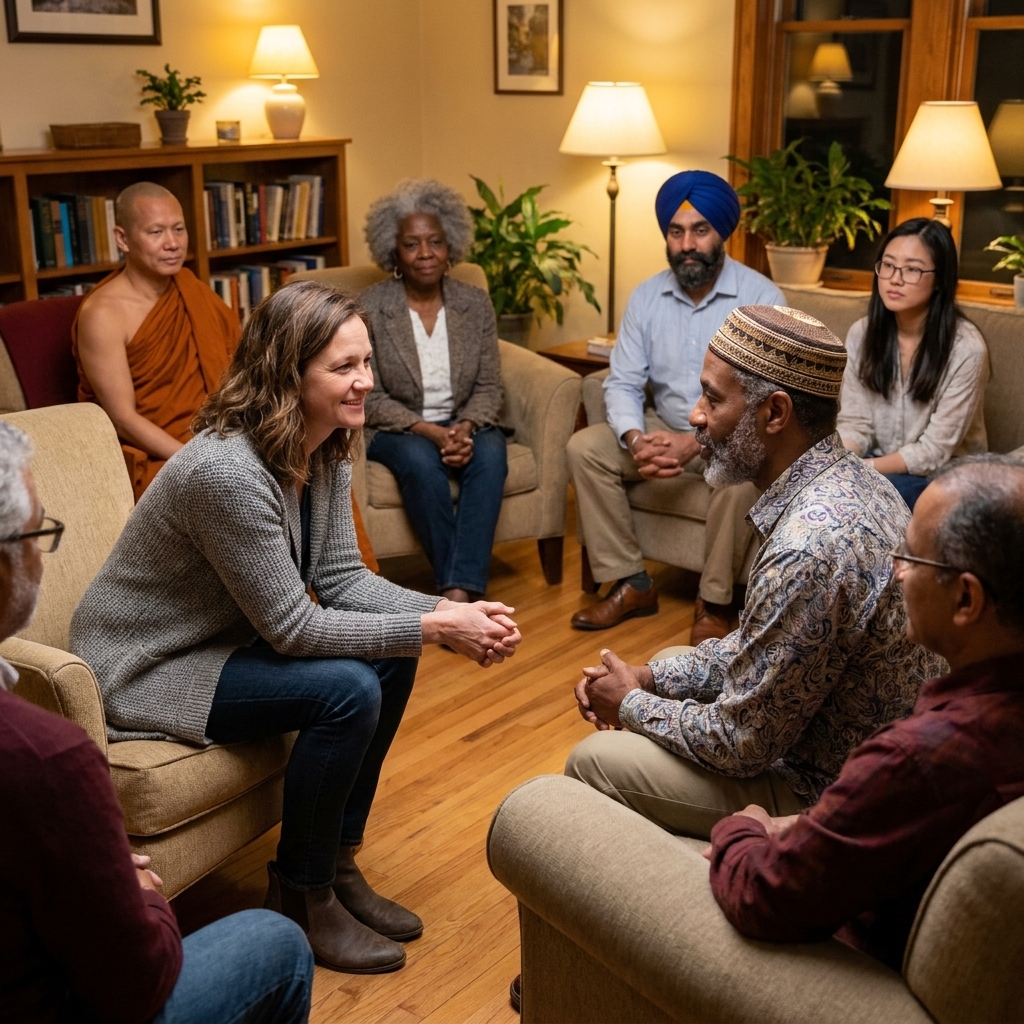
In the multi-faith home I grew up in, dinner-table conversations could jump from the Shema to stories of Krishna, from church hymns to questions about ancestors and the spirits of place. I learned early that the way people speak about the divine is rarely just a “how many gods” question. It is also about intimacy and awe, about ethics and identity, about what it feels like to be held by something larger than yourself.
This guide offers a grounded comparison of monotheism and polytheism, including how these frameworks developed historically and how they show up in everyday life today. Along the way, we will make room for traditions that do not fit neatly into either box, because religion almost never does.
What monotheism and polytheism mean
Monotheism
Monotheism is the belief that there is one ultimate God, the source of all reality and worthy of worship. In many monotheistic traditions, God is not simply the strongest being among others but the ground of being, creator, sustainer, and moral anchor. (In other strands, the emphasis is less philosophical and more devotional, centered on prayer, covenant, and obedience.)
- Common themes: creation, covenant or revelation, worship directed to the one God, and a strong emphasis on divine unity.
- Examples often named: Judaism, Christianity, Islam, Sikhism (often described as monotheistic, though some scholars frame Sikh theology as panentheistic or non-dual), and the Bahá’í Faith.
Polytheism
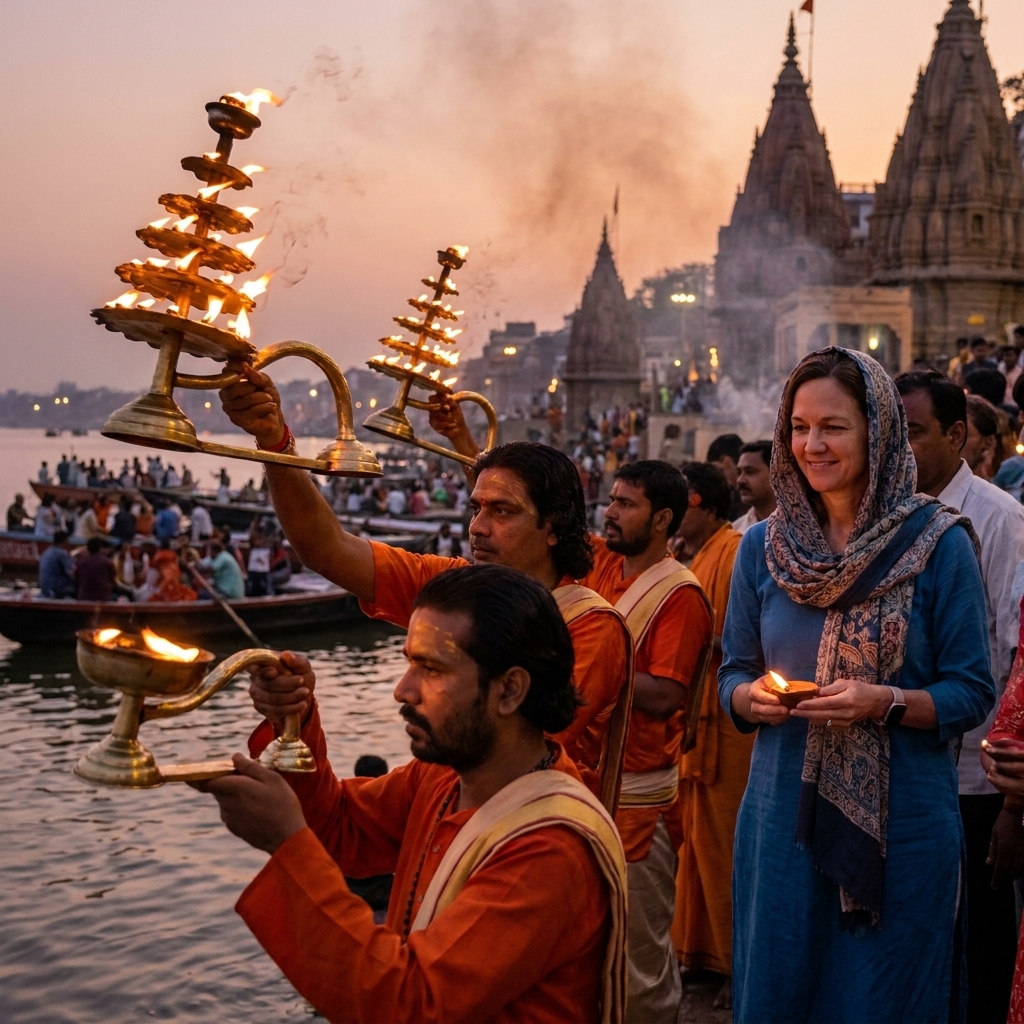
Polytheism is the belief that there are multiple gods, often with distinct personalities, domains, stories, and relationships to the natural and social world. Polytheistic systems can be orderly and structured, with cosmic hierarchies, or locally rooted, with deities tied to particular places and communities.
- Common themes: diverse divine powers, ritual reciprocity, mythic storytelling, and strong ties between religion, land, and community life.
- Examples often named: ancient Greek and Roman religions, many forms of Hinduism, Shinto, and many Indigenous and African Traditional Religions.
Useful “in-between” terms
Real religious life often lives in the margins between definitions. A few terms help clarify what is going on when “one” and “many” overlap.
- Henotheism: devotion to one god as supreme while acknowledging others exist.
- Monolatry: worship of one god without necessarily denying others.
- Panentheism: the divine is in everything, yet also beyond everything.
- Pantheism: the divine is identical with the universe or nature as a whole.
- Deism: God creates the world but is not understood as personally intervening in it.
- Non-theism: a tradition may focus less on gods and more on liberation, ethics, or ultimate reality, as in many schools of Buddhism.
Theology in everyday words
1) Unity and plurality
Monotheism tends to emphasize a single, unified source of existence. Polytheism tends to emphasize plurality in the divine, mirroring the complexity of nature and human life. Neither approach is inherently “simpler.” Both ask profound questions about how the world holds together.
2) How the divine relates to the world
Many monotheistic traditions describe God as creator and ultimately distinct from creation, even when God is also understood as intimately present. Many polytheistic traditions describe gods as within the world’s processes, tied to rivers, harvests, storms, love, war, craftsmanship, and the moral order of community life.
3) Prayer and devotion
In monotheism, worship is typically directed toward the one God, though it can include veneration of saints, angels, or holy figures depending on the tradition. In polytheism, devotion may move fluidly between deities based on need, vocation, season, or family tradition.
Here is what “everyday language” can sound like in practice. A monotheistic prayer might be as simple as: “God, guide me and forgive me. Help me love my neighbor.” A polytheistic prayer might be more situational: “Athena, grant clarity for this work,” or “Lakshmi, bless this household with steadiness and generosity.” Different grammar, different spiritual posture, the same human longing to be met.
One way I explain this in retreats is with a gentle analogy. Monotheism often feels like relating to one sustaining Presence through many names. Polytheism often feels like relating to many sacred faces of reality, each deserving attention in its own way.
4) Morality and authority
Monotheistic religions often ground morality in the character or commands of God, conveyed through revelation and interpreted through community. Polytheistic religions often locate ethics in right relationship, social harmony, duty, and reciprocity with gods, ancestors, and the living community.
That said, both frameworks contain deep moral teaching, and both have produced inspiring movements for justice and compassion, as well as moments of human failure. Theology shapes us, but it does not exempt us from the work of humility.
How these systems developed
Ancient worlds
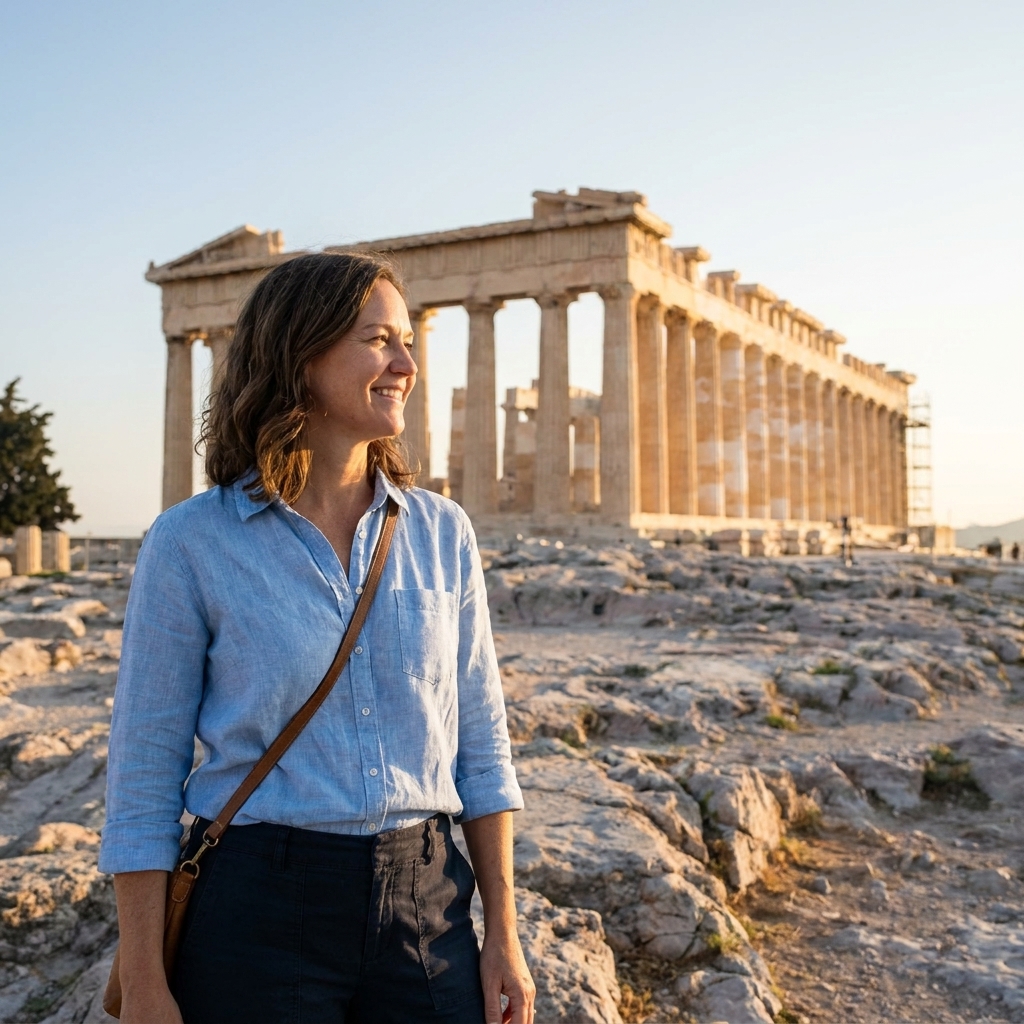
In much of the ancient Mediterranean, Near East, Africa, and Asia, polytheistic or highly plural religious landscapes were common. City-states and kingdoms often had patron deities. Trade and conquest spread gods across borders. New gods could be adopted without necessarily displacing old ones.
From devotion to monotheism
Monotheism as we commonly describe it today did not appear all at once. In the ancient Near East, some communities moved from honoring a primary deity alongside others toward stronger claims of exclusive devotion. Many scholars argue that exilic and post-exilic texts were especially important in sharpening claims about God’s uniqueness and universal sovereignty. Over time, theological reflection, prophetic critique of injustice, and the experience of exile and return helped shape what scholars often call ethical monotheism, where the oneness of God is tied to moral obligation and communal identity.
Empires and texts
As religions grew within and across empires, traditions with universal claims about truth and salvation expanded through preaching, scholarship, trade, migration, and sometimes coercion. Over time, increasing literacy among elites, along with expanding textual cultures, translation, and canon formation, strengthened communities around shared scriptures and shared interpretations, even as diversity persisted within them.
Modern pluralism
In the modern era, global migration and the internet have brought traditions into closer contact than ever. Some communities have doubled down on boundary-making. Others have turned toward reform, interfaith dialogue, or renewed appreciation for older local practices. Polytheistic and Indigenous traditions have also experienced revival and reclamation after long periods of suppression.
Monotheism today
Judaism
Judaism centers on the oneness of God and the covenantal relationship between God and the Jewish people. The Shema, “Hear O Israel, the Lord is our God, the Lord is one,” is both theology and daily practice, shaping prayer, ethics, and communal life.
Christianity
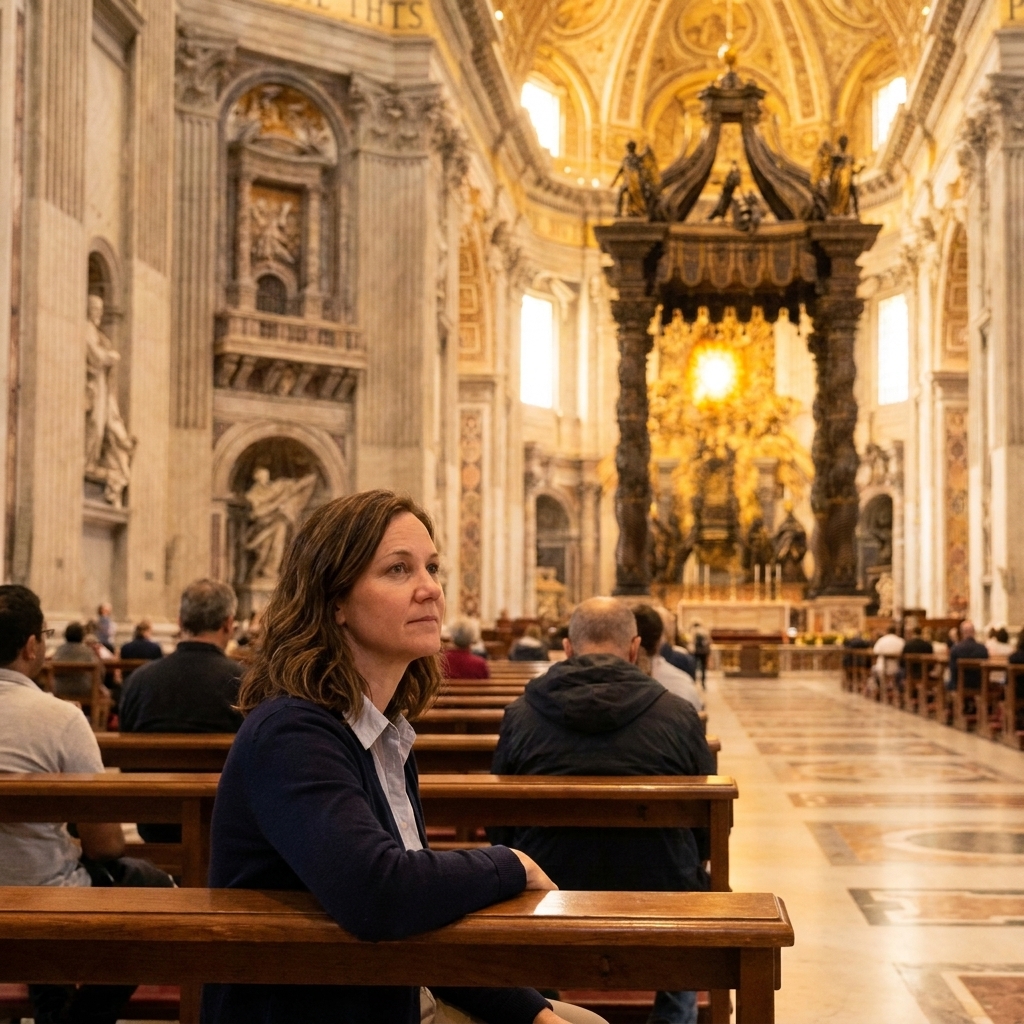
Christianity is monotheistic, though its understanding of God is articulated through the doctrine of the Trinity: one God in three persons. Christians differ widely in how they explain this mystery, but the intention is to safeguard both divine unity and the lived experience of God as Creator, Christ, and Spirit.
Islam
Islam emphasizes tawhid, the absolute oneness and uniqueness of God. God is not divided, incarnated, or shared. The Qur’an repeatedly calls believers back to this unity, linking it to mercy, justice, and surrender of the ego’s false gods.
Sikhism
Sikhism teaches devotion to Ik Onkar, the One Reality. God is beyond form yet intimately present, encountered through remembrance, ethical living, community service, and sacred song. Some readers find it helpful to think of Sikh theology as monotheistic in devotion, while also carrying a strong panentheistic or non-dual texture in its language about divine presence.
The Bahá’í Faith
The Bahá’í Faith is strongly monotheistic and emphasizes unity, including the unity of humanity and the progressive revelation of God through messengers across history.
Polytheism today
Hindu traditions
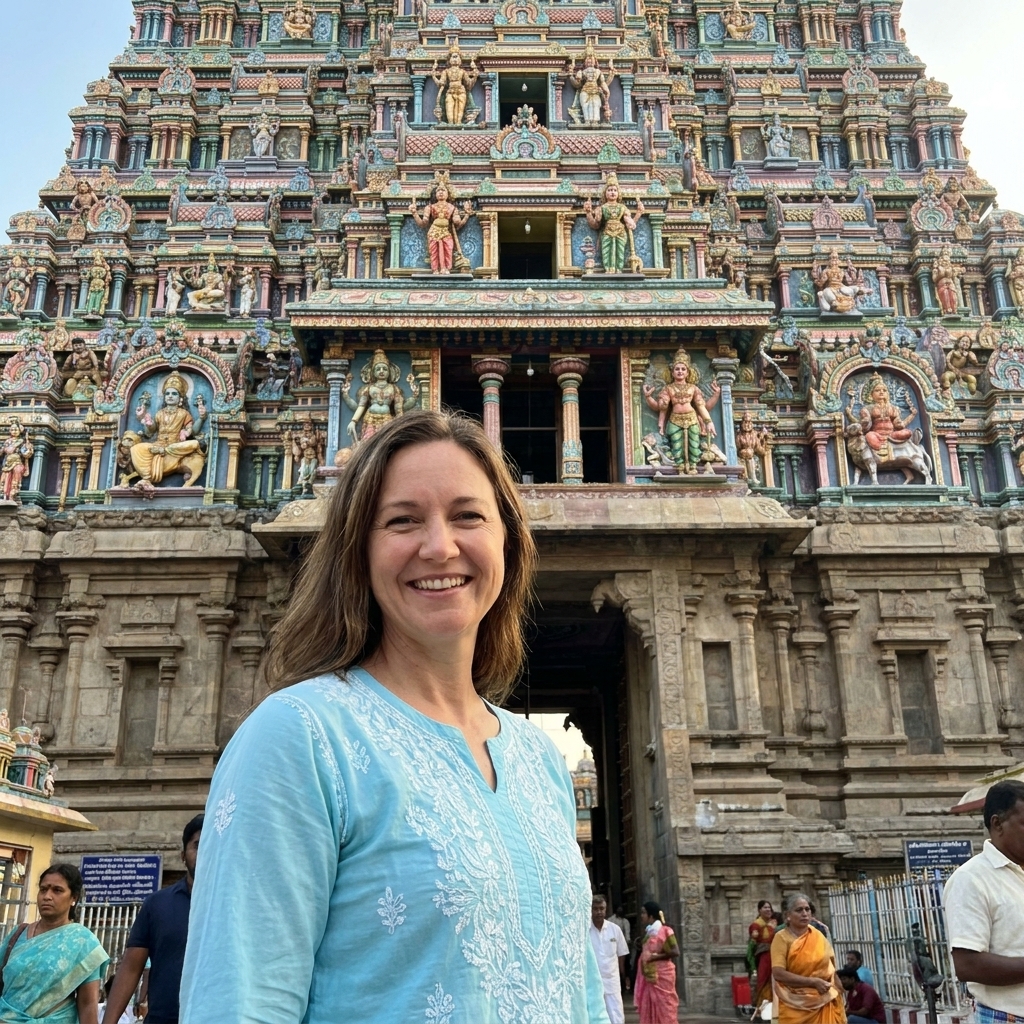
Hinduism is famously diverse. Some Hindus are devoted to a particular deity such as Vishnu, Shiva, Devi, or Ganesha. Others emphasize a more abstract ultimate reality, Brahman, with deities understood as manifestations or approachable forms of the divine.
This is why Hinduism is sometimes described as polytheistic, sometimes henotheistic, sometimes monotheistic, and sometimes panentheistic, depending on the school and the practitioner. Even within a single community, people can contest labels, not because they are confused, but because the tradition can carry multiple theological logics at once. What matters most is not winning a label but understanding the lived logic: devotion, relationship, and liberation.
Shinto
Shinto in Japan speaks of kami, sacred presences that can be associated with natural features, ancestors, or revered forces of life. Shinto practice is often less about fixed creeds and more about purity, gratitude, seasonal ritual, and reverent attention to place.
African Traditional Religions
Across Africa’s many peoples and regions, there is tremendous variety in religious life. Many African Traditional Religions include belief in a Supreme Creator alongside a rich spiritual ecology of divinities, spirits, and ancestors. From the outside, this can look like polytheism. From the inside, it often feels like a layered cosmos where the ultimate source of life is honored through a web of relationships.
Indigenous traditions
Many Indigenous nations carry traditions that do not separate “religion” from land, kinship, and daily responsibilities. Spirits, ancestors, and sacred forces may not fit the category “gods” at all. The focus is frequently on right relationship and reciprocity rather than on abstract theological counting.
Common misconceptions
Polytheism means “anything goes”
Polytheistic traditions often have strong moral expectations, careful ritual systems, and deep philosophical reflection. Many are less about personal preference and more about duty, community, and harmony.
Monotheism is “more advanced”
This idea often comes from colonial-era assumptions rather than from careful study. Traditions evolve in different directions for different reasons. A worldview that honors many divine powers can be sophisticated, ethical, and contemplative.
Saints or angels mean “not monotheism”
Veneration is not always worship. In many monotheistic communities, saints, angels, and righteous exemplars are seen as intercessors or models, not rival deities. The lines can be debated, but the internal intention matters.
Hinduism is simply “many gods”
Many Hindus describe the divine as one reality approached through many forms. Others hold more strongly to a particular deity’s supremacy. Hinduism is better understood as a family of traditions with multiple theologies, rather than a single uniform system.
What this can offer a seeker
When readers tell me they are exploring faith outside the tradition they were raised in, it is rarely because they want a new argument. More often they want a new way of breathing in the world.
Monotheism can offer
- Coherence: one ultimate source and one horizon of meaning
- Ethical clarity: a strong link between faith and moral responsibility
- Intimacy: a personal relationship with the divine in prayer and trust
Polytheism can offer
- Texture: a sacred language for the many forces shaping life
- Place-based reverence: spirituality rooted in seasons, land, and community
- Relational devotion: different forms of care, petition, gratitude, and celebration
Neither path guarantees peace. Both can be lived with tenderness or with rigidity. The question I return to, again and again, is this: Does this way of naming the sacred make you more compassionate, more awake, and more responsible for how you treat others?
FAQ
Is Buddhism monotheistic or polytheistic?
Many forms of Buddhism are best described as non-theistic. The central focus is often liberation from suffering through insight, ethics, and practice. Some Mahayana and Vajrayana contexts include devotional practices involving celestial Buddhas, bodhisattvas, and local deities, which outsiders may label “polytheistic.” Doctrinally, however, these figures do not always function as creator gods or ultimate beings in the monotheistic sense.
Are Judaism, Christianity, and Islam basically the same?
They share important roots and affirm one God, but they differ significantly in scripture, theology, communal authority, and how they understand revelation and salvation. Similarity in structure does not erase real difference in lived faith.
Can someone believe in one God and honor many forms?
Yes. Some traditions emphasize one ultimate reality expressed through many names, attributes, or manifestations. The key question is whether those forms are seen as separate deities or as ways of relating to the one.
Why do some religions have many gods?
Historically, many-god systems often grew alongside local communities, ecosystems, and social roles. Theologically, they can express the intuition that reality is complex and that different dimensions of life deserve distinct forms of reverence and story.
Closing reflection
Whether you pray to the One, sing to many, or sit in silence before a mystery you cannot name, the heart of spirituality is often less about arithmetic and more about orientation. What do you turn toward when you are afraid? What do you thank when you are grateful? What do you serve when no one is watching?
If exploring monotheism and polytheism leaves you with more curiosity and less contempt, you are already practicing something sacred.