I grew up hearing the word indulgence used two very different ways. In everyday English it meant an extra slice of cake, a little treat. In Catholic history, it meant something more specific, and more controversial. Indulgences sit at the crossroads of mercy and accountability, spiritual care and institutional power. They are also one of the clearest places where theology turns into lived, practical religion.
This is an explanatory, historical look at what the Catholic Church teaches an indulgence does, what it does not do, why the practice became a flashpoint in the Protestant Reformation, and what limits the Church places on indulgences today.
Indulgence, in plain language
In Catholic teaching, an indulgence is the remission, before God, of temporal punishment due to sins whose guilt has already been forgiven.
That sentence carries the whole concept. If you only remember one distinction, let it be this: an indulgence is not the forgiveness of sin. It addresses what Catholics understand as the aftereffects of sin that remain even after a person has been reconciled to God.
Why Catholics speak of “punishment”
In Catholic moral theology, sin has a double consequence:
- Guilt (the rupture in relationship with God, and with the community).
- Consequences (the disorder, attachments, harm, and spiritual healing that still need mending).
The tradition often names the second category “temporal punishment.” That phrase can sound harsh to modern ears, but the underlying idea is closer to healing and restoration than to revenge. Even when forgiveness is real, rebuilding is still needed.
One clarification helps avoid confusion: Catholic teaching also speaks of eternal punishment as what is remitted when a person is forgiven and restored to grace, while temporal punishment can remain as the work of purification and repair.
A simple human analogy helps: if I sincerely apologize after damaging a friend’s trust, the friendship can be reconciled, but rebuilding trust still takes time and repair. In Catholic terms, reconciliation addresses guilt. Ongoing healing corresponds to temporal consequences.
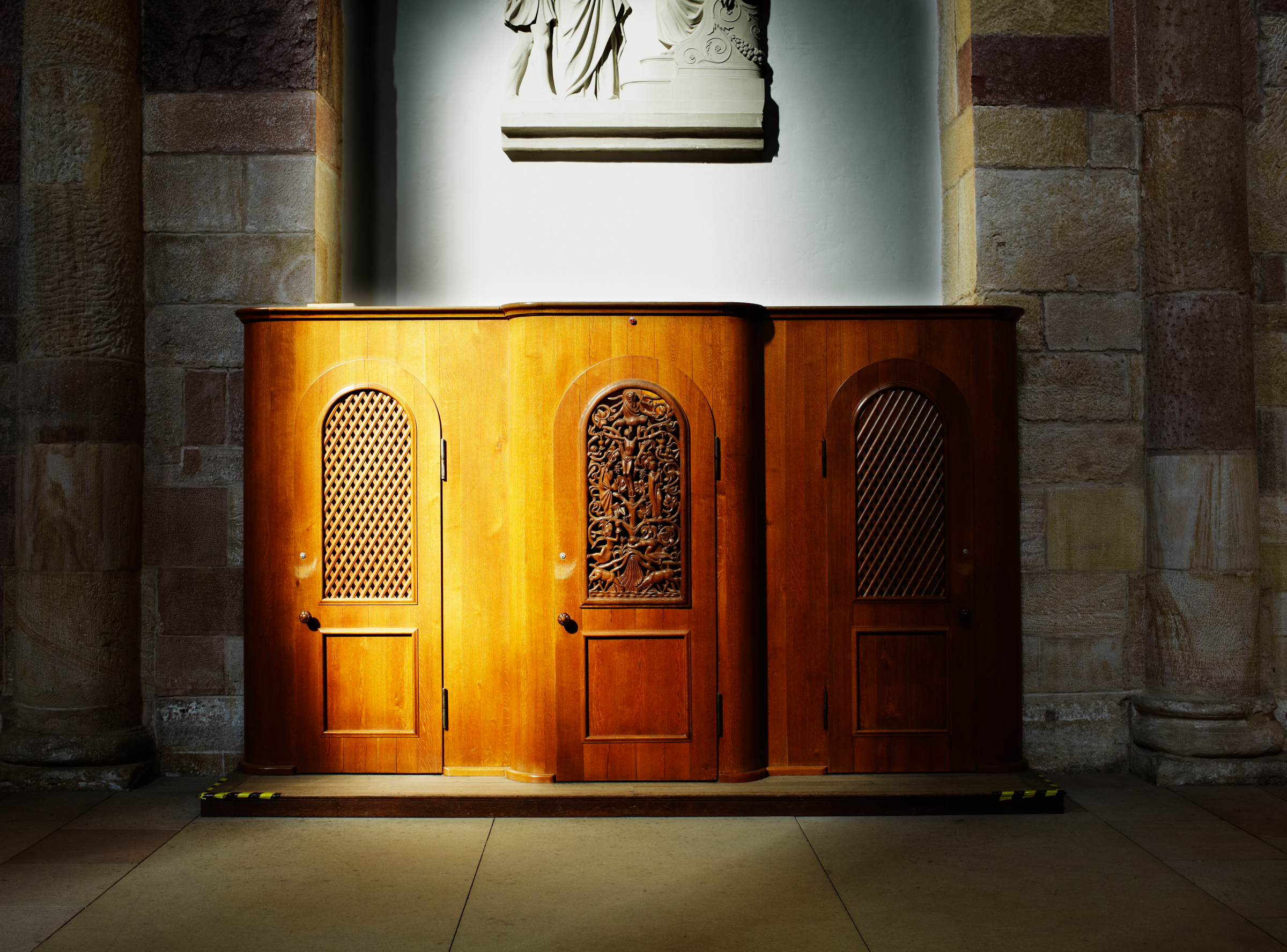
How indulgences differ from confession
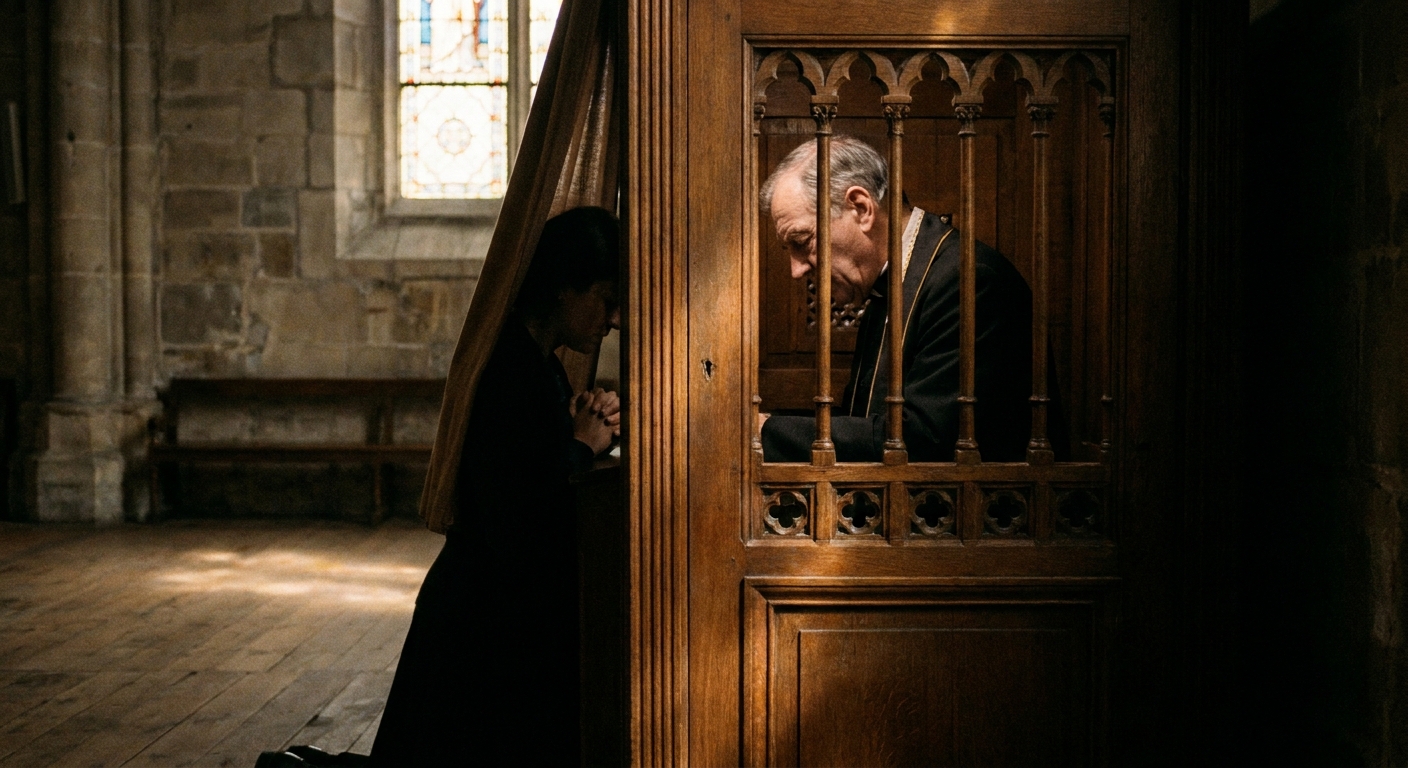
The Sacrament of Reconciliation, often called confession, is where Catholics seek forgiveness of sins. In sacramental language, confession addresses the guilt of sin and restores the person to communion with God and the Church.
An indulgence, by contrast, is connected to what remains after that forgiveness: the “temporal punishment” due to sin. It is traditionally linked with:
- Conversion of heart (turning away from sin and toward God).
- Penance (acts of repair and spiritual medicine).
- Communion of saints (the shared spiritual life of the Church).
Where penance fits in
After confession, a priest assigns a penance. That penance is not “payment” in a commercial sense. It is a concrete act meant to express repentance and begin repair.
Indulgences developed historically as one way the Church guided people into penitential practices, prayer, and works of mercy, especially in eras when public penance could be severe and lengthy. Over time, the practice became standardized and, at points, disastrously entangled with money and politics.
Partial vs. plenary indulgences
Catholic teaching distinguishes between two kinds of indulgences:
- Partial indulgence: remits part of the temporal punishment due to sin.
- Plenary indulgence: remits all temporal punishment due to sin, under certain conditions.
Importantly, a plenary indulgence is not treated as a mechanical guarantee you can trigger on demand. It is connected to interior disposition, including a sincere detachment from sin.
Common conditions
When the Church outlines conditions for a plenary indulgence, it typically includes:
- Sacramental confession (within a set period, commonly described as about 20 days before or after the indulgenced work).
- Reception of the Eucharist.
- Prayer for the pope’s intentions.
- Completion of the indulgenced work (a specified prayer, pilgrimage, act of devotion, or work of mercy).
- Detachment from all sin, even venial sin.
That last condition is the one many Catholics find most searching. It frames indulgences not as a spiritual loophole, but as an invitation toward real conversion.
How often?
As a rule, Catholics are taught that a plenary indulgence is ordinarily gained once per day. (A common pastoral exception is that the Church provides special encouragement and provisions for the dying.)
The “treasury of the Church”
The phrase treasury of the Church, often also called the treasury of merit, can sound like spiritual accounting. In Catholic thought, it is a way of describing the Church’s belief that the holiness of Christ, and the prayers and virtuous lives of the saints, are not isolated accomplishments. They belong to a shared spiritual communion.
In plain language, the idea is this:
- Christ’s saving work is inexhaustible.
- The saints’ holiness is not independent of Christ; it is participation in his life through grace.
- The Church, as a communion, can intercede for its members, applying that shared spiritual “wealth” toward their healing and sanctification.
An indulgence is described as drawing on that treasury through the Church’s authority to bind and loose, understood as a pastoral exercise of mercy. If you bristle at the metaphor of a treasury, you are not alone. Even within Catholic circles, teachers often clarify that this is not a literal bank of points, but a relational way of speaking about solidarity in grace.
Why indulgences sparked the Reformation
Indulgences were not the only issue driving the Protestant Reformation, but they became a powerful symbol of deeper concerns: authority, salvation, corruption, and the spiritual anxiety of ordinary Christians.
The problem: money and messaging
By the late medieval period, indulgences were sometimes preached and promoted in ways that implied a direct exchange: give money, receive spiritual benefit. The Church’s official theology was more nuanced than the street-level sales pitch, but for many people the difference barely mattered. The experience on the ground could feel like the sacred was being commercialized.
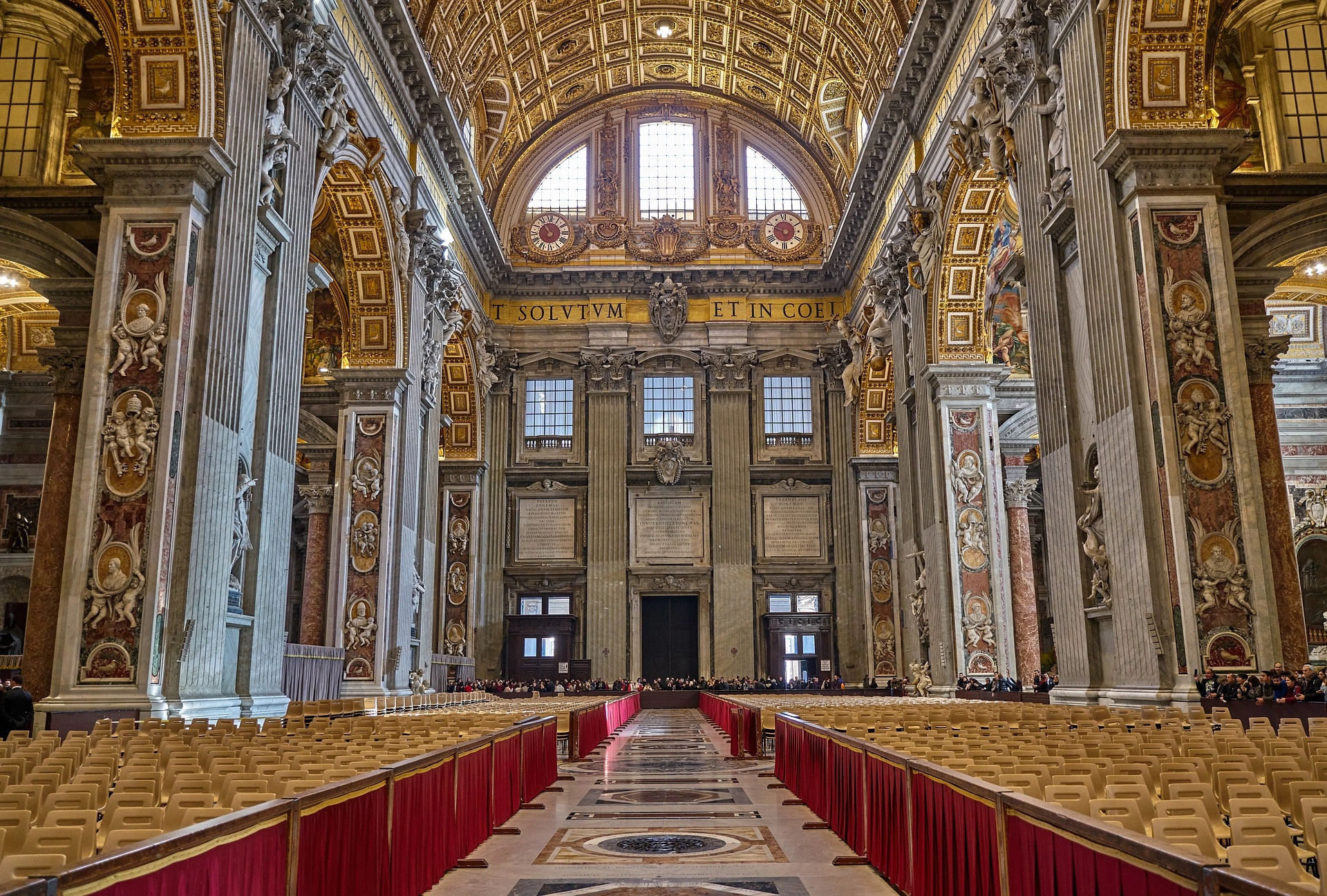
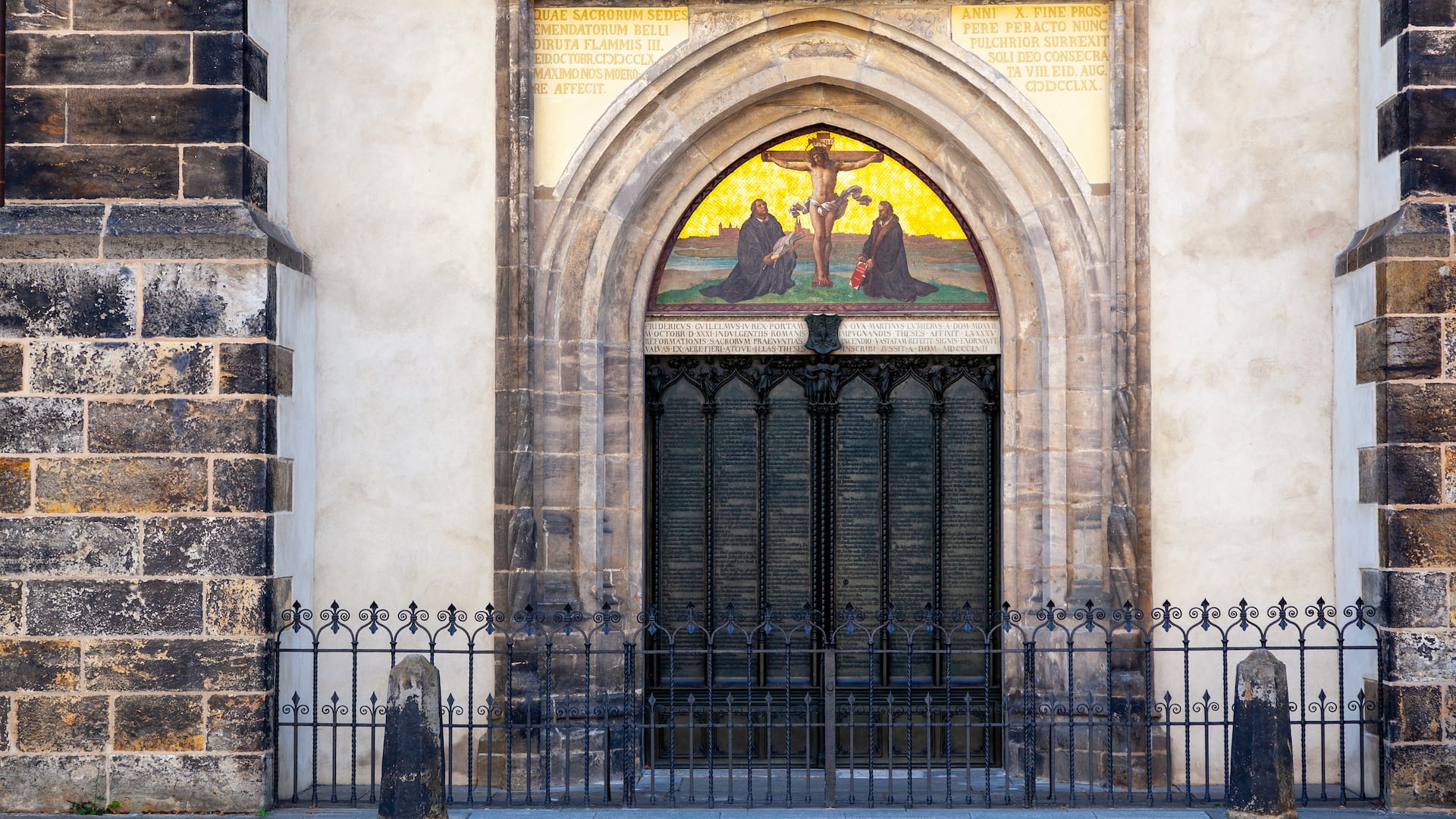
One concrete example often cited by historians is the indulgence campaign associated with Johann Tetzel, connected to fundraising that helped finance projects tied to Saint Peter’s Basilica and to complex church and political debts in the German lands. However carefully theologians framed it, the popular impression could slide into something that looked like a transaction.
Luther and the deeper dispute
When Martin Luther objected publicly to indulgence practices in the early 1500s, his protest touched a nerve already exposed by long-standing frustrations. The conflict was not only about abuses. It was also about underlying questions such as:
- What is the role of the Church in distributing grace?
- How should Christians understand repentance and penance?
- Can any human work, even a Church-prescribed one, be tied to spiritual benefit without undermining salvation by grace?
For Reformers, indulgences often came to represent a system they believed obscured the heart of the gospel. For Catholic leaders, the challenge became twofold: correct abuses and clarify doctrine without abandoning long-held convictions about the Church’s pastoral authority and the communion of saints.
In the Catholic reform that followed, the Council of Trent condemned abuses and moved to tighten discipline around indulgences, aiming to keep the practice from becoming a vehicle for scandal and simony-like bargaining.
What indulgences can and cannot do
What an indulgence remits
In Catholic teaching, an indulgence remits temporal punishment due to sin after sin’s guilt has been forgiven. It is connected to sanctification, purification, and the healing of the person and their loves.
What an indulgence does not do
- It does not forgive the guilt of sin. That is the domain of repentance and reconciliation, sacramentally expressed in confession.
- It does not give permission to sin. The Church explicitly rejects any use of indulgences as a pretext for moral laziness.
- It cannot be bought. Whatever happened historically, Catholic teaching and current discipline reject treating spiritual goods as commercial products, and they condemn bargaining that resembles simony.
- It is not magic. The Church presents it as bound up with prayer, conversion, and charity.
This “can and cannot” list matters because many misunderstandings, both critical and devotional, treat indulgences as if they were spiritual coupons. Catholicism insists they are tied to a life moving toward God, not away from God.
Indulgences for the dead
One of the most emotionally charged aspects of indulgences is their association with prayer for the dead.
Catholic teaching holds that some of the departed may undergo purification, traditionally called purgatory, before entering the fullness of heaven. Within that framework, the Church teaches that indulgences can be applied to the dead by way of intercession, meaning the living ask God to apply the indulgence’s spiritual benefit to them.
Even here, the Church describes the final action as God’s. It is not presented as humans controlling the afterlife, but as the communion of saints praying for one another across the boundary of death.
How to receive one today
In ordinary parish life, indulgences tend to show up attached to simple devotional habits rather than dramatic campaigns. The specifics can vary, but common examples Catholics often hear about include:
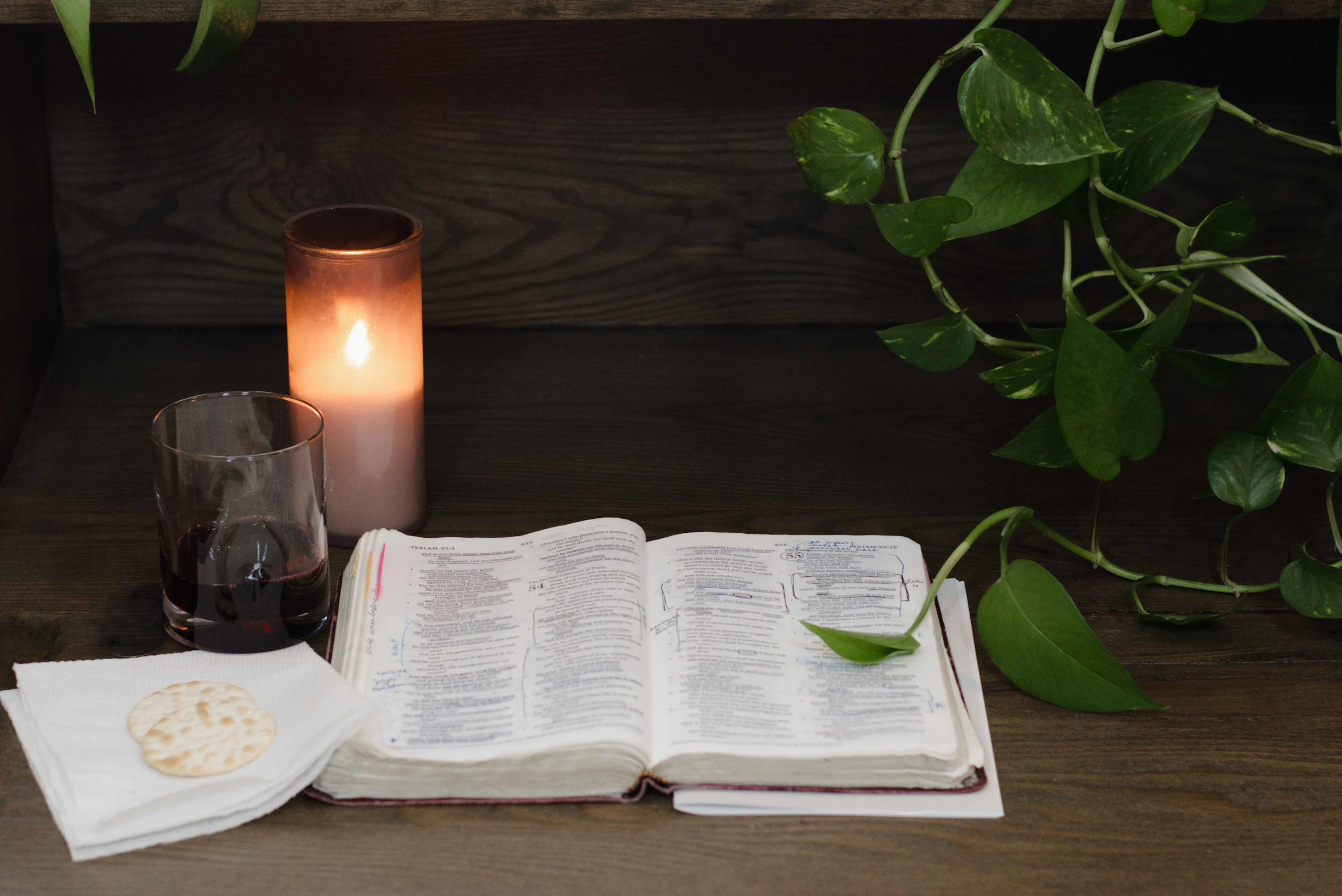
- Spending time with Scripture, such as a sustained period of prayerful reading.
- Praying the Rosary in a church, with family, or in a community.
- Making the Stations of the Cross with the usual prayers and meditation.
- Eucharistic adoration for a meaningful period of prayer.
- Visiting a cemetery and praying for the dead, especially around All Souls’ Day.
The point is not to build a spiritual checklist. In the Church’s own framing, these practices are meant to draw a person into repentance, love, and prayerful solidarity, which is exactly where indulgences are meant to live.
Limits the Church sets today
Modern Catholic discipline places strict limits around indulgences, especially to prevent the abuses that scandalized earlier centuries.
No selling, no bartering
The Church forbids any arrangement that turns indulgences into a financial transaction. Donations can be encouraged for good works, but indulgences cannot be marketed as something money can purchase.
Linked to real spiritual practice
Indulgences are attached to specific prayers, devotions, works of mercy, or pilgrimages, and they are meant to foster genuine conversion. The emphasis is meant to be pastoral: helping believers pray, repent, receive the sacraments, and practice charity.
Interior disposition matters
Even if a person completes an indulgenced act outwardly, Catholic teaching emphasizes the need for sincere repentance and a heart oriented away from sin. This is one of the ways the Church tries to ensure indulgences function as spiritual formation rather than spiritual bureaucracy.
A brief timeline
- Early centuries: public penance for serious sins could be lengthy; the Church develops ways to regulate penitential practice.
- Middle Ages: indulgences become more formalized, tied to particular acts, pilgrimages, and later fundraising efforts.
- 1500s: abuses and theological disputes surrounding indulgences help ignite the Protestant Reformation.
- Catholic reform: Church authorities, including the Council of Trent, curb abuses and clarify teaching in response to criticism and internal reform movements.
- Modern era: indulgences remain in Catholic life, but with clearer boundaries and an emphasis on spiritual sincerity and charitable action.
Why this still matters
Indulgences can seem like a niche Catholic detail until you realize what they are trying to answer: what does healing look like after forgiveness?
Most spiritual traditions, in their own vocabulary, wrestle with that question. Reconciliation is not the same as restoration. Mercy is not the same as denial of harm. Indulgences are one distinctly Catholic way of naming the ongoing work of being remade, supported by a praying community, and held within a story larger than one individual life.
And historically, indulgences are a reminder of something sobering. Even beautiful spiritual ideas can be distorted when fear, money, and power enter the sanctuary. The Reformation flashpoint was not only a doctrinal argument. It was also an argument about credibility, and about what kind of God is being preached to ordinary people.
FAQ
Is an indulgence the same as “getting into heaven”?
No. An indulgence is not taught as a ticket to heaven. In Catholic understanding, salvation is God’s gift, received through grace. Indulgences address temporal consequences after forgiveness, within a life of repentance and faith.
Can Catholics still receive indulgences today?
Yes. The Catholic Church still teaches and grants indulgences tied to specific devotional acts and conditions, with clear prohibitions against commercialization.
How often can you receive a plenary indulgence?
Typically once per day, assuming the conditions are met and the person is sincerely detached from sin. The Church also makes special provision for the faithful at the point of death.
Were indulgences ever officially sold?
The Church’s official theology did not define indulgences as items for sale, but historically indulgence preaching and fundraising became entangled in ways that functioned like sales in practice. That entanglement fueled scandal and became a catalyst for reform and revolt, and later Catholic reforms explicitly targeted these abuses.
What is the most accurate Catholic explanation?
Look to official Catholic sources and current parish guidance, since the Church’s discipline and lists of indulgenced acts are periodically updated. If you are not Catholic but are trying to understand the tradition fairly, it can also help to read both Catholic explanations and responsible historical accounts of late medieval abuses.