In the slow, candlelit stretch between Christmas and the everyday rush of January, I always find myself longing for one more “holy pause” before packing the ornaments away. Epiphany is that pause for many Christians. It is the feast that says, gently but firmly: the light has arrived, and it is for the whole world.
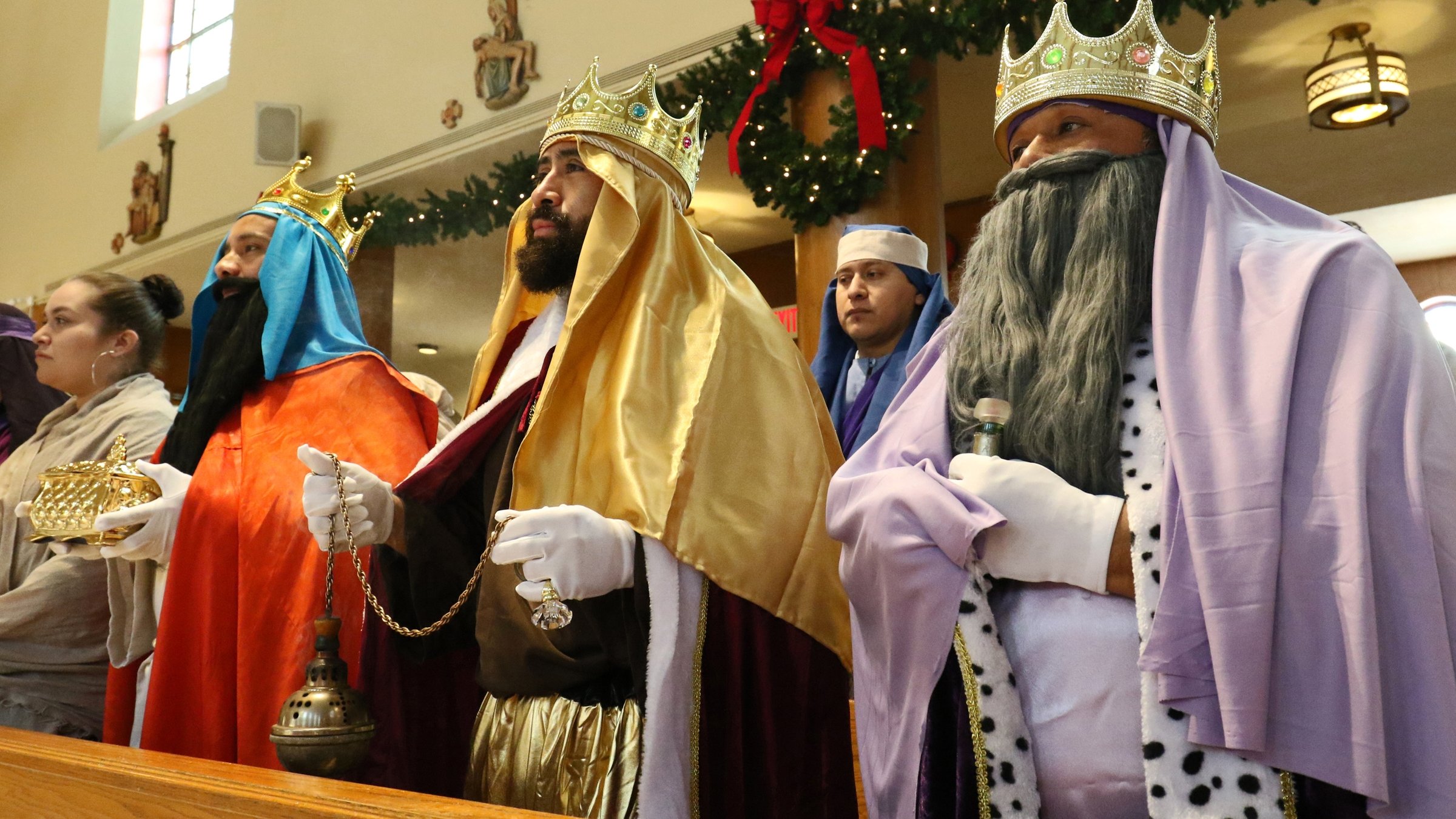
Depending on your tradition, Epiphany can feel like a story about wise travelers, a river baptism, a wedding feast, or all three at once. What ties these images together is the same heartbeat: revelation. A sudden, radiant showing forth of who Jesus is.
What does “Epiphany” mean?
Epiphany comes from a Greek word meaning appearance or manifestation. In Christian worship, it refers to Christ being revealed, not only to a small circle, but to the nations, to ordinary people, to the public life we share.
If Christmas is about incarnation (God with us, arriving in vulnerability), Epiphany is about recognition (God among us, becoming known).
That is why many churches speak of Epiphany as the day Christ is revealed to the Gentiles, represented most famously by the Magi.
What Epiphany celebrates
Epiphany is observed across the Christian world, but different traditions emphasize different moments in the life of Jesus. You will often hear three themes named:
- The visit of the Magi (the wise men, or kings) who come from the East bearing gifts
- The baptism of Jesus in the Jordan, where his identity is publicly affirmed
- The wedding at Cana, where Jesus performs his first “sign” by turning water into wine
Not every church highlights all three in the same way, but together they form a kind of triptych: Christ revealed to the nations, revealed in the waters, revealed through abundance and joy.
Epiphany in the West
In much of Western Christianity (especially Roman Catholic and many Protestant churches), Epiphany is closely tied to Matthew 2:1–12, the story of the Magi visiting the child Jesus.
The details are both familiar and easy to forget that we learned them from art and carols as much as from scripture. Matthew tells us:
- Magi arrive in Jerusalem after seeing a star
- They inquire about the “king of the Jews”
- They are directed to Bethlehem
- They offer gold, frankincense, and myrrh
- They return home by another route after being warned in a dream
It is also worth noticing what Matthew does not tell us. He never gives a number. “Three” is inferred from the three gifts, and tradition eventually supplied names (Caspar, Melchior, and Balthasar) and the idea that they were kings.
The theological point does not depend on those later details. The point is that outsiders recognize the light. People from far away, with different language and culture, are drawn by grace.
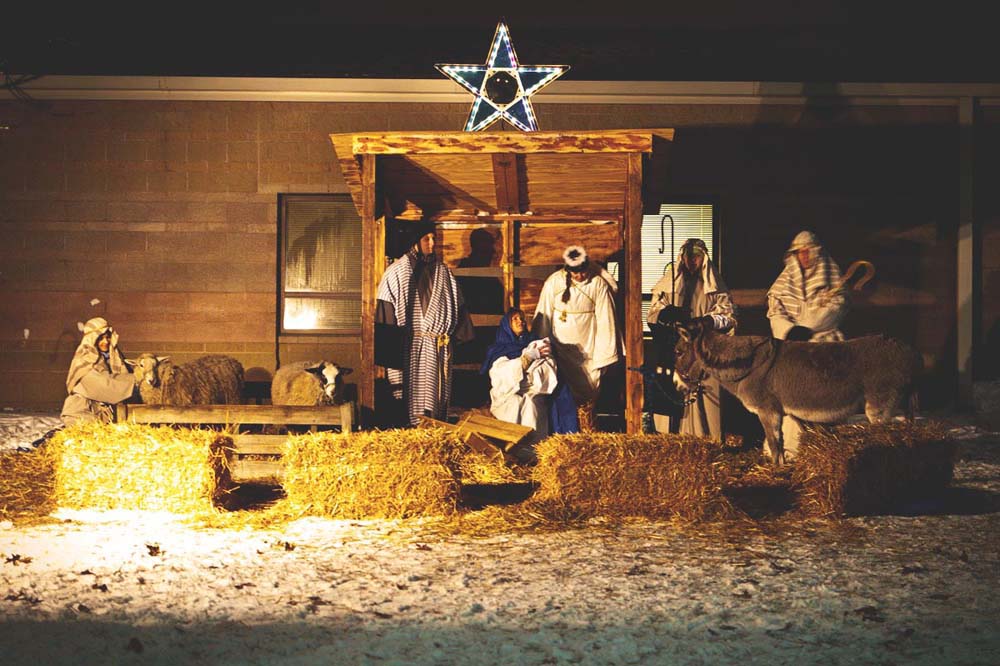
For Western Christians, Epiphany can be the moment the Christmas story turns outward. The newborn is not only for “us.” He is for the world.
Epiphany in the East
In many Eastern Orthodox and Byzantine Catholic communities, this feast is often called Theophany, meaning “God’s appearing.” While the Magi may still be remembered, the strongest focus is frequently on the baptism of Jesus and what that baptism reveals.
At the Jordan, Jesus is made known publicly. The scene is rich with symbolism: water, Spirit, voice, belovedness. In Eastern theology and liturgy, this is not merely a private moment for Jesus. It is a revelation of God’s life and presence.
In many Orthodox communities, Theophany is marked by the Great Blessing of Waters. Water is blessed in church and sometimes in rivers, lakes, or the sea, with processions that can feel both ancient and startlingly alive.
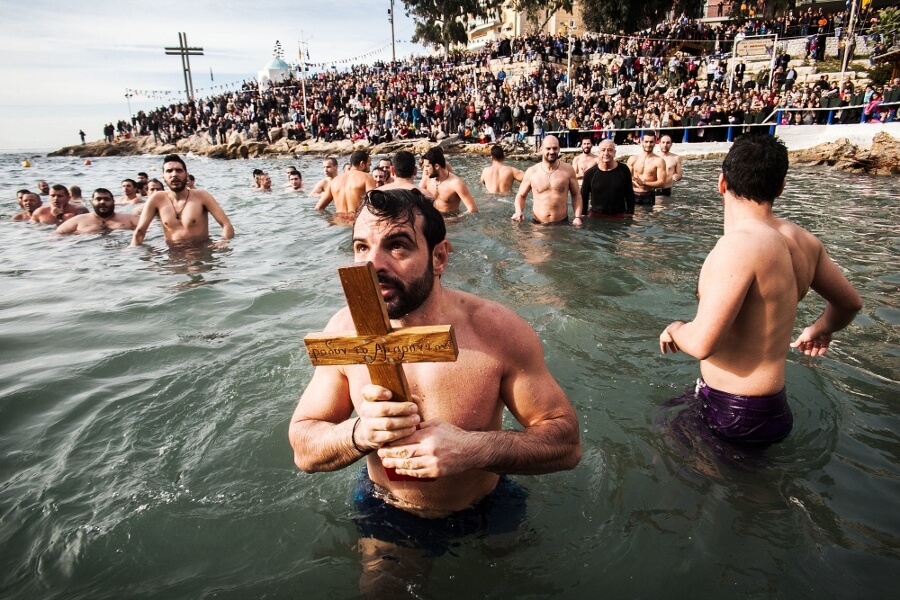
If you have ever felt that January can be spiritually dry, the imagery here is medicine: God meets humanity in water, and ordinary creation becomes a vessel of grace.
Where Cana fits
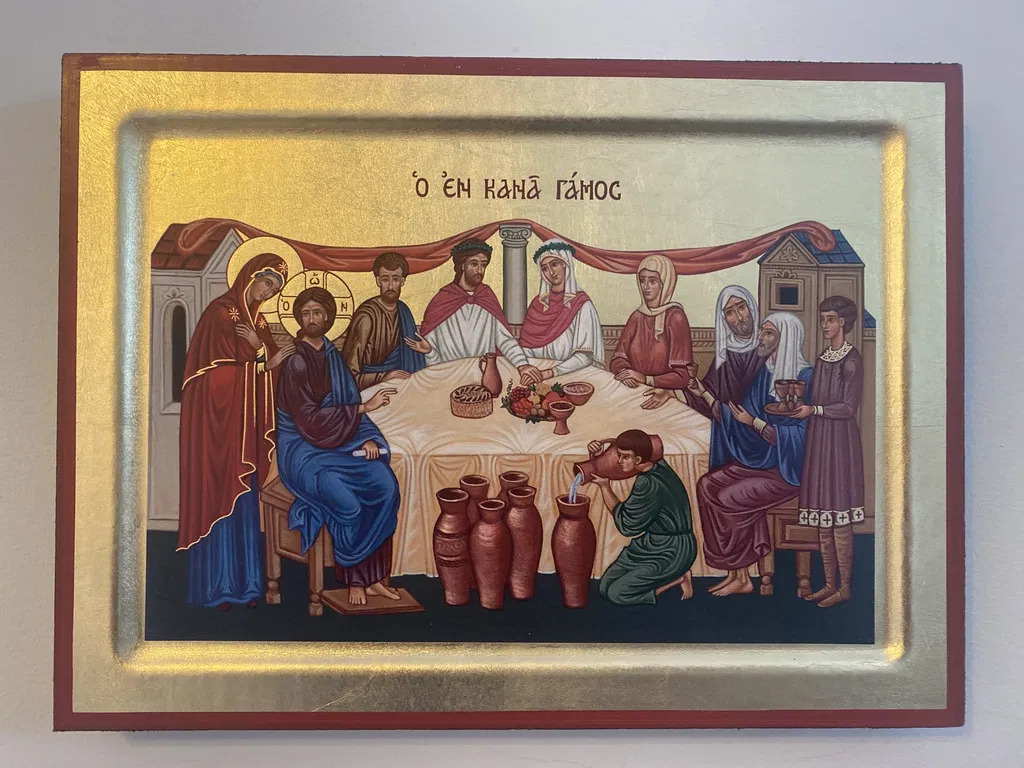
The third theme often connected to Epiphany is the wedding at Cana (John 2:1–11), where Jesus turns water into wine. John calls this his “first sign,” and says it revealed his glory.
Historically, the Church has sometimes held these three manifestations together: the Magi, the Jordan, and Cana. Still, Cana is not always part of the January 6 observance itself. More commonly, it appears in the wider readings and prayers of Epiphanytide, especially in the Sundays that follow.
I appreciate Cana’s quiet insistence that revelation is not only thunder and prophecy. Sometimes it looks like a wedding meal continuing. Sometimes it looks like joy returning to the table.
Why the date varies
January 6 is the historic date for Epiphany in many parts of the Christian world. In countries where Epiphany is a public holiday, it often stays fixed on that date.
In other places, especially where Christians juggle work and school schedules, some Western churches transfer the celebration to the nearest Sunday (often the Sunday between January 2 and January 8). That way, more people can actually attend worship.
To make it slightly more complex, you may also hear about “Eastern dates” for Christmas and Epiphany. Some Eastern churches follow the Julian calendar for liturgical feasts, which currently places Christmas on January 7 (Gregorian) and Epiphany on January 19 (Gregorian). Other Orthodox churches follow the Revised Julian calendar for fixed feasts, aligning Christmas with December 25 while still celebrating Theophany on January 6.
If you have friends posting about Theophany while your own community has already taken down the tree, it is not necessarily disagreement about meaning. Often it is simply calendar math and local custom.
Customs and symbols
Epiphany is a feast with wonderfully earthy traditions. They vary by country, denomination, and family. Here are a few you may encounter.
Chalk blessing
One of the most beloved Epiphany customs, especially in Catholic communities and some Anglican and Lutheran settings, is the Epiphany house blessing.
A common form is to write, in blessed chalk, above a doorway:
20 + C + M + B + 26
The letters are often explained in two ways:
- As the traditional names of the Magi: Caspar, Melchior, Balthasar
- As a Latin blessing: Christus Mansionem Benedicat, “May Christ bless this house”
The plus signs are sometimes interpreted as crosses. The meaning is simple and brave: we are asking for blessing at the threshold, for all who come in and all who go out.

King cake
In some cultures, Epiphany is also called Three Kings Day and is celebrated with special breads and cakes. A small token may be baked inside, and whoever finds it gets a playful honor or hosts next year’s gathering. These customs differ by region, but they share a theme: the feast is meant to be tasted, not only thought about.
Gift giving
Because Epiphany centers the Magi bringing gifts, some countries and families exchange gifts on January 6 rather than on December 25. It is a reminder that the Christmas season has its own unfolding rhythm, and not everyone ends the story on Christmas morning.
Water blessings
In Orthodox practice especially, blessed water from Theophany may be taken home and used prayerfully throughout the year. The intention is not magical control, but sacramental trust: that God’s presence can saturate daily life, including the parts that feel most ordinary.
Twelfth Night
In some places, Epiphany is linked with folk customs around Twelfth Night, the traditional end of the Twelve Days of Christmas. Even when the practices vary, the instinct is similar: mark the turning of the season, and do it with light, song, and shared table joy.
Does Epiphany end Christmas?
For many Christians, yes. Epiphany often functions as a closing hinge to the Christmas season. The Twelve Days of Christmas traditionally run from December 25 to January 5, with Epiphany on January 6 as the feast that completes the arc.
But this varies by calendar and custom. In the Roman Catholic calendar, for example, the Christmas season typically runs through the Baptism of the Lord, celebrated on the Sunday after January 6 (or after the transferred Epiphany). In that sense, Epiphany is not the finish line so much as a bright summit on the way to the Jordan.
In some churches, decorations come down at Epiphany. In others, Christmas continues through the feast of the Presentation or even up to Candlemas. And in many communities that follow a Western liturgical calendar, what follows is the season after Epiphany, which continues the theme of Christ being revealed through teaching, healing, and signs.
What I love about this is that it honors a truth most of us learn the hard way: spiritual joy is rarely a single day. It is a season that ripens. Epiphany gives us permission to let the light keep unfolding.
How to keep Epiphany
You do not need an elaborate plan to honor Epiphany. A small act done with attention can hold a surprising amount of grace.
- Light a candle and read the Magi story (Matthew 2:1–12) slowly, listening for what “star” has been guiding you.
- Bless your home with a brief prayer at the doorway, with or without chalk.
- Offer a gift to someone who might feel forgotten in January: a note, a meal, a ride, a sincere “I see you.”
- Practice holy curiosity: ask where God might be revealing love beyond your usual circle, at work, at school, in your neighborhood.
Epiphany is not only an old feast about long ago travelers. It is an invitation to become the kind of person who notices light and follows it, even if the road is unfamiliar.
Epiphany FAQ
Is Epiphany a Christian holiday?
Yes. Epiphany is a Christian feast celebrating the revelation of Jesus Christ. It is observed in both Western and Eastern Christianity, though with different emphases.
What is Epiphany Day?
Epiphany Day is traditionally January 6, commemorating Christ revealed to the nations, commonly symbolized by the visit of the Magi. Some churches celebrate it on the nearest Sunday for practical reasons.
What do the gifts of the Magi mean?
Christian tradition often understands the gifts symbolically: gold for kingship, frankincense for worship and priesthood, and myrrh as a hint of suffering and burial. However you interpret them, they show reverence offered from beyond Israel’s borders.
What is Theophany?
Theophany means “God’s appearing.” Many Eastern Orthodox and Byzantine Catholic Christians use this name for the feast, focusing especially on Jesus’ baptism and the blessing of water.