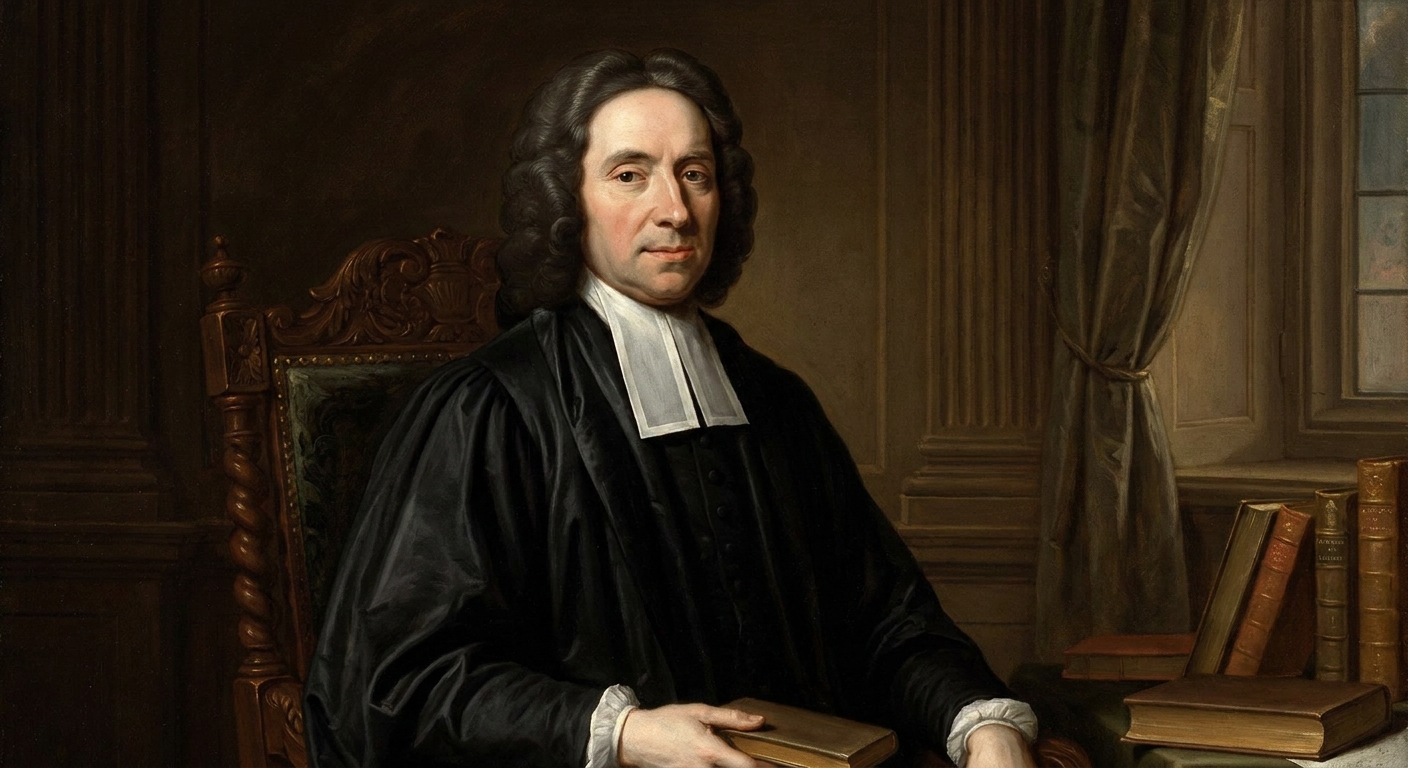
The first time I asked why Christmas is on December 25, I was a teenager standing in a kitchen that somehow managed to hold two kinds of prayer and three kinds of holiday music at once. In my family, December 25 was “Christmas,” but it was also a calendar choice, not a biblical timestamp. That curiosity never left me.
Here is the honest answer: the New Testament does not give a date for Jesus’ birth. December 25 became Christmas through a blend of theology, early Christian timekeeping, and the lived reality of Christians finding their way in the Roman world. Some of our best explanations are well documented. Others are popular because they are simple, not because they are proven.
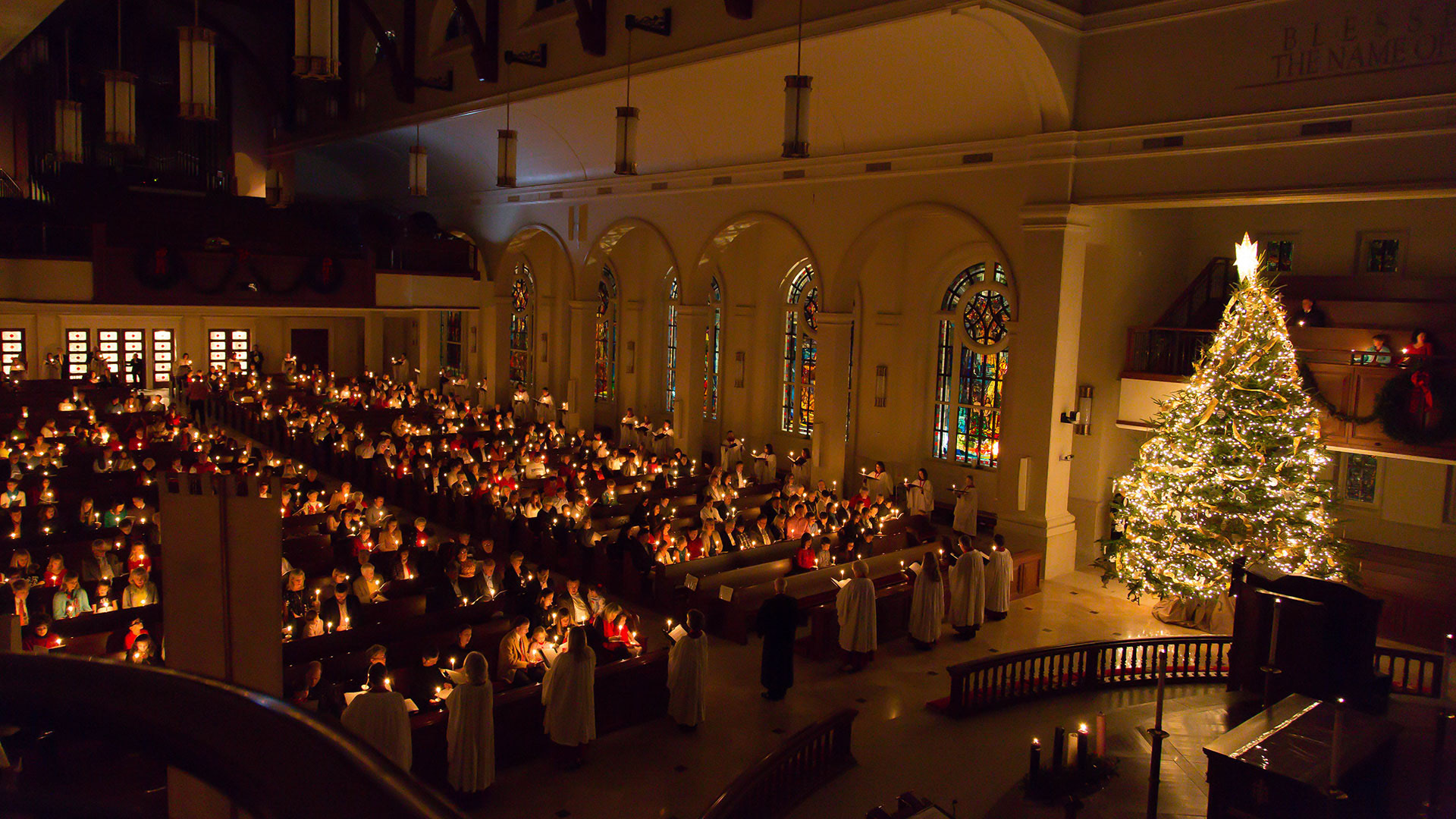
What the Bible does and does not say
If you go looking for “December 25” in the birth narratives, you will not find it. Matthew and Luke offer theological meaning, genealogies, and evocative details, but not a calendar date. Even the famous “shepherds in the fields” line does not pin down a month with certainty, since shepherding practices varied by region and season.
This is important because it sets expectations. The question is not, “What day was Jesus born, historically?” We simply do not have the kind of first century documentation that would allow that. The better question is, “Why did Christians decide to celebrate the Nativity on this day?”
When did December 25 become Christmas?
Christians were celebrating Jesus’ death and resurrection long before they had a distinct, widely shared feast for his birth. In fact, some early Christian writers were wary of birthday celebrations in general, which helps explain why the Nativity took longer to settle into the public calendar.
By the fourth century, December 25 appears clearly in the historical record in Rome as a date for celebrating the Nativity. A commonly cited witness is the Chronography of 354 (often discussed via its Roman calendar material, including the Depositio Martyrum), which indicates a December 25 observance in that setting.
That timeline matters because it aligns with a period when Christianity was becoming more public, more organized, and more intertwined with imperial life. A feast day is never only a date. It is also a declaration of identity and meaning.
Reason 1: A theological calculation
One of the strongest historically grounded explanations is sometimes called the “calculation theory.” It is not a claim that someone found Jesus’ birth record. It is a piece of early Christian reasoning about sacred time.
The basic idea
Some early Christians held a symbolic conviction that great prophets died on the same calendar date as their conception, or on the same date as a pivotal moment in their mission. For Jesus, the pivotal date was his death.
In Western Christian tradition, March 25 was a widely repeated date for the crucifixion, though ancient Christians also circulated other dates, including April 6 in some Eastern calculations. If Jesus was conceived on March 25, then nine months later lands on December 25.
Why this mattered to early Christians
Modern readers sometimes hear this and think it sounds like numerology. But in the ancient world, theology and timekeeping were deeply connected. The calendar was a way of preaching. Marking Jesus’ conception and death on the same date was a way of saying: the Incarnation and the Passion are one story, one gift, one divine purpose.
This approach also fit the intellectual habits of late antiquity, where symbolic correspondences were a normal way to express truth, even when the truth being expressed was not “chronological” in our modern sense.
Reason 2: The Roman calendar
Another widely discussed factor is the religious life of Rome itself. Late December already carried major cultural and spiritual weight in the Roman calendar. The question is how directly Christmas was meant to replace those festivals.
Saturnalia and the winter season
Saturnalia, a festival associated with Saturn, was celebrated in mid to late December with feasting, social role reversals, and gift giving. It is tempting to say, “Christmas is just Saturnalia with a Christian label.” The historical reality is more layered.
Christians living in the Roman world could hardly avoid the atmosphere of the season. Even if church leaders did not set Christmas to mimic Saturnalia, they were certainly setting Christmas within a calendar already humming with celebration.
Natalis Invicti and the Sol Invictus question
You will often hear that December 25 was chosen to “Christianize” the birthday of Sol Invictus, the “Unconquered Sun.” There is evidence that late Roman calendars associated December 25 with Natalis Invicti, including the Chronography of 354, though scholars debate what exactly that entry refers to, how widespread the observance was, and the direction of influence.
What historians debate is the direction of influence:
- Possibility A: Christians chose December 25 in part to offer an alternative to prominent sun related celebrations.
- Possibility B: Solar celebrations on December 25 gained prominence in response to, or alongside, growing Christian observance.
- Possibility C: Both developed in the same cultural climate where “light returning” at the darkest time of year was already a powerful theme.
What we can say with confidence is that early Christians were comfortable using “light” language for Jesus. Scripture itself sets that stage. So even if December 25 intersected with solar symbolism in Roman culture, Christians did not need to borrow the meaning. They already had a theological vocabulary for it.
December 25 does not have to be a “pagan takeover” story to be historically situated. Most religious feasts live at the crossroads of theology and culture.
Why some celebrate on January 6
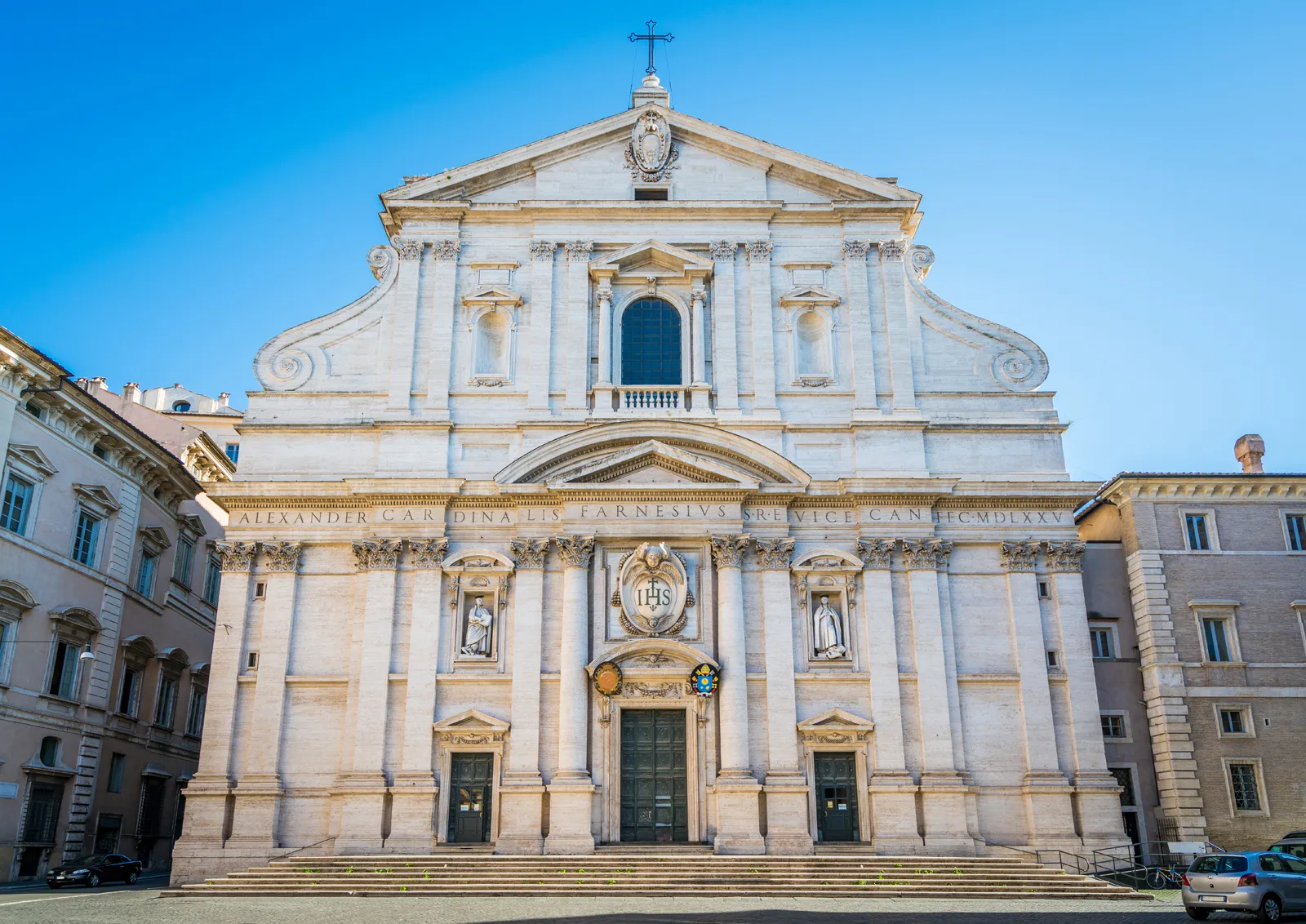
If December 25 was the universal Christian date from the beginning, the story would be simpler. But it was not. Many Christians in the East historically celebrated Jesus’ manifestation on January 6, a feast often called Epiphany.
Epiphany as an older or parallel feast
In some early Eastern Christian contexts, January 6 gathered several themes under one feast: Jesus’ birth, the visit of the Magi, and especially his baptism. Over time, traditions differentiated these commemorations in different ways.
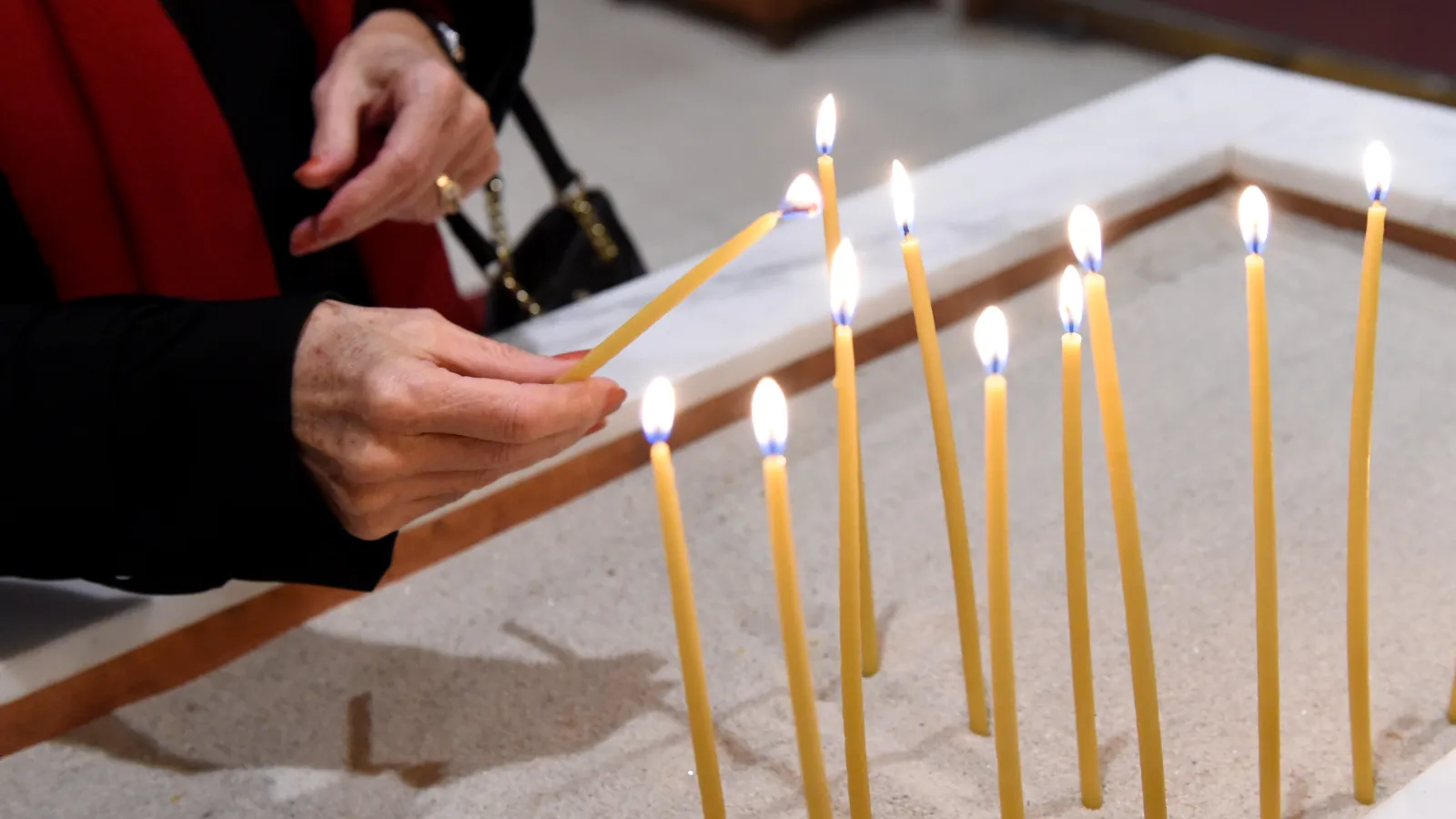
Eventually, many Eastern churches came to celebrate Christmas on December 25 and Epiphany on January 6. But some communities, especially those following older liturgical calendars, still keep Christmas on what appears, in many civil calendars today, as January 7. In many of those cases, it is still Christmas on December 25 in the Julian calendar, which currently differs from the Gregorian calendar by 13 days in the 20th and 21st centuries.
History vs popular claims
When a date becomes beloved, stories gather around it. Some are true. Some are tidy. A few are simply too good to let go of. Here is a gentle sorting of what holds up best.
Well supported
- The Bible does not give a date for Jesus’ birth.
- December 25 is attested as a Nativity celebration in Rome by the fourth century, often discussed with reference to the Chronography of 354.
- January 6 was also significant in early Christian calendars, especially in the East, and remains important as Epiphany.
- Early Christians used theological symbolism when shaping liturgical time, including links between conception and death in some traditions.
Plausible, but not provable in one sentence
- “Christmas replaced pagan festivals.” Sometimes Christianity did repurpose dates and spaces, and sometimes it did not. With December 25, the evidence points to overlapping cultural currents rather than one clean act of replacement.
- “It is Saturnalia in disguise.” There are surface similarities in winter customs, but customs travel for many reasons, including climate, economy, and human joy.
Often repeated, usually overstated
- “The church chose December 25 purely to steal Sol Invictus.” There may be interaction, but “purely” is doing too much work. The calculation tradition provides an internal Christian rationale that cannot be waved away.
Why keep December 25 anyway?
In my work as an interfaith facilitator, I have learned that people rarely need a holiday to function as a fact check. They need it to function as a doorway.
For Christians, December 25 became a doorway into the mystery of the Incarnation, God with us in ordinary flesh and ordinary time. The date is not a claim that the church has a hidden file stamped “Birth Certificate.” It is the church saying, across generations: we will set aside time to remember that light comes into the world.
And perhaps that is why December 25 has endured. Not because it wins an argument, but because it holds meaning, year after year, in the dark of winter.
FAQ
Was Jesus really born on December 25?
We do not know. The New Testament does not give a date, and there is no surviving first century record that identifies the day.
Did Christians pick December 25 to copy pagan festivals?
December in Rome was already filled with festivals and symbolism, so the cultural context mattered. But there is also a strong internal Christian explanation rooted in early theological calculation, so it is not accurate to reduce the date to “copying.”
Why do some Christians celebrate Christmas in early January?
Some Eastern Christian communities follow older liturgical calendars. In many cases, they are celebrating Christmas on December 25 of the Julian calendar, which corresponds to January 7 on the modern Gregorian calendar in the 20th and 21st centuries. Others emphasize January 6 as Epiphany, a feast with deep roots in early Christianity that highlights Jesus’ manifestation to the world.
What is the simplest historically fair answer?
Christmas is on December 25 because early Christians, especially in the West, connected Jesus’ conception with traditional dates for his death and built a feast around that, while also living in a Roman calendar where late December was already symbolically rich. Different regions developed different emphases, including January 6 in the East.